
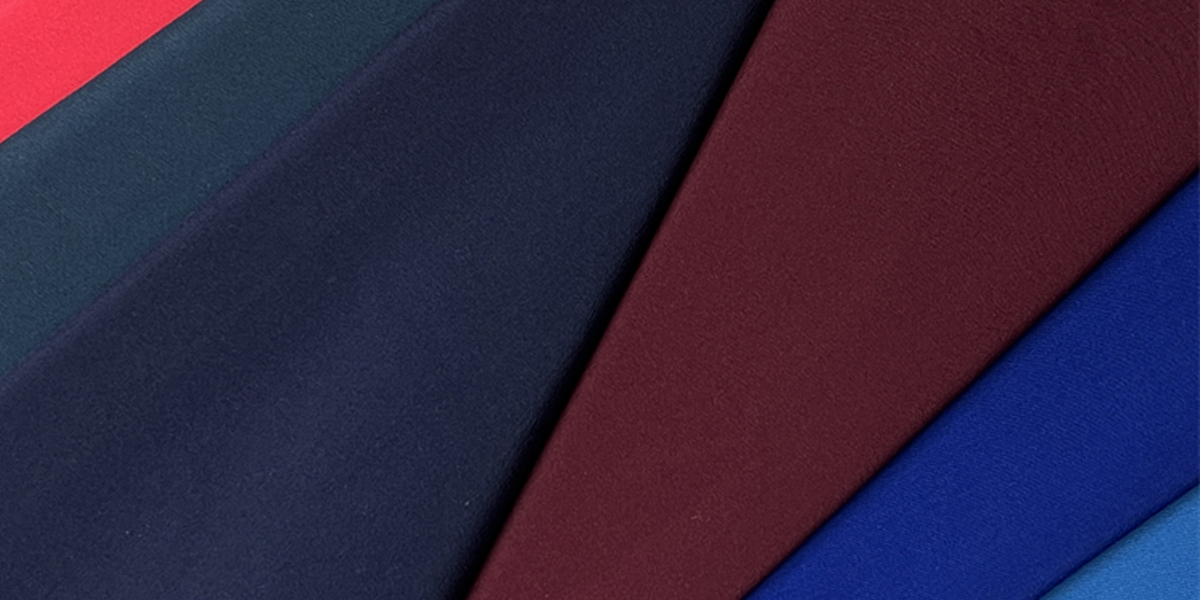
Selecting the right medical wear fabric is crucial for healthcare professionals. I prioritize fabric performance and wearer comfort. Polyeser rayon blended fabric for medical scrub or viscose polyester blended fabric for nurse scrub offers ideal properties. TRSP 72 21 7 fabric for hospital fabric is a great fabric for health care uniform fabric.
Key Takeaways
- Cotton is soft and breathable. It is good for comfort in cool places. But it soaks up sweat and wears out fast.
- Polyester is strong and lasts long. It dries fast. It is good for busy jobs. It can also fight germs.
- Cotton-polyester blends mix comfort and strength. They do not wrinkle much. They are good for most healthcare jobs.
Cotton as a Medical Wear Fabric

Composition and Natural Comfort
I often consider cotton for its natural comfort. It comes from the cotton plant. Cotton is primarily made of cellulose. This polymer has highly polar hydroxyl groups. These groups have a strong affinity for water. This causes cotton to soak up moisture like a sponge. This natural composition gives cotton a soft feel. It also makes it breathable against the skin. Many healthcare professionals appreciate this natural comfort during long shifts.
Advantages and Disadvantages
Cotton offers several advantages. It feels soft and is gentle on the skin. This makes it a good choice for those with sensitivities. It also breathes well, which helps with air circulation. However, cotton has notable disadvantages. While it is soft and breathable, it absorbs moisture instead of moving it away. A cotton shirt can feel heavy and stay damp after you sweat. Cotton is the “anti-moisture-wicking” fabric. It gets completely saturated with sweat. Then it takes forever to dry. This leaves you feeling cold and clammy.
I also look at durability. Here is a comparison of fabric lifespans:
| Fabric | Cycles to 50% Strength | Cycles to Visible Wear |
|---|---|---|
| 100% Polyester | 250 | 300 |
| 80/20 Blend | 150 | 200 |
| 100% Cotton | 100 | 120 |
This shows 100% cotton has a shorter lifespan compared to blends or polyester.

The chart further illustrates cotton’s lower resistance to wear over time.
Best Use Scenarios
I find cotton best for specific situations. It works well in cooler environments. It is also good for roles with less physical exertion. For example, administrative staff or those in non-clinical settings might prefer cotton. Its natural feel provides comfort. However, for active roles where moisture management is key, I would suggest other options. Cotton is a classic medical wear fabric, but its limitations are important to understand.
Polyester Medical Wear Fabric

Synthetic Durability and Features
I often consider polyester for its synthetic durability. This fiber is a polymer, known for its strength and resilience. Polyester resists wrinkles, shrinking, and stretching. It also holds its shape well, even after many washes. I find this crucial for uniforms that need to look professional daily. Polyester fabrics do not inherently possess antimicrobial properties. However, manufacturers can biofunctionalize them. They modify the fabric with agents like composite oxide hydrate ZnO·SiO2 or copper silicate hydrate (CuSiO3·xH2O). These modified polyester materials show strong antibacterial properties. They work against Gram-negative bacteria (Escherichia coli) and Gram-positive bacteria (Staphylococcus aureus). They also have antifungal properties against yeast fungus (Candida albicans). The effectiveness depends on the concentration of bioactive agents.
| Modification Agent | Fabric Type | Target Microorganism | Antibacterial Activity (A) | Bacteriostatic Coefficient (S) | Bactericidal Coefficient (L) | Growth Reduction (R) |
|---|---|---|---|---|---|---|
| Composite oxide hydrate ZnO·SiO2·xH2O (6.0 wt.%) | Polyester nonwoven | Escherichia coli | 6.0 | 6.6 | 2.1 | 97.0% |
| Composite oxide hydrate ZnO·SiO2·xH2O (6.0 wt.%) | Polyester nonwoven | Staphylococcus aureus | 4.8 | 4.9 | 0.6 | 70.8% |
| Copper silicate hydrate (CuSiO3·xH2O) (10.21 wt.%) | Polyester twill fabric | Candida albicans | 5.5 | 5.4 | 2.2 | 99.5% |
Advantages and Disadvantages
Polyester offers many advantages. Its durability means uniforms last longer. It resists fading and shrinking. This fabric also dries quickly, which is a benefit for frequent washing. I also note its cost-effectiveness.
| Uniform Type | Price Range |
|---|---|
| Premium Scrubs | $50 – $100 |
| Traditional Attire | $20 – $40 |
Polyester often falls into the more affordable “Traditional Attire” range. However, polyester can feel less breathable than natural fibers. It might not be as comfortable in very hot environments. It can also retain odors if not treated with antimicrobial finishes.
Best Use Scenarios
I recommend polyester for roles needing high durability and easy care. It suits busy healthcare settings. These environments require frequent washing and quick drying. Polyester is an excellent medical wear fabric for active roles. It performs well where moisture-wicking properties are beneficial. This includes emergency departments or surgical units. Its resistance to wear and tear makes it a practical choice.
Cotton-Polyester Blend Medical Wear Fabric
Balanced Performance and Composition
I often find cotton-polyester blends offer a great balance. They combine the natural comfort of cotton with the synthetic durability of polyester. This blend creates a fabric that performs well in many healthcare settings. The most common choice for medical scrub suits is a 65% polyester and 35% cotton ratio. This blend provides enhanced durability, wrinkle resistance, comfort, breathability, and color fastness after many washes.
Here is a look at different blend ratios and their properties:
- 65/35 (or 35/65): This is the most common blend. It offers a good balance of properties.
- 50/50: This blend has medium strength, medium hypoallergenic qualities, medium perspiration absorption, medium breathability, and medium softness.
- 80/20: This blend provides high strength, is lightweight, and has high elasticity.
- 40/60 or 35/65: This blend has low strength, is hypoallergenic, and offers high perspiration absorption and high breathability.
Advantages and Disadvantages
I see many advantages with cotton-polyester blends. They offer the best of both worlds. The polyester adds strength and wrinkle resistance. The cotton provides softness and breathability. A 50/50 cotton-polyester blend is much less prone to wrinkling than 100% cotton. Pure cotton wrinkles easily and often needs ironing. Polyester blends offer a more convenient option. They often come out of the dryer ready to wear. This avoids the extra step of ironing. The addition of polyester significantly enhances wrinkle resistance. Polyester’s natural resilience helps the blend maintain a smooth appearance throughout the day and after washing. This reduces the need for ironing. Blends with a higher percentage of polyester, like 65% polyester and 35% cotton, further improve durability and wrinkle resistance. Polyester-cotton blends have shown an 80% reduction in wrinkle formation compared to pure cotton. This resistance helps blended fabrics keep their shape and appearance through repeated washes and wears.
One disadvantage is that these blends might not be as breathable as pure cotton. They also might not be as durable as pure polyester in some extreme cases.
Best Use Scenarios
I recommend cotton-polyester blends for most healthcare roles. They are a versatile medical wear fabric. These blends work well for nurses, doctors, and technicians. They provide comfort for long shifts. They also offer the durability needed for frequent washing. Their wrinkle resistance means professionals look neat all day. This makes them ideal for busy hospital environments and clinics.
Rayon Medical Wear Fabric
Softness and Absorbency
I often consider rayon for its luxurious feel. It is a semi-synthetic fiber, known for its exceptional softness. Rayon drapes beautifully, giving uniforms a polished look. I find rayon stands out for its absorbency. It is even more absorbent than cotton. Cotton fabrics are known for absorbing water well. They keep the wearer cool and reduce static cling. Rayon takes this a step further, absorbing moisture very effectively. This makes it comfortable against the skin, especially in warmer conditions.
Advantages and Disadvantages
Rayon offers several advantages. Its softness provides great comfort for long shifts. The fabric breathes well, which helps regulate body temperature. Its high absorbency is a significant benefit for moisture management. However, rayon also has some drawbacks. It can wrinkle easily, requiring more care to maintain a crisp appearance. Rayon may not be as durable as some synthetic fibers. It can also shrink if not washed according to specific instructions. I also note its lower resistance to abrasion compared to cotton or polyester.
Best Use Scenarios
I recommend rayon for specific roles where comfort and a refined appearance are key. It makes an excellent medical wear fabric for administrative staff or those in less physically demanding roles. Its soft feel and good drape are ideal for uniforms needing a professional yet comfortable touch. I would suggest it for environments where frequent, heavy-duty washing is not the primary concern.
Spandex (Elastane) in Medical Wear Fabric
Stretch and Flexibility Properties
I often consider spandex, also known as elastane, for its remarkable stretch and flexibility. This synthetic fiber can stretch significantly and then return to its original shape. It provides unparalleled freedom of movement. When incorporated into medical wear, spandex allows uniforms to move with the body. This reduces restriction during demanding tasks. I find this elasticity crucial for healthcare professionals who perform a wide range of physical activities throughout their shifts.
Advantages and Disadvantages
Spandex offers significant advantages. It enhances comfort and allows for a greater range of motion. This makes uniforms feel less restrictive. The fabric also helps garments maintain their shape over time. This contributes to a more professional appearance. The ideal spandex blend for medical bandages typically ranges from 15–30% spandex. This offers a balance between elasticity and compression strength for most post-surgical needs. This range is crucial for determining the effectiveness of compression, comfort, and durability in medical garments like surgical stockings and bandages. Lower spandex ratios (15–20%) offer better breathability and are ideal for light compression applications. Higher spandex content (25–30%) provides high compression for medical-grade applications such as DVT prevention.
However, spandex also has disadvantages. It does not tolerate high-heat washing well. This can lead to its degradation over time. This means uniforms containing spandex require specific care instructions. They might not withstand the rigorous high-temperature washing cycles common in some medical facilities.
Best Use Scenarios
I recommend spandex in medical wear for roles requiring maximum mobility. It is an excellent medical wear fabric for surgeons, emergency responders, and physical therapists. These professionals benefit from uniforms that stretch and flex with their movements. Spandex blends are also ideal for compression garments. These include items like support stockings or post-operative wear. Its ability to provide comfortable, consistent pressure is invaluable in these applications.
Nylon Medical Wear Fabric
Strength and Resilience
I often consider nylon for its exceptional strength and resilience. This synthetic polymer is known for its robust nature. Nylon fibers resist abrasion, tearing, and stretching. This makes it a highly durable choice for medical uniforms. I find nylon maintains its integrity even under demanding conditions. It also offers good elasticity, allowing for comfortable movement.
Advantages and Disadvantages
Nylon offers several key advantages. Its high tensile strength means uniforms last a long time. I appreciate its resistance to wear and tear. Nylon also dries quickly, which is beneficial for frequent washing cycles. It resists shrinking and wrinkling, maintaining a professional appearance. However, nylon can feel less breathable than natural fibers. It might trap heat, which could be uncomfortable in warm environments. Nylon can also be prone to static electricity.
| Feature | Nylon | Cotton | Polyester |
|---|---|---|---|
| Strength | High | Medium | High |
| Abrasion Resistance | Excellent | Low | Good |
| Drying Time | Fast | Slow | Fast |
| Breathability | Low | High | Medium |
Best Use Scenarios
I recommend nylon for medical wear needing maximum durability. It is an excellent medical wear fabric for roles with high physical demands. This includes emergency medical technicians or surgical support staff. Its strength makes it suitable for uniforms that endure frequent movement and potential friction. I also suggest nylon for outerwear or specialized protective gear. Its resilience ensures long-term performance in challenging healthcare environments.
Microfiber Medical Wear Fabric
Fine Fibers and Performance
I often consider microfiber for its unique structure. It consists of extremely fine synthetic fibers, typically polyester or a blend of polyester and polyamide (nylon). These fibers are much thinner than a human hair. This fine construction gives microfiber its distinctive properties. It feels incredibly soft to the touch. It also boasts excellent absorbency and cleaning capabilities. I find microfiber fabrics perform well in various medical applications.
Advantages and Disadvantages
Microfiber offers several advantages. Its softness provides comfort for long shifts. I appreciate its ability to wick moisture away from the skin. This helps keep wearers dry. Microfiber also excels at trapping particles. This makes it useful for cleaning and filtration. However, I recognize some limitations. Microfiber can sometimes feel less breathable than natural fibers in very warm conditions. Its synthetic nature means it can retain odors if not properly treated.
I also look at its filtration capabilities. Microfiber fabric can effectively filter airborne particles.
| Particle Size | Filtration Efficiency |
|---|---|
| 2 μm | 90% or higher |
| 0.1–0.3 μm | Minimum 60% |
However, when fashioned into a mask, the outward protection efficiency for particles smaller than 2 μm can be less than 25%. This happens due to factors like leakage and poor fit. The material itself performs well, but the garment’s design impacts overall effectiveness.
Best Use Scenarios
I recommend microfiber for specific medical wear needs. It is an excellent medical wear fabric for cleaning cloths and reusable gowns. Its ability to trap microbes and dust makes it ideal for maintaining sterile environments. I also suggest it for uniforms where softness and moisture-wicking are priorities. This includes roles in patient care or laboratory settings. Its fine fibers contribute to a comfortable and functional garment.
Twill Weave Medical Wear Fabric
Distinctive Weave and Durability
I often look at twill weave for its unique structure. This fabric features a diagonal rib pattern. This pattern sets it apart from plain weaves. The diagonal lines give twill its characteristic look. This weave also contributes to its exceptional durability. I find twill fabrics are strong and resist tearing. They hold up well to frequent use and washing. This makes them a reliable choice for medical uniforms.
Advantages and Disadvantages
Twill weave offers many advantages. Its tight construction makes it very durable. I appreciate its ability to conceal subtle stains. This is especially important in medical settings.
- Twill and dobby weaves are better than poplin at hiding minor stains.
- For scrub caps, I prioritize twill for stain resistance in surgical or operating room settings.
Twill weave offers specific advantages for stain resistance in medical environments. Its diagonal pattern effectively conceals stains and wear. Its textured surface is also good at hiding them. This makes twill a practical choice for uniforms. The ability to hide stains is a significant benefit. Furthermore, twill is known for its inherent resistance to stains. However, twill can sometimes feel heavier than other weaves. It might also be less breathable in very warm conditions.
Best Use Scenarios
I recommend twill weave for roles needing robust and stain-resistant uniforms. It is an excellent medical wear fabric for surgical staff or laboratory technicians. These professionals often encounter spills and require durable clothing. Its ability to hide stains helps maintain a professional appearance throughout the day. I also suggest it for uniforms that need to withstand frequent, heavy-duty cleaning.
Poplin Weave Medical Wear Fabric
Smoothness and Crispness
I often appreciate poplin weave for its distinct smoothness and crispness. This fabric has a tight, plain weave. It creates a fine ribbed effect, giving it a sleek appearance. Poplin feels soft against the skin. It also holds its shape well, which helps uniforms look neat and professional. I find this characteristic crucial for maintaining a polished image in healthcare settings.
Advantages and Disadvantages
Poplin offers several advantages for medical wear. I find poplin scrubs resistant to wrinkles, making them easy to clean and durable. Its tighter weave helps resist stains better than cotton, which is crucial in a hospital or clinic environment. Poplin has enough weight to drape well, making it flattering on various body types. It is sturdy, preventing it from looking worn and wrinkled after hours of wear. Poplin’s durability, ease of care, and professional look make it ideal for uniforms in hospital settings.
I also consider the specific characteristics of poplin. Here are some common specifications:
| Composition | Yarn Count | Density | Weight (gsm) |
|---|---|---|---|
| 100% Polyester | 45×45 | 88×64, 96×72, 110×76 | 80-100 |
| T/C 65/35 | 45×45 | 96×72, 110×76, 133×72 | 80-110 |
| CVC 55/45 | 45×45 | 110×76, 133×72 | 100-110 |
A common blend, like a 65% Polyester 35% Cotton poplin, often features a 45sX45s yarn count, a density of 133X72, and a weight of 115g/㎡. While poplin excels in appearance and durability, it might not offer the same level of stretch as fabrics with spandex.
Best Use Scenarios
I recommend poplin weave for uniforms where a professional and neat appearance is paramount. It is an excellent medical wear fabric for doctors, nurses, and administrative staff. Its wrinkle resistance means garments remain pressed and neat even after long usage. This reduces the need for frequent ironing. Poplin’s durability ensures uniforms last longer and look good, even with frequent washing. Its breathability allows air circulation, making it comfortable for long shifts. This indirectly contributes to a professional demeanor by preventing discomfort.
Ripstop Medical Wear Fabric
Tear Resistance and Structure
I often consider ripstop fabric for its exceptional tear resistance. This fabric features a unique reinforcement technique. Stronger threads are interwoven at regular intervals in a crosshatch pattern. This structure makes the fabric resistant to tearing and ripping. If a small tear does occur, the weave prevents it from spreading. I find this structure crucial for uniforms that face demanding physical conditions. It ensures the garment maintains its integrity.
Advantages and Disadvantages
Ripstop offers significant advantages. Its primary benefit is its incredible durability against tears. I appreciate its lightweight nature. This makes uniforms comfortable without sacrificing strength. Ripstop fabrics also tend to be water-resistant. This adds another layer of protection. However, ripstop can sometimes feel less soft than other fabrics. Its distinct grid pattern might not suit all aesthetic preferences. I also note that some ripstop blends can be less breathable than pure cotton.
Best Use Scenarios
I recommend ripstop for roles requiring extreme durability and tear resistance. It is an excellent medical wear fabric for emergency medical services (EMS) personnel. These professionals often work in challenging environments. They need uniforms that withstand rigorous activity.
- Patient Transport: The fabric’s resistance to tears and abrasion is invaluable during the physical demands of moving patients. It ensures the uniform’s integrity and the professional appearance of EMS personnel.
I also suggest ripstop for field medics or anyone working outdoors. Its robust nature ensures uniforms last longer. This makes it a practical choice for demanding healthcare settings.
I believe selecting the right medical wear fabric is essential. I match properties like softness, breathability, and moisture-wicking for wearer comfort. For durability, I prioritize polyester’s strength and the resilience of cotton blends. Incorporating stretch from spandex also enhances flexibility and garment longevity. I balance these features to ensure optimal performance and functionality for every healthcare role.
FAQ
What is the most comfortable medical wear fabric?
I find cotton or rayon best for comfort. They feel soft. They also breathe well.
Which fabric offers the best durability for medical uniforms?
I recommend polyester or nylon for durability. They resist wear. They also last long.
What fabric is best for resisting stains?
I choose twill weave for stain resistance. Its pattern hides marks. It also cleans easily.
Post time: Dec-19-2025