
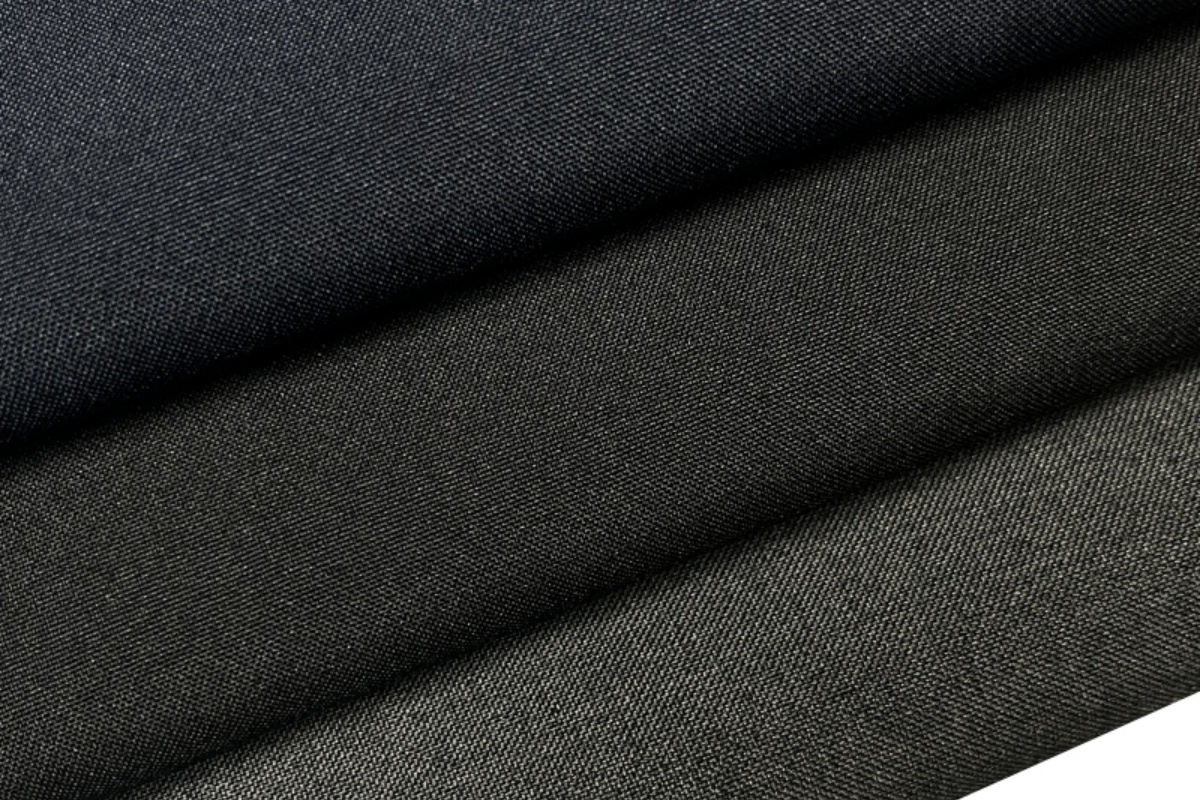
Why Choose 100% Polyester School Uniform Fabric
When sourcing textiles for educational institutions, balancing modesty, longevity, and cost is paramount. For students in Orthodox, tznius-observant, or shatnez-conscious Jewish day schools, strict dress codes require specific garment constructions—such as elbow-length sleeves, high collars, below-the-knee skirts, and loose silhouettes. Because Orthodox dress codes differ by school, buyers should verify specific institutional standards rather than assuming a universal template.
Pure synthetic polyester provides a strong foundation for these rigorous daily requirements. Crucially, 100% polyester is halachically permissible because the shell fabric inherently avoids shatnez (the prohibited mixture of wool and linen). However, independent certification or testing of all secondary components—such as sewing threads, trims, and linings—is still necessary upfront to ensure complete compliance. Furthermore, because modest dress inherently involves seasonal layering, procurement teams must address polyester’s limitations regarding thermal comfort. While modified fiber cross-sections and looser poplin weaves improve airflow, buyers should note that polyester’s breathability limits may still be insufficient for students wearing multiple layered garments in hot, humid climates.
Durability Benefits of 190–200gsm Polyester Poplin
To meet institutional guidelines without sacrificing comfort, industry standards frequently recommend a fabric weight between 190gsm and 200gsm. At this density, 100% polyester poplin achieves the complete opacity required for modest silhouettes under varying lighting conditions. Beyond opacity, this specific weight class delivers exceptional mechanical strength. High-quality polyester poplin achieves excellent abrasion and pilling resistance, meaning the material resists thinning, bobbling, or developing holes at high-friction points like knees and elbows. Additionally, the fabric’s inherent resilience simplifies laundering; it withstands standard machine washing and tumble drying without degrading, easily surviving a rigorous school year.
Commercial Uses for School Uniform Buyers
From a commercial procurement standpoint, transitioning to pure polyester yields practical advantages for institutional buyers. Manufacturers consistently utilize this textile for pleated skirts, pinafores, and tailored trousers. Because polyester fibers are thermoplastic, they hold heat-set pleats permanently, delivering a wrinkle-resistant finish that eliminates the need for daily ironing by parents. For bulk buyers, reviewing a supplier example of dedicated school uniform fabric in 100% polyester demonstrates how it typically reduces raw material costs significantly compared to blends. This cost efficiency is especially critical for Orthodox school uniforms; because modest fit rules dictate longer hemlines and fuller cuts, pattern consumption and minimum yardage per garment are notably higher than standard apparel.
Key Specifications and Performance Features
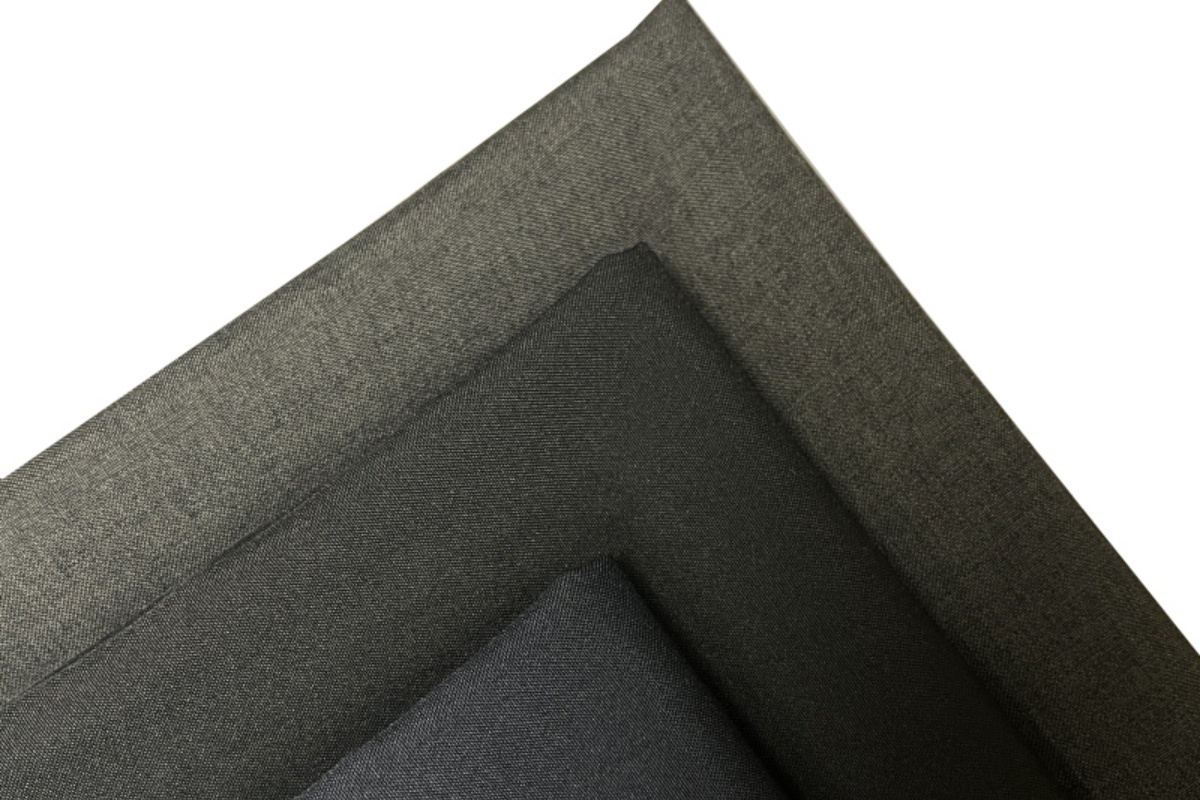
Evaluating the technical specifications of a textile ensures that the final garments will meet both institutional standards and parental expectations. When analyzing high-quality school uniform fabric, procurement specialists prioritize essential technical specifications that dictate how the material behaves during manufacturing and long-term end-use.
Colorfastness, Weight, and Hand Feel
Color retention is a critical metric for school apparel, which undergoes rigorous weekly washing. A target colorfastness to washing rating of ISO 105-C06 Grade 4-5 ensures that traditional institutional colors—such as the deep navy, maroon, and charcoal frequently mandated by yeshivas and Bais Yaakovs—do not bleed or fade prematurely.
Beyond visual aesthetics, the tactile experience is equally important. Through advanced mechanical softening and chemical finishing processes, 190gsm polyester poplin can achieve a smooth, non-abrasive hand feel. This finishing mitigates the rigid, synthetic texture historically associated with heavy polyester, ensuring students remain comfortable throughout the academic day.
Polyester Poplin Comparison Factors
To illustrate why this specific textile profile is highly sought after, the data below outlines how 100% polyester poplin stacks up against common blends. Please note that metrics are illustrative estimates based on general industry observations and can vary by manufacturer.
| Fabric Composition | Average Weight | Opacity Rating | Drape / Structure | Wrinkle Recovery | Cost Index |
|---|---|---|---|---|---|
| 100% Polyester Poplin | 190–200gsm | High (Non-sheer) | Excellent for loose fits | Excellent | Baseline (Lowest) |
| 65% Poly / 35% Cotton | 170–180gsm | Moderate | Softer, less structured | Good | Higher |
| 80% Poly / 20% Viscose | 210–220gsm | High | Good, heavier drape | Very Good | Highest |
While pure polyester maximizes performance metrics like structural hold and cost efficiency, buyers might still choose blends (such as poly-cotton or poly-viscose) for their softer hand feel and superior breathability, which can be highly advantageous for students wearing multiple layered garments.
How to Source Polyester School Uniform Fabric
Establishing a reliable supply chain is just as critical as selecting the right material specifications. Navigating the sourcing process efficiently guarantees that garment manufacturers receive their yardage well before the peak back-to-school production rush, while maintaining strict adherence to compliance standards throughout the production line.
Ordering Steps for Samples and Bulk Production
Buyers are advised to initiate the procurement process with precision. A common benchmark for the minimum order quantity (MOQ) of custom-dyed 100% polyester poplin is an illustrative range of 1,500 to 3,000 meters per colorway, though actual minimums vary significantly by mill and region. Because modest garments require higher pattern consumption, buyers must calculate these MOQs carefully based on their specific sizing requirements. The first step involves requesting lab dips—small dyed swatches matching specific Pantone requirements. Once the lab dip is approved, bulk production commences. Weaving, dyeing, and finishing require highly variable lead times depending on factory capacity, so building flexible timelines into procurement schedules ensures uninterrupted manufacturing workflows.
How Ready Greige Fabric Shortens Lead Time
To effectively reduce standard lead times, textile suppliers recommend utilizing ready greige (unfinished, undyed) fabric. By maintaining an inventory of pre-woven 190gsm polyester poplin greige goods, the time-consuming weaving phase is entirely bypassed. When an urgent order is placed, ready greige can move directly into the dyeing and finishing stages. This standard industry practice can significantly shorten the overall production lead time. For uniform brands facing sudden enrollment spikes or unexpected inventory depletion mid-season, this accelerated timeline is often the difference between fulfilling a contract and losing a key institutional client.
Key Takeaways
- Verify each school’s specific tznius dress code before ordering, because Orthodox uniform requirements vary by institution.
- Choose 190–200gsm polyester poplin when opacity, abrasion resistance, and year-long durability are priorities.
- Confirm shatnez compliance for threads, trims, linings, and other secondary components, not only the main polyester shell fabric.
- Request ISO 105-C06 Grade 4-5 colorfastness to protect dark institutional colors through frequent laundering.
- Test comfort in the target climate, because polyester can feel less breathable when students wear multiple modest layers.
- Use heat-set polyester for pleated skirts and pinafores to reduce ironing and maintain a consistent uniform appearance.
Frequently Asked Questions
Is 100% polyester suitable for Orthodox Jewish school uniforms?
Yes, the main shell fabric is synthetic and inherently avoids shatnez. However, buyers should still verify threads, trims, linings, and other components through independent testing or certification.
What fabric weight is recommended for modest school uniforms?
A 190–200gsm polyester poplin is commonly recommended because it offers strong opacity, durability, and structure for skirts, pinafores, trousers, and other uniform garments.
Does polyester stay comfortable in hot or humid climates?
Polyester has breathability limits, especially when students wear layered modest clothing. Looser poplin weaves and modified fiber structures can help, but schools in hot climates should test comfort before bulk ordering.
Why is polyester useful for pleated skirts and pinafores?
Polyester is thermoplastic, so pleats can be heat-set to hold their shape for longer. This reduces daily ironing and helps uniforms maintain a neat appearance.
What colorfastness rating should school buyers request?
For frequent washing, buyers should target ISO 105-C06 Grade 4-5 colorfastness to help navy, maroon, charcoal, and other school colors resist fading or bleeding.

Yunai Textile
Post time: Nov-07-2026