
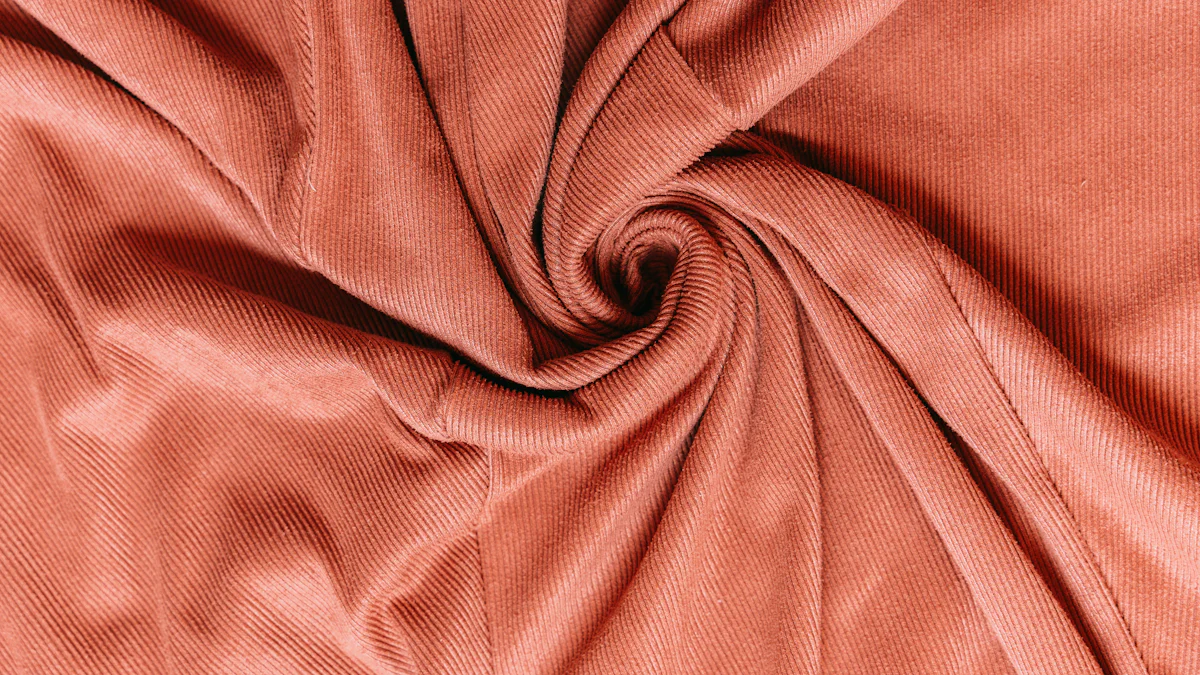
When I think about versatile fabrics, nylon and spandex fabric blends stand out. These materials combine flexibility and durability, making them ideal for various uses. Nylon stretch fabric, known for its elasticity, is perfect for activewear and 4 way stretch fabric applications. I’ve also seen 4 way spandex nylon fabric excel as beach wear shorts fabric.
Key Takeaways
- Nylon spandex fabric stretches well, lasts long, and feels soft. It is great for sports clothes and swimsuits.
- Polyester spandex fabric costs less and dries fast. It is good for saving money and outdoor use.
- Think about what you need. Choose nylon spandex for comfort and stretchiness. Pick polyester spandex for lower cost and sun protection.
What is Nylon Spandex Fabric?
 Composition and Characteristics
When I think about nylon and spandex fabric, I see a blend that combines the best of two worlds. Nylon contributes strength and durability, while spandex offers exceptional stretch and recovery. Together, they create a lightweight, breathable, and versatile material. This combination makes it ideal for activewear, swimwear, and other performance-focused applications.
| Property | Description |
|---|---|
| Stretchability | Exceptional stretch and recovery capabilities, maintaining original shape. |
| Durability | Tough and resilient, resists tearing and abrasion. |
| Shape Retention | Maintains shape after repeated stretching and wear. |
| Comfort and Breathability | Allows for airflow, preventing overheating during physical activities. |
| Vibrant Colors | Receptive to dyeing processes for striking hues. |
| Versatility | Suitable for various applications like activewear and swimwear. |
| Quick Drying | Dries quickly, enhancing comfort after swimming. |
This fabric’s ability to retain its shape and vibrant colors even after repeated use makes it a favorite in my wardrobe.
Key Benefits of Nylon Spandex
I’ve found nylon and spandex fabric to be highly durable and resistant to wear and tear. Its elasticity ensures a perfect fit, making it a go-to choice for activewear. The lightweight and breathable nature of this fabric keeps me comfortable in any season. Its moisture-wicking properties are ideal for intense workouts, while the quick-drying feature is perfect for swimwear. Additionally, it resists wrinkles and provides UV protection, making it suitable for outdoor activities.
- Highly durable and resistant to wear and tear
- Excellent elasticity and stretchability for a perfect fit
- Lightweight and breathable for comfort in any season
- Moisture-wicking properties ideal for activewear
- Quick-drying and wrinkle-resistant
- Provides UV protection for outdoor use
Common Drawbacks of Nylon Spandex
Despite its advantages, nylon spandex fabric has some limitations. I’ve noticed that it can retain moisture, leading to unpleasant odors after prolonged use. Its breathability doesn’t match that of natural fibers, which can trap sweat during intense activities. For those with sensitive skin, it may cause irritation. Additionally, the fabric’s high cost and difficulty in dyeing can be drawbacks for some users.
- Breathability: Not as breathable as natural fibers, leading to trapped sweat.
- Odor: Moisture retention can cause unpleasant odors due to bacteria.
- Skin Irritation: Can lead to discomfort for sensitive skin.
- Extended Drying Time: Takes longer to dry after washing.
- High Cost: More expensive compared to other fabric blends.
While these drawbacks exist, I believe the benefits of nylon and spandex fabric often outweigh the challenges, especially for performance-focused applications.
What is Polyester Spandex Fabric?
Composition and Characteristics
Polyester spandex fabric combines two synthetic fibers to create a versatile and high-performance material. Polyester, derived from petroleum-based products, contributes durability, wrinkle resistance, and quick-drying properties. Spandex, also known as elastane, adds exceptional elasticity, allowing the fabric to stretch up to 5-8 times its original length. During production, manufacturers blend a small percentage of spandex (typically 2-10%) with polyester fibers. This process results in a fabric that balances strength, flexibility, and comfort.
I’ve noticed that polyester spandex fabric offers several impressive physical and chemical properties. It stretches up to 30-40% of its original length and recovers well, maintaining its shape even after repeated use. The polyester component ensures excellent durability, vibrant color retention, and moisture-wicking capabilities. This fabric dries faster than cotton and resists wrinkles, making it ideal for activewear and travel.
Key Benefits of Polyester Spandex
In my experience, polyester spandex fabric excels in performance and practicality. Its elasticity provides a comfortable fit, while its durability withstands frequent washing without losing shape or color. The moisture-wicking properties keep me dry during workouts, and the quick-drying feature is perfect for swimwear. I also appreciate its wrinkle resistance, which reduces the need for ironing.
| Advantage | Description |
|---|---|
| Elasticity | Spandex stretches up to 500%, offering flexibility and comfort. |
| Durability | Withstands frequent washing and retains shape. |
| Moisture-wicking | Draws moisture away from the skin, keeping the wearer dry. |
| Quick-drying | Dries faster than natural fibers, suitable for activewear and swimwear. |
| Wrinkle resistance | Naturally resists wrinkles, making it convenient for travel. |
Common Drawbacks of Polyester Spandex
Despite its advantages, polyester spandex fabric has some limitations. I’ve found that it can trap sweat and moisture against the skin, leading to discomfort in hot weather. This moisture retention may also cause unpleasant odors, especially during prolonged use. For those with sensitive skin, the fabric can sometimes cause irritation or chafing. While it dries quickly after use, it may take longer to dry completely after washing, which can be inconvenient.
- Less breathable than natural fibers, trapping sweat and moisture.
- Moisture retention can lead to unpleasant odors.
- May irritate sensitive skin, causing itching or chafing.
- Extended drying time after washing.
While these drawbacks exist, I believe the benefits of polyester spandex fabric often outweigh the challenges, especially for activewear and performance-focused applications.
Key Differences Between Nylon and Polyester Spandex
Stretch and Flexibility
From my experience, nylon and spandex fabric stands out for its exceptional stretch and recovery. The nylon component provides a balanced elasticity, allowing the fabric to stretch significantly without losing its shape. This makes it ideal for activities requiring a snug fit and unrestricted movement. On the other hand, polyester spandex, while elastic, feels less flexible due to the firmer structure of polyester. This difference becomes noticeable in garments where maximum stretch is essential, such as yoga pants or compression wear. For superior flexibility, I often lean toward nylon spandex.
Durability and Longevity
When it comes to durability, nylon spandex fabric impresses me with its resistance to wear and tear. It holds up well under frequent use, making it perfect for high-performance clothing. However, polyester spandex offers better resistance to UV degradation, which makes it more suitable for outdoor activities. While both fabrics are durable, I find nylon spandex excels in abrasion resistance, whereas polyester spandex shines in sun protection.
Moisture Management and Breathability
In my experience, polyester spandex outperforms nylon spandex in moisture-wicking. It pulls sweat away from the skin more effectively, keeping me dry during intense workouts. Its quick-drying nature adds to its appeal for activewear. Nylon spandex, while breathable and quick-drying, doesn’t manage moisture as efficiently. For activities where dryness is a priority, I usually prefer polyester spandex.
Softness and Comfort
Nylon spandex feels softer and smoother against the skin. Its luxurious texture makes it my go-to choice for garments where comfort is key, such as loungewear or shapewear. Polyester spandex, while functional and durable, has a slightly rougher texture. It prioritizes performance over softness, which is why I often choose it for activewear.
Cost and Affordability
Polyester spandex is generally more affordable than nylon spandex. Its lower production costs make it a practical choice for budget-conscious consumers. Nylon spandex, though more expensive, justifies its price with premium qualities like enhanced durability and softness. For high-quality garments, I find the investment in nylon and spandex fabric worthwhile.
Applications and Suitability
 Activewear
When I choose fabrics for activewear, I prioritize performance and comfort. Nylon and spandex fabric stands out due to its softness, durability, and balance between stretch and breathability. Its moisture-wicking properties keep the body cool by pulling sweat away, while its elasticity ensures a comfortable fit. I’ve noticed that it maintains its shape even after intense physical activities.
- Excellent elasticity for unrestricted movement
- Moisture-wicking capabilities to keep the wearer dry
- Breathability and durability for long-lasting comfort
Polyester spandex fabric also excels in activewear. Its lightweight nature enhances comfort during workouts. The quick-drying property is ideal for intense conditions, and its UV resistance provides protection during outdoor activities. I often recommend this fabric for its affordability and practicality.
- Lightweight and quick-drying for convenience
- UV resistance for outdoor use
- Hydrophobic nature that draws moisture away from the skin
Swimwear
For swimwear, nylon spandex fabric offers exceptional stretch and durability. It resists tearing and maintains its shape after repeated use. I appreciate its ability to hold vibrant colors, ensuring swimwear looks striking even after exposure to chlorine and saltwater.
| Property | Description |
|---|---|
| Exceptional Stretch | Allows significant movement without losing shape. |
| Durability | Withstands chlorine, saltwater, and sunlight. |
| Quick Drying | Enhances comfort after swimming. |
Polyester spandex fabric also performs well in swimwear. Its quick-drying nature and shape retention make it a reliable choice. I find it particularly useful for its abrasion resistance and easy care, which reduce maintenance efforts.
- Stretch and flexibility for comfort
- Quick-drying and wrinkle-resistant for convenience
- Durable against environmental factors
Medical Garments
Nylon spandex fabric plays a crucial role in medical garments. Its stretch properties allow compression garments to apply consistent pressure, offering therapeutic benefits. These garments support individuals with medical conditions by improving circulation and reducing swelling. I’ve seen this fabric excel in providing comfort and functionality for patients.
Polyester spandex fabric is also used in compression garments. It enhances recovery after surgery and reduces swelling. Its affordability and durability make it a practical option for medical applications.
- Improves blood circulation and aids recovery
- Durable and cost-effective for long-term use
Fashion and Shapewear
In fashion and shapewear, nylon spandex fabric shines with its superior softness and elasticity. It conforms to the body, providing a snug yet flexible fit. I often recommend it for its smooth texture, which minimizes irritation and enhances comfort.
- Lightweight and breathable for all-day wear
- Excellent elasticity for a perfect fit
- Durable and resistant to wrinkles
Polyester spandex fabric offers similar benefits. Its stretch and recovery properties ensure garments maintain their shape. I value its wrinkle resistance and quick-drying nature, which make it ideal for busy lifestyles.
| Advantage | Description |
|---|---|
| Stretch and Recovery | Ensures a snug fit and retains shape after use. |
| Wrinkle-resistant | Reduces the need for ironing, perfect for travel. |
| Quick-drying | Enhances convenience for active individuals. |
Nylon and polyester spandex fabrics each bring unique strengths to the table. Nylon and spandex fabric excels in durability, elasticity, and softness, making it ideal for high-performance applications. However, its higher cost and moisture retention can be limiting.
Polyester spandex fabric offers affordability, quick-drying properties, and excellent color retention. Yet, it lacks breathability and raises environmental concerns due to its non-biodegradable nature.
When choosing between these fabrics, I recommend considering your priorities. For premium comfort and stretch, nylon spandex is unmatched. For cost-effective, UV-resistant options, polyester spandex stands out.
FAQ
What is the main difference between nylon spandex and polyester spandex?
Nylon spandex offers superior softness and stretch, while polyester spandex excels in quick-drying and UV resistance. I choose based on comfort or performance needs.
Can I use nylon spandex for outdoor activities?
Yes, but polyester spandex performs better outdoors. Its UV resistance and moisture-wicking properties make it more suitable for extended sun exposure.
Which fabric is more eco-friendly?
Neither is highly eco-friendly. Both are synthetic and non-biodegradable. However, recycled polyester options reduce environmental impact slightly compared to nylon spandex.
Post time: Feb-28-2025