
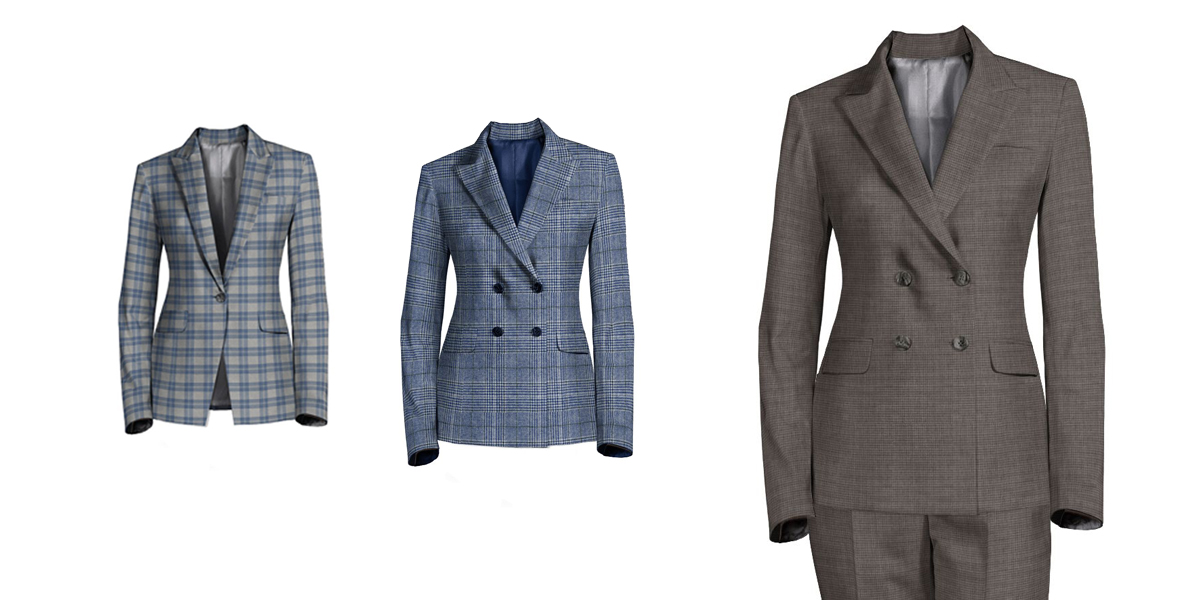
Sourcing fancy TR fabrics requires careful consideration. I recommend using a fancy TR fabric guide to evaluate fabric quality, understanding TR fabric MOQ wholesale, and identifying a reliable custom fancy TR fabric supplier. A thorough TR fabric quality check guide can help ensure you buy fancy TR fabric in bulk that meets your specific needs. Additionally, consulting a fancy TR fabric buyer’s guide can provide valuable insights for your purchasing decisions.
Key Takeaways
- Understand blend ratios in TR fabrics. Common blends like 65/35 TR offer durability and comfort, making them ideal for various applications.
- Evaluate GSM (grams per square meter) to assess fabric feel and durability. Higher GSM fabrics are more durable, while lower GSM fabrics are lighter and breathable.
- Negotiate Minimum Order Quantities (MOQ) with suppliers. Strategies like group buys and building long-term relationships can help reduce MOQs and improve sourcing flexibility.
Key quality indicators in fancy TR fabrics
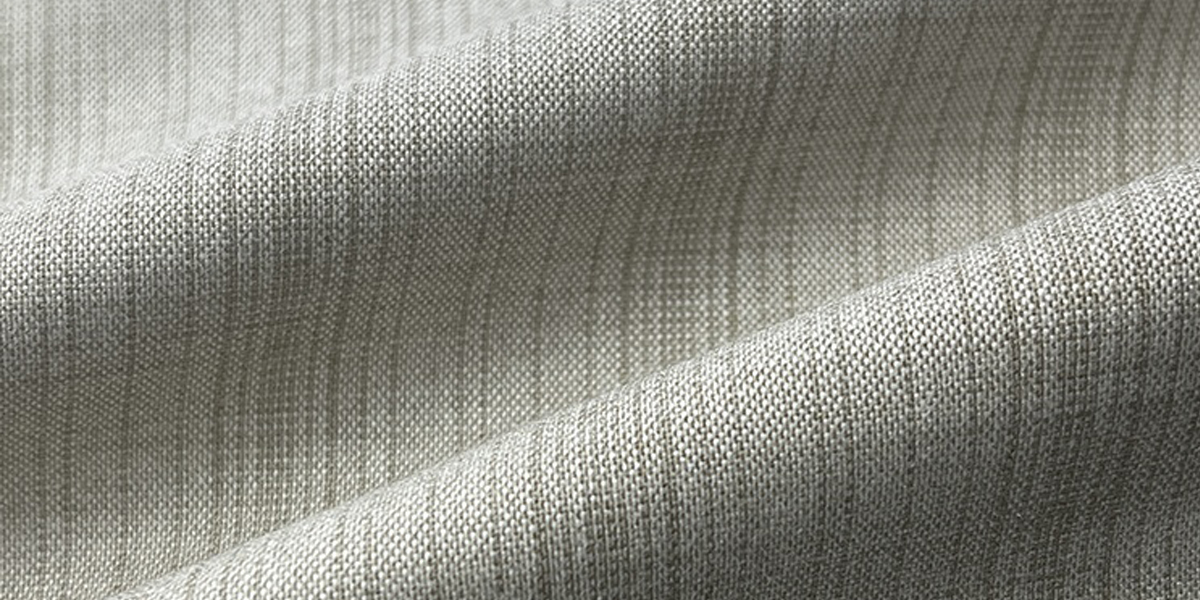
When sourcing fancy TR fabrics, I pay close attention to several key quality indicators. These indicators help me assess the fabric’s overall performance and suitability for my projects.
Blend ratio
The blend ratio of TR fabrics significantly influences their characteristics. I often find that the most common blend ratios include:
| Blend Ratio | Composition |
|---|---|
| 65/35 TR | 65% polyester, 35% cotton |
| 50/50 | 50% polyester, 50% cotton |
| 70/30 | 70% polyester, 30% cotton |
| 80/20 | 80% polyester, 20% rayon |
From my experience, the 65% polyester to 35% cotton blend is the most prevalent. Other popular blends include the 50/50 and 70/30 ratios. The 80/20 polyester-rayon blend stands out for its strength and softness, making it ideal for various applications. Understanding these ratios helps me choose fabrics that meet my specific needs.
GSM (Grams per Square Meter)
GSM, or grams per square meter, is another crucial factor in evaluating TR fabrics. It directly affects the fabric’s feel and durability. Here’s how different GSM ranges impact the fabric:
| GSM Range | Feel and Durability Characteristics |
|---|---|
| 100–150 | Light and floaty, ideal for summer wear |
| 200–250 | Provides warmth while remaining breathable |
| 300+ | Heavier, more durable, suitable for structured goods |
In my sourcing experience, I’ve noticed that higher GSM fabrics tend to be more durable and withstand wear and laundering better. Conversely, lower GSM fabrics are lighter and more breathable but may sacrifice some durability. The interplay of GSM with thread count and weave type also affects softness, drape, and longevity, which I always consider when selecting fabrics.
Finish and texture
The finish and texture of TR fabrics can greatly enhance their appeal. Various finishing techniques are commonly used to improve texture, including:
- Tentering: Gradually widens the fabric and stabilizes its shape.
- Sizing: Dips fabrics in slurry for a thick and stiff feel.
- Heat setting: Stabilizes thermoplastic fibers to prevent shrinkage and deformation.
- Calendering: Flattens the fabric surface to enhance luster and feel.
- Soft finishing: Achieved through mechanical or chemical processes to enhance softness.
I evaluate the texture quality of TR fabrics using measurable criteria. For instance, I consider the weight, bending modulus, and drape coefficient. These factors correlate with the fabric’s overall performance and aesthetic appeal.
MOQ and order flexibility in fabric sourcing
When I source fancy TR fabrics, understanding the Minimum Order Quantity (MOQ) is crucial. The MOQ represents the smallest amount of fabric a supplier is willing to sell. This quantity can vary significantly based on the supplier type and the specifics of the order.
Understanding MOQ
I often find that different suppliers have different MOQs based on their business models. Here’s a breakdown of typical MOQs in major textile markets:
| Supplier Type | Typical MOQ |
|---|---|
| Textile Mill (weave) | 100–300 m per color |
| Wholesaler/Distributor | 100–120 m per design |
| OEM / Custom Finisher | 31500-2000 m per color |
These figures help me gauge what to expect when placing an order. I’ve learned that larger suppliers often set higher MOQs due to their production capabilities and cost structures. Factors such as production costs, material availability, and the level of customization also play a significant role in determining MOQs. For instance, custom orders usually require larger quantities, as they involve more complex production processes.
Negotiating order quantities
Negotiating MOQs can be a game-changer for my sourcing strategy. I’ve found several effective strategies to reduce MOQs with TR fabric suppliers:
| Strategy Description | Benefit |
|---|---|
| Use standardized specifications | Avoids specialty runs and aligns with supplier’s common production |
| Leverage group buys | Allows smaller brands to meet MOQs without overstocking |
| Offer rolling purchase order commitments | Suppliers see a planned pipeline, making them more willing to negotiate |
| Build long-term relationships | Returning clients can secure lower MOQs due to trust and reliability |
| Understand supplier’s cost structures | Enhances negotiation outcomes by offering sensible trade-offs |
By employing these strategies, I can often negotiate better terms. For example, I’ve successfully reduced MOQs by collaborating with other small brands to place a larger combined order. This approach not only helps meet the MOQ but also fosters a sense of community among us.
Implications for small brands
Small brands face unique challenges when it comes to meeting MOQ requirements. Here are some common hurdles:
| Challenge | Description |
|---|---|
| Too Costly | Large orders demand big upfront investment, which many startups can’t afford. |
| High Risk | Ordering in bulk can lead to unsold stock without knowing product performance. |
| Limited Flexibility | High MOQs reduce the ability to test new designs or run multiple small collections. |
| Storage Issues | Managing and storing large quantities is tough without proper warehousing. |
I’ve experienced these challenges firsthand. Many small fashion brands, including my own, often have limited budgets. We need to start with smaller order quantities to test the market. However, large manufacturers typically require high MOQs, which can be unmanageable for startups.
To navigate these challenges, I’ve discovered some solutions. For instance, some mills offer stock programs that allow orders as low as one yard. Others have roll programs where certain rolls of fabric are available, typically between 50-100 yards. These options provide flexibility and help mitigate the risks associated with high MOQs.
Custom design options for TR fabrics
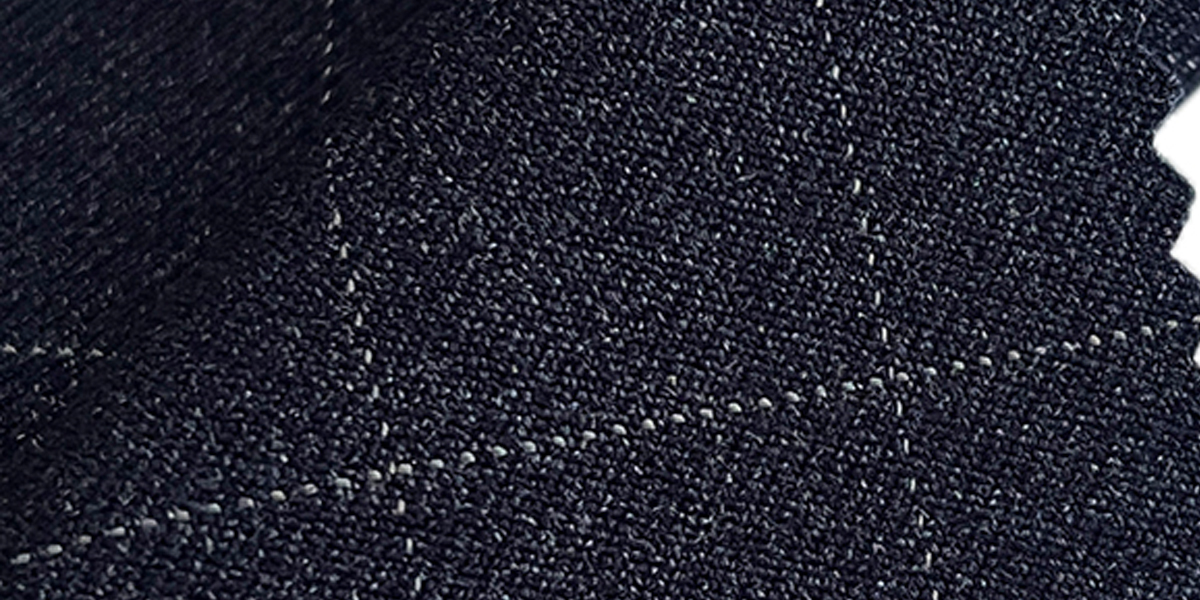
When I explore custom design options for TR fabrics, I find that the possibilities are vast and exciting. Customization allows me to create unique products that stand out in the market.
Prints and patterns
I often choose from various printing techniques to achieve the desired look. Here are some popular options:
| Type of Custom Print/Pattern | Description |
|---|---|
| Reactive Printing | Advanced method for vibrant designs on reactive fabric. |
| Pigment Printing | Quick and versatile technique for natural fabrics. |
| Sublimation Printing | Bonds ink deep into fibers for lasting designs. |
These methods significantly impact the quality and longevity of the designs. For instance, high-quality inks withstand wash cycles better than low-quality ones. I always consider the substrate quality, as polyester tends to be more durable than cotton.
Textures and weaves
The texture and weave of TR fabrics play a crucial role in their performance and appearance. I often opt for specific weave structures based on the desired characteristics:
| Weave Structure | Description |
|---|---|
| Plain | A basic textile structure with a simple crisscross pattern, creating a durable fabric. |
| Twill | Features a diagonal pattern created by the weft passing over and under the warp threads. |
| Herringbone Twill | Characterized by a V-shaped pattern, providing a textured and durable fabric. |
Custom textures enhance the visual appeal and tactile experience of TR fabrics. They can improve comfort and usability, making them more appealing to consumers.
Color choices
Color customization is another vital aspect of my sourcing process. Many suppliers offer a wide range of customizable color options. For example, T/R suit serge fabric provides various colors through color cards. I also ensure that the colors undergo colorfastness testing. This testing evaluates how well the colors resist fading and degradation under different conditions. It helps me gauge the longevity of the colors, ensuring that the aesthetic qualities of the fabric remain intact over time.
By leveraging these custom design options, I can create unique and high-quality products that resonate with my target audience.
Questions to ask your TR fabric supplier
When I engage with TR fabric suppliers, I prioritize asking the right questions to ensure I make informed decisions. Here are some essential inquiries I always consider.
Quality assurance processes
I find it crucial to understand the quality assurance measures that suppliers implement. Here are some certifications I look for:
| Certification | Description |
|---|---|
| GOTS | Global Organic Textile Standard, verifies organic material presence and processing standards. |
| OEKO-TEX | A testing and certification system for textile safety and transparency, reducing hazardous chemicals. |
I also inquire about their quality control stages. For example, I want to know if they conduct raw material inspections and final product testing. These measures help ensure that the fabrics meet my quality expectations.
Lead times and delivery
Understanding lead times is vital for my planning. I typically ask suppliers about their timelines for custom orders. From my experience, the overall lead time usually ranges from 30 to 60 days. Smaller orders of 100-500 units often take 15-25 days, while larger orders can extend to 25-40 days. I also consider shipping options, as air freight is faster but more expensive than sea freight.
Sample availability
I always request samples before placing a bulk order. This step allows me to evaluate the fabric’s quality and suitability for my designs. I ask suppliers how long it takes to produce samples, which typically takes about 7-10 days. Knowing this helps me plan my production schedule effectively.
By asking these questions, I can ensure that I choose a reliable supplier who meets my needs for quality, timely delivery, and sample availability.
Reliable sourcing of TR fabrics hinges on several key factors. I focus on a supplier’s production capacity, material quality, and their track record for reliability. Building strong relationships with suppliers fosters better communication and trust.
Long-term partnerships yield numerous benefits, including:
- Cost Savings: Opportunities for bulk purchasing.
- Improved Quality: Suppliers maintain high standards.
- Innovation: Knowledge sharing leads to competitive advantages.
By prioritizing these elements, I ensure a successful sourcing strategy that supports my business goals.
Post time: Sep-26-2025