
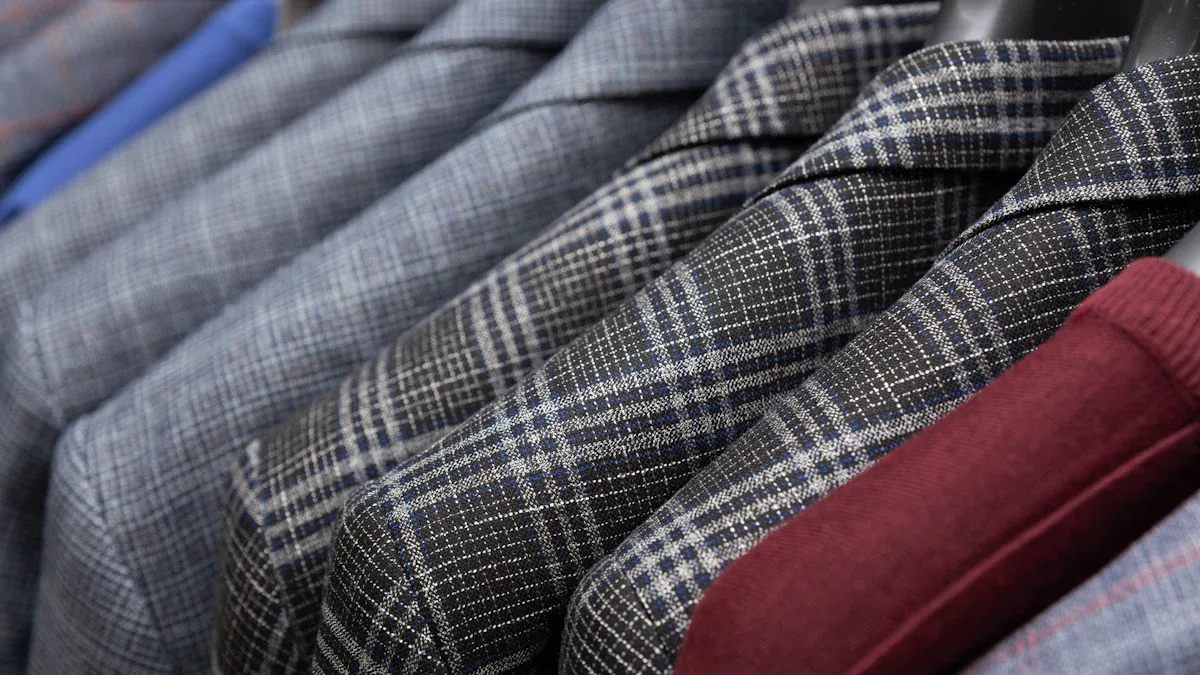
When selecting a suit, I always prioritize the suit fabric. The complete guide to suiting fabrics explains how different types of suit fabrics, such as TR suit fabric / polyester viscose fabric, worsted wool, and various blends, each provide distinct advantages. TR vs wool suiting explained in the market data below demonstrates why suiting fabrics play a crucial role in both comfort and durability.
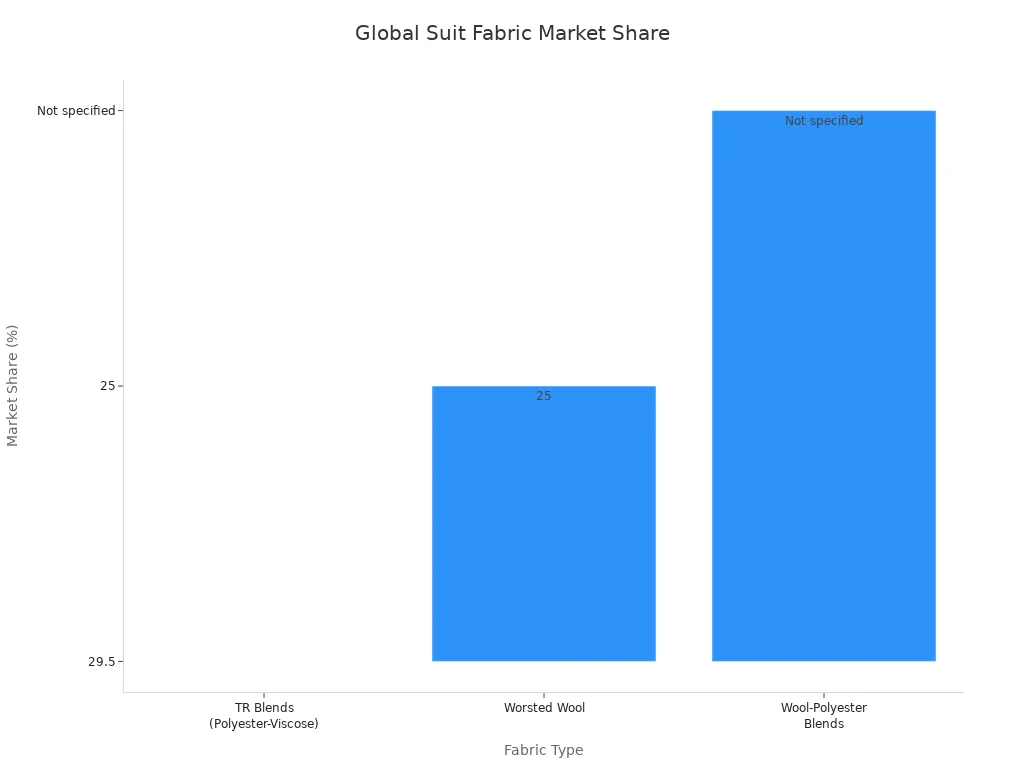
I notice that suiting fabrics like TR suit fabric / polyester viscose fabric are widely used around the world, while wool blends are preferred for their premium quality and feel.
Key Takeaways
- Choose suit fabrics based on comfort, durability, and occasion to look sharp and feel confident all day.
- TR blends offer easy care and wrinkle resistance, making them ideal for busy professionals and frequent wear.
- Worsted wool provides a luxurious feel, breathability, and long-lasting quality, perfect for formal events and business.
Why Suit Fabric Matters
Comfort and Breathability
When I choose a suit, comfort always comes first. I look for fabrics that allow me to move freely, whether I am sitting, standing, or even dancing at an event. Many people praise Eco Stretch fabric for its comfort and flexibility. I notice that a good suit never feels stiff or cardboard-like. Breathability is also important. I never want to feel overheated in my suit, so I often wear a moisture-wicking undershirt to stay cool and dry. I have found that high-quality suit fabric makes a big difference in how comfortable I feel throughout the day.
Tip: For extra comfort, pair your suit with a breathable undershirt to prevent sweat marks and stay fresh.
Durability and Longevity
I want my suit to last for years, not just a few wears. The right fabric stands up to regular use and keeps its shape. Wool, especially in heavier weaves, resists wrinkles and holds up well over time. I have learned that natural fibers like wool age better than synthetics. When I travel or wear my suit often, I pick fabrics known for their strength and durability.
Appearance and Style
The fabric I choose shapes how my suit looks and feels.
- Wool drapes well and gives a polished, professional look.
- Cotton feels casual and works for warm weather, but it does not have the same luxury as wool.
- Linen looks elegant in summer but wrinkles easily.
- The weave and weight of the fabric affect how the suit fits and moves.
- Experts say that natural fibers help me look more authoritative and stylish.
Suitability for Different Occasions
I match my suit fabric to the event.
- Wool and fine blends like cashmere work best for formal business meetings and weddings.
- Silk suits add luxury for special evenings.
- Linen and cotton are perfect for casual events or summer days, though they are less formal.
- Synthetic blends cost less but do not offer the same breathability or elegance.
Choosing the right suit fabric helps me feel comfortable, look sharp, and fit the occasion every time.
TR Suit Fabric – Pros and Cons
What is TR Suit Fabric?
I often see TR suit fabric, also called Tetoron Rayon, used in modern tailoring. This fabric blends polyester and rayon fibers. Manufacturers blend these fibers in specific ratios, twist them into yarn, and then knit or weave the yarn into fabric. Chemical treatments improve wrinkle resistance, stain resistance, and moisture-wicking. The process uses advanced looms and high-pressure dyeing for even color. Quality checks ensure the fabric meets strict standards.
| Aspect | Details |
|---|---|
| Composition | Polyester and Rayon blend (common ratios: 85/15, 80/20, 65/35) |
| Yarn Formation | Fibers blended and twisted into yarn |
| Fabric Formation | Knitted or woven using advanced air jet non-shuttle looms |
| Chemical Treatments | Wrinkle resistance, stain resistance, moisture-wicking |
| Dyeing Process | High-pressure dyeing for even color |
| Setting Process | High-temperature setting for stability |
| Quality Inspection | Continuous checks for compliance with European standards |
| Fabric Features | Durable, soft, breathable, anti-static, anti-pilling, wrinkle-resistant, stable size |
Benefits of TR Blends
I choose TR blends when I want a balance of durability, comfort, and easy care. TR blends resist wrinkles and stains, so I look polished all day. The fabric feels soft and lightweight, making it comfortable for long hours. Maintenance is simple. I can tumble dry on low heat or hang the suit to dry. TR blends also offer versatility. I wear them for business, travel, and social events because they keep their shape and look stylish.
Tip: TR blends combine strength, moisture-wicking, and a luxurious feel, making them practical for frequent wear.
Drawbacks of TR Suit Fabric
I notice some drawbacks with TR suit fabric, especially when I compare it to pure cotton.
- The fabric does not feel as soft or comfortable as cotton.
- The touch is less luxurious.
- I sometimes find TR suits less comfortable for sensitive skin.
Best Uses for TR Suit Fabric
I recommend TR suit fabric for busy professionals and anyone who needs a reliable, affordable suit.
- Daily business wear and long working hours
- Business meetings and travel
- Offices and corporate events
- Social occasions like weddings
- Uniforms and tailored suits that require easy maintenance
TR suit fabric helps me maintain a crisp, professional image with minimal effort.
Worsted Wool Suit Fabric – Premium Quality
What is Worsted Wool Suit Fabric?
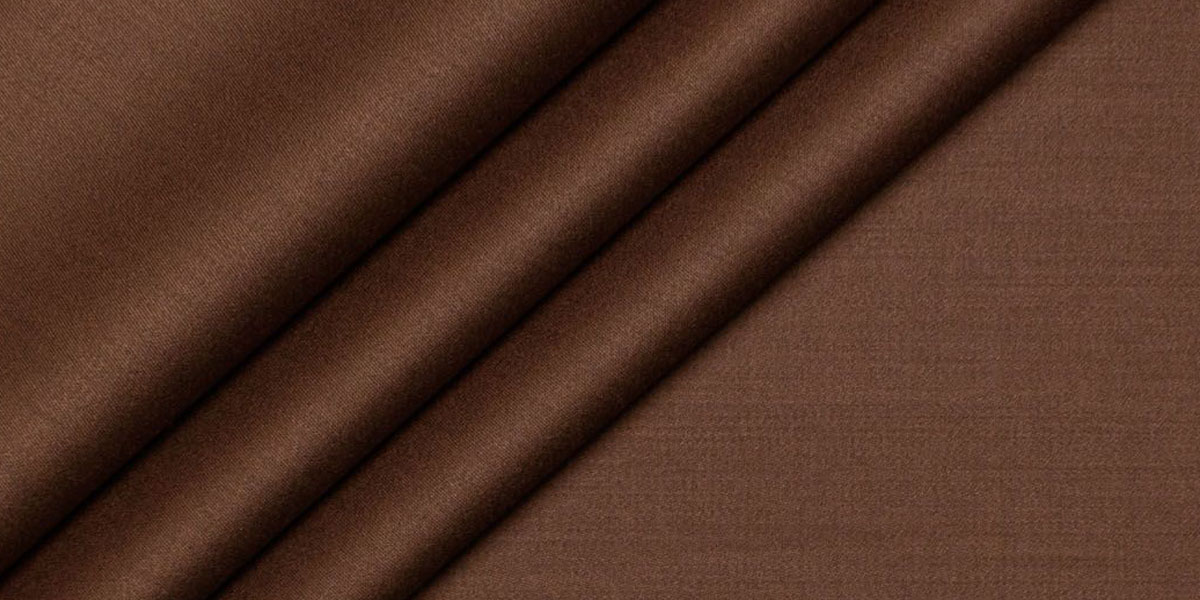
When I select a premium suit, I often choose worsted wool. Worsted wool stands out because of its unique processing.
- Manufacturers use long-staple wool fibers, which they comb and align in parallel.
- This process removes short and broken fibers, creating a smooth, tight, and shiny yarn.
- The result is a fabric that feels sleek and looks polished.
Worsted wool differs from woolen cloth, which uses shorter fibers and a carding process that leaves the yarn soft and fuzzy.
Advantages of Worsted Wool
I value worsted wool for its many benefits. This suit fabric breathes well and wicks away moisture, so I stay comfortable even during long meetings. The fibers bounce back, which helps my suit resist wrinkles and keep a crisp look all day. When I touch a high-quality worsted wool suit, I notice the fine, smooth texture. It feels luxurious and looks elegant, making it perfect for business or formal events. Worsted wool also resists odors and stains, which adds to its practicality.
Tip: Choose worsted wool for a polished appearance and comfort that lasts from morning to night.
Potential Downsides
Worsted wool does have some drawbacks.
| Aspect | Worsted Wool | Woolen Cloth |
|---|---|---|
| Cost | Higher initial cost ($180–$350/yard) | Lower initial cost ($60–$150/yard) |
| Lifespan | Longer (5–10 years) | Shorter (3–5 years) |
| Maintenance | Easier to maintain; resists pilling, traps less lint; requires light brushing or vacuuming | Requires more frequent brushing and upkeep |
I pay more upfront for worsted wool, but it lasts longer and needs less care. I still handle it gently, wash it with warm water, and protect it from strong light to avoid fading. Wool can attract insects, so I store my suits carefully.
When to Choose Worsted Wool Suit Fabric
I reach for worsted wool suits in many situations. This fabric adapts to changing temperatures, so I wear it in spring, autumn, and even cool summer days. For formal business meetings, weddings, or any event where I want to look sharp, worsted wool is my top pick. Lighter tropical worsted wool works well for outdoor summer events, offering breathability and a refined look. I avoid it only in very hot or humid weather, where lighter fabrics might feel cooler.
Blended Suit Fabric – Comfort and Durability
Common Suit Fabric Blends
When I look for versatility in my wardrobe, I often choose blended fabrics. The table below shows the most popular blends I see in suits and their typical fiber compositions:
| Blended Suit Fabric | Typical Fiber Composition | Key Properties and Uses |
|---|---|---|
| Polyester-Wool Blends | 55/45 or 65/35 polyester to wool | Wrinkle resistance, durability, warmth; less prone to shrinking; cost-effective; used mainly in suiting and winter clothing |
| Polyester-Viscose Blends | Polyester + viscose + 2-5% elastane (optional) | Combines strength, drape, wrinkle resistance; comfortable with good recovery; widely used in formal wear including suits |
How Blends Affect Performance
I notice that blended suit fabrics combine the best features of natural and synthetic fibers.
- Blends with polyester add strength and wrinkle resistance.
- Adding wool or viscose increases softness and breathability.
- Some blends include elastane for extra stretch and comfort.
- These fabrics often cost less than pure wool but still look professional.
Pros and Cons of Blended Suit Fabric
From my experience, blended fabrics offer several advantages and a few drawbacks:
- Enhanced strength and wrinkle resistance make suits last longer.
- Customizable qualities allow for stretch or luxury finishes.
- Cost efficiency helps me stay within budget.
- Aesthetic variety gives me more choices in color and texture.
Note: Blended fabrics may not feel as luxurious as pure wool, especially if synthetic fibers dominate the mix.
Ideal Situations for Blended Suit Fabric
I recommend blended suit fabrics for busy professionals who need easy-care clothing.
- Wool-synthetic blends work well for business attire, especially in colder climates.
- Cotton-polyester blends are great for uniforms and medical wear.
- Blended fabrics suit anyone who values durability, comfort, and a crisp appearance with minimal maintenance.
How to Choose the Right Suit Fabric
Matching Suit Fabric to Occasion
When I select a suit, I always match the fabric to the event. I consider the formality, venue, and time of day. For weddings, I choose a fabric and style that fit the level of formality. If the wedding is black-tie, I pick a tuxedo with a luxurious material. For outdoor or beach weddings, I prefer lighter blazers made from linen or cotton. I avoid black unless I am the groom and follow any color guidelines from the couple. Navy and gray work well for most weddings, especially in summer.
For interviews and business meetings, I rely on formal, subdued fabrics and colors. Wool suits in navy, charcoal, or pinstripes help me look professional. I choose single-breasted suits with subtle patterns. I avoid bold colors and flashy designs. Fit and personal style matter, but I stay within the boundaries of the occasion.
- Weddings: Match fabric and style to formality, venue, and season.
- Interviews/Business: Choose wool, navy, charcoal, or pinstripe for a classic look.
- Always consider time of day, venue, and weather.
Tip: I always check the invitation or ask the host about dress codes before choosing my suit fabric.
Considering Climate and Season
I pay close attention to climate and season when picking a suit. In winter and autumn, I choose heavier, insulating fabrics like wool, tweed, or flannel. These materials keep me warm and comfortable. I prefer deeper colors such as black, navy, or gray, and subtle patterns like pinstripes or checks.
Spring calls for lighter, breathable fabrics. I often wear cotton, linen, or lightweight wool. Pastel colors and vibrant shades suit the season. In summer, I prioritize cool, airy fabrics like linen, seersucker, and lightweight cotton. Light colors such as white, light gray, or pastels help me stay comfortable. I sometimes pick bolder patterns for summer events.
Advances in textile technology give me more options. Modern blends combine wool and synthetics, offering stretch, wrinkle resistance, and improved comfort. Some fabrics now feature water resistance and temperature regulation, which help me stay comfortable in changing weather.
Comfort, Style, and Personal Preference
Comfort and style guide my choices. I look for high-quality natural fibers like fine wool, cashmere, silk, cotton, and linen. These materials feel soft and breathe well. I pay attention to the milling process, which affects texture and drape. Premium dyeing and finishing add color consistency and smoothness.
| Factor | Description |
|---|---|
| Raw Materials | Fine wool, cashmere, silk, cotton, linen enhance comfort and style. |
| Milling Process | Precise milling improves texture, drape, and durability. |
| Dyeing & Finishing | Premium dyeing adds color consistency and smoothness. |
| Fabric Drape | Good drape helps the suit fit elegantly. |
| Fabric Luster | Subtle sheen shows quality and sophistication. |
I choose natural fibers for breathability, especially in warm weather. The weave and weight of the fabric affect air circulation. Less lining in the jacket increases ventilation. I avoid synthetic fibers because they trap moisture and odor. Custom tailoring ensures my suit fits well and feels comfortable.
- Wool suits offer breathability and softness.
- Merino wool provides moisture-wicking and comfort.
- Worsted wool gives smoothness and durability.
- Tweed suits work well in cooler seasons.
- Silk, linen, and cotton offer different looks and comfort levels.
Budget and Maintenance
Budget and maintenance play a big role in my decision. I compare entry-level, mid-range, and high-end options. If I have a tight budget, I choose wool-polyester blends with basic weaves. These fabrics offer decent durability and low maintenance. For better feel and longevity, I invest in pure wool with finer fibers.
| Factor | Low Maintenance Fabrics | High Maintenance Fabrics |
|---|---|---|
| Fabric Types | Synthetic blends, darker colors, tighter weaves, wrinkle-resistant treatments | Pure wool, lighter colors, looser weaves, delicate natural fibers |
| Budget Category | Entry-level: wool-polyester blends, basic weaves, decent durability | Mid-range: pure wool, finer fibers, better finish |
| | High-end: premium natural fibers, finest weave, superior finish |
I select low maintenance fabrics if I have limited time for care. Synthetic blends and darker colors resist wrinkles and stains. High maintenance fabrics like pure wool need more care, such as brushing and gentle washing. My lifestyle and care commitment influence my choice.
Note: I always check care labels and follow recommended cleaning methods to extend the life of my suit fabric.
Conclusion and Suit Fabric Buying Tips
Quick Reference Chart: Suit Fabric at a Glance
I often use a quick chart to compare different fabrics before making a decision. This helps me match the right material to my needs.
| Fabric Type | Best For | Key Benefits | Watch Out For |
|---|---|---|---|
| Worsted Wool | Business, Formal Wear | Breathable, durable, elegant | Higher cost, needs care |
| TR Blends | Daily, Travel, Uniforms | Wrinkle-resistant, easy care | Less luxurious feel |
| Linen | Summer, Casual Events | Lightweight, cool | Wrinkles easily |
| Tweed/Flannel | Fall/Winter | Warm, textured, stylish | Heavy, less breathable |
| Mohair Blends | Travel, Office | Holds shape, resists wrinkles | Less soft, cooler feel |
Essential Care Tips for Suit Fabric
I always follow these steps to keep my suits looking sharp and lasting longer:
- Rotate suits and allow at least 24 hours between wears to prevent fabric fatigue.
- Use broad-shouldered wooden hangers to keep the jacket’s shape.
- Store suits in breathable garment bags and add cedar blocks to protect from moths.
- Clean suits gently with a lint roller or soft brush; limit dry cleaning to 2-3 times per year.
- Steam suits to remove wrinkles, but avoid direct high heat.
- Hang trousers by the waistband and avoid overloading pockets.
- Inspect for loose threads or buttons and repair them quickly.
Tip: Always clean your suit before storing it for a season to prevent stains and fabric damage.
Final Advice for Selecting Suit Fabric
When I choose a suit, I focus on quality over just the Super number. I find that Super 130s wool offers a great balance between luxury and durability for daily wear. I always match the fabric to the season and purpose. For summer, I pick linen or tropical wool. In winter, I prefer tweed or flannel. For business travel, I trust mohair blends for their wrinkle resistance. If I want a bold look, I make sure the fabric stands out but still feels comfortable. When I feel unsure, I consult a skilled personal clothier to help me find the best option.
Remember: Trust reputable sellers, buy enough fabric for your needs, and always test how the fabric reacts to heat before tailoring.
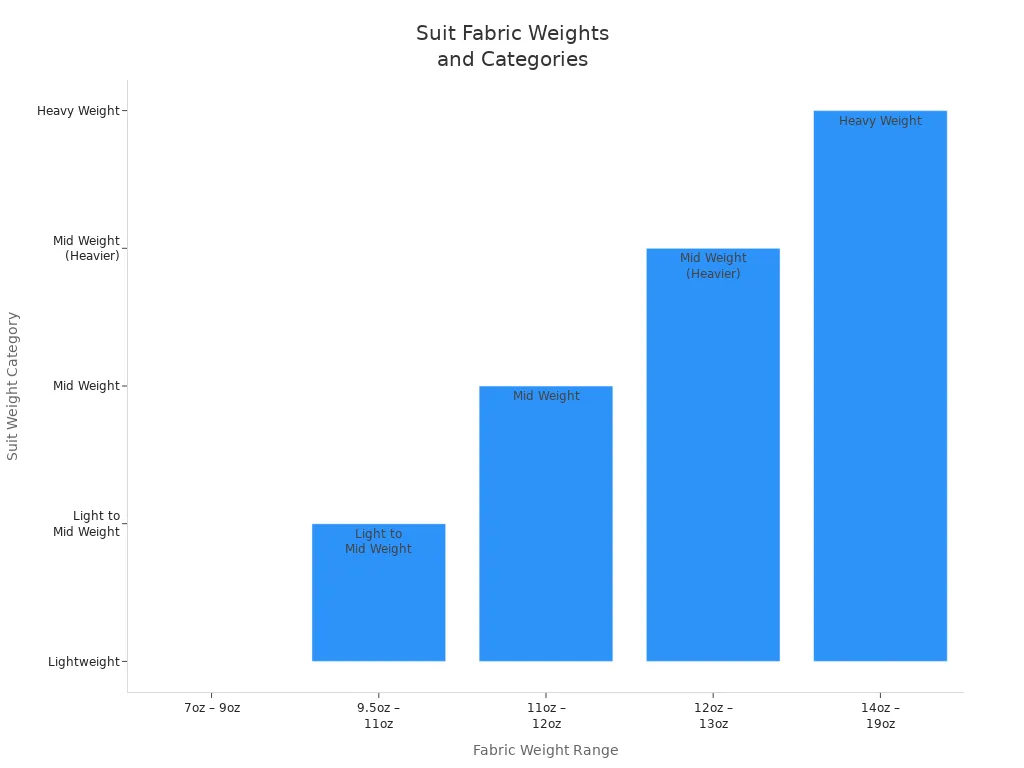
I always match my suit to the season, occasion, and my style. The right fabric weight keeps me comfortable and sharp year-round.
| Fabric Weight Range | Suit Weight Category | Seasonal Suitability & Characteristics |
|---|---|---|
| 7oz – 9oz | Lightweight | Ideal for hot climates and summer; breathable and cool |
| 9.5oz – 11oz | Light to Mid Weight | Suitable for transitional seasons |
| 11oz – 12oz | Mid Weight | Versatile for most of the year |
| 12oz – 13oz | Mid Weight (Heavier) | Good for about eight months |
| 14oz – 19oz | Heavy Weight | Best for cold autumn and winter |
I keep my suits fresh by spot cleaning, steaming, and storing them on sturdy hangers. These habits help my wardrobe last.
FAQ
What is the best suit fabric for hot weather?
I choose linen or lightweight cotton for summer. These fabrics keep me cool and comfortable.
Tip: Linen wrinkles easily, so I steam my suit before wearing it.
How do I prevent my suit from wrinkling during travel?
I roll my suit jacket instead of folding it. I use a garment bag for extra protection.
- I hang my suit as soon as I arrive.
Can I wash my suit at home?
I avoid machine washing my suits. I spot clean stains and use a steamer for wrinkles.
| Method | Suit Type | Recommended? |
|---|---|---|
| Machine Wash | Wool, Blends | ❌ |
| Spot Clean | All Fabrics | ✅ |
| Steaming | All Fabrics | ✅ |
Post time: Aug-20-2025