
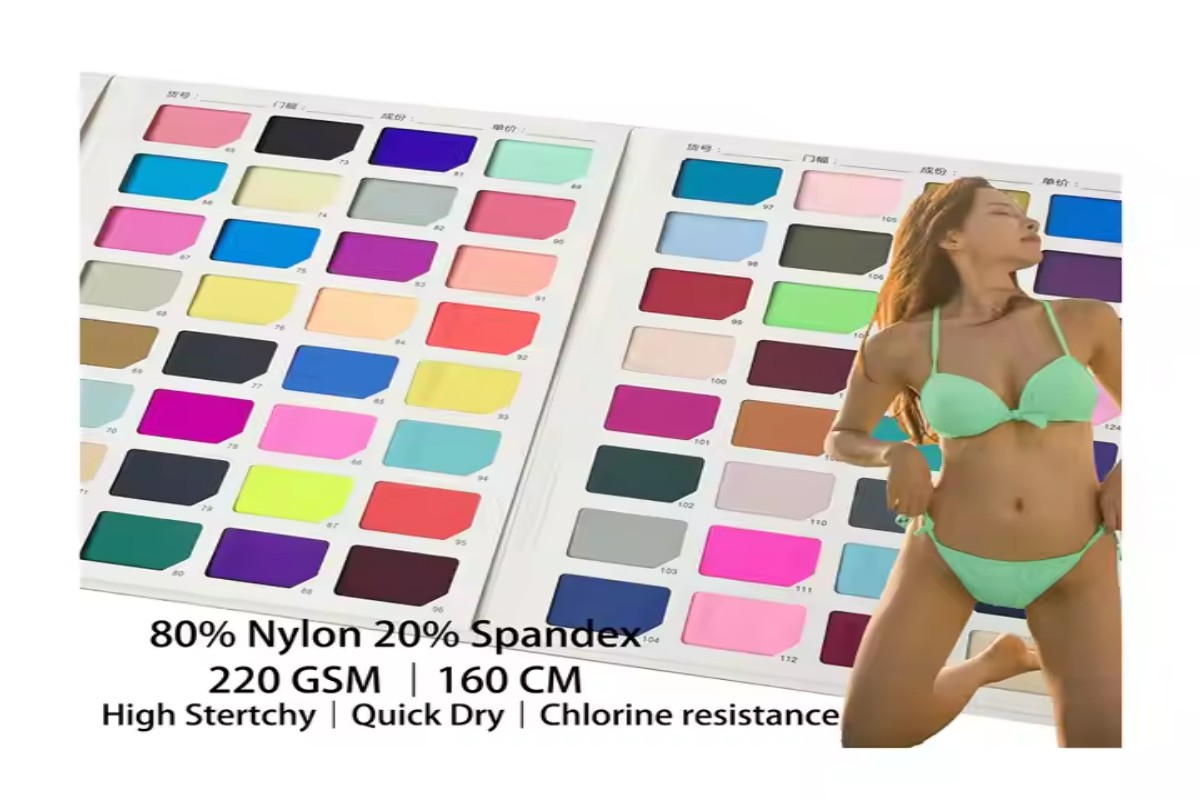
Nylon spandex fabric Australia offers unparalleled versatility for a variety of clothing projects. Its distinctive combination of stretch and durability makes it perfect for garments that demand flexibility, such as activewear and swimwear. The 4 way stretch nylon fabric delivers remarkable elasticity, ensuring an impeccable fit and superior comfort. Moreover, the lightweight properties of stretch nylon knit fabric enable breathable and moisture-wicking designs, making it ideal for use across different climates. When it comes to swimwear, nylon swimwear knit fabric excels with its resistance to chlorine and wear. Selecting the right nylon stretch fabric guarantees your project achieves both practicality and style.
Key Takeaways
- Nylon spandex fabric stretches well and lasts long. It is great for sportswear and swimsuits. Pick this fabric for clothes needing stretch and comfort.
- Think about the clothing type and fabric thickness before choosing nylon spandex. Matching the fabric to your needs gives good use and looks.
- Look for eco-friendly options like recycled nylon spandex blends. These choices are just as good and help the environment.
Key Properties of Nylon Spandex Fabric
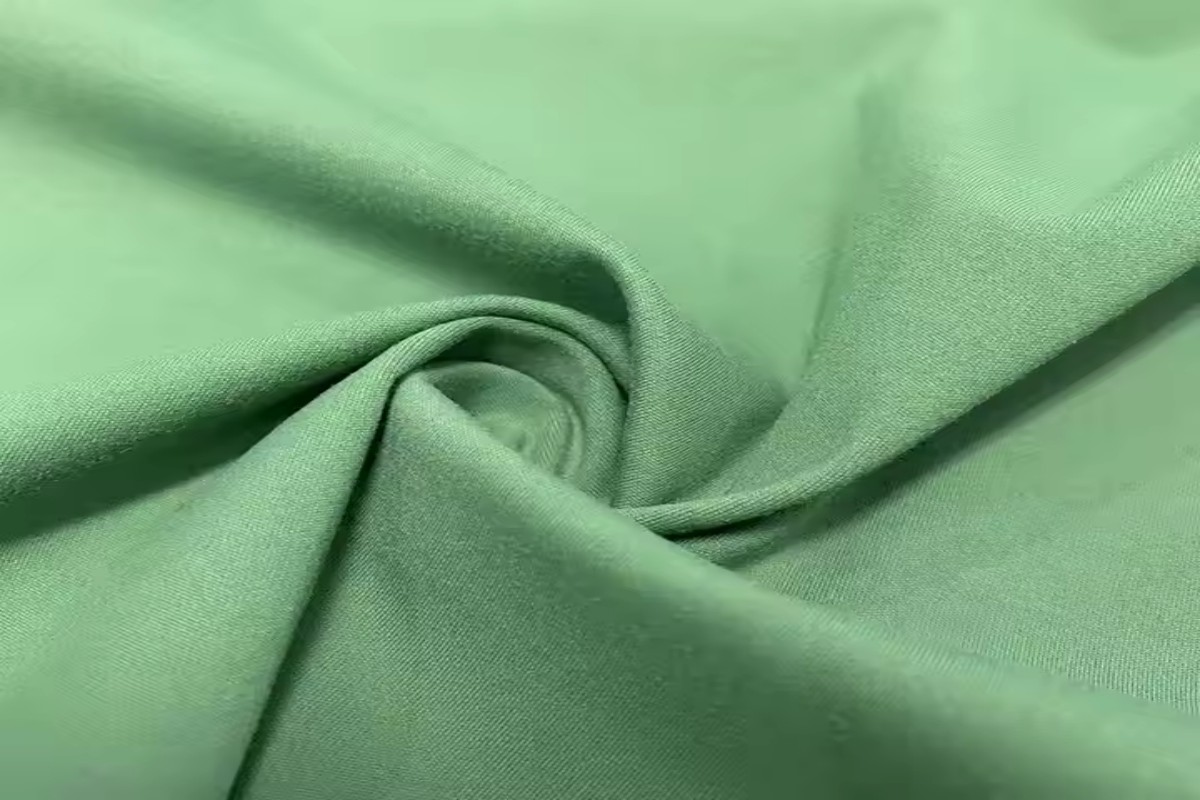
Stretchability and Elasticity
When I work with nylon spandex fabric, its stretchability always stands out. This fabric offers exceptional elasticity, which allows garments to move with the body rather than against it. Whether designing activewear or swimwear, I find the 4-way stretch capability ensures a snug yet comfortable fit. It adapts to various body shapes, making it a preferred choice for form-fitting clothing. The elasticity also contributes to the fabric’s recovery, meaning it retains its shape even after repeated use.
Durability and Resistance to Wear
Durability is another reason I often choose nylon spandex fabric. Its resistance to wear and tear makes it ideal for garments subjected to frequent movement or stress. For instance, activewear crafted from this material withstands rigorous workouts without losing its integrity. Additionally, its resistance to abrasions and pilling ensures the fabric maintains a polished appearance over time.
Breathability and Moisture-Wicking
I appreciate how nylon spandex fabric balances breathability with moisture-wicking properties. It allows air to circulate, keeping the wearer cool and comfortable. At the same time, it efficiently wicks away sweat, making it an excellent choice for warm climates or high-intensity activities. This dual functionality enhances the overall comfort of the garment.
Lightweight and Comfort
The lightweight nature of nylon spandex fabric adds to its appeal. I find it particularly useful for creating garments that feel barely there, such as leggings or swimwear. Its soft texture and flexibility ensure maximum comfort, even during extended wear.
Versatility for Various Garments
One of the most versatile fabrics I’ve worked with is nylon spandex. It adapts seamlessly to a wide range of garments, from casual wear to performance gear. Its adaptability allows me to experiment with different designs, ensuring the fabric meets the specific needs of each project. Whether crafting yoga pants or stylish dresses, nylon spandex fabric australia consistently delivers.
Factors to Consider When Choosing Nylon Spandex
Type of Garment (e.g., activewear, swimwear, casual wear)
When selecting nylon spandex fabric, I always start by considering the type of garment I plan to create. Activewear demands a fabric with excellent stretch and recovery to support movement. Swimwear, on the other hand, requires a material resistant to chlorine and saltwater. For casual wear, I prefer a softer blend that prioritises comfort over performance. Matching the fabric’s properties to the garment’s purpose ensures the final product meets both functional and aesthetic expectations.
Fabric Weight and GSM (Grams per Square Metre)
Fabric weight plays a crucial role in determining the garment’s feel and suitability. I often check the GSM, which measures the fabric’s density. Lightweight options work well for breathable leggings or summer dresses, while heavier fabrics provide the structure needed for compression garments. Understanding GSM helps me choose the right material for the desired outcome.
Blend Percentages (Nylon vs Spandex ratio)
The nylon-to-spandex ratio significantly impacts the fabric’s performance. A higher spandex percentage increases stretch and flexibility, ideal for form-fitting designs. Conversely, a higher nylon content enhances durability and resistance to wear. I always evaluate the blend to ensure it aligns with the garment’s requirements.
Colour, Print, and Texture Options
A fabric’s appearance is just as important as its functionality. I explore colour, print, and texture options to match the design vision. Nylon spandex fabric australia offers a wide variety, from vibrant solids to intricate patterns. Textured finishes can add depth and uniqueness to the garment, making it stand out.
Budget and Cost Considerations
Budget constraints often influence my fabric choices. While premium blends may offer superior performance, they can be costly. I balance quality and affordability by sourcing materials from reputable suppliers. Investing in high-quality fabric ensures the garment’s longevity, making it a worthwhile expense.
Practical Tips for Evaluating and Purchasing Nylon Spandex Fabric Australia
Ordering Fabric Samples
I always recommend ordering fabric samples before committing to a large purchase. Samples allow me to assess the texture, stretch, and overall quality of the material. They also help me visualise how the fabric will work for my specific project. Many suppliers offer sample swatches at a minimal cost, which is a small price to pay for avoiding costly mistakes. I find this step particularly useful when exploring new suppliers or unfamiliar blends of nylon spandex fabric australia.
Reading and Understanding Fabric Labels
Fabric labels provide essential information about the material’s composition and care requirements. I make it a habit to read these labels carefully. They often include details about the nylon-to-spandex ratio, GSM, and recommended washing instructions. Understanding these specifications helps me select a fabric that aligns with my project’s needs. For instance, a higher spandex content is ideal for garments requiring greater elasticity.
Testing Stretch and Recovery
When evaluating nylon spandex fabric, I always test its stretch and recovery. I gently pull the fabric in multiple directions to check its elasticity. After releasing it, I observe how well it returns to its original shape. A high-quality fabric should recover quickly without sagging or losing its form. This test ensures the material will maintain its fit and durability over time.
Checking for Transparency and Sheerness
Transparency can be a concern, especially for form-fitting garments. I hold the fabric up to the light to check for sheerness. For added assurance, I stretch the material slightly to see if it becomes too transparent. This step helps me avoid fabrics that might compromise the garment’s functionality or aesthetic appeal.
Shopping from Reputable Suppliers
I always prioritise purchasing from reputable suppliers. Reliable vendors offer consistent quality and provide accurate product descriptions. Many also specialise in nylon spandex fabric australia, ensuring a wide range of options tailored to different needs. I often read reviews or seek recommendations to identify trustworthy suppliers. This approach saves time and ensures I receive high-quality materials.
Care and Maintenance for Longevity
Washing and Drying Guidelines
Proper washing and drying techniques significantly extend the life of nylon spandex garments. I always recommend using cold water and a gentle detergent when washing. Harsh chemicals or bleach can weaken the fibres, reducing elasticity. For machine washing, I place the garments in a mesh laundry bag to prevent snagging. Hand washing is even better for delicate items.
When drying, I avoid tumble dryers as the heat can damage the fabric. Instead, I lay the garments flat on a clean surface or hang them in a shaded area. Direct sunlight can fade colours and degrade the material over time.
Tip: Always check the care label for specific washing instructions tailored to the fabric blend.
Avoiding Heat Damage
Heat is the enemy of nylon spandex. I steer clear of ironing these garments, as high temperatures can cause the fibres to melt or lose their stretch. If wrinkles appear, I use a steamer on a low setting or hang the garment in a steamy bathroom to relax the fabric.
Proper Storage to Maintain Elasticity
Storing nylon spandex properly ensures its elasticity remains intact. I fold the garments neatly and place them in a drawer or on a shelf. Hanging them for long periods can stretch the fabric, especially at the shoulders. For long-term storage, I use breathable fabric bags to protect against dust and moisture.
Tips for Repairing Minor Damage
Small tears or loose threads don’t mean the end of a garment. I use a needle and thread to repair minor damage, ensuring the stitches are small and tight to maintain the fabric’s integrity. For larger issues, I consult a professional tailor.
Note: Regular maintenance prevents minor issues from escalating into irreparable damage.
Sustainable and Innovative Options in Nylon Spandex

Recycled Nylon Spandex Blends
I’ve noticed a growing demand for recycled nylon spandex blends in recent years. These fabrics use post-consumer or post-industrial waste, such as discarded fishing nets or fabric scraps, as raw materials. This process reduces the need for virgin nylon production, which is energy-intensive and relies on non-renewable resources. I often choose recycled blends for eco-conscious projects because they offer the same stretch, durability, and comfort as traditional nylon spandex.
Tip: Look for suppliers that clearly state the percentage of recycled content in their fabrics. This transparency ensures you’re making an informed choice.
Biodegradable Alternatives
Biodegradable nylon spandex is an exciting innovation I’ve explored. These fabrics are designed to break down more quickly in landfill conditions compared to conventional options. While they don’t compromise on performance, they significantly reduce long-term environmental impact. I find these alternatives particularly appealing for projects where sustainability is a priority.
Note: Proper disposal methods are still essential to maximise the benefits of biodegradable fabrics.
Innovations in Eco-Friendly Fabric Production
Advancements in fabric production have made nylon spandex more sustainable. I’ve come across processes that use renewable energy or reduce water and chemical usage during manufacturing. Some suppliers even employ closed-loop systems to recycle waste materials. These innovations not only lower the environmental footprint but also improve the overall quality of the fabric.
Certifications to Look For (e.g., GRS, OEKO-TEX)
Certifications provide a reliable way to verify a fabric’s sustainability. I always check for labels like the Global Recycled Standard (GRS) or OEKO-TEX certification. GRS ensures the recycled content meets strict environmental and social criteria. OEKO-TEX guarantees the fabric is free from harmful substances. These certifications give me confidence in the ethical and sustainable nature of my fabric choices.
Emoji Reminder:
Post time: Mar-28-2025