
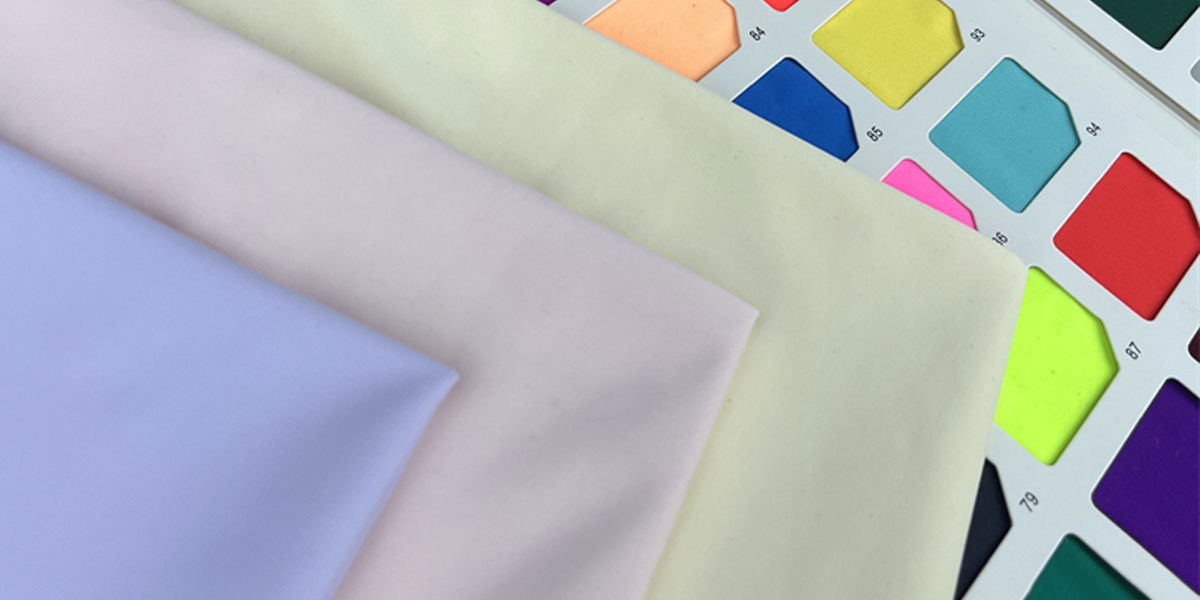
The “Urban Explorer” is the new target demographic for the global apparel industry. In 2026, consumers no longer want to choose between a stylish office jacket and a functional hiking shell—they want both. This has given rise to the Light Outdoor segment: fabrics that look like casual fashion but perform like technical gear. However, for many brands, the transition from “Fashion” to “Function” is a steep learning curve.
At Yunai Textile, we see a growing gap between marketing claims and technical reality. A “water-resistant” jacket that loses its performance after two washes is a liability. We believe in Altruistic Engineering: giving our clients the hard data and the “Early Warnings” they need to make honest, durable promises to their customers.
1. The DWR Decay: Managing “Water Repellency” Expectations
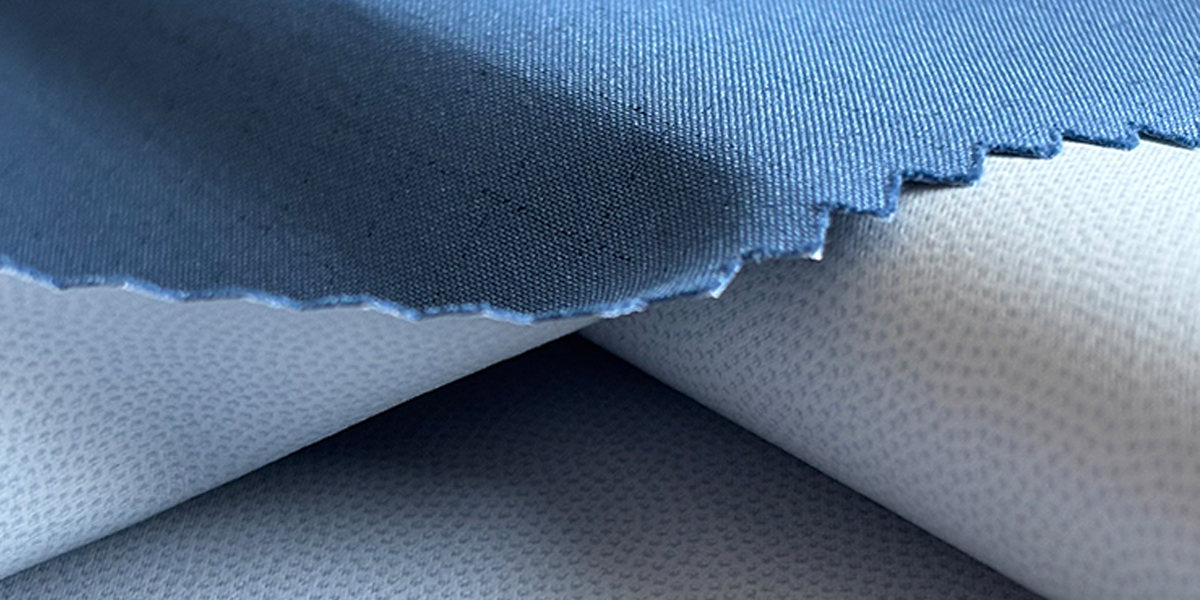
Most light outdoor fabrics are treated with Durable Water Repellent (DWR). This is the chemical finish that causes water to bead up and roll off the surface.
The Technical Reality: The “D” in DWR stands for “Durable,” but durability is relative. In the light outdoor market, many suppliers use low-cost C6 or PFC-free finishes that provide an initial “wow” factor but fail after 3 to 5 home launderings. If a brand markets a jacket as “Waterproof” when it is only “Water Repellent,” they face high return rates and negative reviews.
Our Altruistic Solution:
-
The Pre-Warning: We provide a “Wash-Performance Curve.” We warn the client if a specific fabric construction (like a smooth nylon) will experience faster DWR decay compared to a textured ripstop.
-
The Mitigation: We utilize advanced High-Density Weaving combined with environmentally friendly C0 DWR that maintains a Grade 4.0 water repellency even after 20 washes. We provide the “After-Wash” test results so your marketing team can accurately describe the garment’s lifecycle to the consumer.
2. The UV Protection Trap: Why Color and Construction Matter
As “Sun-Protection Clothing” (UPF) becomes a summer staple, many brands assume that applying a UV-absorber finish is enough.
The Technical Reality: Ultraviolet Protection Factor (UPF) is determined more by the weave density and color than by chemical additives alone. A pale mint-green fabric will naturally have a lower UPF than a dark charcoal fabric of the same weight. Furthermore, if a fabric is stretched (as in a Spandex blend), the “pores” of the weave open up, allowing UV rays to pass through.
Our Altruistic Solution:
-
The Pre-Warning: When a client submits their color palette for a light outdoor collection, we provide a “UPF Risk Assessment.” We flag light colors that may fail to hit the “UPF 50+” target without excessive chemical loading.
-
The Mitigation: We offer UV-Dull yarns where the titanium dioxide (a natural UV blocker) is embedded inside the fiber during extrusion. This ensures the protection is permanent and doesn’t wash out, while maintaining a lightweight, breathable feel.
3. Lightweight vs. Longevity: The Tear Strength Dilemma
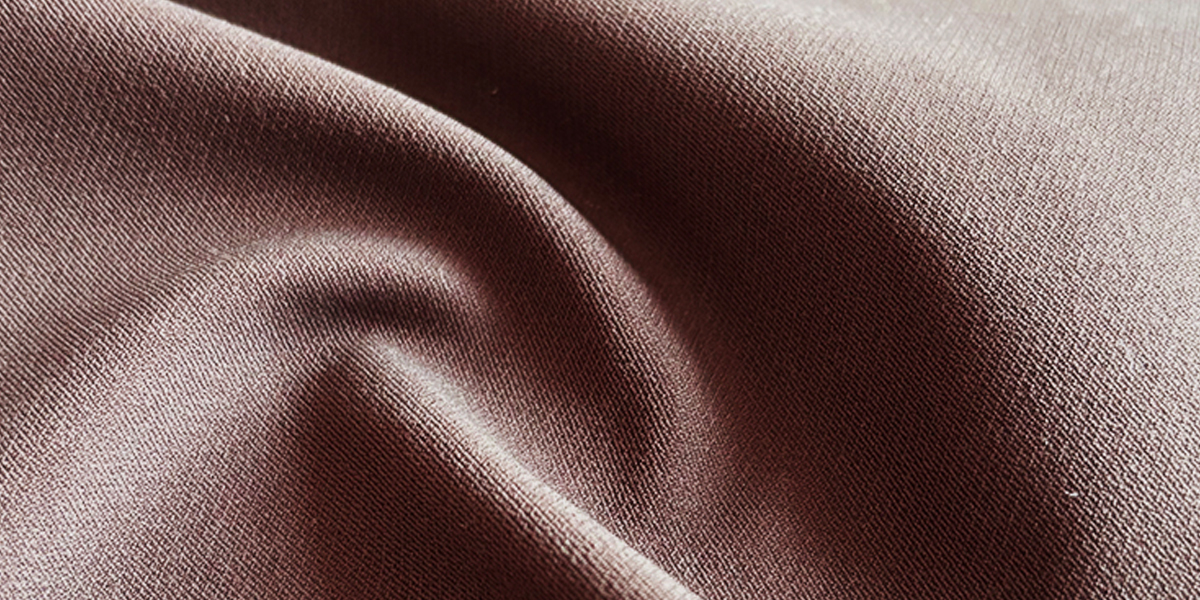
The market demand is for “Paper-light” fabrics (under 60gsm). However, light weight often comes at the cost of durability.
The Technical Reality: In the pursuit of “lightness,” yarn deniers are getting thinner (e.g., 10D or 15D). Without the correct weave reinforcement, these fabrics have poor Tear Strength. A snag on a backpack or a branch can result in a catastrophic rip that cannot be repaired.
Our Altruistic Solution:
-
The Pre-Warning: We test every lightweight development for Elmendorf Tear Strength. If a fabric falls below the 10N (Newton) threshold, we warn the client that it is unsuitable for “active” outdoor use and should be limited to “lifestyle” pieces.
-
The Mitigation: We recommend Micro-Ripstop constructions. By integrating a grid of stronger “reinforcement yarns” every few millimeters, we can maintain an ultra-light weight while preventing small punctures from turning into large tears.
4. Moisture Management: Avoiding the “Sauna Effect”
Light outdoor jackets are often coated with a thin layer of Acrylic or PU to provide wind resistance.
The Technical Reality: If the coating is too thick, the fabric becomes non-breathable. The wearer ends up wet from their own sweat—the “Sauna Effect.” Many buyers focus on the “Hydrostatic Head” (water pressure) but ignore the Breathability (g/m²/24h).
Our Altruistic Solution:
-
The Pre-Warning: We alert clients when a specific coating requested for windproofing will drop the breathability below 3,000g/m²/24h—the minimum for comfortable walking.
-
The Mitigation: We offer Microporous Coatings or “Mechanical Wind-Blocking” weaves that achieve 80% wind resistance while maintaining high air permeability. We provide a dual-performance report (Wind vs. Breathability) for every development.
Conclusion: Authentic Performance for the Modern Explorer
In the “Light Outdoor” red ocean, the winners are the brands that tell the truth. By identifying the limitations of DWR, the variables of UV protection, and the balance of strength versus weight, Yunai Textile ensures that your functional claims are backed by industrial-grade evidence. We don’t just supply fabric; we protect the “Technical Integrity” of your brand, ensuring that your customers stay protected, comfortable, and loyal to your vision.
Post time: Apr-09-2026