

Healthcare professionals depend on scrubs made from high-quality materials to perform their duties comfortably and safely. Selecting the ideal scrub fabric directly impacts hygiene, durability, and skin health during long shifts. Cotton and bamboo provide excellent options for natural fiber scrub fabric that feels soft and breathable. Choices in organic fiber scrub fabric, such as rayon, combine lightweight comfort with eco-friendly benefits. Polyester blends enhance durability and stain resistance, while innovations in skin friendly scrub fabric continue to gain traction. A recent study revealed that 72% of participants preferred scrubs made from eco friendly scrub fabric for male chiropractors, highlighting their widespread adoption.
Key Takeaways
- Pick cotton scrubs because they are soft and breathable. They help you stay cool during long, hot shifts.
- Go for polyester blends as they last longer and dry fast. These fabrics are tough and great for busy healthcare jobs.
- Think about eco-friendly choices like bamboo and Tencel. They are comfy and good for the planet, supporting green habits.
Popular Scrub Fabric Options
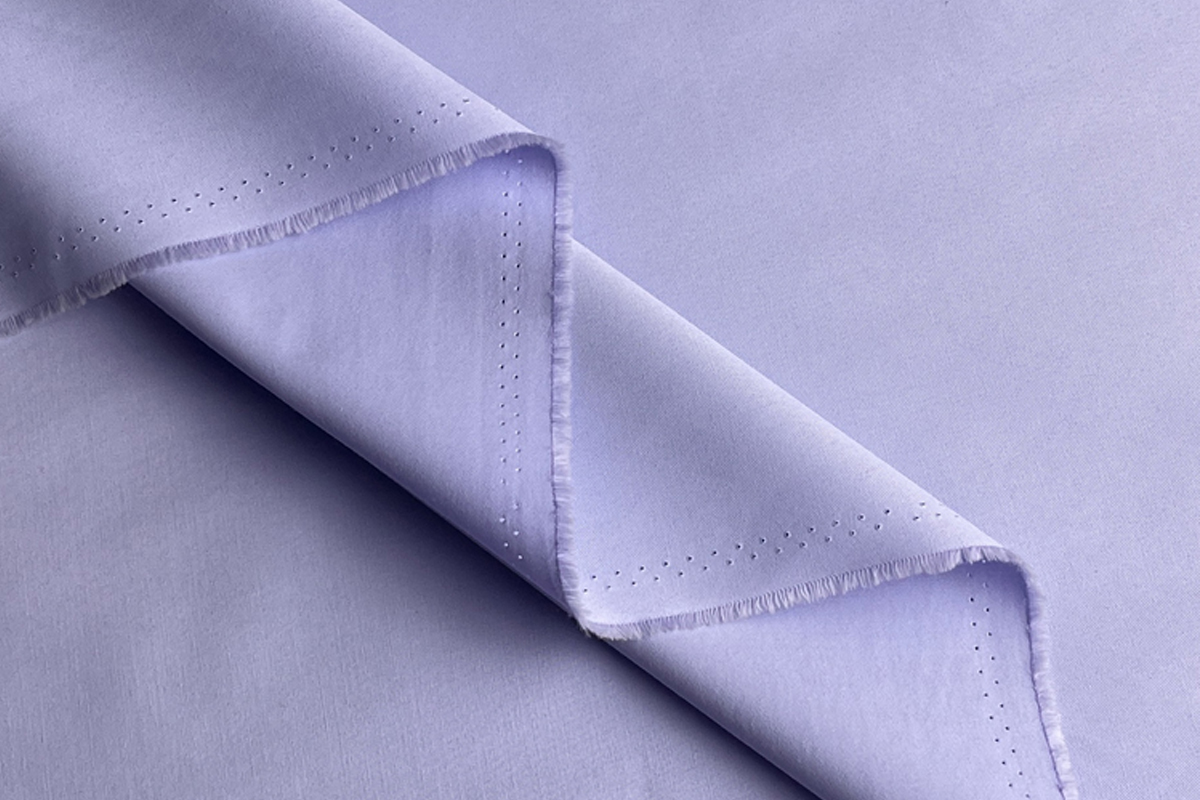
Cotton: Softness and Breathability
When it comes to comfort, cotton stands out as a top choice for scrub fabric. Its natural fibers provide exceptional breathability, making it ideal for long shifts in warm environments. I’ve noticed that cotton scrubs excel in thermal resistance, keeping wearers cool even during physically demanding tasks.
Cotton’s moderate durability ensures it withstands regular washing, though it may not match the longevity of synthetic options. According to market data, cotton remains a popular material in the medical scrubs industry, contributing significantly to its projected growth from USD 123.53 billion in 2024 to USD 173.72 billion by 2032. This growth reflects the enduring preference for cotton’s softness and comfort among healthcare professionals.
Tip: For those prioritizing breathability and a natural feel, cotton scrubs are an excellent choice, especially in hot climates.
Polyester and Polyester Blends: Durability and Moisture-Wicking
Polyester and its blends dominate the market for durable and functional scrubs. I’ve found that polyester scrubs resist wear and tear, making them perfect for healthcare workers who need reliable uniforms. Their moisture-wicking properties enhance comfort by drawing sweat away from the skin, which is especially beneficial during active shifts.
Polyester blends, often combined with spandex or rayon, offer additional softness and flexibility. A comparison of scrub fabrics highlights polyester’s high durability and moderate breathability, making it a practical choice for demanding roles.
| Fabric Type | Durability | Breathability |
|---|---|---|
| Polyester | High | Moderate |
| Cotton | Moderate | High |
Note: Polyester scrubs are ideal for professionals seeking low-maintenance, long-lasting uniforms that perform well under pressure.
Spandex and Stretch Fabrics: Flexibility and Comfort
Healthcare roles often require a full range of motion, and that’s where spandex and stretch fabrics shine. These materials provide unmatched flexibility, allowing scrubs to move with the body. I’ve observed that stretch fabrics are particularly popular among surgeons and physical therapists who need unrestricted movement.
Blending spandex with other materials, such as polyester or cotton, enhances both comfort and durability. This combination ensures that scrubs maintain their shape and elasticity even after repeated use. For high-movement roles, stretch fabrics are a game-changer.
Bamboo Fabric: Eco-Friendly and Comfortable
Bamboo fabric has gained traction as an eco-friendly alternative in the healthcare industry. Its natural fibers require minimal water and no harmful pesticides, making it a sustainable choice. I’ve noticed that bamboo scrubs feel incredibly soft against the skin, offering a level of comfort comparable to cotton.
Additionally, bamboo fabric is biodegradable, aligning with the growing demand for environmentally conscious products. Its breathability and moisture-wicking properties make it suitable for active healthcare settings. For professionals seeking sustainable options, bamboo scrubs provide both comfort and peace of mind.
Rayon and Tencel: Lightweight and Silky Options
Rayon and Tencel stand out for their lightweight and silky textures. Tencel, derived from wood pulp, offers natural breathability and moisture-wicking capabilities. I’ve found that these fabrics keep wearers cool and comfortable, even during long shifts.
The smooth surface of Tencel minimizes friction, reducing the risk of skin irritation. This makes it an excellent choice for individuals with sensitive skin. Rayon, on the other hand, combines a luxurious feel with affordability, making it a popular option for stylish yet functional scrubs.
Tip: If you’re looking for scrubs that feel light and luxurious, consider options made from rayon or Tencel.
Factors to Consider When Choosing Scrub Fabric
Comfort and Softness for Long Shifts
Healthcare professionals often work long hours, making comfort a top priority when selecting scrub fabric. I’ve noticed that fabrics like cotton and bamboo excel in providing softness, which reduces skin irritation during extended wear. These materials feel gentle against the skin, making them ideal for individuals with sensitive skin.
Stretch fabrics, such as those blended with spandex, also enhance comfort by allowing unrestricted movement. This flexibility is particularly beneficial for roles requiring frequent bending or lifting. For me, the right scrub fabric should feel like a second skin, ensuring I can focus on my tasks without distractions.
Tip: Prioritize fabrics with a smooth texture and natural breathability to stay comfortable throughout your shift.
Durability and Resistance to Wear and Tear
Scrubs endure frequent washing and exposure to harsh cleaning agents, so durability is non-negotiable. Polyester and polyester blends stand out for their ability to resist wear and tear. I’ve found that these fabrics maintain their integrity even after repeated use, making them a cost-effective choice.
Durability tests, such as those outlined by ASTM standards, provide valuable insights into fabric performance. For example, the Grab Tensile Test (ASTM D5034) measures fabric strength, while the Trapezoidal Tear Test (ASTM D1117) evaluates resistance to tearing. The table below highlights some key durability tests used to assess scrub fabrics:
| Test Method | Description |
|---|---|
| Basis weight | Evaluates fabric thickness and durability (ASTM D3776). |
| Grab Tensile (MD & XD) | Measures fabric strength (ASTM D5034, ASTM D5035). |
| Trapezoidal Tear (MD & XD) | Assesses tear resistance of nonwoven fabrics (ASTM D1117). |
| Moisture Vapor Transmission Rate (MVTR) | Evaluates moisture management (ASTM E96). |
| Bacterial Filtration Efficiency | Measures ability to filter bacteria (ASTM F2101). |
Choosing a fabric that scores well in these tests ensures your scrubs can withstand the demands of a healthcare environment.
Breathability and Moisture-Wicking for Active Roles
Active roles in healthcare require fabrics that keep you cool and dry. Traditional cotton scrubs offer excellent breathability but tend to absorb moisture, which can lead to discomfort during long shifts. Modern synthetic fabrics, such as microfiber and spandex blends, have revolutionized moisture management. These materials wick sweat away from the skin, keeping you comfortable and focused.
I’ve also come across advanced options like VESTEX® Active Barrier fabric, which combines breathability with antimicrobial properties. This innovative material not only enhances comfort but also provides an added layer of safety by inhibiting bacterial growth. For active roles, selecting a scrub fabric with superior moisture-wicking capabilities is essential.
Antimicrobial Properties for Hygiene and Safety
In healthcare settings, hygiene is paramount. Fabrics with antimicrobial properties offer an extra layer of protection by reducing the growth of bacteria and other pathogens. I’ve observed that materials like VESTEX® are particularly effective, as they integrate antimicrobial agents directly into the fabric.
These properties are especially crucial for professionals working in high-risk areas, such as operating rooms or infectious disease units. Antimicrobial fabrics not only enhance safety but also reduce odors, ensuring you feel fresh throughout your shift. For me, investing in scrubs with these features is a smart choice for both hygiene and peace of mind.
Note: Look for scrubs labeled as antimicrobial to ensure optimal protection in demanding healthcare environments.
Ease of Maintenance and Stain Resistance
Scrubs often face spills, stains, and frequent washing, so ease of maintenance is a critical factor. Polyester blends are a standout choice for their stain-resistant properties and low-maintenance care. I’ve found that these fabrics are less likely to absorb liquids, making them easier to clean.
Cotton-polyester blends strike a balance between comfort and practicality. They combine the softness of cotton with the durability and stain resistance of polyester. For busy professionals, choosing a fabric that resists stains and requires minimal upkeep can save valuable time and effort.
Tip: Opt for fabrics with stain-resistant finishes to keep your scrubs looking professional with minimal effort.
Best Scrub Fabrics for Specific Needs
Lightweight Fabrics for Hot Climates
Working in hot climates demands scrubs that keep you cool and comfortable. Lightweight fabrics like cotton and rayon excel in these conditions. I’ve noticed that their breathable nature allows air to circulate, preventing overheating during long shifts. Tencel, derived from wood pulp, also offers a lightweight feel with moisture-wicking properties, making it a great choice for humid environments.
For me, choosing a lightweight scrub fabric ensures I stay focused and energized, even in the most challenging temperatures. These fabrics not only enhance comfort but also reduce the risk of skin irritation caused by excessive sweating.
Insulating Fabrics for Cold Environments
Healthcare professionals working in colder settings need scrubs that provide warmth without compromising mobility. Insulating fabrics like fleece-lined polyester blends or thicker cotton options are ideal. I’ve found that these materials trap body heat effectively, keeping you warm during extended shifts in chilly environments.
Layering with insulating scrubs also allows for flexibility, enabling you to adapt to varying temperatures throughout the day. For cold environments, selecting scrubs with thermal properties ensures both comfort and functionality.
Stretch Fabrics for High-Movement Roles
High-movement roles, such as those in surgery or physical therapy, require scrubs that move with the body. Stretch fabrics, often made by blending spandex with polyester or cotton, provide the flexibility needed for these demanding tasks. I’ve observed that these materials maintain their shape and elasticity, even after repeated use.
For me, stretch fabrics are indispensable in roles requiring frequent bending, lifting, or reaching. They enhance mobility and reduce strain, allowing healthcare professionals to perform their duties with ease.
Antimicrobial Fabrics for Surgery and High-Risk Areas
In surgical and high-risk areas, hygiene is critical. Antimicrobial fabrics offer an added layer of protection by inhibiting the growth of bacteria and fungi. I’ve seen how these fabrics reduce the risk of surgical site infections and maintain cleanliness throughout long shifts.
| Test Name | Description |
|---|---|
| ASTM E1115 | Evaluates the antimicrobial activity of surgical hand scrubs over extended use, simulating multiple washes during a shift. |
| ASTM E2315 | Provides a standard procedure to measure the rate of kill of microbes, crucial for public health safety. |
These fabrics not only enhance safety but also minimize odors, ensuring a fresh and professional appearance. For high-risk areas, antimicrobial scrub fabric is a must-have.
Sustainable Fabrics for Eco-Conscious Professionals
Sustainability is becoming a priority for many healthcare professionals. Fabrics like bamboo and Tencel offer eco-friendly alternatives without compromising comfort or performance. I’ve noticed that these materials require fewer resources to produce and are biodegradable, aligning with environmentally responsible practices.
Reusable healthcare textiles significantly reduce environmental risks by lowering energy and water consumption, greenhouse gas emissions, and waste. Life cycle assessments (LCAs) indicate that reusable textiles can reduce solid waste by 84% to 97% compared to single-use items. The Association of Perioperative Registered Nurses (AORN) advocates for using LCA data in procurement decisions to promote environmentally responsible practices.
For me, choosing sustainable scrubs reflects a commitment to both personal and environmental well-being. These fabrics provide a balance of comfort, durability, and eco-consciousness.
Emerging Trends in Scrub Fabric Technology
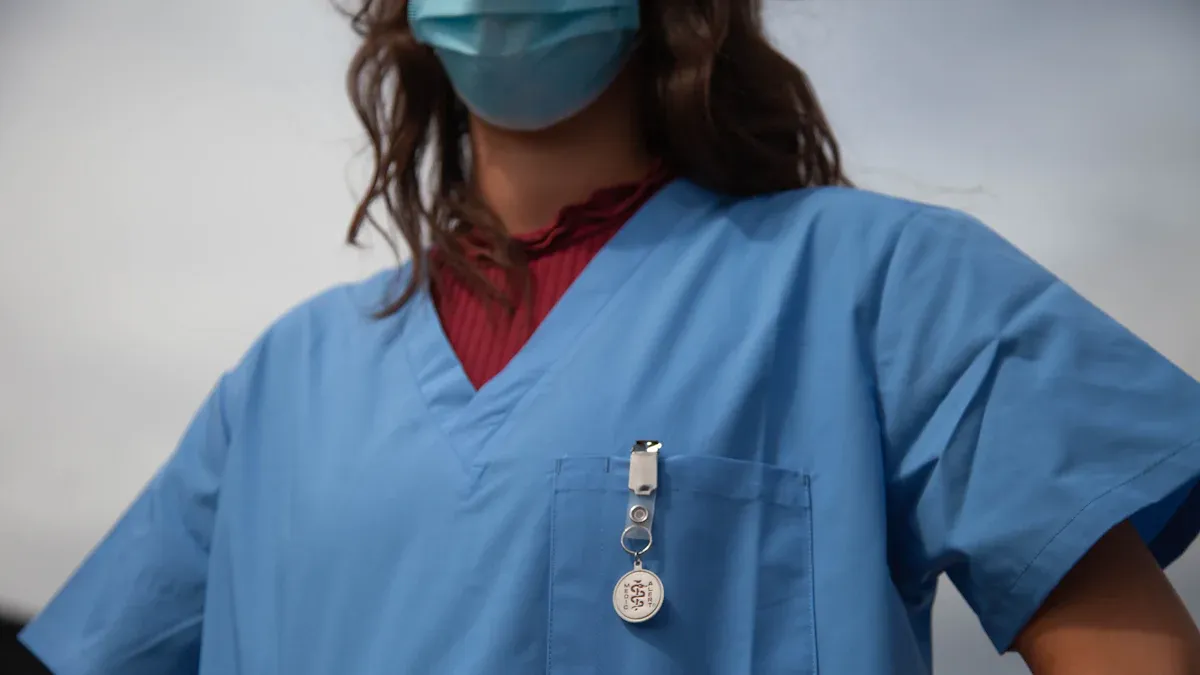
Smart Fabrics with Integrated Technology
Smart fabrics are revolutionizing healthcare apparel by integrating advanced technology directly into the material. These fabrics can monitor vital signs, such as heart rate and temperature, in real time. I’ve seen how this innovation enhances patient care, especially in clinical settings where continuous monitoring is essential. For example, wearable technology now accounts for 39.6% of the smart fabric market, driven by the demand for bio-monitoring solutions.
| Segment | Market Share (%) | Key Insights |
|---|---|---|
| Wearable Technology | 39.6 | Increasing demand for continuous health monitoring solutions. |
| Bio-Monitoring | 42.5 | Significant need for real-time monitoring of physiological parameters due to chronic conditions. |
| Hospitals & Clinics | 54.3 | High growth rate due to advanced monitoring technologies in clinical settings. |
The adoption of remote patient monitoring systems has grown by 23% in U.S. healthcare facilities, highlighting the importance of non-contact monitoring. These advancements not only improve efficiency but also reduce the risk of infection transmission.
Sustainable and Eco-Friendly Materials
Sustainability is becoming a cornerstone of scrub fabric innovation. I’ve noticed a shift toward materials like bamboo, Tencel, and recycled polyester, which offer eco-friendly alternatives without sacrificing performance. Bamboo, for instance, grows rapidly and requires fewer resources than cotton, though its processing can involve harmful chemicals.
The market for sustainable scrubs is expanding as more professionals prioritize environmental responsibility. Organic cotton and recycled fabrics are gaining traction, reflecting a broader trend toward reducing the environmental impact of healthcare apparel. This shift aligns with the growing demand for greener solutions in the industry.
Innovations in Antimicrobial and Odor-Resistant Fabrics
Modern scrubs now incorporate antimicrobial properties to enhance hygiene and safety. I’ve observed that fabrics embedded with silver alloy effectively prevent the spread of germs. These innovations also include moisture-wicking materials that repel fluids and reduce odors, ensuring comfort during long shifts.
- Antimicrobial fabrics kill bacteria like E. coli and S. aureus within hours of contact.
- Bamboo-polyester blends retain 92% of their softness after 50 washes, outperforming cotton-poly blends.
- These fabrics provide 50% longer odor resistance compared to treated polyester.
“In our hospital’s 6-month trial, bamboo scrubs reduced staff-reported skin irritations by 40% compared to previous uniforms.”
— Dr. Maria Gonzalez, Chief Nursing Officer, St. Luke’s Medical Center
Customizable and Adaptive Fabrics for Personalization
Personalization is another emerging trend in scrub fabric technology. Adaptive fabrics now adjust to environmental changes, such as temperature or humidity, ensuring optimal comfort. I’ve seen how customizable options allow healthcare professionals to select scrubs tailored to their specific needs, from fit to functionality.
Smart textiles, categorized into Passive and Active Smart Textiles, are leading this innovation. Passive textiles offer inherent properties, while active ones respond dynamically to external stimuli. This adaptability enhances both performance and user satisfaction, making it a game-changer in healthcare apparel.
Selecting the right scrub fabric plays a vital role in ensuring comfort, durability, and functionality in healthcare settings. Popular choices like cotton blends, bamboo, and advanced fabrics meet diverse needs and preferences.
Tip: Always prioritize your specific requirements, such as breathability, antimicrobial properties, or ease of maintenance, to find scrubs that best support your demanding role.
FAQ
What is the most durable fabric for scrubs?
Polyester and polyester blends offer the highest durability. These fabrics resist wear and tear, making them ideal for frequent washing and demanding healthcare environments.
Are bamboo scrubs suitable for sensitive skin?
Yes, bamboo scrubs feel soft and hypoallergenic. They minimize skin irritation, making them an excellent choice for individuals with sensitive skin or allergies.
How do I maintain antimicrobial scrubs?
Wash antimicrobial scrubs in cold water with mild detergent. Avoid bleach or fabric softeners to preserve their protective properties and extend their lifespan.
Post time: May-12-2025