
Best Fabric Structures for Pleated School Uniform Skirts
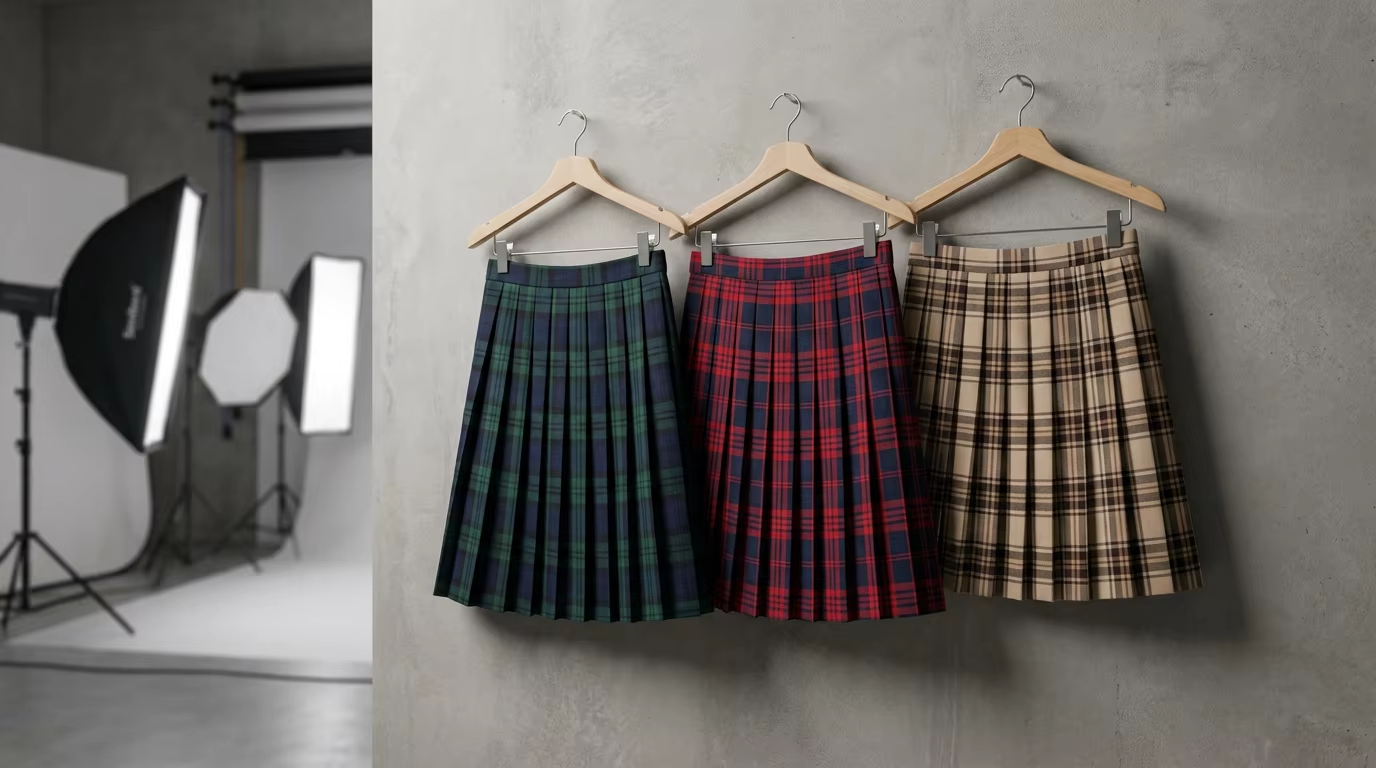
Pleated school uniform skirts remain one of the most iconic elements in modern school uniforms. From British-style plaid skirts to formal solid-color uniform skirts, pleated designs continue to dominate both private school and international school markets worldwide.
However, creating a pleated skirt that maintains its shape after months of daily wear is not simply about garment construction. The fabric itself plays the most important role.
For school uniform brands, wholesalers, and fabric distributors, selecting the right school uniform skirt fabric is essential for achieving long-lasting pleat definition, wrinkle resistance, and overall garment durability.
Today, overseas buyers increasingly search Google using keywords such as:
- “best fabric for pleated school skirts”
- “wrinkle resistant school uniform fabric”
- “durable pleated uniform fabric supplier”
- “woven plaid skirt fabric manufacturer”
These searches reflect a growing demand for high-performance woven fabrics designed specifically for school uniforms.
Why Fabric Structure Matters for Pleated Skirts
Pleated skirts rely heavily on fabric memory and structural stability.
If the fabric is too soft, pleats may quickly collapse after washing or daily movement. If the fabric is too stiff, the skirt may become uncomfortable for students to wear throughout the day.
The ideal pleated uniform fabric should provide a balance between:
- stiffness
- rebound performance
- wrinkle resistance
- drape
- comfort
- durability
This balance directly affects the skirt’s appearance after repeated washing and long-term use.
For school uniform buyers, poor pleat retention often leads to:
- distorted skirt appearance
- increased ironing requirements
- parent complaints
- shorter garment lifespan
As a result, fabric structure has become one of the most important considerations in uniform sourcing.
Common Fabric Structures Used for Pleated School Uniform Skirts
1. Plain Weave Fabrics
Plain weave structures are widely used in school uniforms because they offer:
- balanced durability
- stable construction
- clean appearance
- good dimensional stability
These fabrics are suitable for traditional school skirts and basic uniform programs.
However, plain weave fabrics sometimes require additional finishing processes to improve wrinkle resistance and pleat memory.
Without proper finishing, pleats may soften more quickly after repeated washing.
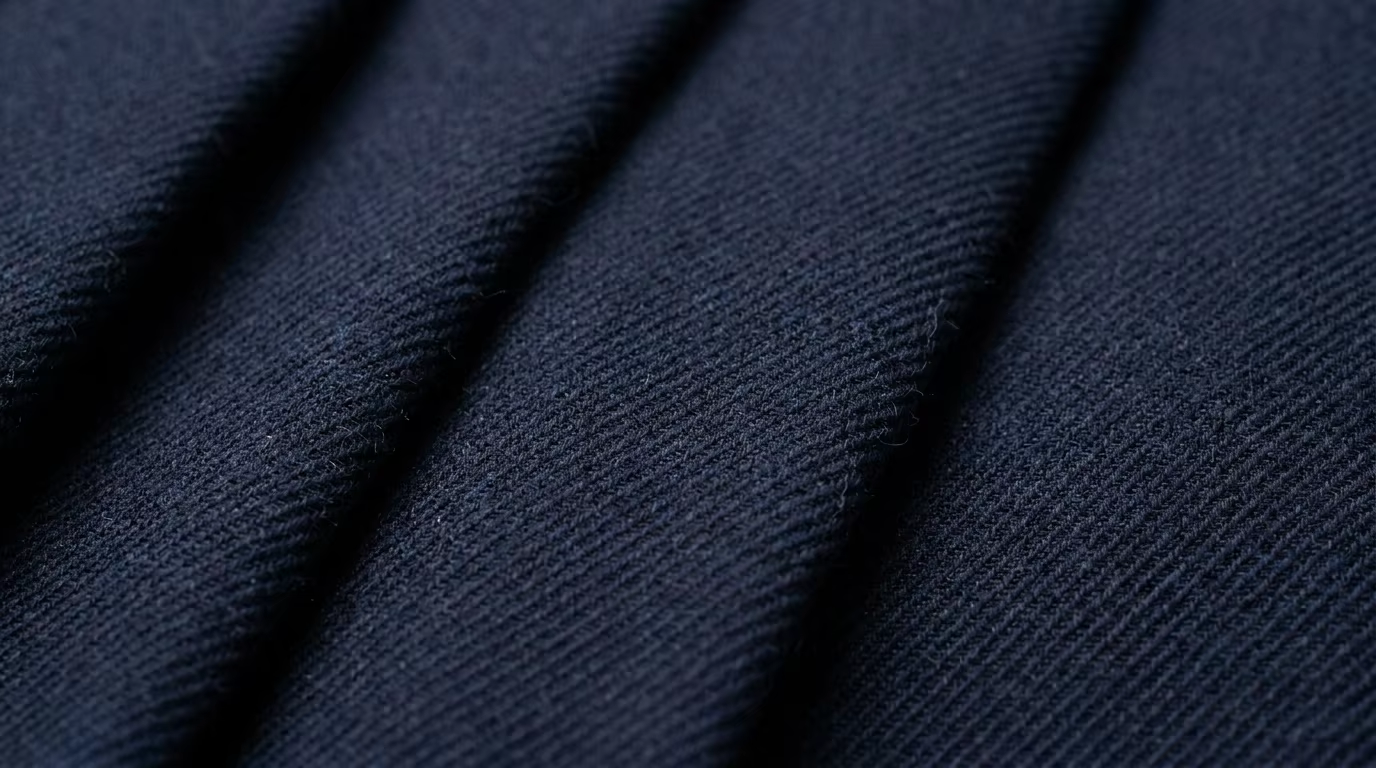
2. Twill Weave Fabrics
Twill fabrics are increasingly popular in premium school uniform collections.
Recognizable by their diagonal weave pattern, twill structures offer several advantages:
- stronger wrinkle recovery
- better drape
- improved abrasion resistance
- more luxurious appearance
For modern school uniform brands, twill fabrics create a cleaner and more premium visual effect.
Many buyers searching for structured school uniform fabric now prefer twill constructions because they maintain pleat shape more effectively while remaining comfortable for students.
3. Yarn-Dyed Plaid Structures
For plaid school skirts, yarn-dyed woven fabrics remain the preferred choice.
Unlike printed plaid fabrics, yarn-dyed structures weave the pattern directly into the fabric itself.
This provides:
- stronger pattern stability
- cleaner plaid alignment
- improved pleat definition
- better long-term durability
Because pleated skirts require accurate plaid matching, yarn-dyed constructions significantly improve garment consistency during production.
This is why many premium school uniform brands prioritize polyester plaid skirt fabric made using yarn-dyed weaving techniques.
The Importance of Fabric Stiffness and Rebound
Pleated skirts constantly experience movement throughout the school day.
Students walk, sit, climb stairs, and participate in activities that place continuous pressure on the garment structure.
High-quality school uniform skirt fabric should therefore provide:
- controlled stiffness
- strong elastic recovery
- crease retention
- shape stability
Modern polyester woven fabrics perform particularly well because they naturally recover better from deformation compared with many cotton-rich fabrics.
This helps pleats maintain sharper appearance even after extended wear.
Why Wrinkle Resistance Is Essential

Easy maintenance has become one of the biggest purchasing priorities for schools and parents.
Wrinkled skirts require frequent ironing and quickly create an untidy appearance.
Today’s buyers increasingly search for:
- “wrinkle resistant pleated school skirt fabric”
- “easy care woven uniform fabric”
- “anti wrinkle school uniform textile”
Modern wrinkle-resistant woven fabrics help reduce:
- ironing time
- garment maintenance
- visual wear after washing
This is especially important in humid regions such as Southeast Asia, where garments wrinkle more easily.
Polyester woven fabrics continue dominating this category because of their strong wrinkle recovery properties.
Choosing the Right Fabric Weight
Fabric weight directly affects skirt structure and comfort.
Lightweight Fabrics
Lightweight fabrics may feel breathable and comfortable in tropical climates, but they can also:
- lose pleat shape faster
- wrinkle more easily
- appear less structured
They are usually better suited for softer fashion-oriented uniform styles.
Medium Weight Fabrics
Medium-weight woven fabrics are the most common choice for pleated school skirts because they provide an ideal balance between:
- comfort
- durability
- pleat retention
- structure
For many school uniform applications, fabrics between 220–280 GSM perform particularly well.
This weight range offers sufficient body for pleats without becoming too heavy for students.
Heavyweight Fabrics
Heavy fabrics create stronger structure and sharper pleats but may reduce comfort in hot climates.
They are more commonly used in colder regions or highly formal school uniform systems.
When targeting Southeast Asian or Middle Eastern markets, excessively heavy fabrics are usually less preferred.
Why Polyester Dominates School Uniform Skirt Fabrics
Polyester remains the leading material in school uniform skirt fabric because it combines:
- wrinkle resistance
- durability
- easy maintenance
- strong pleat memory
- abrasion resistance
- cost efficiency
Compared with cotton-rich alternatives, polyester woven fabrics maintain cleaner appearance after repeated washing and daily use.
This makes them highly practical for school uniform programs requiring long-term consistency.
Polyester yarn-dyed plaid fabrics are especially popular for:
- British-style uniforms
- pleated plaid skirts
- formal schoolwear
- international school collections
Stretch Woven Fabrics Are Becoming More Popular
Modern school uniforms are evolving toward more comfort-oriented designs.
Many manufacturers now incorporate small percentages of spandex into woven skirt fabrics.
Popular constructions include:
- 98% polyester / 2% spandex
- 97% polyester / 3% spandex
These stretch woven fabrics improve:
- student mobility
- comfort during movement
- flexibility while sitting
- long-term wearability
At the same time, the woven structure still maintains professional uniform appearance.
This trend is especially popular among younger student-focused uniform brands.
What Buyers Evaluate Before Bulk Orders
Today’s professional buyers carefully evaluate multiple technical indicators before placing large school uniform fabric orders.
Common evaluation standards include:
- pilling resistance
- pleat retention
- washing durability
- color fastness
- shrinkage control
- seam stability
- wrinkle recovery
Many buyers now request laboratory testing reports before approving suppliers.
As a result, textile mills capable of providing stable quality control and technical documentation gain a stronger competitive advantage.
Sustainability Is Influencing Fabric Development
Sustainability is becoming increasingly important in school uniform sourcing.
Many brands now seek:
- recycled polyester school uniform fabrics
- eco-friendly dyeing technologies
- longer-lasting garment solutions
Durable pleated fabrics help reduce replacement frequency, supporting more sustainable school uniform programs over time.
Suppliers capable of offering recycled polyester woven fabrics are likely to see growing global demand.
Conclusion
The best fabric structures for pleated school uniform skirts combine durability, wrinkle resistance, rebound performance, and comfort.
Modern polyester woven fabrics — especially twill and yarn-dyed plaid constructions — continue leading the market because they provide excellent pleat retention while remaining practical for large-scale school uniform production.
For school uniform brands, wholesalers, and distributors, choosing the right pleated uniform fabric is essential for improving garment quality, reducing maintenance issues, and increasing long-term customer satisfaction.
As global school uniform trends continue evolving toward higher-quality and more performance-driven products, suppliers specializing in structured woven school skirt fabrics will remain highly competitive in the international market.
Post time: May-27-2026