
Introduction
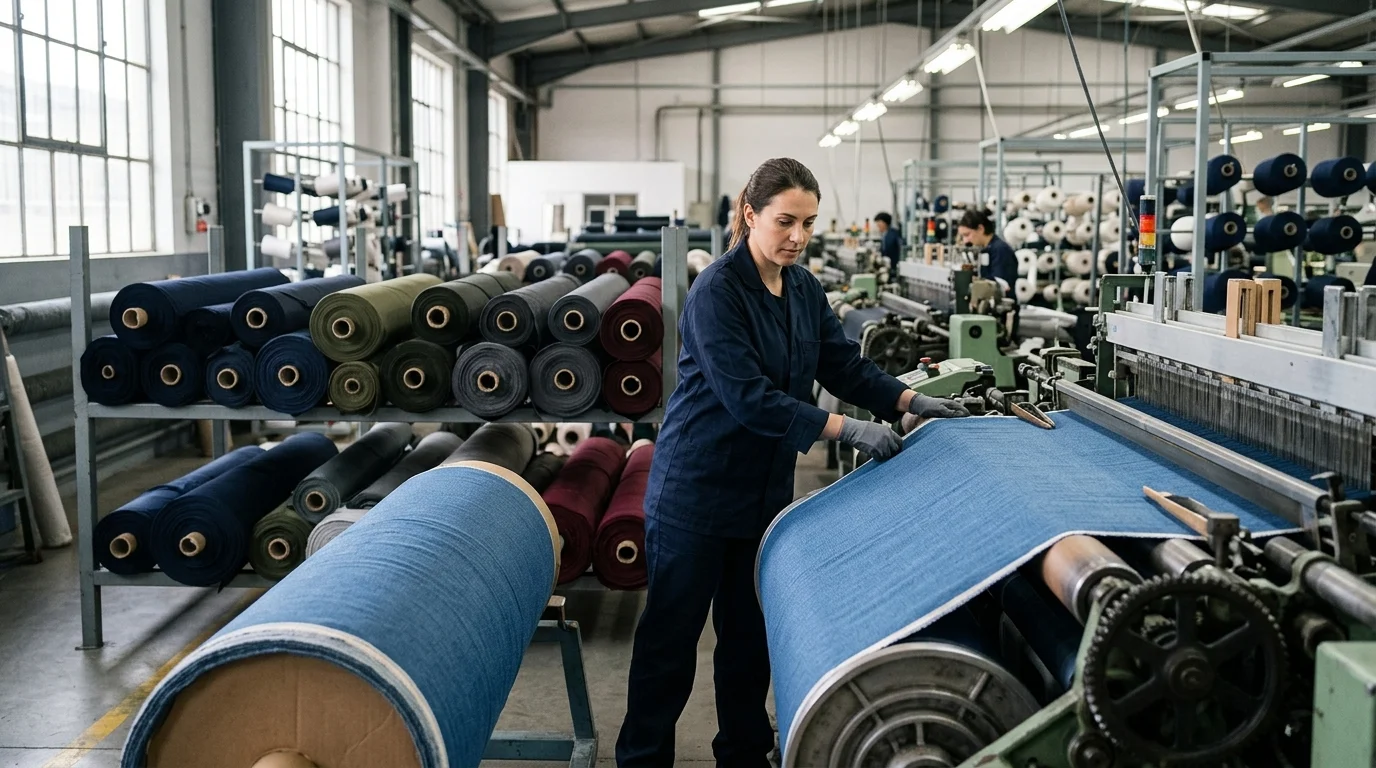
Choosing a uniform fabric manufacturer in China is often less about finding the lowest quote and more about securing stable quality, dependable lead times, and production capacity that can support large repeat orders. For buyers sourcing workwear, school uniforms, or industrial garments, the right supplier can simplify procurement by combining weaving, dyeing, finishing, and inspection within one coordinated system. This article explains what distinguishes a strong manufacturing partner, which capabilities matter most for bulk orders, and how to compare price against consistency, compliance, and long-term value so you can evaluate suppliers with clearer criteria before moving into negotiations and sampling.
Why choose a uniform fabric manufacturer in China
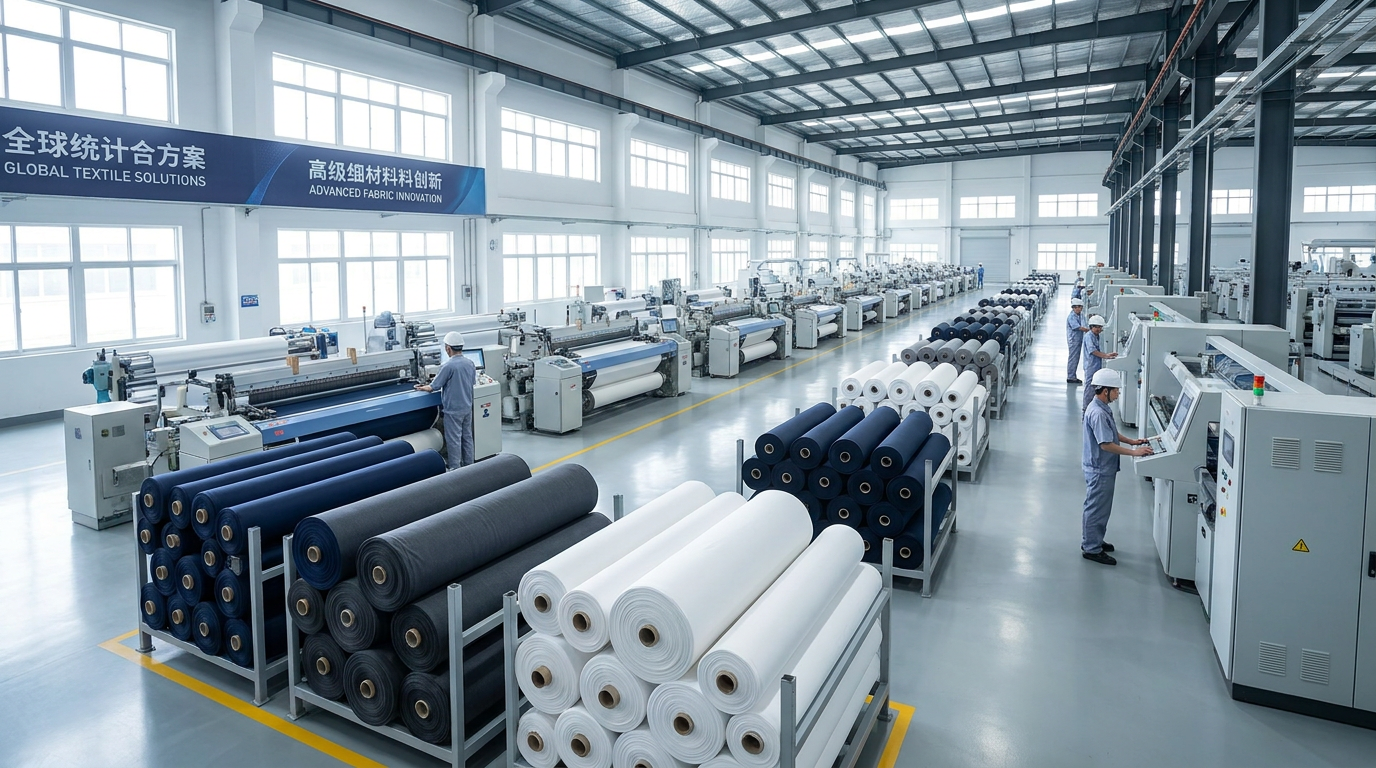
When our procurement teams look for scalable textile solutions, partnering with a uniform fabric manufacturer in China consistently offers the best balance of capacity, technological advancement, and cost-efficiency. The region’s mature supply chain, particularly in specialized textile hubs like Zhejiang and Jiangsu, integrates raw material processing, advanced dyeing, and final finishing. This localized ecosystem allows us to streamline bulk orders, reduce transit delays between sub-contractors, and maintain strict quality consistency across hundreds of thousands of yards of fabric.
How to identify a reliable manufacturer
To separate top-tier partners from standard trading companies, we prioritize facilities with verifiable vertical integration. A reliable manufacturer should demonstrate complete control over both weaving and dyeing processes rather than outsourcing them to third parties. We typically look for production capacities exceeding 500,000 meters per month, which indicates they have the infrastructure to handle sudden volume spikes or seasonal bulk orders without bottlenecking. Furthermore, evaluating a China uniform fabric manufacturer requires auditing their quality control protocols, specifically demanding in-house inspection pass rates of 98% or higher before shipment.
How to compare price and value
Price alone is a deceptive metric in textile procurement. We evaluate true value by analyzing the cost per meter against the fabric’s expected lifecycle and its manufacturing defect rate. While basic polyester blends might land at $1.20 per meter, high-performance blends with anti-pilling and colorfast treatments may cost between $2.50 and $3.80 per meter. Investing in the latter drastically reduces replacement costs and end-user complaints.
| Blend Classification | Avg. Cost/Meter | Expected Lifespan | Typical Defect Rate |
|---|---|---|---|
| Basic Poly-Cotton | $1.20 – $1.80 | 6-9 months | 3.0% – 5.0% |
| Mid-Grade TR Fabric | $1.90 – $2.40 | 9-12 months | 1.5% – 2.5% |
| Premium CVC Blend | $2.50 – $3.80 | 12-18 months | < 1.0% |
When reviewing the Top 10 uniform fabric in China, we calculate the total value by factoring in yield percentages. A cheaper fabric roll with a 5% defect rate ultimately costs more in wasted garment production and labor than a premium roll with a strict 1% defect tolerance.
How to evaluate uniform fabric suppliers
Once we have identified potential manufacturing partners, our focus shifts to rigorous technical evaluation. Assessing a supplier requires a deep dive into their material engineering capabilities and their logistical reliability. We cannot afford to base our bulk purchasing decisions on superficial sample reviews; we must validate their technical specifications, durability thresholds, and production parameters against strict international standards.
Which fabric specifications and durability factors matter
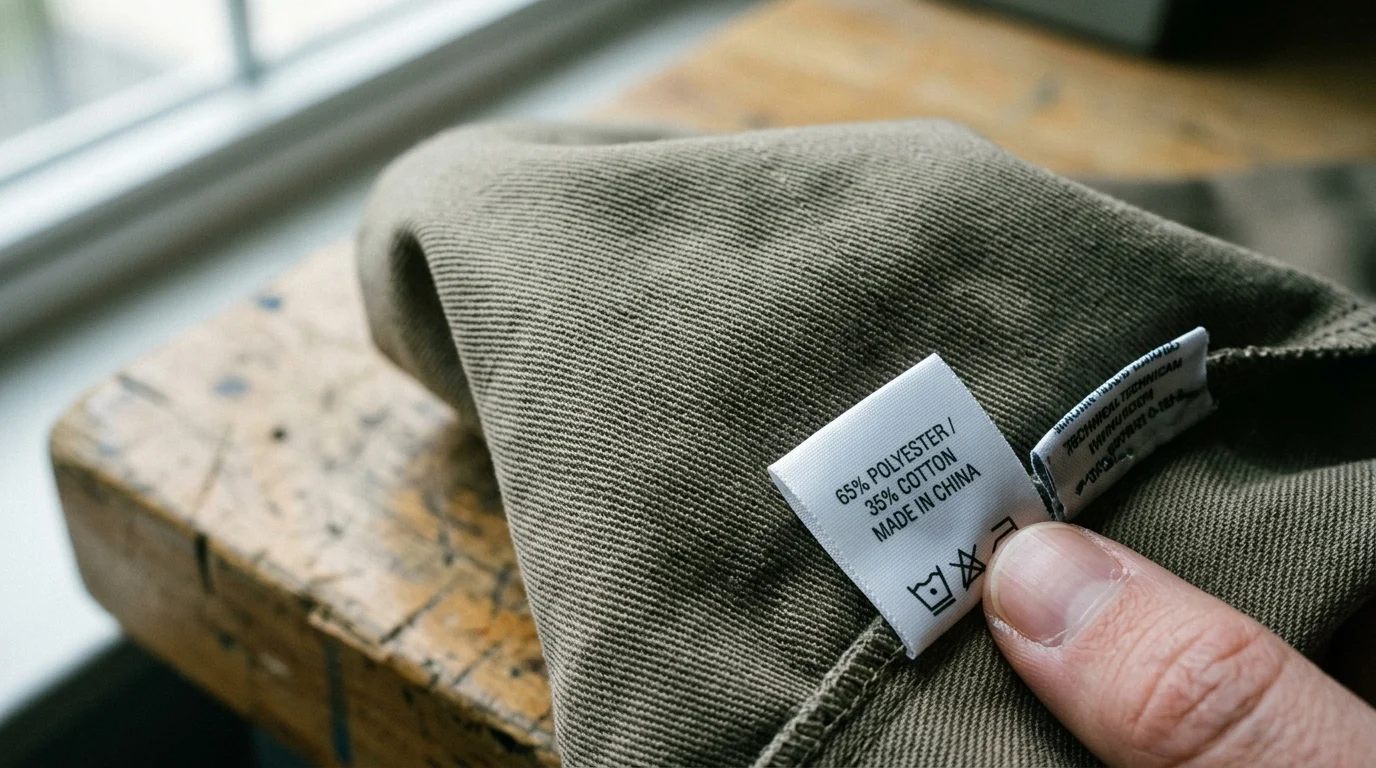
Durability is the cornerstone of any professional garment. We strictly mandate that our suppliers meet specific technical thresholds before approving a fabric. For instance, fabric weight typically needs to sit between 150 and 250 GSM depending on the application—lighter for medical scrubs and heavier for industrial workwear. We also require a minimum colorfastness to washing of Grade 4, and pilling resistance of Grade 4 or higher after 2,000 rubs.
When evaluating options like CVC blended fabric for uniform, the exact ratio of cotton to polyester dictates both breathability and tensile strength. We look for a minimum tear strength of 15N in both warp and weft directions to prevent premature blowouts in high-stress seams. Similarly, a high-quality cotton polyester blend fabric for uniform must demonstrate excellent dimensional stability, ensuring structural shrinkage remains strictly below 3% after multiple industrial wash cycles.
How to assess certifications, testing, lead times, and MOQs
Technical specifications mean little without standardized compliance and favorable logistics. We require our partners to hold OEKO-TEX Standard 100 certifications to guarantee the absence of harmful substances, and we regularly review third-party ISO testing reports for every major batch. Logistically, we look for standard production lead times of 25 to 35 days for custom vat dyeing.
Minimum Order Quantities (MOQs) serve as another critical filtering mechanism. While some massive mills demand 10,000 meters upfront, we prefer suppliers who offer a flexible baseline MOQ of 3,000 to 5,000 meters per color. This flexibility is especially important when sourcing specialized materials like woven TR fabric for uniforms, allowing our procurement team to manage inventory efficiently and test new colorways without overcommitting capital.
How to select the best supplier
Making the final selection requires us to synthesize our technical evaluations into an actionable procurement strategy. We must transition from theoretical capability to proven execution. By standardizing our onboarding process and calculating the true financial impact of our choices, we secure partnerships that yield long-term dividends and protect our supply chain from disruptive quality failures.
What sourcing process to follow from sampling to order
We adhere to a strict, multi-stage sourcing protocol before authorizing any bulk order. The process begins with requesting lab dips and A4-sized physical samples to verify hand-feel and shade matching under D65 light sources. Once approved, we commission a pilot run—typically around 500 to 1,000 meters.
This micro-batch allows our garment factories to test the fabric’s performance during cutting and sewing, revealing potential issues with seam slippage or needle cutting that a small swatch would hide. This entire sampling and pilot process usually takes between 40 to 50 days, but it is an indispensable investment. Only after this pilot run passes our internal quality control do we proceed to issue a commercial invoice for a 50,000-meter bulk container.
Which criteria balance total landed cost and quality
Our ultimate decision hinges on the total landed cost rather than the initial factory-gate price. We calculate this by taking the FOB (Free On Board) price and adding ocean freight, insurance, customs duties, and the projected cost of quality defects.
For example, a fabric priced at $2.00 per meter at the factory gate may ultimately cost more than a $2.50 alternative once higher defect rates, replacement shipments, and production delays are factored into the final calculation.
Key Takeaways
- The most important conclusions and rationale for uniform fabric manufacturer
- Specs, compliance, and risk checks worth validating before you commit
- Practical next steps and caveats readers can apply immediately
Frequently Asked Questions
What makes a Chinese uniform fabric manufacturer suitable for bulk orders?
Look for in-house weaving and dyeing, monthly capacity above 500,000 meters, and stable quality control. This setup helps keep pricing competitive and bulk delivery consistent.
Which fabric specs matter most for uniforms?
Check 150–250 GSM, colorfastness Grade 4, pilling resistance Grade 4, tear strength at least 15N, and shrinkage below 3% after washing.
How should I compare uniform fabric price and value?
Do not compare by price alone. Review defect rate, lifespan, and finishing performance, because a slightly higher-cost fabric can reduce waste and replacement costs.
What certifications should I ask a uniform fabric supplier for?
Request OEKO-TEX Standard 100 and recent third-party ISO test reports. These help confirm fabric safety, consistency, and compliance for bulk procurement.
How can I contact IYUNAI Textile for a uniform fabric inquiry?
Use the contact page at iyunaitextile.com/contact-us/ to send your fabric type, GSM, color, quantity, and delivery target for a faster quotation.
Post time: May-12-2026