
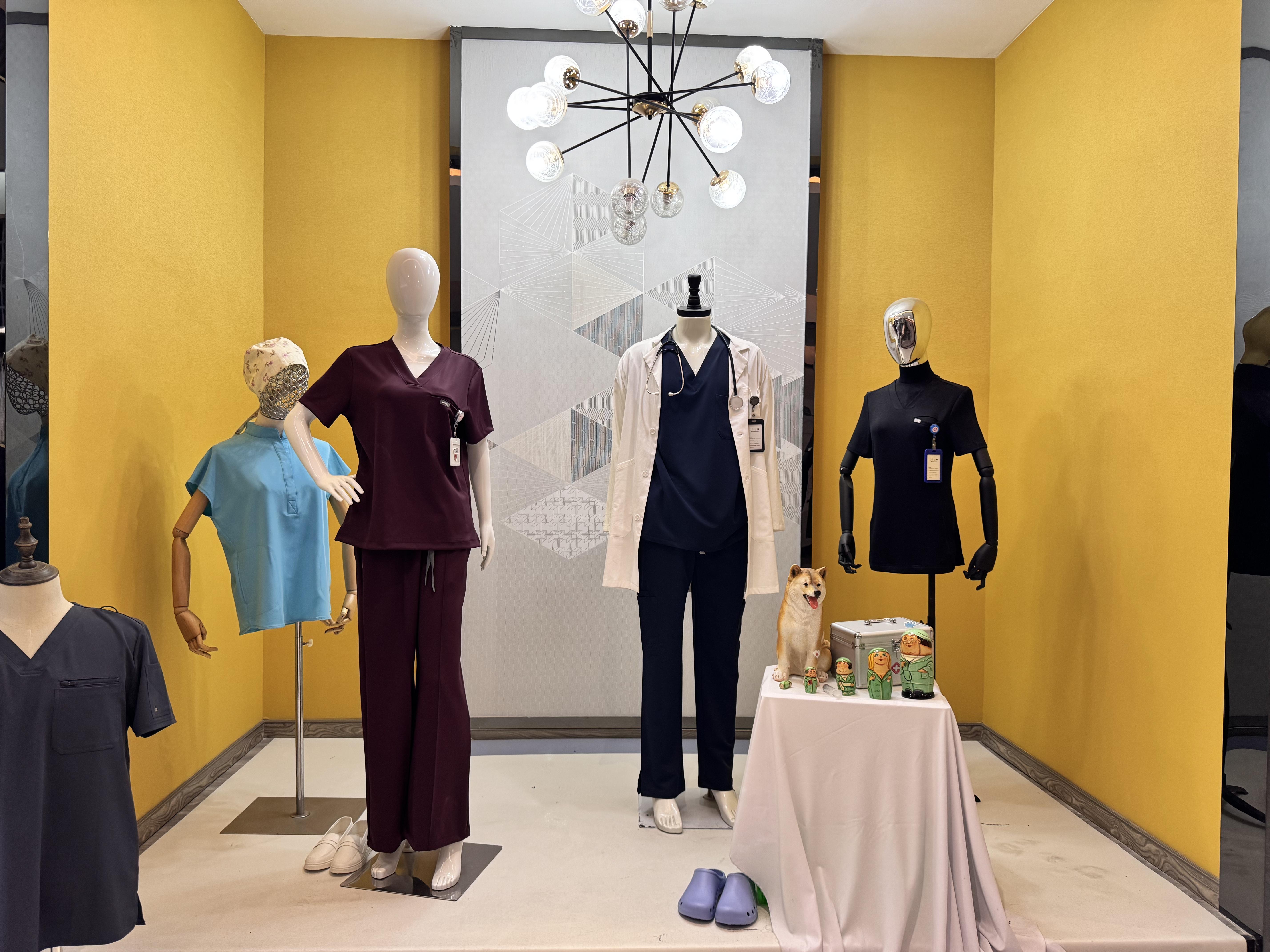
I find sustainable medical wear fabric crucial for healthcare. The medical textile market, valued at $31.35 billion in 2024, needs eco-conscious practices. Textiles constitute 14% to 31% of annual medical waste. Incorporating bamboo fiber fabric, like a polyester bamboo spandex fabric or a woven bamboo fiber fabric, offers environmental benefits. An organic bamboo fiber fabric for medical scrub also improves comfort and cost-effectiveness.
Key Takeaways
- Sustainable medical fabrics help the environment. They reduce pollution and waste from traditional textiles.
- New medical fabrics offer better comfort and last longer. They are also safe for patients and staff.
- Adopting sustainable medical wear needs careful planning. It helps healthcare become more eco-friendly.
The Imperative for Sustainable Medical Wear Fabric
Environmental Impact of Traditional Medical Textiles
I often reflect on the hidden costs of traditional medical textiles. The manufacturing processes for these fabrics frequently involve a cocktail of harsh chemicals. These substances pose significant environmental and health risks. For instance, I see how certain chemicals used in dyeing and finishing can have severe consequences.
| Chemical/By-product | Environmental/Health Consequence |
|---|---|
| Aniline derivatives (aromatic amines) | Carcinogenic, high release in wastewater, interferes with oxygen-carrying protein (hemoglobin), causes methemoglobinemia (cyanosis, hypoxia), nephrotoxicity, hepatotoxicity, bladder cancer, hematological disorders, liver and kidney malfunctioning, high ecological risk (soil, water, air), toxicity to marine life, accumulation in living organisms, enters food chains, forms nitrosamine derivatives (carcinogenic) upon photodegradation. |
| Azo dyes (precursors: acetanilide, phenylenediamines, alkyl-substituted anilines) | Reductive hydrolysis produces aromatic amines (aniline derivatives) with severe environmental and health impacts. |
| Acids, Alkalis, Salts | Water pollution. |
These chemicals pollute our water systems and harm marine life. They can also accumulate in living organisms, entering our food chains. This cycle creates a high ecological risk. I believe we must address these issues to protect our planet and our health.
Healthcare’s Carbon Footprint and Textile Production
I recognize that healthcare’s environmental impact extends beyond chemical pollution. The industry’s carbon footprint is substantial. Textile production contributes significantly to this footprint. Energy-intensive processes are common in manufacturing. These processes release greenhouse gases into the atmosphere. Transporting raw materials and finished goods also adds to emissions. I see a clear need for change. Embracing sustainable medical wear fabric can reduce this burden. It helps us move towards a greener healthcare system. I feel a strong commitment to finding better solutions for our future.
Defining and Innovating Sustainable Medical Wear Fabric
Key Characteristics of Sustainable Fabrics
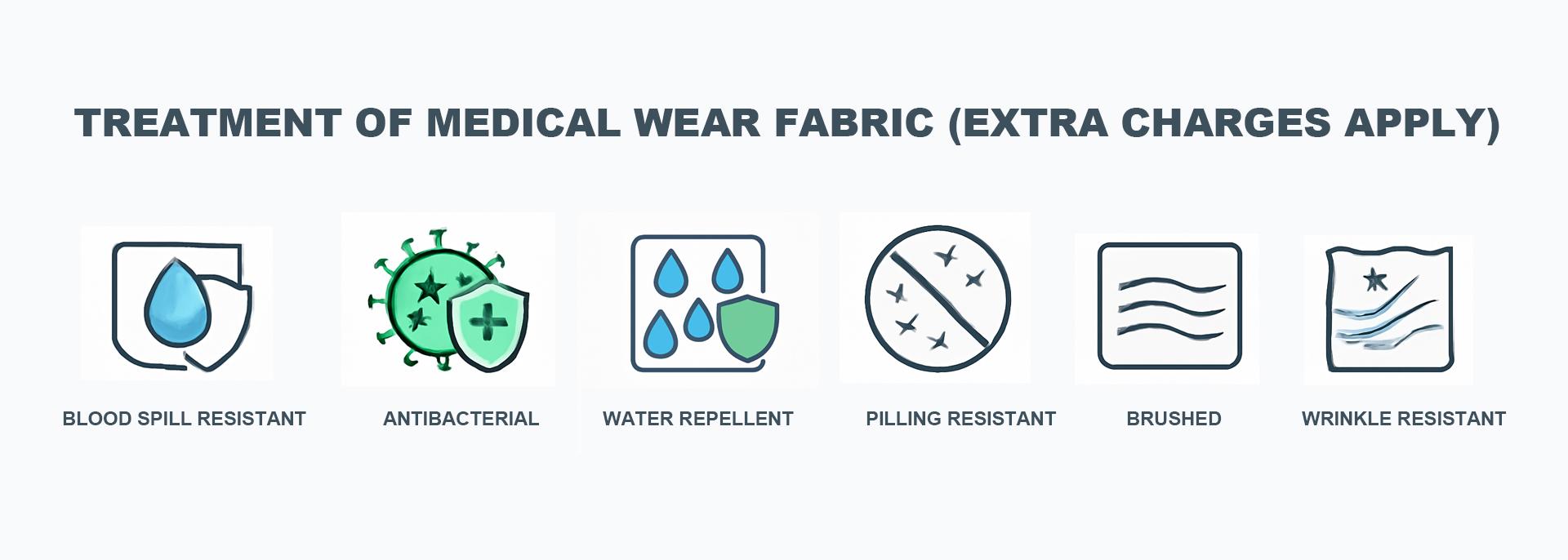
I believe understanding the core characteristics of sustainable fabrics is essential. These features go beyond just being “green.” They encompass a holistic approach to textile production and use. I look for materials that reduce our environmental footprint. For example, I consider fabrics made from eco-friendly materials like organic cotton or recycled polyester. These choices significantly reduce the carbon footprint.
Durability and longevity are also crucial. High-quality, long-lasting fabrics minimize waste. They conserve resources because they do not need frequent replacements. I also prioritize ethical manufacturing. This means production occurs under fair labor conditions. It ensures worker well-being. Reduced water usage is another key factor. Innovative dyeing and manufacturing processes can significantly decrease water consumption. Fabrics with built-in antimicrobial properties also help. They reduce the need for frequent washing, saving water and energy.
I also consider design strategies focused on circularity. This includes selecting textiles with a lower carbon footprint. I look for designs that allow for disassembly. This enables reduced manufacturing steps, energy consumption, and water production. Material development is important too. I consider using natural wellness compounds and mono-materials. Products must also be cleanable, sanitizable, and reusable. Their potential for repurposing and recycling is vital. Above all, I ensure patient safety remains paramount. Solutions must prioritize this while reducing environmental impacts.
Certifications and Standards for Sustainable Medical Wear Fabric
I recognize the importance of certifications and standards in this field. They provide a clear framework for what constitutes truly sustainable medical wear fabric. These benchmarks help me verify claims made by manufacturers. They ensure products meet specific environmental and social criteria. For instance, certifications like GOTS (Global Organic Textile Standard) ensure organic status from raw material harvesting through environmentally and socially responsible manufacturing. Oeko-Tex Standard 100 certifies that textiles are free from harmful substances. Bluesign system ensures sustainable production processes. I rely on these standards to guide my choices. They help me identify fabrics that align with our sustainability goals. These certifications build trust and transparency in the supply chain.
Advanced Sustainable Medical Wear Fabric Materials
I am excited by the innovations in advanced sustainable medical wear fabric materials. These new textiles offer remarkable performance advantages over traditional options. I see the development of biodegradable materials for wound dressings. These promote healing while minimizing waste. Biocompatible materials are also creating textile-based scaffolds. These are for tissue engineering applications. They aid in tissue growth and repair for conditions like burns and ulcers.
I also observe the use of organic cotton. Farmers cultivate it without synthetic pesticides or fertilizers. This makes it an environmentally friendly option. Recycled polyester is another great material. Manufacturers produce it from recycled plastic bottles. This contributes to waste reduction and resource conservation. Bamboo is a rapidly growing, renewable resource. It is naturally antibacterial and biodegradable. I find its properties ideal for medical applications. Kelp Clothing, for example, launched a line of sustainable scrubwear. It prominently features seaweed as a primary material. This represents an innovative use of natural resources in medical apparel.
These advanced fabrics offer superior performance. They provide excellent filtration efficiency and permeability. Many are transparent. They are also reusable after washing or disinfection. They often possess antimicrobial and antiviral properties. Green processing methods are also emerging. Plasma technology creates functional textiles with specific surface effects. For example, fabrics can be hydrophilic on one side and hydrophobic on the other. Supercritical carbon dioxide extraction develops porous materials. These have improved transport characteristics. They are suitable for ultrafiltration substrates. Natural materials like cotton are also being developed. They become high-performance functional textiles. They offer environmental benefits like biodegradability. They compete with synthetics in applications like wipes and diaper topsheets.
Dr. Acevedo states that modern medical fabrics must do more than just cover wounds or offer support. I agree. They must regulate moisture, manage temperature, and aid in recovery. They must do this without harmful chemicals or environmental impact. Huffman notes that advanced fabrics can manage odors, fight static, repel pet hair, and withstand extra wear. They remain sustainable throughout their lifecycle. I see these innovations as crucial steps forward.
Benefits and Implementation of Sustainable Medical Wear Fabric
Enhanced Comfort and Durability with Sustainable Medical Wear Fabric
I find that sustainable medical wear fabric offers significant advantages in comfort and durability. My experience shows these fabrics feel much better against the skin. They often feature natural fibers or advanced blends. This leads to improved breathability and softness for healthcare professionals during long shifts.
When I look at durability, sustainable options often surprise people. Many believe eco-friendly means less robust. However, this is not always true. I have seen how these fabrics are engineered for the demanding healthcare environment. They withstand frequent washing and exposure to various substances.
I often compare different fabric types for their performance. Here is a quick overview:
| Fabric Type | Cost | Durability | Notes on Durability |
|---|---|---|---|
| Polyester | Cost-effective; affordable | Highly durable | Moisture-wicking, wrinkle-resistant |
| Cotton | Generally affordable | Less durable than synthetics | Natural and breathable |
| Rayon | Moderate cost | Less durable | Prone to shrinkage |
| Tencel™ | Moderate to higher cost | Durable and soft | Maintains shape |
| Hemp | Moderate cost | Durable natural fiber | |
| Organic Cotton | Higher cost | Similar to conventional cotton | |
| Bamboo Fabric | Higher cost | Lower durability with frequent washing | Eco-friendly, antimicrobial, moisture-wicking, soft |
| Recycled Materials | Durable | Reduces waste, certified sustainable | |
| Cotton Blends | Less durable | Soft, breathable, comfortable for long shifts | |
| Polyester Blends | High durability | Quick-drying, antimicrobial options |
I understand that sustainable medical uniform fabrics can have a higher initial cost. This sometimes makes hospitals hesitate. However, I see these eco-friendly uniforms lasting much longer. They require fewer replacements over time. This leads to accumulated savings. I believe we should consider the total cost of ownership, not just the upfront price. Many organizations now report savings. They reduce waste and laundry needs by using quality, durable uniforms.
I know durability and strong performance are crucial for medical uniforms. They face frequent washing, stain exposure, and long shifts. Polyester and polyester blends are very tough. They resist wear and tear. They maintain their shape. They are also wrinkle-resistant and quick-drying. Sustainable options like bamboo-polyester blends and Tencel also perform well. Bamboo scrubs can keep 92% of their softness even after 50 washes. Tencel uniforms resist shrinking and hold their shape. Organic cotton feels soft, but it does not last as long as polyester. It can fade or lose shape faster with heavy use. Generally, I find sustainable uniforms are designed to be as durable as traditional ones for healthcare settings.
Strategic Integration of Sustainable Medical Wear Fabric
I believe integrating sustainable medical wear fabric into healthcare systems requires a clear strategy. It is not just about choosing new materials. It involves overcoming several challenges.
I see some common hurdles for widespread adoption:
- Cost Considerations: The financial implications of using compostable textiles can be a barrier.
- Regulatory Compliance: We must adhere to relevant regulations for these materials.
- Infrastructure Limitations: There are often barriers related to the necessary infrastructure. This includes composting facilities for full-scale integration.
I also recognize other challenges for scaling adoption:
- Cost Pressures: We must balance high-quality, compliant products with competitive pricing. Eco-friendly options often have higher production costs.
- Regulatory Compliance: Navigating complex federal and state regulations is difficult. These cover material safety, sterilization, and environmental impact. This can increase costs and delay product launches.
- Supply Chain Disruptions: The supply of raw materials can be volatile. Specialty fibers and chemicals are vulnerable to geopolitical tensions, pandemics, or environmental factors.
- Technological Integration and Scalability: Moving from research to large-scale manufacturing needs significant capital investment. It also requires process optimization and quality control.
- Environmental Sustainability Pressures: Adopting sustainable practices means substantial operational overhauls. We need to reduce our carbon footprint and waste.
Despite these challenges, I see clear solutions for progress:
- Ongoing Research and Innovation: Advancements in materials science drive progress.
- Supportive Policies and Initiatives: These play a crucial role. They foster a more sustainable future for healthcare.
I also identify other solutions for scaling adoption:
- Cost-effectiveness and Scalability: Continuous research and development make innovations more affordable and scalable. This promotes wider adoption.
- Strategic Investments: These are essential for addressing challenges and ensuring scalability.
- Robust Supply Chain Management: This is crucial for mitigating disruptions and maintaining efficiency.
- Continuous Innovation: This is necessary to meet growing market demand. We must not compromise quality or compliance.
I am confident that with strategic planning and commitment, healthcare can successfully integrate sustainable medical wear fabric.
I believe sustainable medical wear fabric is vital for a healthier planet. It also creates a more comfortable and efficient healthcare environment. Healthcare providers and manufacturers must embrace these innovations. We can build a “beyond basic” future together.
FAQ
What makes bamboo fabric sustainable for medical wear?
I find bamboo grows quickly and needs little water. It is naturally antibacterial and biodegradable. This makes it an excellent eco-friendly choice for medical textiles.
How does sustainable medical wear benefit healthcare staff?
I see sustainable fabrics offer enhanced comfort and breathability. They also provide superior durability. This improves staff well-being during long shifts.
Are sustainable medical fabrics truly durable for hospital use?
Yes, I confirm they are. Manufacturers engineer these fabrics to withstand frequent washing and harsh environments. They often outperform traditional materials in longevity.
Post time: Nov-13-2025