

I reveal essential care practices. These maintain the durability and elegant drape of your Twill TR Fabric suit. This 80% Polyester 20% Rayon Blend Tr Fabric is a premium Twill Woven TR Suit Fabric. My strategies ensure it retains pristine condition and sophisticated fall. The poly viscose blended fabric weight is 360g/m. We offer colorful polyester rayon blend fabric ready goods. This 80 polyester and 20 viscose fabric is ready goods for lasting style.
Key Takeaways
- Understand Twill TR fabric properties. Polyester gives strength. Rayon gives a soft feel. This blend makes suits durable and drapes well.
- Use good daily habits. Hang suits on padded hangers. Treat stains fast. Let suits rest between wears. Steam suits to remove wrinkles.
- Clean suits properly. Dry clean only when needed. Spot clean small spills. Avoid harsh chemicals. Store suits in breathable bags in a cool, dry place.
Understanding Your Twill TR Fabric Suit
What is Twill TR Fabric?
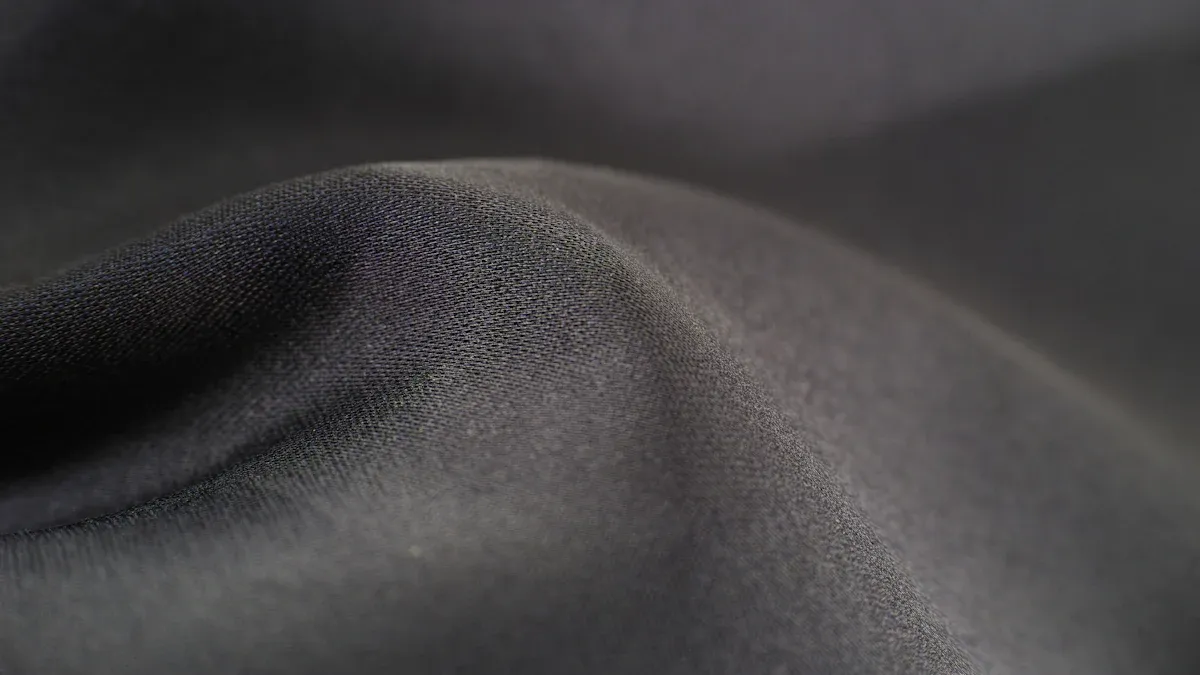
I often hear questions about what makes Twill TR Fabric special. Simply put, “TR” stands for Terylene (Polyester) and Rayon. This fabric is a sophisticated blend. My 80% Polyester 20% Rayon blend is a prime example. Other variations exist, like a Twill TR woolen composite blended fabric. This might include 65% Polyester, 15% Rayon, 15% Acrylic, 4% Wool, and 1% Spandex. Rayon is a key component. Lenzing AG, for instance, is a leading producer of man-made cellulose fibers like rayon. Manufacturers also add elastic elements, such as spandex, for stretch. Some even integrate specialty fibers for water-repellency or anti-odor properties. This blending creates a versatile material.
Why Twill TR Fabric Properties Matter for Durability and Drape
The unique properties of Twill TR Fabric directly impact your suit’s durability and elegant drape. Polyester provides excellent strength and wrinkle resistance. Rayon contributes a soft feel and a beautiful, fluid drape. This combination means your suit holds its shape well. It also resists creasing throughout the day. My fabric, with its robust 2/2 twill weave and substantial 360g/m weight, offers exceptional durability. It also features an anti-pilling characteristic. This ensures your suit maintains a pristine appearance over time. The blend of natural and synthetic materials in “Blended Twill” offers comfort, durability, and easy maintenance. If you choose “Stretch Twill,” the added elastane or spandex fibers provide comfortable elasticity. These carefully chosen components ensure your suit looks sharp and feels comfortable for years.
Daily Habits for Preserving Twill TR Fabric Durability

I know you want your suit to look its best every day. Good daily habits are key to keeping your Twill TR Fabric suit in top condition. These simple steps help maintain its durability and elegant appearance.
Proper Hanging Techniques for Twill TR Fabric
How you hang your suit makes a big difference. I always recommend using the right hangers.
- Padded Hangers: Use padded hangers for your suits and jackets. These hangers support the garment’s shoulders. They help the suit retain its original structure.
- Avoid Folding: Do not fold your suit for long periods. Folding can create persistent creases and wrinkles.
- Garment Bags: I use breathable garment bags. These bags shield the fabric from dust. They also protect against environmental factors. This extends the suit’s lifespan.
Proper hanging prevents stretching and misshaping. It keeps your suit looking sharp.
Immediate Stain Treatment for Twill TR Fabric
Accidents happen. Quick action on stains is crucial for Twill TR Fabric. I always address spills right away.
Let’s say you spill coffee. Here is what I do:
- Blot Excess: I blot up any extra coffee with a clean, dry cloth. Do not rub the stain. Rubbing can spread it.
- Presoak: I presoak the stained area for 15 minutes. I use a solution of 1 quart warm water, ½ teaspoon dishwashing detergent, and 1 tablespoon of white vinegar.
- Rinse: I rinse the area with warm water.
- Blot Remaining Stain: I use a sponge and rubbing alcohol. I blot any stain that remains.
- Wash: Then, I wash the fabric as I normally would.
If the stain is still there, I repeat these steps. I never dry the fabric until the stain is completely gone. Heat can set stains permanently.
Rotation and Resting Your Twill TR Fabric Suit
Your suit needs a break. I never wear the same suit two days in a row.
- Resting: Allow your suit to rest for at least 24 hours after each wear. This lets the fabric recover. It helps the fibers relax. It also allows moisture to evaporate.
- Rotation: Rotate your suits. This prevents excessive wear on one garment. It extends the life of your entire wardrobe.
Resting your suit helps it maintain its shape and drape. It also reduces the need for frequent cleaning.
Steaming vs. Ironing Your Twill TR Fabric Suit
Both steaming and ironing remove wrinkles. However, I choose my method carefully for Twill TR Fabric.
- Steaming: I prefer steaming for most wrinkles. A garment steamer gently relaxes fabric fibers. This removes wrinkles without direct heat or pressure. Steaming is excellent for maintaining the fabric’s natural drape. It is also safer for delicate areas.
- Ironing: Sometimes, I need a crisper finish. I iron on a low-to-medium heat setting. I always use a pressing cloth between the iron and the suit fabric. This protects the fabric from direct heat. It prevents scorching or shine. I avoid high heat, as it can damage the polyester and rayon blend.
Choose steaming for daily touch-ups. Use careful ironing for a sharper look.
Effective Cleaning for Your Twill TR Fabric Suit
Proper cleaning is essential for maintaining your suit’s appearance and extending its life. I always follow specific guidelines to ensure my suits remain pristine. These methods help preserve the fabric’s integrity and elegant drape.
Dry Cleaning Frequency for Twill TR Fabric
I approach dry cleaning with a balanced perspective. Frequent dry cleaning can be harsh on fabrics. However, infrequent cleaning allows dirt and oils to build up. I recommend dry cleaning your suit only when it is visibly soiled or has an odor. For a suit worn regularly, perhaps once a month or every few weeks, I typically dry clean it every 3-4 wears. If I wear a suit less often, I might dry clean it once or twice a season.
I always choose a reputable dry cleaner. They understand how to handle blended fabrics like Twill TR Fabric. They use appropriate solvents and techniques. This helps maintain the suit’s shape, color, and texture. I also make sure to point out any specific stains or concerns to them. This ensures they give the suit the best possible care.
Spot Cleaning Methods for Twill TR Fabric
Spot cleaning is my go-to method for minor spills or marks. It helps me avoid unnecessary full dry cleans. I always act quickly when a spill occurs.
Here is my process for effective spot cleaning:
- Blot, Don’t Rub: I gently blot the affected area with a clean, white cloth. I never rub the stain. Rubbing can push the stain deeper into the fibers. It can also damage the fabric.
- Mild Solution: I prepare a very mild cleaning solution. I mix a tiny drop of mild detergent with cool water. I dampen a clean cloth with this solution.
- Test First: I always test the solution on an inconspicuous area of the suit. This ensures it does not cause discoloration or damage.
- Gentle Application: I lightly dab the stained area with the damp cloth. I work from the outside of the stain inward. This prevents the stain from spreading.
- Rinse and Dry: I use a separate clean, damp cloth to blot away any soap residue. Then, I let the area air dry completely. I avoid direct heat.
Spot cleaning saves time and money. It also protects the suit from the wear and tear of full dry cleaning.
Avoiding Harsh Chemicals on Twill TR Fabric
I am very careful about the chemicals I use on my suits. Harsh chemicals can damage the delicate balance of polyester and rayon in Twill TR Fabric. They can cause discoloration, weaken fibers, or alter the fabric’s texture.
I always avoid:
- Bleach: Bleach can permanently strip color and weaken the fabric.
- Strong Solvents: Industrial-strength stain removers or solvents can dissolve synthetic fibers or damage rayon.
- Abrasive Cleaners: These can cause pilling or fraying.
I stick to mild, pH-neutral detergents for any hand-washing or spot-cleaning tasks. When in doubt, I always refer to the care label inside the suit. The label provides specific instructions from the manufacturer. If a stain is stubborn, I prefer to take the suit to a professional dry cleaner. They have specialized tools and knowledge to handle difficult stains safely. This approach ensures my suit remains in excellent condition for years.
Optimal Storage for Your Twill TR Fabric Suit
Proper storage is crucial for maintaining your suit’s integrity. I always prioritize optimal conditions. This ensures my suits retain their shape and quality over time.
Breathable Garment Bags for Twill TR Fabric
I always use breathable garment bags for my suits. These bags protect the fabric from dust and light exposure. They also allow air circulation. This prevents moisture buildup. Plastic dry cleaning bags are not suitable for long-term storage. They trap humidity. This can lead to mildew or fabric damage. I choose bags made from cotton or non-woven materials. They offer superior protection.
Climate Control for Twill TR Fabric Suits
Climate control is essential for suit longevity. I maintain a stable environment for my wardrobe. For general fabric storage, including Twill TR Fabric suits, I recommend a humidity level between 45-55 percent. This range prevents issues like brittleness, mold, and mildew. I also keep my suits in dry, well-ventilated areas. This protects them from humidity. It prevents damage. Extreme temperature fluctuations can also harm fabric fibers. I avoid storing suits in attics or basements.
Long-Term Storage Tips for Twill TR Fabric
For long-term storage, I take extra steps. First, I ensure the suit is perfectly clean. Any lingering stains can set permanently. They can also attract pests. I use sturdy, padded hangers. These support the suit’s shoulders. They prevent creasing. I place the suit in a breathable garment bag. Then, I store it in a cool, dark closet. This protects it from light and dust. I also check on my stored suits periodically. This ensures they remain in excellent condition.
Troubleshooting Common Issues with Twill TR Fabric
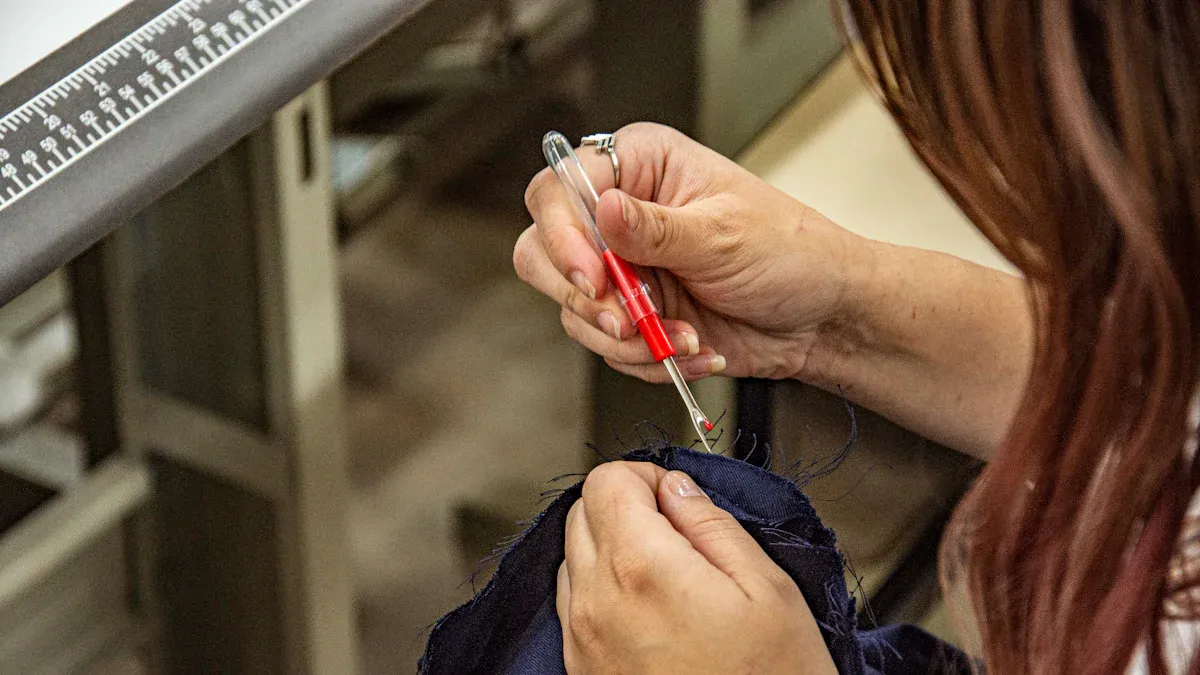
Even with the best care, issues can arise. I know how to handle common problems. This keeps your suit looking its best.
Wrinkle Management for Twill TR Fabric
I often find wrinkles after wearing my suit. Steaming is my preferred method for wrinkle removal. It gently relaxes the fabric fibers. This smooths out creases without direct heat. I use a handheld steamer for quick touch-ups. For deeper wrinkles, I carefully iron. I always set my iron to a low-to-medium heat. I place a pressing cloth between the iron and the suit. This protects the fabric from shine or damage. I avoid high heat. It can harm the blend.
Pilling Prevention and Removal for Twill TR Fabric
Pilling refers to small balls of fiber on the fabric surface. My fabric has an anti-pilling feature. Still, friction can sometimes cause pilling. I prevent pilling by avoiding rough surfaces. I also limit excessive rubbing. If I notice pilling, I remove it gently. I use a fabric shaver or a lint roller. These tools safely lift the pills without damaging the suit. Regular maintenance helps keep the surface smooth.
Maintaining the Shape of Your Twill TR Fabric Suit
I prioritize maintaining my suit’s original shape. Proper hanging is crucial. I always use sturdy, padded hangers. They support the shoulders. This prevents stretching or sagging. I also allow my suit to rest for at least 24 hours after each wear. This lets the fibers recover. It helps the suit retain its tailored form. I store my suits in breathable garment bags. This protects them from dust and helps them keep their structure.
Advanced Care for Extended Twill TR Fabric Life
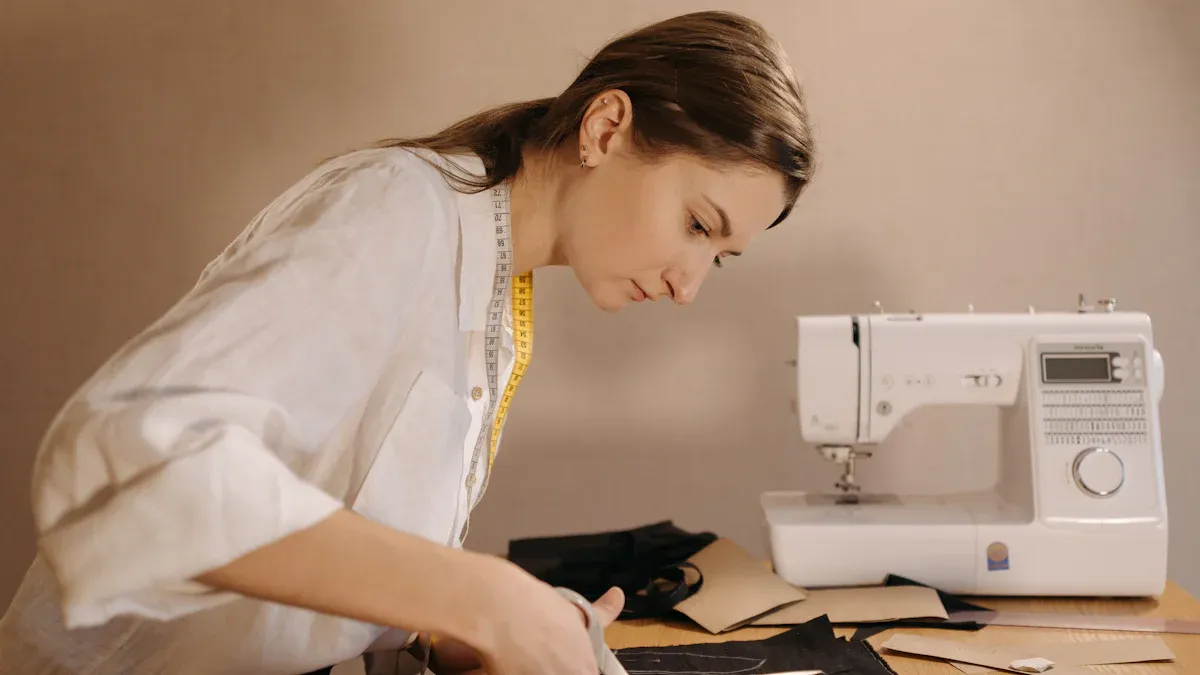
I believe in proactive care. This extends the life of your suits. These advanced strategies ensure your investment lasts for many years.
Professional Tailoring Benefits for Twill TR Fabric
I always recommend professional tailoring. A well-fitted suit looks better. It also lasts longer. Tailors adjust the garment to your body. This reduces stress on seams and fabric. For example, a tailor can adjust the shoulder width. They can shorten sleeves. This prevents unnecessary pulling or stretching. A good fit minimizes friction points. This means less wear and tear over time. I find that professional alterations are a smart investment. They preserve the suit’s structure and elegant drape.
Understanding Fabric Stress Points in Twill TR Fabric Suits
I pay close attention to fabric stress points. These areas experience the most friction and tension. They wear out faster. Common stress points include the elbows, knees, and crotch area. The seat of the trousers also sees significant wear. When I sit, the fabric stretches. When I move, it rubs. I try to be mindful of how I sit and move. This reduces strain on these areas. Regular inspection helps me catch minor issues early. I can address them before they become major problems.
Seasonal Care Adjustments for Twill TR Fabric
I adjust my suit care based on the season. Different weather conditions require different approaches. In warmer months, I wear suits more often. I also sweat more. This means I clean my suits more frequently. I air them out thoroughly after each wear. In colder months, I protect my suits from moisture. Rain and snow can damage fabric. I use a good quality suit brush. This removes surface dirt and debris. When a season ends, I prepare my suits for storage. I ensure they are clean. I store them in breathable garment bags. This protects them until the next season.
I implement these advanced care strategies. They significantly extend the life of my Twill TR fabric suits. I enhance their aesthetic appeal. This ensures a consistently sharp, well-draped silhouette for my Twill TR fabric investment. You will see lasting quality.
FAQ

How often do I dry clean my Twill TR suit?
I dry clean my suit only when it looks soiled or smells. For regular wear, I dry clean it every 3-4 uses. Less frequent wear means dry cleaning once or twice a season.
Can I machine wash my Twill TR suit?
I recommend against machine washing. My fabric care instructions suggest mild detergent and vertical air drying. For best results, I prefer hand washing or professional dry cleaning.
What is the best way to store my Twill TR suit long-term?
I store my clean suit in a breathable garment bag. I use a sturdy, padded hanger. I keep it in a cool, dark, and dry closet.
Post time: Nov-26-2025