

When I visit clients in their environment, I gain insights that no email or video call can provide. Face-to-face visits allow me to see their operations firsthand and understand their unique challenges. This approach demonstrates dedication and respect for their business. Statistics show that 87% of companies report improved client relationships and retention through personalized interactions like customer visits. Moreover, a 10% increase in customer satisfaction can drive revenue growth by 5%, and investing in service alignment leads to stronger partnerships. These numbers confirm how visiting clients builds lasting, trust-driven connections.
Key Takeaways
- Meeting clients in person gives insights that emails can’t provide. It helps you learn more about their work and problems.
- Talking face-to-face builds trust and makes relationships stronger. Clients feel important when you visit and show you care.
- Being ready is important for good client visits. Study their business and plan goals to have useful meetings.
Benefits of Visiting Clients

Gaining Contextual Insights
When I visit clients, I gain a deeper understanding of their operations and business environment. Observing their processes firsthand reveals nuances that are often missed during virtual meetings. For example, Comscore’s collaboration with a global sporting events committee demonstrated how on-site visits helped analyze audience demographics and sentiment. These insights informed decisions about event hosting, sponsorship value, and future partnerships.
Accenture’s research highlights the growing trend of companies leveraging AI-led processes to outperform competitors. This underscores the importance of enhanced client interactions, which provide valuable contextual insights that drive operational efficiency across industries. By immersing myself in a client’s environment, I can identify opportunities for improvement and align my services with their goals.
Seeing Challenges Firsthand
Visiting clients allows me to observe their challenges directly. Active observation, such as watching users perform tasks, uncovers inefficiencies and bottlenecks that might not be apparent through self-reported data. For instance, observational research often reveals discrepancies between intended workflows and actual consumer behavior.
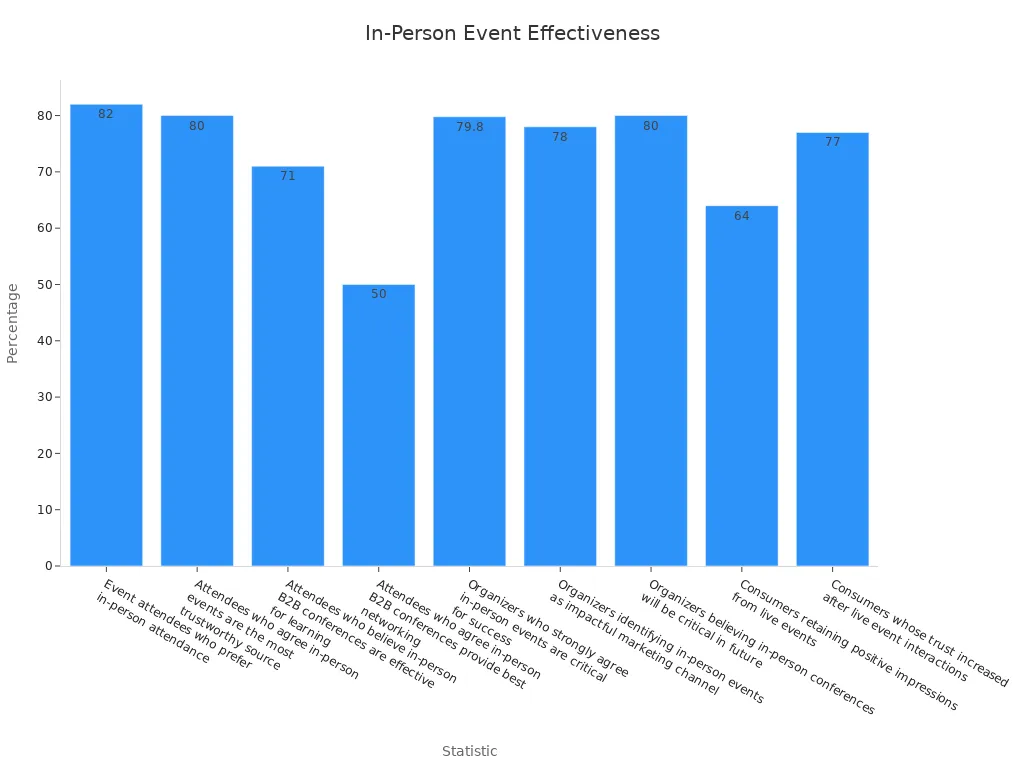
In-person interactions also foster trust and credibility. According to statistical data, 80% of attendees agree that in-person events are the most trustworthy source of information. Additionally, 77% of consumers report increased trust after live event interactions. These figures highlight the effectiveness of face-to-face visits in addressing operational challenges and building stronger relationships.
 Understanding Local Market Trends
Client visits provide an opportunity to explore local market trends and regional dynamics. By engaging with clients in their specific locations, I can better understand the factors influencing their business decisions. For example, the National Association of Realtors (NAR) offers detailed local market assessments for various regions, such as Region V (Alabama, Florida, Georgia) and Region XIII (California, Guam, Hawaii). These reports provide valuable insights into regional economic conditions, consumer behavior, and industry trends.
| Region | Link |
|---|---|
| NAR Region V | Link |
| NAR Region XIII | Link |
By visiting clients in these regions, I gain firsthand knowledge of local challenges and opportunities. This enables me to tailor solutions that align with their specific needs and market conditions.
Strengthening Relationships Through Client Visits

Demonstrating Commitment
When I visit clients, I show them that their business matters to me. This act of stepping into their world demonstrates a level of dedication that emails or calls cannot replicate. It’s not just about being present; it’s about actively engaging with their challenges and goals. For instance, measurable indicators like customer satisfaction and retention rates often improve when clients feel valued.
| Indicator | Description |
|---|---|
| Customer Satisfaction | Aims to enhance the overall experience for clients by improving service quality and meeting needs. |
| Net Promoter Score | Measures overall customer satisfaction and loyalty, indicating willingness to refer services. |
| Customer Retention Rate | Focuses on increasing the number of customers who continue using services or make new purchases. |
| Average Handle Time | Aims to reduce the time taken to manage inbound calls efficiently without compromising service quality. |
| Complaint Resolution Time | Seeks to minimize the time required to resolve customer complaints, enhancing satisfaction. |
These metrics highlight how visiting clients can directly impact their perception of my commitment. By prioritizing face-to-face interactions, I can address their concerns more effectively and build a foundation of trust.
Building Personal Connections
Face-to-face meetings create opportunities to build authentic relationships. Unlike virtual interactions, in-person visits allow me to pick up on non-verbal cues like body language and eye contact. These subtle elements often reveal more than words can convey.
- In-person meetings foster authentic connections that are often lost in virtual settings.
- Face-to-face interactions eliminate barriers like screen glare and audio issues, leading to clearer discussions.
- Physical presence encourages active participation, making it easier to stay focused.
- Informal interactions during visits spark creativity and innovation.
When I visit clients, I also create lasting impressions. Networking becomes more meaningful, and the bonds formed during these visits often lead to stronger partnerships. Complex issues are resolved faster, and the collaborative atmosphere fosters mutual respect and understanding.
 Enhancing Collaboration and Trust
Visiting clients enhances collaboration by creating an environment where ideas flow freely. In-person interactions make it easier to share knowledge and align on goals. For example, universities have adopted strategies like setting up collaborative platforms and addressing intellectual property concerns to foster partnerships.
- Proactively promoting research outcomes aligns efforts with client needs.
- Establishing digital platforms enhances visibility and collaboration.
- Regular communication ensures alignment and prevents misunderstandings.
- Building trust and mutual understanding strengthens social capital.
These approaches mirror what I aim to achieve during client visits. By being present, I can involve clients in the decision-making process, which fosters trust. Immediate access to visual aids and diagnostic tools during discussions further enhances understanding. This collaborative approach not only strengthens relationships but also ensures that both parties work toward shared success.
Practical Tips for Visiting Clients
Preparing for the Visit
Preparation is the foundation of a successful client visit. Before heading out, I research the client’s business thoroughly. This includes reviewing their recent achievements, challenges, and industry trends. I also set clear objectives for the visit. Whether it’s discussing a new project or addressing specific concerns, having a defined purpose ensures the meeting stays focused.
I always confirm the logistics in advance. This includes scheduling the meeting, verifying the location, and planning my travel route. Arriving on time demonstrates professionalism and respect for their schedule. Additionally, I prepare any necessary materials, such as presentations or reports, to ensure I can provide value during the visit.
Engaging During the Visit
During the visit, I focus on active listening. Paying close attention to what the client says helps me understand their needs and priorities. I ask open-ended questions to encourage them to share more about their goals and challenges. This approach fosters meaningful conversations and uncovers valuable insights.
I also make an effort to observe their environment. Noticing details about their workspace or operations often reveals opportunities for improvement. Maintaining a positive and professional demeanor throughout the visit leaves a lasting impression.
Following Up After the Visit
After the visit, I promptly follow up with a summary of the discussion. This recap highlights key points, agreed-upon actions, and next steps. Sending this follow-up email shows that I value their time and am committed to delivering results.
I also take the opportunity to express gratitude. A simple thank-you note reinforces the relationship and keeps the lines of communication open. Consistent follow-ups ensure that the momentum from the visit translates into actionable outcomes.
Visiting clients transforms business relationships. It deepens understanding, builds trust, and fosters collaboration. By stepping into their world, I demonstrate commitment and gain insights that drive meaningful results. This approach strengthens partnerships and creates long-term value. I encourage every professional to embrace this strategy for more impactful connections.
FAQ
What should I bring when visiting a client?
I always bring a notebook, pen, business cards, and any prepared materials like presentations or reports. These tools help me stay organized and professional.
How often should I visit my clients?
The frequency depends on the client’s needs. I aim for quarterly visits to maintain strong relationships and address any emerging challenges or opportunities.
Can virtual meetings replace in-person visits?
Virtual meetings are convenient, but they lack the personal touch of face-to-face interactions. I use both methods to balance efficiency and relationship-building.
Post time: Apr-16-2025