

School uniform fabric plays a vital role in shaping students’ daily experiences. Traditional options often cause discomfort, with tight fits or itchy materials distracting from learning. Comfortable school uniforms made from durable school uniform fabric offer a better alternative. Using advanced fabrics like TR school uniform fabric ensures comfort and ease of movement, boosting focus and confidence.
Key Takeaways
- Comfortable school uniforms help students focus on learning easily.
- Features like soft tags and stretchy fabric stop irritation.
- These uniforms let students move freely and stay engaged in class.
- Feeling comfy boosts confidence and happiness, improving grades and effort.
The Science of Ergonomic School Uniform Fabrics
What Makes a Fabric Ergonomic?
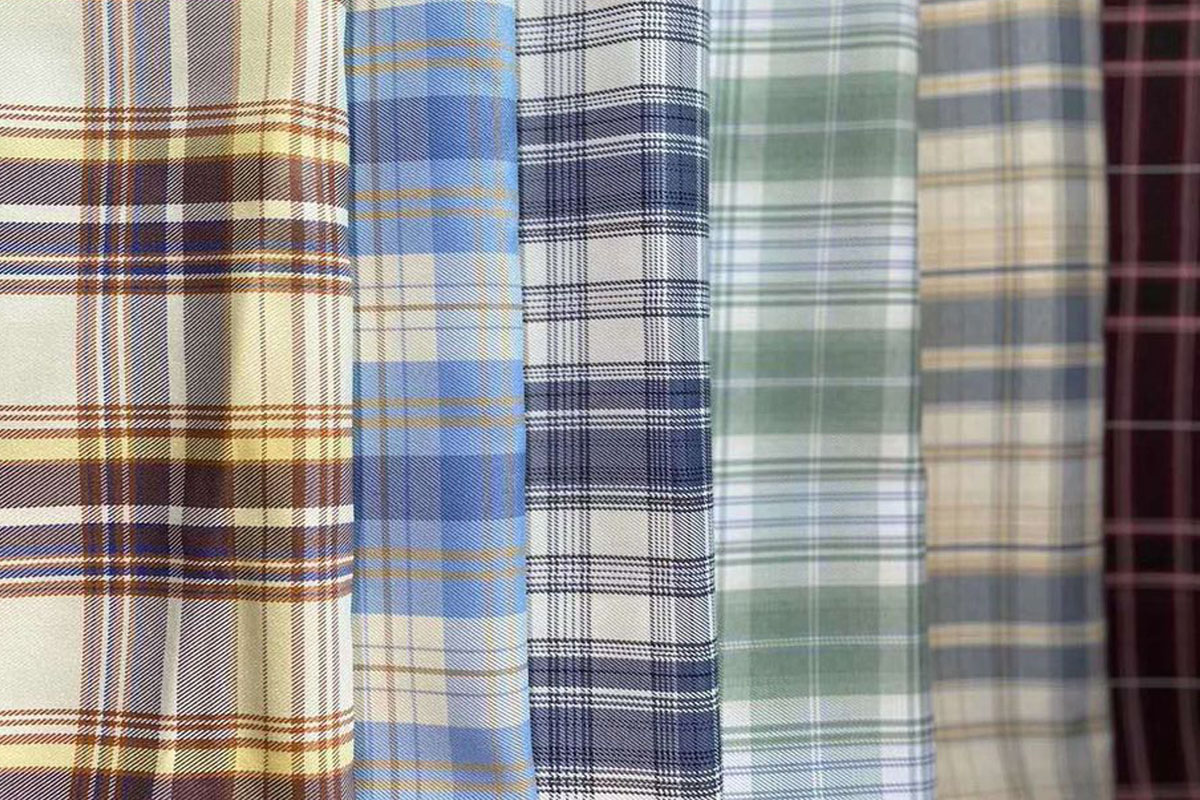
Ergonomic fabrics prioritize the wearer’s comfort and adaptability. These materials are designed to reduce physical strain and enhance ease of movement. I’ve noticed that ergonomic fabrics often combine advanced textiles like stretchable fibers and breathable weaves. These features allow the fabric to conform to the body while maintaining durability. Unlike traditional school uniform fabric, ergonomic options focus on flexibility and softness, ensuring students feel at ease throughout the day.
Key Features: Seamless Labels, Stretch Materials, and Soft Linings
Three key features define ergonomic school uniform fabric. First, seamless labels eliminate the irritation caused by traditional tags. This small change can significantly reduce distractions. Second, stretch materials provide flexibility, allowing students to move freely during activities like sitting, walking, or even playing. Finally, soft linings enhance comfort by preventing chafing and ensuring a smooth texture against the skin. These thoughtful details make ergonomic fabrics a game-changer for school uniforms.
Physical Benefits: Comfort, Posture, and Movement
Ergonomic fabrics offer several physical benefits. They improve posture by supporting natural body alignment. For example:
- Intelligent garments equipped with sensors monitor posture and provide feedback for correction.
- Stretchable materials promote ease of movement, reducing strain during physical activities.
These innovations enhance physical well-being, making it easier for students to focus on learning. Comfortable school uniform fabric also minimizes fatigue, helping students maintain energy levels throughout the day.
How Comfort Drives Focus and Well-Being

The Connection Between Comfort and Mental Focus
I’ve observed that comfort plays a critical role in maintaining mental focus. When students feel physically at ease, they can direct their energy toward learning rather than managing discomfort. Research supports this connection.
- Comfortable environments, such as those with ergonomic seating, help students stay focused during study sessions.
- Physical comfort minimizes distractions, allowing students to engage fully with their tasks.
- Relaxed settings reduce anxiety, enabling better concentration on academics.
Similarly, school uniform fabric designed for comfort can replicate these benefits. By eliminating irritations like itchy materials or restrictive fits, ergonomic uniforms create a distraction-free experience. This allows students to immerse themselves in their studies without unnecessary interruptions.
Reducing Classroom Distractions with Better Fabrics
Distractions in the classroom often stem from discomfort. I’ve noticed how students frequently adjust their clothing or fidget due to tight or scratchy fabrics. This behavior not only disrupts their focus but also affects the learning environment for others.
Ergonomic school uniform fabric addresses these issues effectively. Features like seamless labels and stretchable materials reduce the need for constant adjustments. Additionally, soft linings prevent chafing, ensuring students remain comfortable throughout the day.
By promoting a sense of ease, these fabrics help students concentrate better, fostering a more productive classroom atmosphere.
Emotional Benefits: Lower Stress and Increased Confidence
Comfortable clothing doesn’t just impact physical well-being; it also influences emotional health. The concept of “enclothed cognition” highlights how clothing affects self-esteem and social interactions. I’ve seen how students who feel good in their uniforms exhibit greater confidence and participate more actively in class.
- Comfortable clothing reduces stress, allowing students to focus on their schoolwork.
- It boosts self-esteem, encouraging positive engagement with peers and teachers.
- Students who feel confident in their attire are more likely to excel academically.
Ergonomic school uniform fabric plays a vital role in creating this positive emotional impact. By prioritizing comfort, schools can help students feel more secure and capable, ultimately enhancing their overall well-being.
Academic and Long-Term Benefits of Ergonomic Uniforms
Enhanced Concentration and Engagement
I’ve seen how ergonomic uniforms directly impact students’ ability to concentrate. When students wear comfortable clothing, they no longer need to adjust their attire or deal with distractions caused by tight or itchy fabrics. This allows them to focus entirely on their lessons. Stretchable and breathable materials in ergonomic uniforms also support natural movement, which is especially important during physical activities or long hours of sitting. By reducing physical discomfort, these uniforms create an environment where students can engage more actively in classroom discussions and group projects.
Positive Impact on Learning Outcomes
Comfortable school uniform fabric doesn’t just improve focus; it also enhances academic performance. Students who feel at ease in their clothing are more likely to participate in activities and retain information. Research shows that non-restrictive clothing improves cognitive performance by minimizing distractions. Additionally, comfortable attire fosters a sense of well-being, which is essential for effective learning. Schools that prioritize ergonomic uniforms often report higher levels of student engagement and better overall academic results.
Examples of Schools Using Ergonomic Uniforms Successfully
Many schools have already embraced ergonomic uniforms, and the results are promising. For instance, schools that switched to uniforms with seamless labels and soft linings noticed a significant drop in complaints about discomfort. Students reported feeling more confident and less stressed, which translated into better classroom behavior and academic achievements.
| Evidence Type | Description |
|---|---|
| Cognitive Performance | Wearing non-restrictive clothing enhances focus and participation in tasks. |
| Student Well-being | Comfortable attire positively influences engagement and overall well-being. |
| Societal Trend | The shift towards valuing comfort reflects its importance in education. |
This trend highlights the growing recognition of comfort as a key factor in educational success. Schools that adopt ergonomic uniforms not only improve students’ daily experiences but also set them up for long-term academic and personal growth.
Ergonomic school uniform fabrics transform the learning experience. I’ve seen how prioritizing comfort improves focus, reduces distractions, and enhances academic performance. Investing in these fabrics creates a supportive environment for students to thrive.
Post time: Apr-11-2025