
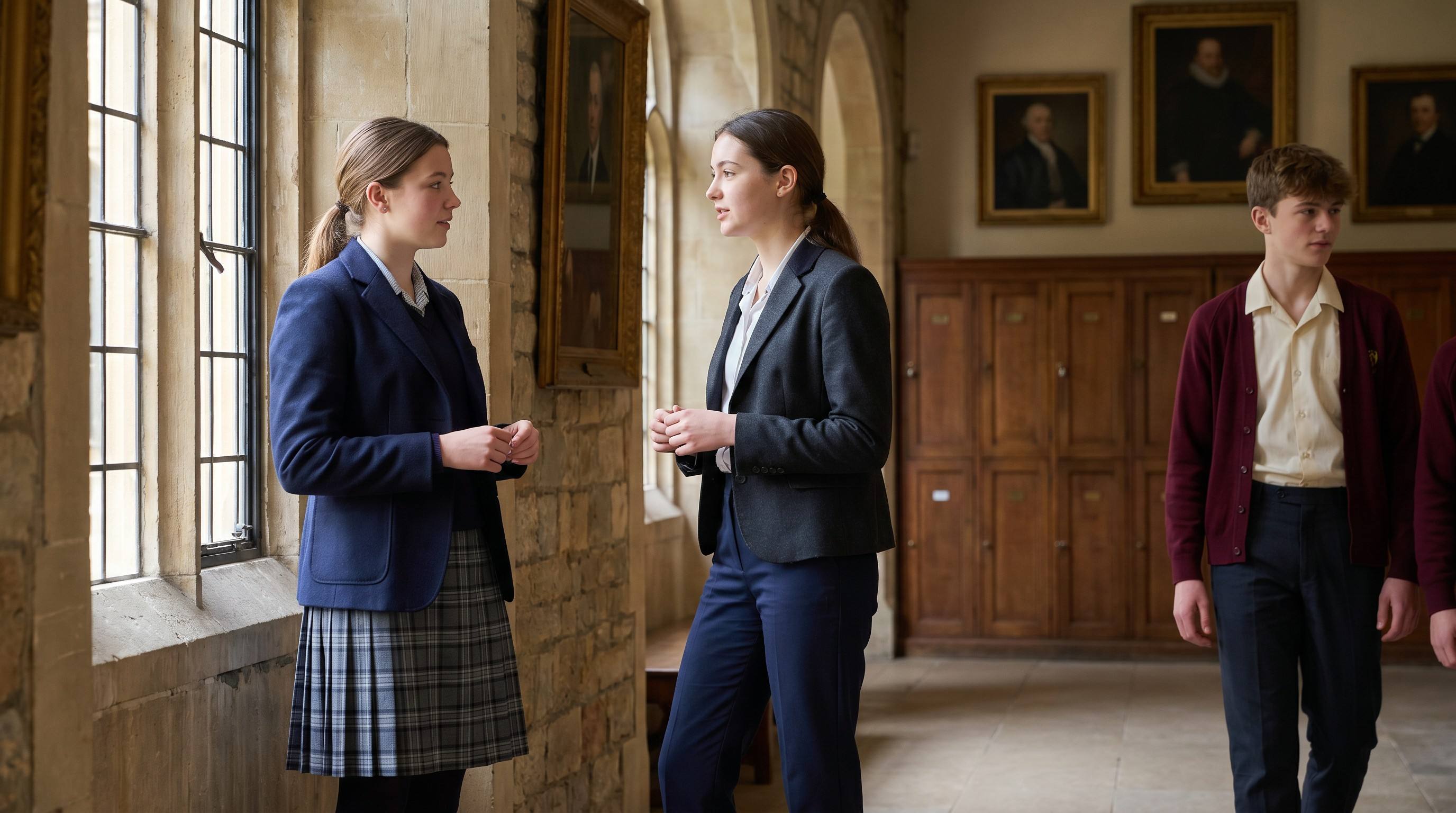
The European private and independent school market represents the pinnacle of educational apparel. Institutional prestige is woven into every thread, making the standard for traditional uniforms—tailored blazers, structured trousers, and crisp pleated skirts—exceptionally high. For mid-sized textile wholesalers and garment manufacturers, breaking into this lucrative niche requires moving past basic mass production. Success lies in mastering high-end tailoring details that command premium pricing from elite private academies.
Let’s break down the complex manufacturing processes, material challenges, and design details that define institutional-grade British style school uniform fabric and garments.
1. The Discerning European Market: Why Craftsmanship Rules Elite Classrooms
European private schools view their uniforms as a visual extension of their heritage. A blazer is not just daily wear; it is a walking billboard for the school’s brand. Because these garments endure heavy, daily use for at least 9 months a year, procurement officers and parents are intensely critical of structural integrity.
Poorly constructed blazers lose their shape after a few dry cleans, leading to saggy shoulders and puckered seams. To secure high-margin private school contracts, premium construction is non-negotiable. This requires a shift from standard poly-cotton blends to premium British styles school uniform fabric—specifically high-twist wool blends and performance synthetics that mimic traditional luxury drapes while offering modern durability.
2. Technical Breakdown: Anti-Static Linings and Worsted Fabric Integration
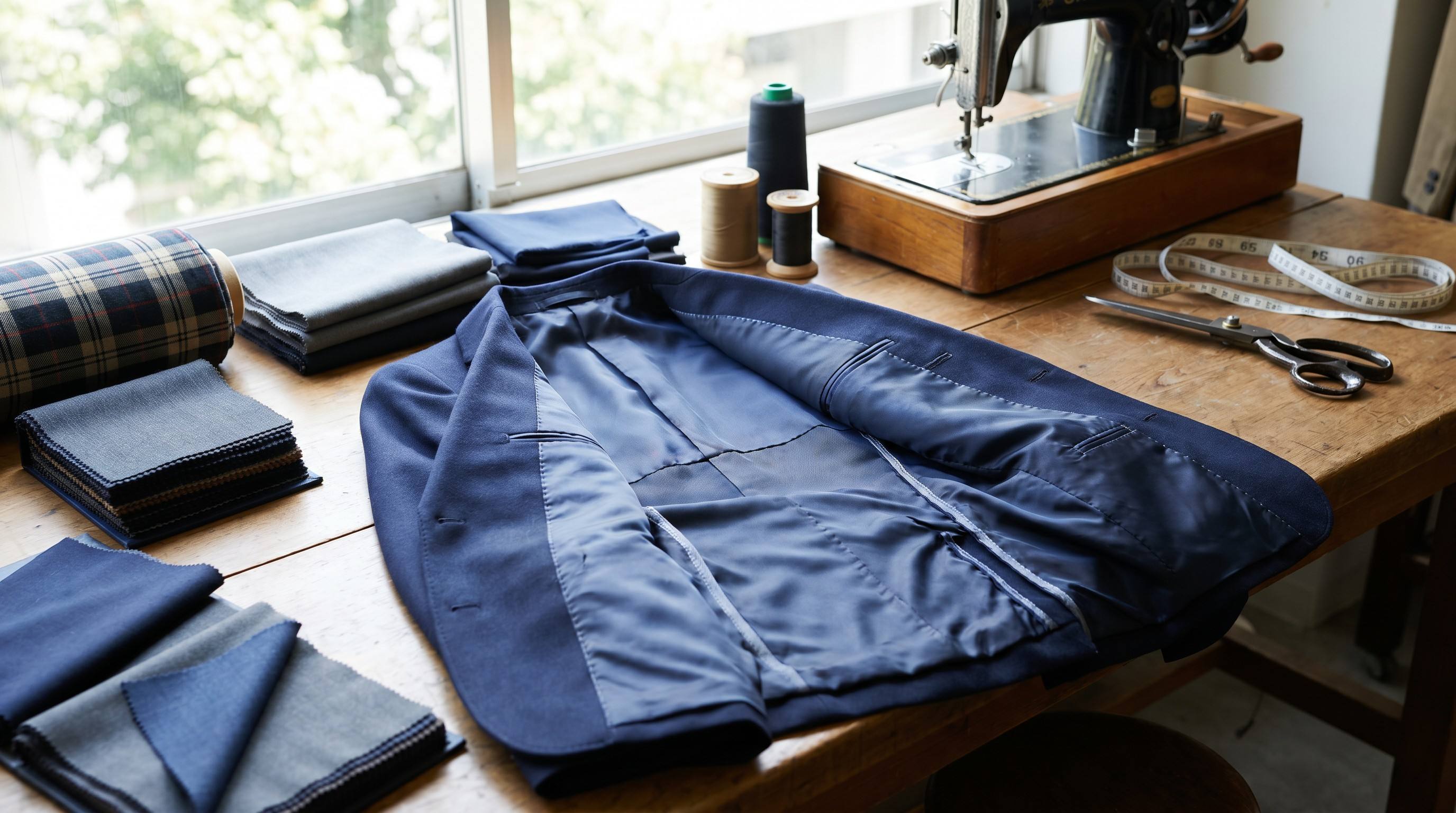
The core challenge in manufacturing premium blazers is marrying the shell fabric with the interior lining. These two materials behave entirely differently under a sewing machine needle.
Managing the Outer Shell and Weight
The traditional British look relies heavily on structured worsted wool or heavy-duty synthetic equivalents. For companion pieces like kilts and skirts, standard weights are strictly monitored. For example, the ideal target weight for common fabric used to make pleated plaid school uniforms is between 220GSM to 230GSM. This specific weight range offers the perfect balance: it is heavy enough to hold razor-sharp, permanent pleats that won’t flare out, yet light enough for year-round comfort.
The Lining Nightmare: Slippage and Puckering
Inside the blazer, comfort is king. Cheap uniforms rely on basic polyester that traps heat and generates static cling, making daily wear uncomfortable for students. Premium contracts demand an anti-static lining mixed with breathable weaves.
However, sewing an ultra-slick, lightweight anti-static lining to a sturdy 100 polyester school uniform fabric or wool-blend shell introduces two major manufacturing hurdles:
-
Seam Puckering: Because the tension requirements for the dense outer fabric and the fluid lining are vastly different, improper machine calibration causes the lining to bunch up, ruining the clean external drape.
-
Yarn Slippage: The slippery nature of anti-static filament yarns means seams can easily pull apart under stress (like a student throwing on a backpack). Manufacturers must utilize advanced overlocking and identical directional sewing to lock the lining flawlessly in place.
3. High-Quality Details That Win Private School Tenders
Mid-sized wholesalers can easily outmaneuver mass-market factories by focusing on the hidden architecture of the garment. When pitching to premium private academies, highlighting these three internal details often seals the deal:
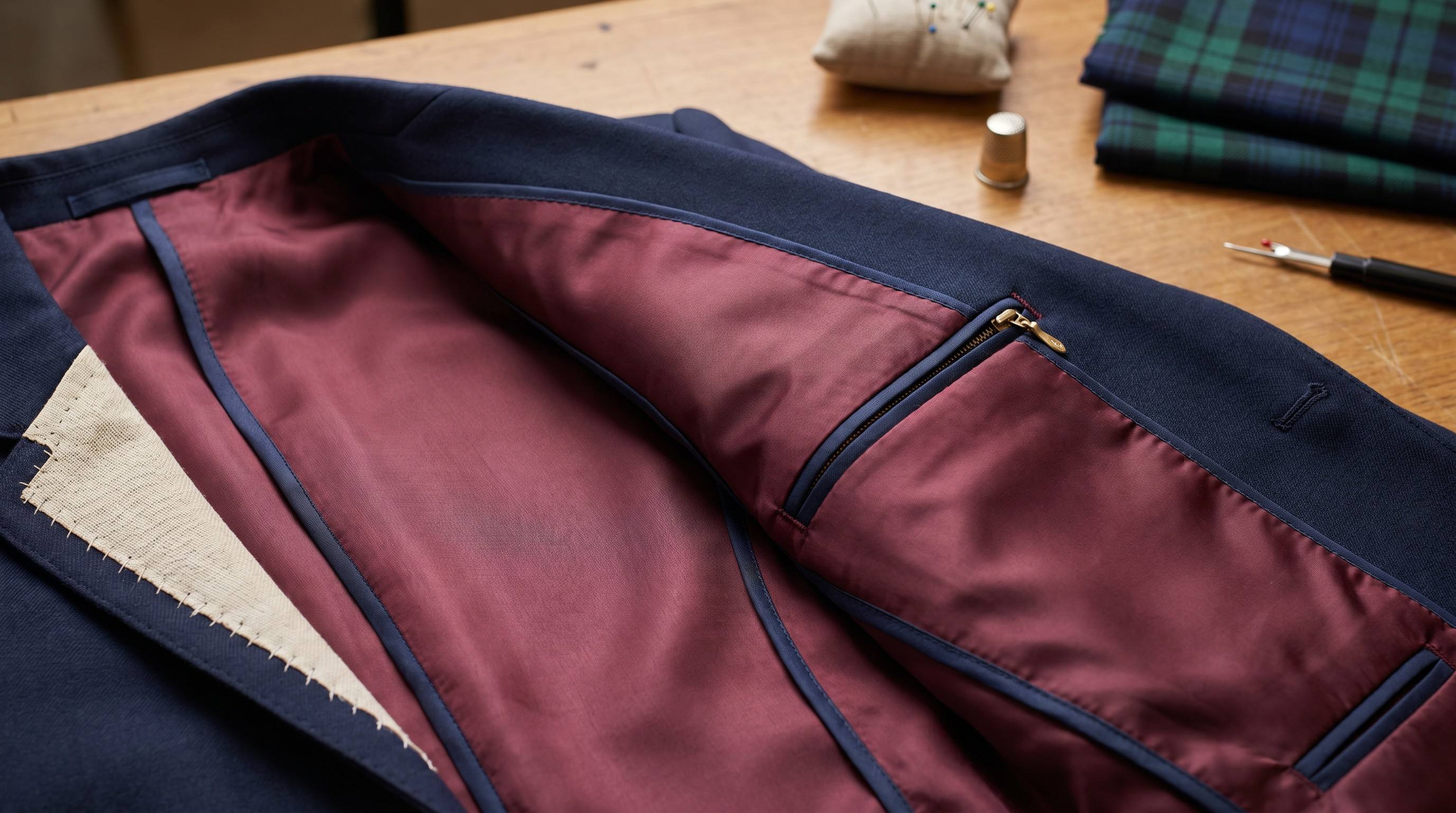
Premium Edge-Binding (Pipings)
Instead of raw overlocked interior seams, high-end British blazers utilize contrast or tonal fabric edge-binding (often called piping). This encloses the raw edges of the fabric joins inside the jacket, preventing fraying while creating a stunning visual contrast when the jacket is opened.
Hidden Internal Pockets
Modern school uniforms require functional utility. Integrating secure, double-piped internal zippered pockets for smartphones, transit cards, or lunch passes directly into the lining chest panels demonstrates a thoughtful approach to modern student life without disrupting the sleek external silhouette.
Tailored Shoulder Pads and Canvas Interlining
A premium blazer should maintain its crisp silhouette even when dropped on a locker floor. Utilizing high-resiliency foam or felt shoulder pads, coupled with a fused canvas interlining across the chest piece, ensures the jacket firmly holds its structure, giving students a confident, disciplined appearance.
Post time: Jul-07-2026