
In the competitive world of bulk uniforms and wholesale textiles, where businesses prioritize cost-effectiveness and long-term value, “Durability” stands as the cornerstone of brand success. Unlike fleeting trends or low price points, durability is a tangible, long-lasting attribute that directly impacts customer trust, repeat orders, and market standing. For wholesale buyers—whether they’re purchasing uniforms for hospitals, construction companies, retail chains, or industrial facilities—a single bad experience can shatter a brand’s reputation irreparably. Imagine a security company that invests in bulk jackets, only to find unsightly fuzz balls (known as pilling) forming after just two weeks of daily wear, or a restaurant that orders aprons that fade and tear within a month. These failures don’t just lead to wasted money; they erode trust, drive customers to competitors, and damage a brand’s credibility in a market where word-of-mouth and repeat business are everything. As a seasoned textile manufacturer with years of experience serving wholesale clients worldwide, we firmly believe that understanding the science of fabric wear, from fiber structure to testing protocols, is the only way to avoid these costly disasters and build a brand that stands the test of time.
In today’s digital age, where wholesale buyers turn to Google to research textile suppliers and compare products, the importance of durability is amplified. Search queries like “anti-pilling uniform fabrics,” “durable wholesale textiles,” and “colorfast workwear” are on the rise, as buyers seek to avoid the pitfalls of low-quality products. Google’s algorithm, which prioritizes EEAT (Expertise, Authoritativeness, Trustworthiness) in content, rewards brands that provide detailed, actionable information about product durability—positioning them higher in search results and driving organic traffic. For textile brands, this means that investing in durable products isn’t just a quality choice; it’s a strategic SEO and business decision that directly impacts visibility and revenue.
What Causes Pilling? The Science Behind Fabric Fuzz
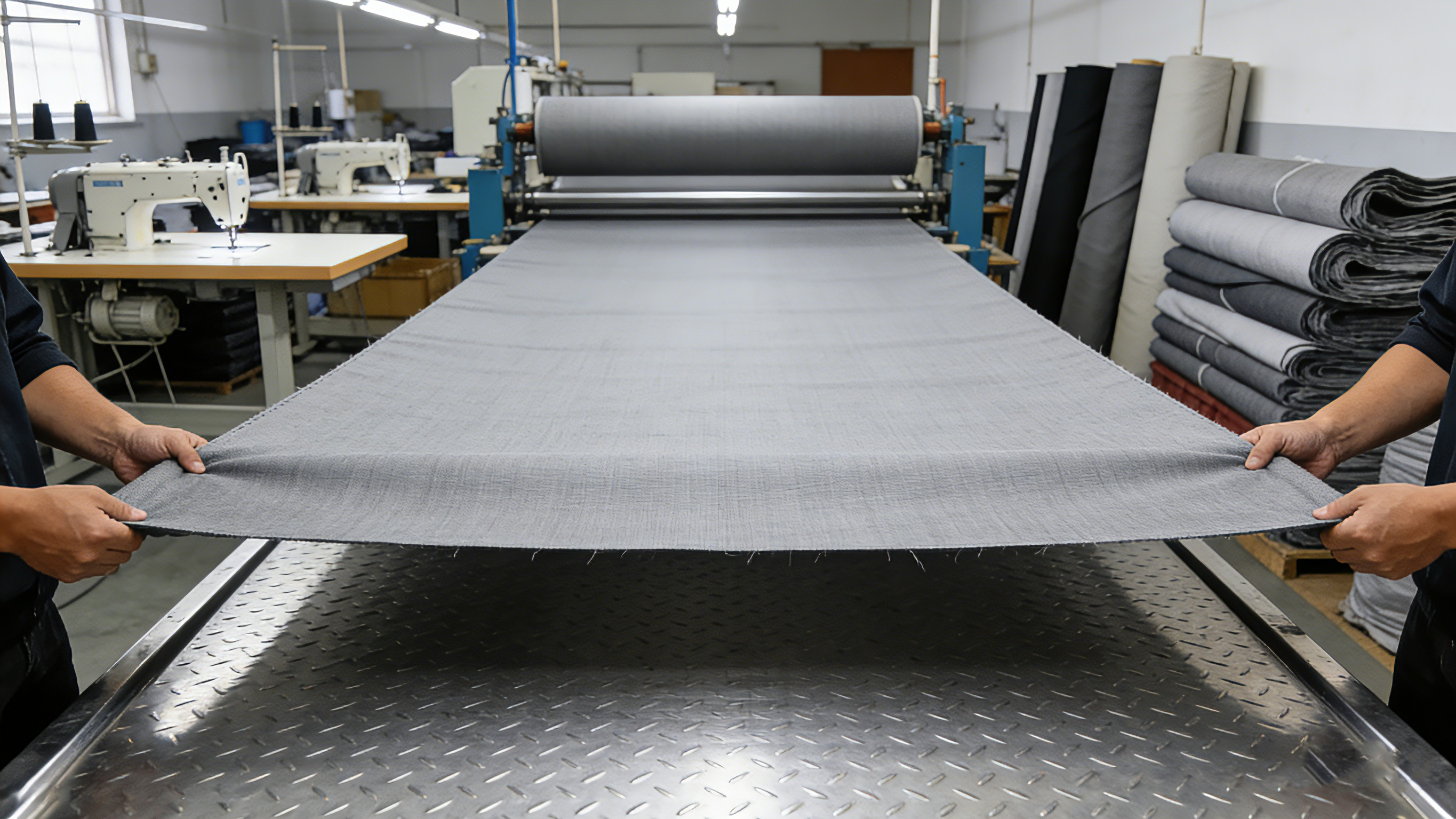
Pilling is one of the most common and frustrating issues plaguing wholesale textiles, and it’s a leading cause of customer complaints and returned orders. To address it effectively, it’s critical to first understand the physics behind how pilling occurs. Pilling happens when friction—whether from daily movement, contact with other fabrics, or washing—causes loose fibers on the fabric’s surface to break free and tangle together. Over time, these tangled fibers form small, unsightly balls that ruin the garment’s appearance and reduce its lifespan. This issue is particularly prevalent in synthetic blends, such as polyester-cotton or nylon-spandex mixes, which are widely used in uniforms due to their affordability and versatility. However, even natural fibers like cotton or wool can pill if not treated properly.
The key to preventing pilling lies in two core strategies: using high-quality raw materials and implementing specialized finishing processes. At our manufacturing facility, we exclusively use High-Tenacity (HT) yarns, which are engineered to be stronger and more resistant to breakage than standard yarns. These yarns have a tighter molecular structure, reducing the number of loose fibers that can become dislodged during wear. According to a 2025 industry study by the China Report Hall, anti-pilling yarns—like the HT varieties we use—can reduce pilling by up to 70% compared to standard yarns, especially when combined with proper finishing techniques. We also apply specific “Anti-Pilling” finishes, which create a protective layer on the fabric’s surface, binding loose fibers together and minimizing friction-induced damage.
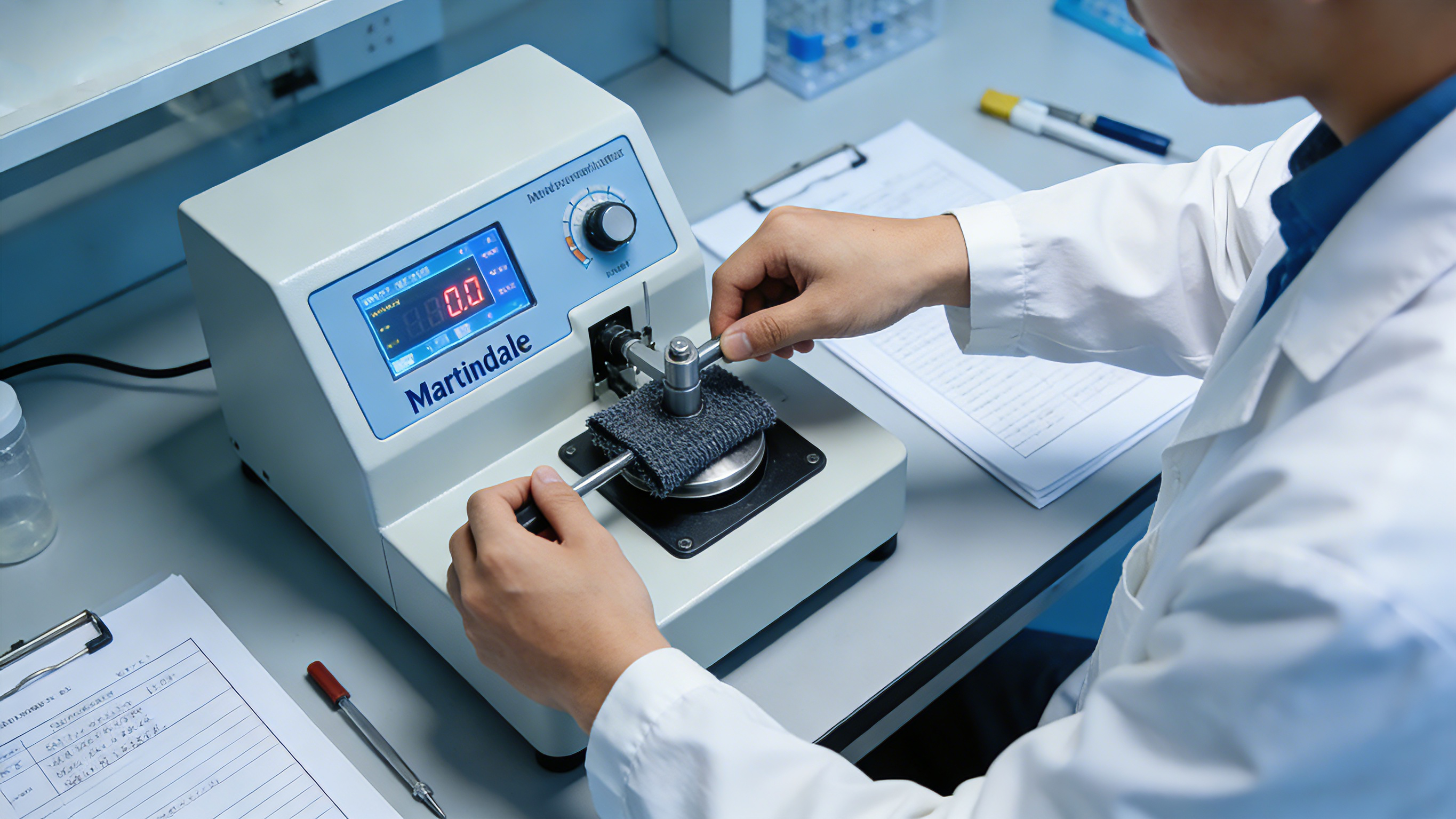
For wholesale buyers, verifying a fabric’s anti-pilling performance is crucial—and it doesn’t require expensive equipment. The gold standard for testing abrasion and pilling resistance is the Martindale Abrasion Test, a globally recognized method that simulates real-world wear by rubbing fabric against a standard abrasive surface. This test measures the number of rub cycles a fabric can withstand before showing signs of pilling or wear. According to textile industry standards (ISO 12947 and GB/T 21196), high-quality uniform fabrics should pass at least 20,000 rub cycles, while our fabrics consistently exceed 30,000 cycles—ensuring they can withstand months of daily use in high-activity environments. By sharing these test results with wholesale clients, we not only demonstrate our commitment to quality but also provide the transparent, data-driven information that Google’s algorithm values for SEO.
Colorfastness: Keeping the “New” Look for Long-Term Brand Consistency
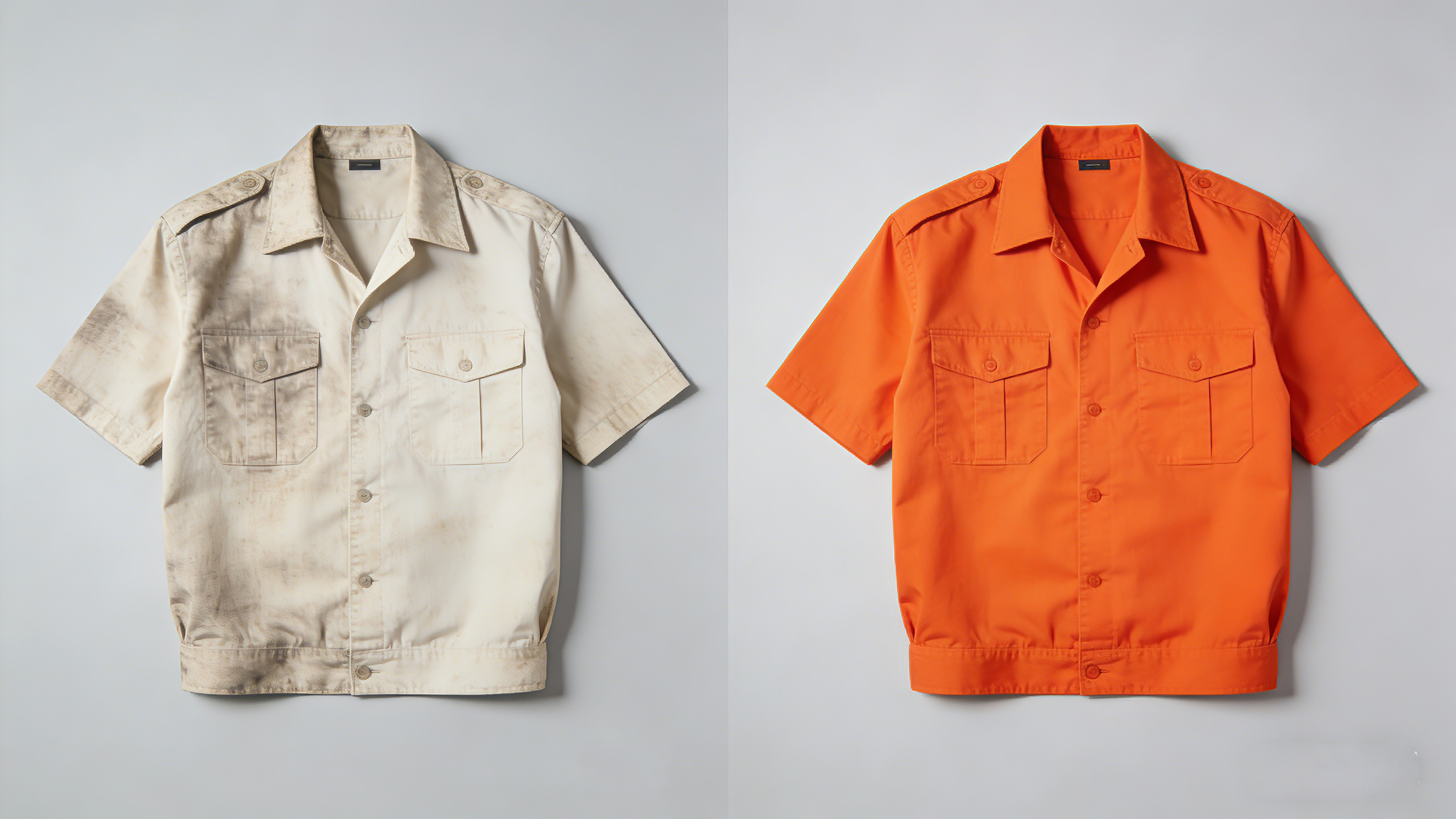
While pilling damages a garment’s texture, fading and color bleeding ruin its appearance—and for brands that rely on consistent branding, this is equally devastating. Imagine a chain of hotels where housekeeping uniforms fade from deep navy to a dull gray after a few washes, or a construction company whose safety vests lose their bright orange hue, compromising visibility. In the wholesale textile market, color consistency isn’t just an aesthetic concern; it’s a brand identity issue. Customers expect the uniforms they order today to match the ones they ordered last year, and any deviation can lead to confusion, dissatisfaction, and lost business.
Colorfastness—the ability of a fabric to retain its color through washing, sunlight, and wear—is determined by the quality of dyes used and the dyeing process. At our factory, we use two types of high-performance dyes to ensure maximum color retention: disperse dyes for synthetic fibers (like polyester) and reactive dyes for natural fibers (like cotton and linen). Disperse dyes are ideal for synthetics because they penetrate the fiber’s molecular structure, creating a permanent bond that resists fading. Reactive dyes, on the other hand, form a chemical bond with natural fibers, ensuring vibrant colors that don’t bleed or fade even after repeated washes.
We also conduct rigorous colorfastness testing to meet global standards, including Colorfast to Light (ISO 105-B02) and Colorfast to Washing (ISO 105-C06). Our fabrics achieve a minimum rating of 4-5 on the AATCC colorfastness scale (where 5 is the highest), meaning they show no visible fading after 50+ washes or 100+ hours of direct sunlight exposure. This level of colorfastness is critical for wholesale clients, as it reduces the need for frequent replacements and ensures brand consistency across locations. For example, a logistics company that operates in 50+ cities can trust that their uniforms will look identical, whether they’re ordered in January or December. This consistency not only improves customer satisfaction but also strengthens brand recognition—a key factor in driving repeat orders.
A common challenge in colorfastness is heat migration, a issue where disperse dyes migrate from the fiber’s interior to the surface during high-temperature processing (like ironing or drying), causing fading or discoloration. To address this, we use heat-resistant disperse dyes and optimize our finishing processes, ensuring that colors remain stable even in harsh conditions. This attention to detail is what sets high-quality manufacturers apart—and it’s the kind of expertise that Google rewards in SEO content, as it demonstrates authority and trustworthiness.
The Importance of Tear and Tensile Strength: Durability Beyond Appearance
Uniforms are not just clothing—they’re workwear, designed to withstand the rigors of daily activity. Whether it’s a nurse reaching for medical supplies, a technician climbing a ladder, a warehouse worker lifting heavy boxes, or a chef moving quickly in a kitchen, uniforms are subjected to constant stress, stretching, and friction. This means that durability isn’t just about preventing pilling and fading; it’s about ensuring the fabric can resist tearing and stretching, even under pressure. Tear strength (the ability to resist ripping) and tensile strength (the ability to resist stretching or breaking) are the “hidden” metrics that separate high-quality uniforms from cheap, disposable ones.
Tensile strength is measured by pulling a fabric sample until it breaks, with results reported in Newtons (N). For uniform fabrics, a minimum tensile strength of 300N is recommended for high-activity environments, while our fabrics consistently achieve 400N or higher—thanks to our use of tight weave construction and high-tenacity yarns. Tear strength, meanwhile, is measured using the ASTM D3885 standard, which simulates the tearing forces that occur during daily wear. Our fabrics exceed industry standards for tear strength, ensuring they don’t rip when stretched or caught on objects—a common issue with low-quality textiles.
One of the most critical areas for strength is seams, which are often the weakest point in a garment. To address this, we use double-needle stitching and reinforced seams in high-stress areas (like cuffs, collars, and pockets), increasing seam strength by up to 50% compared to single-needle stitching. This attention to detail ensures that uniforms hold up even in the most demanding work environments. For example, a construction company in Texas reported that our uniforms lasted 18 months on average, compared to 6 months for their previous supplier—reducing their uniform costs by 40% annually. This kind of real-world performance is what drives repeat business and positive reviews, which in turn boost SEO rankings by signaling to Google that the content is valuable and trustworthy.
Educating Customers: Shifting the Conversation from Price to Value
In the wholesale textile market, many buyers are tempted to prioritize “price per meter” over quality—a decision that often leads to higher long-term costs. A cheap fabric that pills, fades, or tears quickly requires frequent replacements, increasing total spending and wasting resources. As manufacturers, our role is not just to produce durable fabrics, but to educate our wholesale clients on the value of these “hidden” metrics—pilling resistance, colorfastness, tensile strength—and how they impact their bottom line.
By providing clients with test data, case studies, and real-world examples, we help them understand that investing in durable fabrics is a cost-effective decision. For instance, a retail chain that switches to our anti-pilling uniforms can reduce replacement orders by 30%, saving thousands of dollars annually. Similarly, a hospital that uses our colorfast scrubs can maintain a professional appearance across all departments, enhancing patient trust and brand image. This shift in mindset—from focusing on upfront cost to long-term value—is not only beneficial for our clients but also for our brand, as it positions us as a trusted advisor rather than just a supplier.
From an SEO perspective, creating content that educates buyers about durability metrics helps capture long-tail search queries, such as “how to choose durable uniform fabrics” or “what is tensile strength in textiles.” These queries are often used by high-intent buyers who are ready to make a purchase, making them valuable for driving conversions. By incorporating these keywords naturally into our content, along with data, case studies, and industry standards, we improve our visibility in Google search results and attract qualified leads.
Conclusion: Durability as a Brand-Building Tool
In the world of bulk uniforms and wholesale textiles, durability is more than just a product feature—it’s a brand-building tool. Pilling, fading, and tearing are not just minor inconveniences; they’re reputation-damaging issues that can cost brands customers and revenue. By prioritizing high-tenacity yarns, anti-pilling finishes, colorfast dyes, and reinforced construction, manufacturers can create products that stand the test of time. For wholesale buyers, choosing durable fabrics is an investment in their brand’s reputation, customer satisfaction, and long-term cost savings.
In today’s digital landscape, where Google SEO plays a critical role in reaching potential clients, brands that emphasize durability and share actionable, data-driven information will stand out from the competition. By focusing on EEAT principles—demonstrating expertise through detailed explanations, authority through industry standards and test results, and trustworthiness through case studies and transparent practices—textile brands can improve their search rankings, attract more qualified leads, and build lasting relationships with wholesale clients. At the end of the day, a brand that delivers durable, high-quality textiles doesn’t just sell products—it builds trust, loyalty, and a reputation that lasts.
Post time: Feb-27-2026