
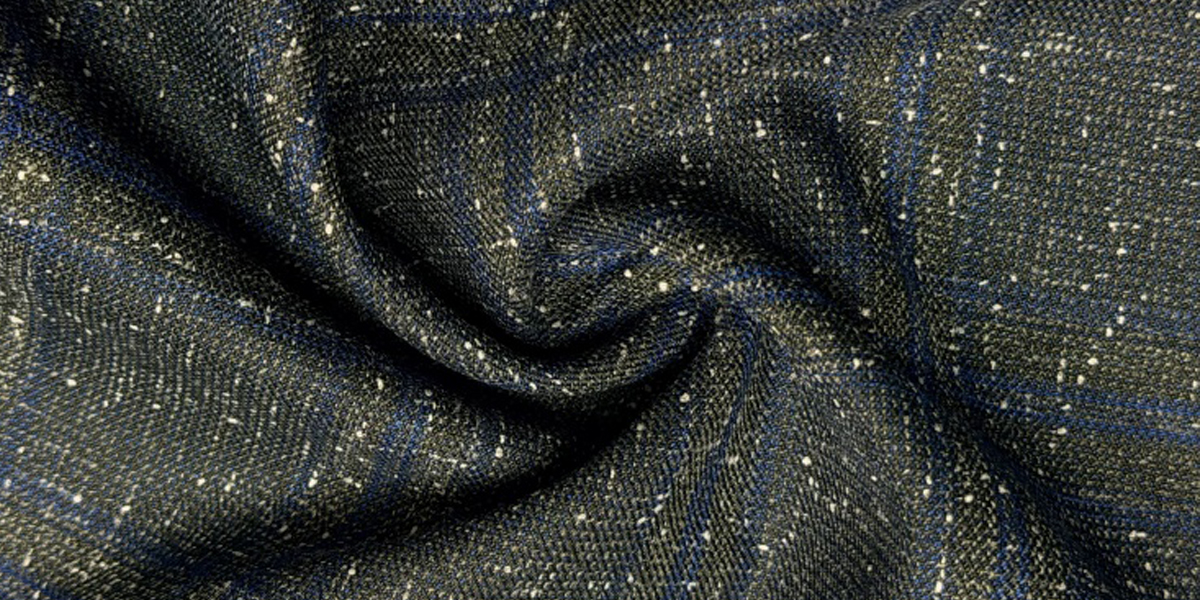
Fabric choice plays a crucial role in fashion design. Designers leverage the versatility of plaid TR fabric, including the innovative Organic Snow-Melt Plaid Fabric, to create unique styles that resonate with consumers. Currently, high-weight TRSP Houndstooth and other plaid TR fabrics are in high demand due to their unique patterns and textures. Fashion trends highlight the importance of quality and pattern selection, significantly influencing design outcomes, especially with the use of wrinkle-resistant stretch suiting that enhances comfort and style. The crisp and structured woven TR fabric from the TRSP Series fabric collection further elevates the design possibilities for contemporary fashion.
Key Takeaways
- Select plaid TR fabric based on its composition. A blend of polyester and rayon offers durability and comfort, making it ideal for stylish garments.
- Inspect fabric quality through visual cues. Look for smooth texture, consistent weaving, and minimal pilling to ensure a premium finish.
- Choose the right plaid pattern and scale to flatter different body types. This enhances the overall fit and style of the garment.
Characteristics of Plaid TR Fabric
Fabric Composition
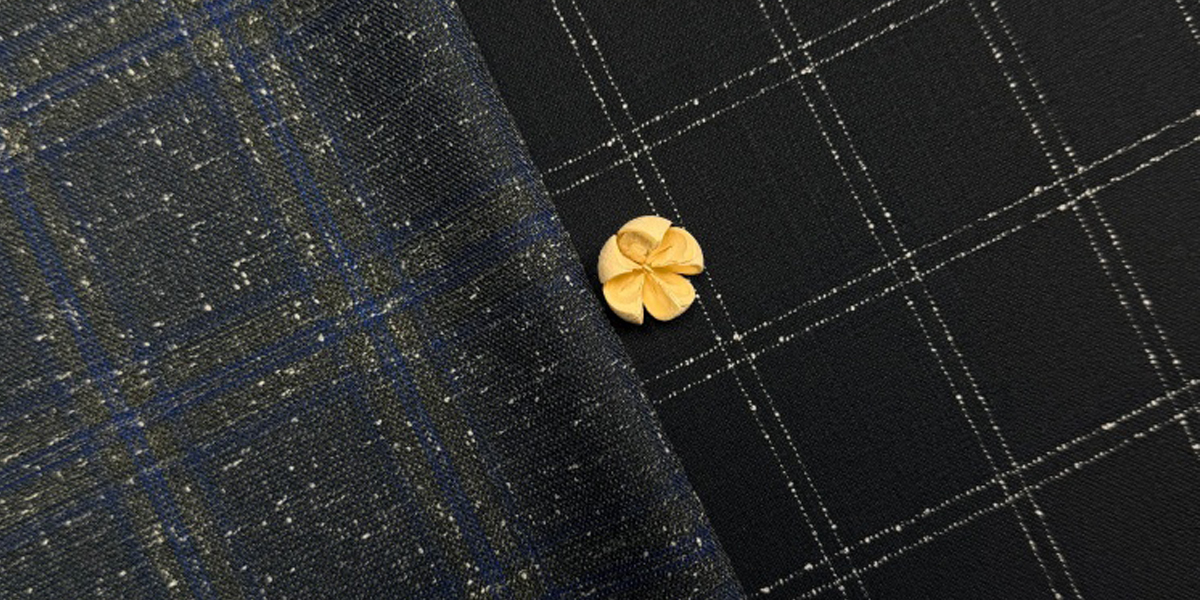
Plaid TR fabric typically consists of a blend of synthetic fibers, primarily polyester and rayon. This combination enhances the fabric’s performance in various ways. The following table summarizes the main fiber components and their contributions:
| Fiber Type | Percentage Range | Contribution to Performance |
|---|---|---|
| Polyester | 55–70% | Adds strength, wrinkle resistance, and durability. |
| Viscose/Rayon | 30–45% | Contributes softness, breathability, and luxurious drape. |
The polyester content enhances durability and shape retention, making it ideal for structured garments. Meanwhile, the rayon component increases comfort and provides a silk-like appearance, which is particularly appealing in fashion-forward designs.
Texture and Feel
The tactile characteristics of high-quality plaid TR fabric set it apart from other synthetic blends. Designers appreciate its soft, smooth texture, which feels comfortable against the skin. Key features include:
- Softness & Comfort: The fabric mimics the feel of cotton or silk, enhancing overall wearability.
- Drape & Flow: It exhibits excellent drape, contributing to a polished appearance in garments.
- Breathability: The fabric allows for air circulation, making it suitable for various wear conditions.
These attributes make plaid TR fabric an excellent choice for creating stylish and comfortable clothing.
Durability and Care
Maintaining the durability of plaid TR fabric is essential for preserving its appearance and performance. Recommended care instructions include:
- Many plaid suiting fabrics are machine washable or require minimal dry cleaning.
- Always check the garment’s care label before washing to avoid damage.
- High heat or improper cleaning methods can harm fibers, fade colors, or distort the weave.
- For tailored pieces like suits or blazers, professional dry cleaning is often recommended.
By following these care guidelines, designers and consumers can ensure that their garments remain in excellent condition, showcasing the fabric’s unique qualities for years to come.
Assessing Quality of Plaid TR Fabric
Visual Inspection
A thorough visual inspection reveals much about the quality of plaid TR fabric. Designers and manufacturers rely on several key indicators to determine fabric excellence. The table below highlights the most reliable visual cues:
| Indicator | Description |
|---|---|
| Texture and Hand Feel | The fabric should feel smooth and soft, indicating a premium finish. |
| Weave Consistency | Look for even weaving; gaps or irregularities suggest poor quality. |
| Elasticity and Recovery | High-quality fabric should return to its original shape quickly after stretching. |
| Color Fastness | Ensure colors do not bleed or fade, indicating durability. |
| Pilling Resistance | Minimal pilling suggests better fiber quality and finishing processes. |
Inspecting the texture and hand feel helps identify fabrics with a refined surface and softness. Consistent weaving patterns without visible flaws or loose threads indicate superior craftsmanship. Stretch the fabric gently to test elasticity; it should snap back without distortion. Check color vibrancy under natural light to confirm color fastness. Finally, examine the surface for signs of pilling, which can degrade the fabric’s appearance over time.
Industry professionals also assess color consistency and pattern alignment carefully. Understanding the dyeing and printing techniques used can provide insight into the fabric’s quality. Rotary screen printing, for example, ensures precise color registration and efficient production. Disperse dye systems offer excellent resistance to fading from light and washing. Proper pattern alignment and tolerance are critical to avoid waste and guarantee matched seams in finished garments.
Weight and Thickness
Weight and thickness play a vital role in the fabric’s suitability for different apparel types. Plaid TR fabric comes in various weights, each serving distinct fashion purposes. The following table summarizes typical weight categories and their applications:
| Weight Category | GSM Range | Application |
|---|---|---|
| Lightweight | 80–120 GSM | Summer dresses, blouses, shirts, linings |
| Medium-weight | 120–180 GSM | Everyday shirts, skirts, lightweight jackets |
| Heavyweight | 180+ GSM | Flannel shirts, jackets, blankets, upholstery |
Heavier fabrics provide structure and warmth, making them ideal for outerwear and tailored pieces. Medium-weight fabrics balance comfort and durability, suitable for versatile garments. Lightweight options offer breathability and softness for warm-weather clothing. Designers should select fabric weight based on the intended garment’s function and seasonality.
Stitching and Finish
The stitching and finish of plaid TR fabric significantly affect the final garment’s quality and longevity. High-quality fabrics often come with precise, tight stitching that prevents fraying and maintains shape. Examine seam edges for neatness and uniformity. Well-finished edges reduce the risk of unraveling during wear or cleaning.
Additionally, the fabric’s finish contributes to its aesthetic and performance. A crisp finish enhances the fabric’s structure, supporting sharp silhouettes in tailored designs. Some finishes also improve wrinkle resistance and color retention. When sourcing plaid TR fabric, verify that the finish aligns with the garment’s design requirements and expected wear conditions.
Tip: Request fabric samples to inspect stitching and finish firsthand. This step helps ensure the fabric meets professional standards before bulk purchasing.
Selecting Patterns for Plaid TR Fabric Designs
Popular Plaid Patterns
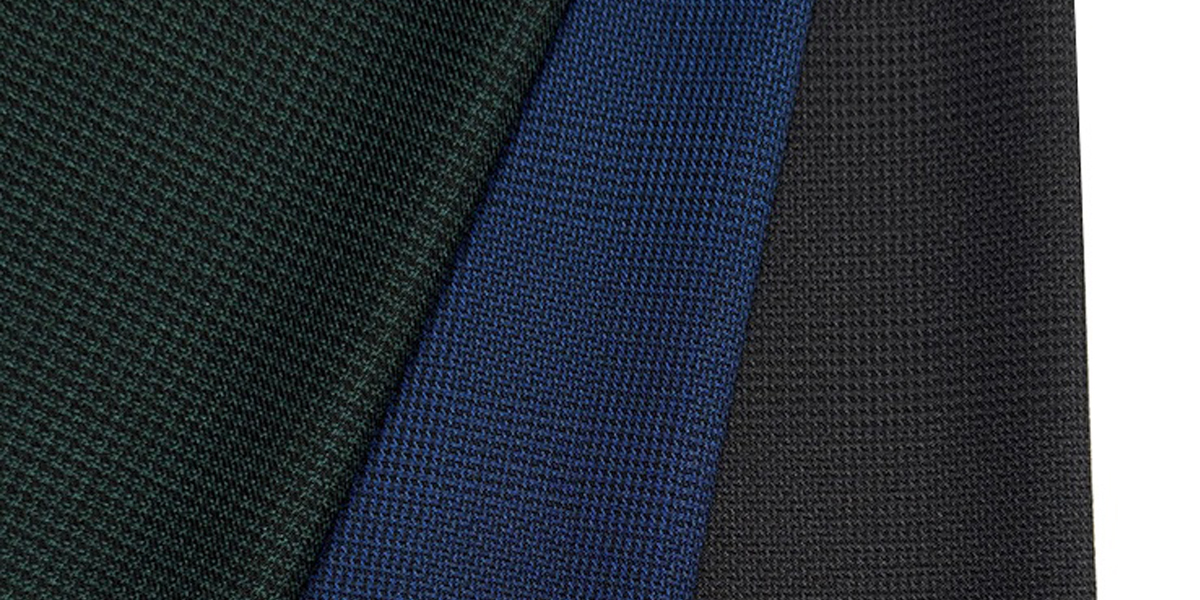
Designers often gravitate toward specific plaid patterns that enhance their collections. The following patterns are particularly popular in contemporary fashion:
- Houndstooth
- Tartan
- Gingham
These patterns not only add visual interest but also convey different styles and formality levels in garments.
Color Combinations
Color plays a vital role in the appeal of plaid TR fabric. Designers can create striking combinations that resonate with their target audience. For instance, pairing deep navy with forest green can evoke sophistication, while bright hues like red and yellow in gingham patterns can create a playful vibe.
The table below illustrates how different plaid types influence style and formality:
| Plaid Type | Description | Style/Formality Association |
|---|---|---|
| Tartan plaid | Multicolor pattern linked to Scottish clans, used in various garments. | Casual and formal settings, cultural identity. |
| Madras plaid | Bright, lightweight cotton pattern associated with summer wear. | Typically casual, vibrant aesthetic. |
| Glen plaid | Formal plaid with small and large checks, often used in tailored garments. | Conveys sophistication, suitable for professional settings. |
| Casual flannel | Soft, warm plaids for autumn/winter casual wear. | Casual, inviting aesthetic. |
Scale and Size Considerations
When selecting plaid patterns, designers must consider the scale and size to flatter different body types. The following table provides guidelines for choosing the right scale:
| Body Type | Plaid Pattern Scale & Style Recommendations | Fit & Styling Guidelines |
|---|---|---|
| Broader Frames | Prefer medium-scale plaids with contrasting yarns to add definition; avoid large checks that add volume. | Use jacket with slight taper at waist; mid-rise trousers; structured waistcoat to enhance silhouette. |
| Slimmer Individuals | Opt for smaller, tighter plaid patterns that do not overwhelm the frame. | Choose slim or tailored fits; vertical stripes in plaid can elongate torso; balance trouser length to avoid shortening legs. |
| Rectangular / Athletic | Medium-scale plaids recommended; focus on creating definition. | Slight waist taper in jacket; mid-rise trousers with moderate break; double-breasted vest for structure. |
| Apple / Round Midsection | Use longer lines in plaid sets to cover hip area; avoid bold horizontal bands that shorten legs. | Two-button jackets with longer line; higher rise flat front trousers; unbuttoned or V-neck waistcoat styles. |
| Hourglass / Balanced Proportions | Natural shoulder lines with defined waist suppression; balanced plaid scale. | Fully tailored jackets with slight taper; single-breasted waistcoats to highlight waist; tailored trousers. |
| Pear / Broader Hips | Strong shoulder padding to balance hips; avoid tight cuffs; longer waistcoat length to balance lower half. | Straight-leg trousers; minimal waist suppression in jacket; use plaid scale that complements broader hips. |
By understanding these elements, designers can create garments that not only look good but also fit well and enhance the wearer’s silhouette.
Sourcing and Purchasing Plaid TR Fabric
Online Retailers
Online retailers offer a convenient way to source plaid TR fabric. They provide a wide selection of fabrics, allowing designers to shop from home. Here are some advantages and disadvantages of purchasing fabric online:
- Advantages:
- Wide selection of fabrics available.
- Convenience of shopping from home.
- Ability to compare different fabrics and prices easily.
- Access to customer reviews to gauge quality.
- Disadvantages:
- Inability to physically touch or feel the fabric.
- Potential confusion regarding fabric types and content.
- Challenges in ensuring the correct amount of fabric, especially for patterns like plaid.
For high-quality plaid TR fabric, platforms like iyunaitextile.com stand out. They specialize in polyester rayon blends, receiving positive feedback for product quality and timely delivery.
Local Fabric Stores
Local fabric stores provide a tactile experience that online shopping cannot match. When evaluating plaid TR fabric at these stores, consider the following factors:
| Factor | Description |
|---|---|
| Fiber Composition | Common blends include 60% cotton / 40% polyester for durability. |
| GSM | Ranges from 116gsm (lightweight) to 195gsm (heavy-duty). |
| Weave Type | Options like poplin, twill, and flannel impact texture and durability. |
| Dye Method | Yarn-dyed fabrics are more colorfast compared to piece-dyed ones. |
| Minimum Order Quantity | Typically ranges from 500 to 3000 meters, depending on the supplier. |
| Compliance | Ensure the fabric meets safety standards such as CPSIA and OEKO-TEX®. |
Wholesale Suppliers
Sourcing plaid TR fabric from wholesale suppliers offers several benefits. These suppliers often support sustainability by using eco-conscious processes. They provide access to high-quality materials that appeal to environmentally-aware consumers. Additionally, sourcing from wholesale suppliers helps brands align with corporate social responsibility commitments, enhancing their reputation.
When considering wholesale options, be aware of minimum order quantities and pricing structures:
| Supplier Type | Minimum Order Quantity | Pricing Structure |
|---|---|---|
| New Buyers | 20-50 meters | Competitive per-meter rates |
| Established Buyers | 100+ meters | Tiered discounts for larger orders |
| All Suppliers | Varies | Hidden costs may apply |
By exploring these sourcing options, designers can find the right plaid TR fabric to elevate their collections.
Choosing the right plaid TR fabric involves several key characteristics. Designers should prioritize versatility, durability, and the ability to hold shape. Quality assessment is crucial, as it impacts product longevity and customer satisfaction. Additionally, careful pattern selection ensures visual consistency and brand integrity.
Exploring various sourcing options can lead to the best fabric choices, enhancing design outcomes and brand reputation.
FAQ
What is plaid TR fabric?
Plaid TR fabric combines polyester, rayon, and spandex, offering durability, comfort, and a stylish appearance for various garments.
How do I care for plaid TR fabric?
Most plaid TR fabrics are machine washable. Always check care labels for specific instructions to maintain quality.
Where can I buy plaid TR fabric?
You can purchase plaid TR fabric from online retailers, local fabric stores, or wholesale suppliers for the best selection and pricing.
Post time: Mar-26-2026