
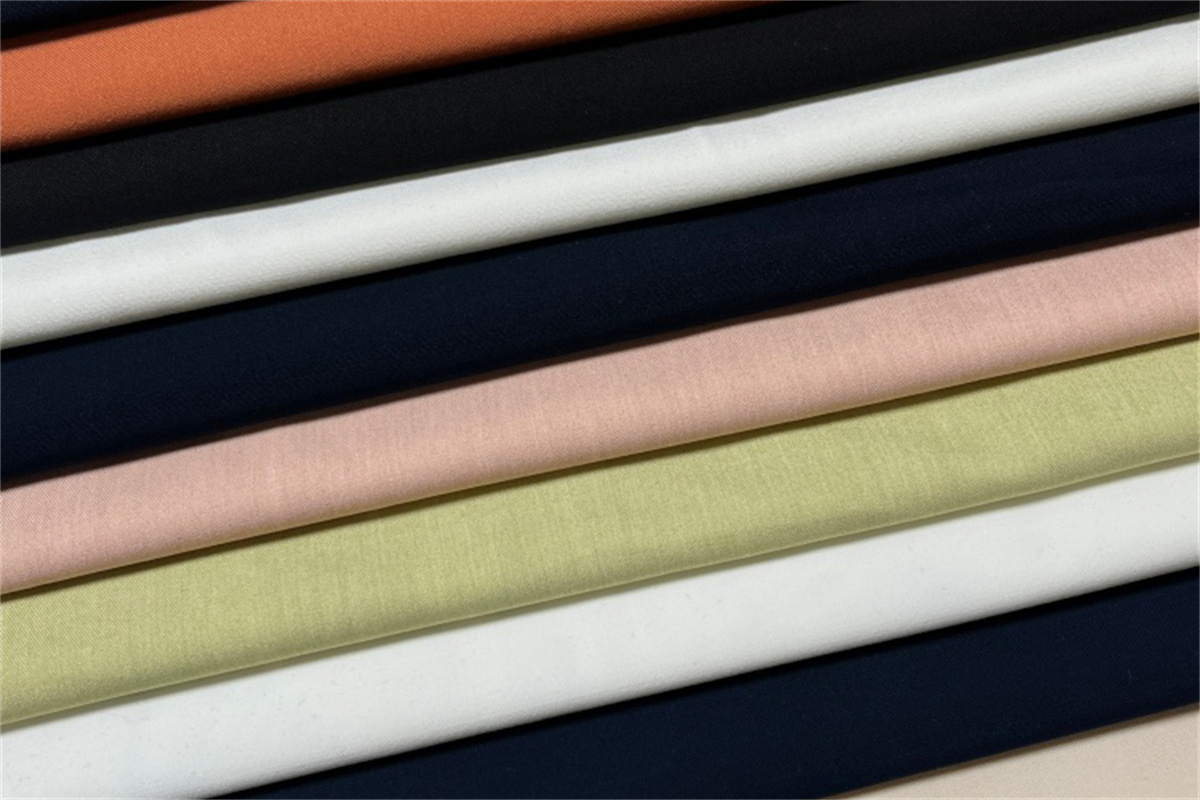
I ensure an impeccable fit and personalized style for your polyester rayon (TR) suit. My focus is on polyester rayon fabric customized designs for suits. We tailor dimensions and design elements to your unique body and preferences. This ensures your TR suit fabric reflects your individual taste. Consider a Striped Woven Fabric T/R/SP for suit and coat, or a refined woven coat fabric. I guarantee your polyester rayon coat fabric garment will be perfect.
Key Takeaways
- TR fabric is a great choice for suits. It looks good, resists wrinkles, and lasts a long time. It also costs less than other fabrics.
- A perfect suit fit needs special changes. Tailors adjust jackets and pants to fit your body. This makes your suit look sharp and feel comfortable.
- You can make your suit unique. Choose different lapels, pockets, and patterns like stripes or plaid. This shows off your personal style.
Understanding Polyester Rayon Fabric Customized Designs for Suits
Benefits of TR Fabric for Tailoring
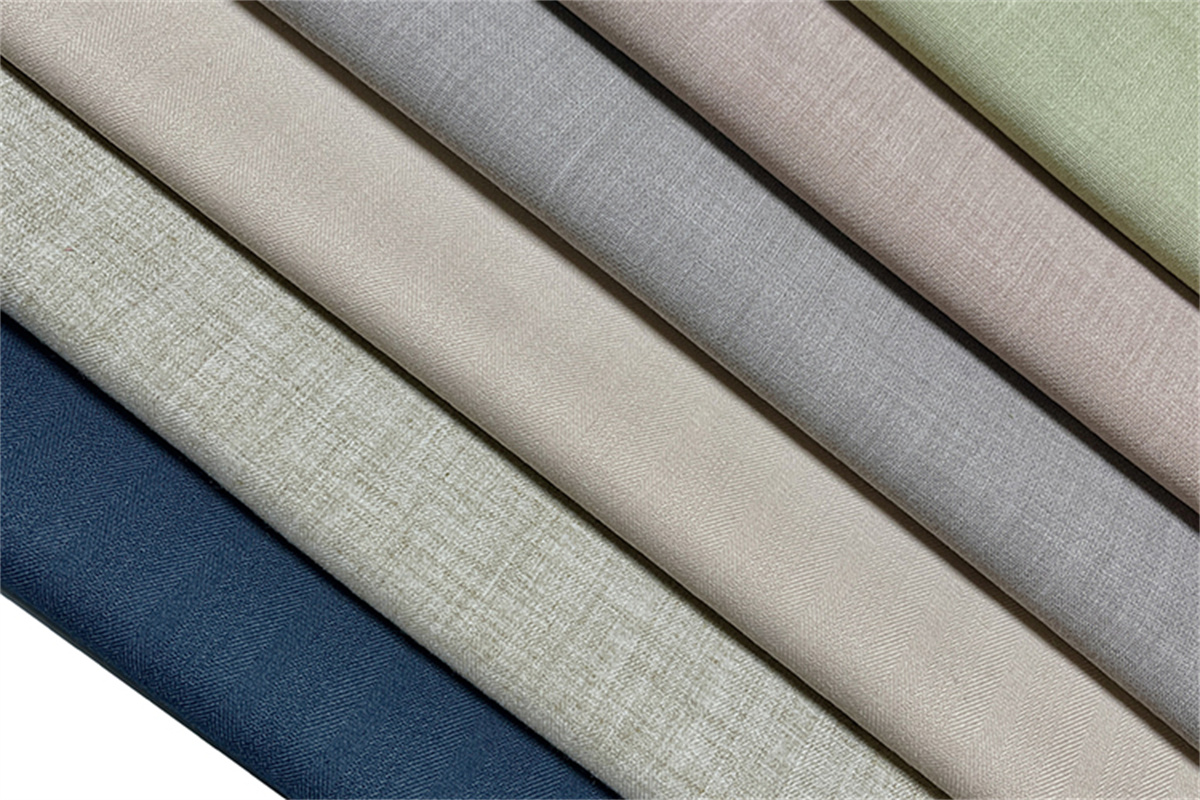
I find TR fabric an outstanding choice for tailoring. It offers a beautiful drape, making your suit hang elegantly on your body. This fabric also resists wrinkles very effectively. This keeps your suit looking sharp and polished throughout the day. I appreciate its durability; it ensures your customized suit maintains its quality for a long time. Furthermore, TR fabric is breathable, adding to your comfort. Its versatility allows me to create various suit styles. It adapts well to different cuts and designs. It is also a cost-effective option. This makes high-quality polyester rayon fabric customized designs for suits more accessible. I ensure these benefits enhance your polyester rayon fabric customized designs for suits.
Key Characteristics of TR Blends
TR blends combine polyester and rayon fibers. Polyester provides excellent strength and wrinkle resistance. Rayon, on the other hand, adds a desirable softness and a luxurious feel. It also significantly improves the fabric’s drape. I often work with common TR blends for suiting. For instance, a typical blend consists of 80% polyester and 20% rayon. This composition strikes a great balance between durability and comfort. It also offers a smooth finish. Another popular blend I use for striped woven fabrics includes 70% Polyester, 28% Rayon, and 2% Spandex. The spandex in this blend adds a comfortable stretch. This makes the suit more flexible and easier to wear throughout your day. These specific blends allow for diverse polyester rayon fabric customized designs for suits. They offer a smooth texture and hold color exceptionally well. This ensures your suit looks vibrant.
Achieving the Perfect Fit: Essential Alterations for TR Suits
I believe a truly custom suit goes beyond just fabric choice; it demands a perfect fit. Even with the best TR fabric, adjustments are often necessary to achieve that impeccable silhouette. I meticulously tailor each garment, ensuring it complements your unique body shape.
Jacket Fit Adjustments
I always start with the jacket, as it forms the suit’s foundation. A well-fitted jacket makes a significant difference in your overall appearance. I often look for specific signs that tell me a jacket needs adjustment:
- Collar Gap: I notice a gap between your shirt collar and the jacket’s collar.
- Shoulder Divots: I see dimples or indentations at the ends of the shoulder pads.
- Shoulder Wrinkles: I observe horizontal wrinkles across the back of the shoulders.
- Sleeve Length: I check if sleeves are too long, covering the shirt cuff entirely, or too short, exposing too much shirt cuff.
- Jacket Length: I determine if the jacket is too long, covering the entire seat, or too short, not covering the seat at all.
- Chest/Torso Fit: I look for excessive pulling or wrinkling across the chest or waist when buttoned.
- Button Stance: I assess if the jacket buttons too high or too low, creating an awkward silhouette.
- Sleeve Pitch: I identify wrinkles or bunching around the armholes, indicating the sleeves are not aligned with the natural hang of your arms.
I address these issues with precision. For instance, I can take in the jacket’s waist to create a more defined silhouette. I also adjust sleeve length to show just the right amount of shirt cuff. Shoulder adjustments are more complex, but I can often fix divots or wrinkles by reshaping the padding or adjusting the seam. I ensure the jacket length is ideal, covering your seat without looking oversized.
Trouser Fit Adjustments
Trousers also require careful attention to achieve a perfect fit. I focus on several key areas to ensure comfort and style. The waist is a common adjustment point; I can easily take it in or let it out for a comfortable fit. I also pay close attention to the seat and thigh areas. Trousers should drape smoothly without excessive pulling or bagging. I adjust the fabric in these areas to create a clean line.
The trouser length, or “break,” is crucial. I determine the ideal break based on your preference and shoe style. Some clients prefer no break, while others like a slight or medium break. I ensure the hem falls perfectly, creating a polished look. I also consider the leg opening; I can taper it for a more modern, streamlined appearance.
Common Tailoring Techniques
I employ several common tailoring techniques when customizing TR suits. These methods ensure durability and a flawless finish.
- Taking In/Letting Out Seams: I use this technique to adjust the circumference of jackets, trousers, and sleeves. It allows me to fine-tune the fit around your body.
- Hemming: I precisely hem trousers and jacket sleeves. This ensures the correct length and a clean edge.
- Shoulder Adjustments: I sometimes need to alter shoulder seams or padding. This corrects issues like shoulder divots or wrinkles.
- Lining Adjustments: I often adjust the suit’s lining during alterations. This ensures it moves freely with the outer fabric and does not bunch.
- Pressing and Finishing: After all alterations, I meticulously press the suit. This removes any creases from the tailoring process and gives the garment a crisp, professional finish.
I approach each alteration with careful consideration. My goal is to transform a standard suit into a garment that feels custom-made for you.
Personalizing Your Style: Design Elements for Polyester Rayon Fabric Customized Designs for Suits
I believe a truly personalized suit goes beyond just fit. It reflects your individual taste through carefully chosen design elements. When I create polyester rayon fabric customized designs for suits, I guide clients through these choices. This ensures their garment perfectly matches their vision.
Lapel and Button Configurations
Lapels frame your face and define the suit’s formality. I offer several options. A notch lapel is the most common and versatile. It works well for business and casual wear. A peak lapel points upwards. It creates a more formal and assertive look. I often recommend it for double-breasted suits or special occasions. A shawl lapel features a continuous curve. This style is very formal. I typically reserve it for tuxedos or evening wear.
Button configurations also impact the suit’s character. A two-button suit is a classic choice. It offers a clean, modern silhouette. I find it suitable for most body types. A three-button suit provides a more traditional look. I suggest buttoning only the middle button for the best drape. A double-breasted suit features overlapping front panels and two columns of buttons. This style makes a strong fashion statement. It adds a touch of vintage elegance.
Vent and Pocket Styles
Vents are slits in the back of the jacket. They affect comfort and appearance. A single vent sits in the center back. It is a traditional American style. I find it offers good mobility. A double vent features two slits, one on each side. This is a classic European style. It allows for greater movement and keeps the jacket looking neat when you sit. A no vent jacket has no slits. It creates a very sleek, formal look. However, it can restrict movement.
Pockets also contribute to the suit’s overall aesthetic. Flap pockets are the most common. They have a flap covering the opening. I find them versatile for both formal and casual suits. Jetted pockets feature a narrow slit with no flap. They offer a cleaner, more streamlined appearance. I often use them for formal suits or tuxedos. Patch pockets are sewn onto the outside of the jacket. They give a more casual, relaxed vibe. I recommend them for sport coats or less formal suits.
Fabric Patterns and Colors (Stripe, Slub, Plaid)
The fabric’s pattern and color are crucial for personalizing your suit. I work with a wide range of options for polyester rayon fabric customized designs for suits.
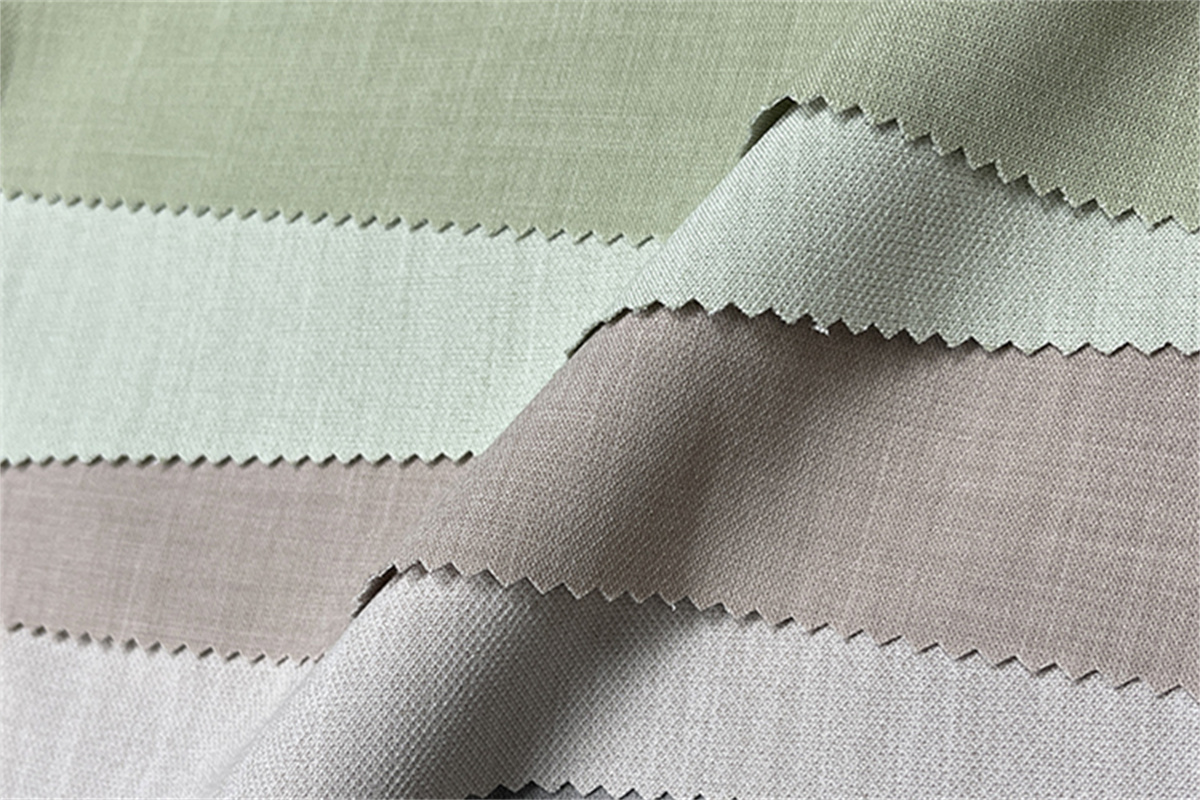
- Stripes: A pinstripe features very thin, closely spaced lines. It creates a sophisticated, business-like appearance. A chalk stripe uses thicker, less defined lines. It offers a softer, more traditional look. I find stripes can elongate your silhouette.
- Slub: Slub fabrics have slight irregularities in the yarn. This creates a subtle texture and depth. I often recommend slub for a unique, tactile feel. It adds character without being overly bold.
- Plaid: Plaid patterns include various checks and squares. Windowpane plaid features large, open squares. It makes a bold, fashionable statement. Glen plaid is a more intricate pattern. It combines smaller checks to form a larger design. I find plaid suits offer a distinctive, stylish look.
Choosing the right color is also essential. Classic colors like navy, charcoal, and black are versatile. They suit most occasions. I also offer bolder colors or unique shades. These allow for greater personal expression. I help clients select colors that complement their skin tone and personal style.
I encourage you to invest in TR fabric suit customization. It offers unparalleled personal style and comfort. I transform a standard suit into a perfectly fitted garment. This process reflects your unique aesthetic. It also ensures your suit’s longevity and enduring quality.
FAQ
How durable are TR fabric suits?
I find TR fabric very durable. It resists wrinkles and maintains its shape well. Your customized suit will last a long time.
Is customizing a TR suit expensive?
I consider TR fabric a cost-effective option. Customization makes high-quality suits accessible. You get great value for your investment.
How long does the customization process take?
The process varies. I work efficiently to ensure a perfect fit. I will discuss timelines during your consultation.
Post time: Dec-08-2025