
Define Fabric Specifications
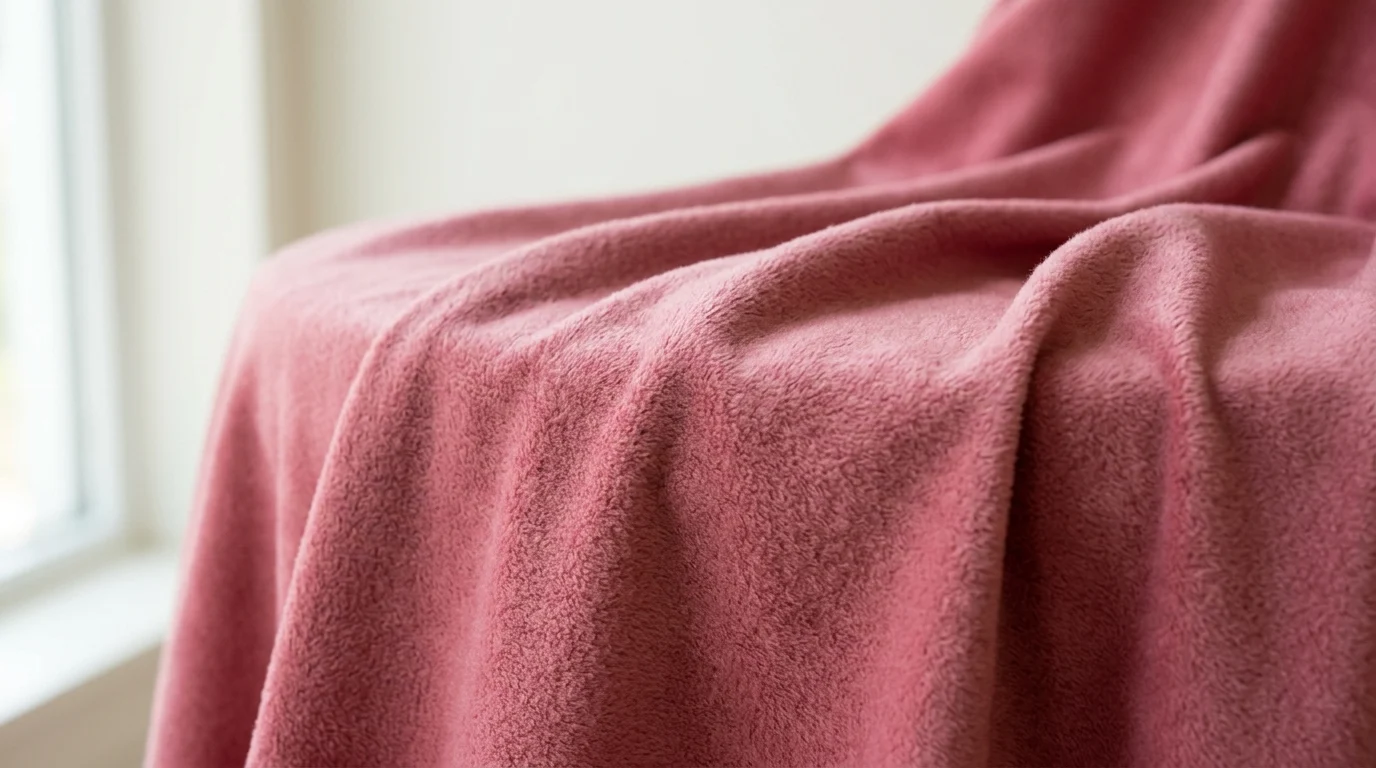
Double brushed polyester spandex fabric (DBP) is a synthetic knit chosen for its high extensibility and signature peach-skin tactile profile. Unlike standard flat knits, DBP undergoes a dual-sided mechanical brushing process that creates microscopic air pockets within the fiber matrix, enhancing thermal insulation without adding excessive bulk. Procurement professionals typically select DBP for loungewear and light activewear (such as low-intensity yoga or short-duration stretching) where softness and stretch are prioritized over maximum breathability. Specifications vary widely by mill and end-use; recommended weight, spandex percentage, gauge, and finishing should be treated as negotiable starting points rather than fixed rules.
Fiber Blend, Brushing, Weight, and Stretch
The standard composition for commercial-grade double brushed polyester spandex fabric ranges tightly between 90% to 96% polyester and 4% to 10% elastane (spandex). The mechanical brushing process involves passing the knitted textile through wire-bristled cylinders that gently abrade both the face and the reverse side of the fabric, raising the microfibers. To maintain structural integrity post-abrasion, the fabric is typically produced on fine-gauge circular knitting machines, often utilizing common settings like 28 to 32 gauge.
Common commercial weights range between 170 and 220 grams per square meter (GSM) as an illustrative industry baseline. While DBP is frequently sold below 170 GSM with acceptable performance for lightweight apparel, extreme stretching at lower weights can increase the risk of excessive sheer or structural stress. Conversely, above 220 GSM, the drape becomes rigid and thermal retention may exceed comfortable limits for indoor activewear. Furthermore, a spandex inclusion of at least 5% typically supports a robust 4-way stretch, offering ranges of 50% to 70% cross-grain elongation with exceptional recovery. Buyers should always verify these metrics against supplier spec sheets rather than assuming them as universal standards.
Comparison With Similar Knit Fabrics
When engineering product lines, procurement teams must evaluate double brushed polyester spandex fabric against alternative commercial knits to ensure optimal end-use alignment. Unlike Interlock Twist Yarn (ITY), which offers a smooth, cooling hand feel and high fluidity, DBP provides superior thermal insulation and tactile softness. Compared to rayon-spandex blends, DBP exhibits vastly superior dimensional stability and lower shrinkage rates post-laundering, though it inherently sacrifices a degree of moisture vapor transmission (breathability) due to its fully synthetic composition.
Limitations to Consider: Because of its fully synthetic makeup and brushed surface, DBP traps heat and moisture. Buyers should generally avoid sourcing DBP for high-heat athletic wear (such as high-intensity cardio or endurance running, which demand rapid moisture wicking), next-to-skin baby garments, or any application requiring rapid moisture-vapor transmission.
| Fabric Type | Standard Weight (GSM) | Pilling Resistance (ISO) | Primary Application |
|---|---|---|---|
| Double Brushed Poly | 170 – 220 | Grade 3 | Leggings, Loungewear |
| Single Brushed Poly | 150 – 190 | Grade 3-4 | Tops, Dresses |
| Rayon Spandex Knit | 180 – 240 | Grade 2-3 | Draped Garments |
| ITY Poly Knit | 140 – 180 | Grade 4-5 | Fluid Knitwear |
Note: Pilling grades depend heavily on the specific test method (e.g., Martindale vs. ICI pilling box), fiber denier, brushing intensity, and finishing chemistry. The listed grades are illustrative benchmarks, not universal pass/fail criteria.
Assess Sourcing, Quality, and Compliance
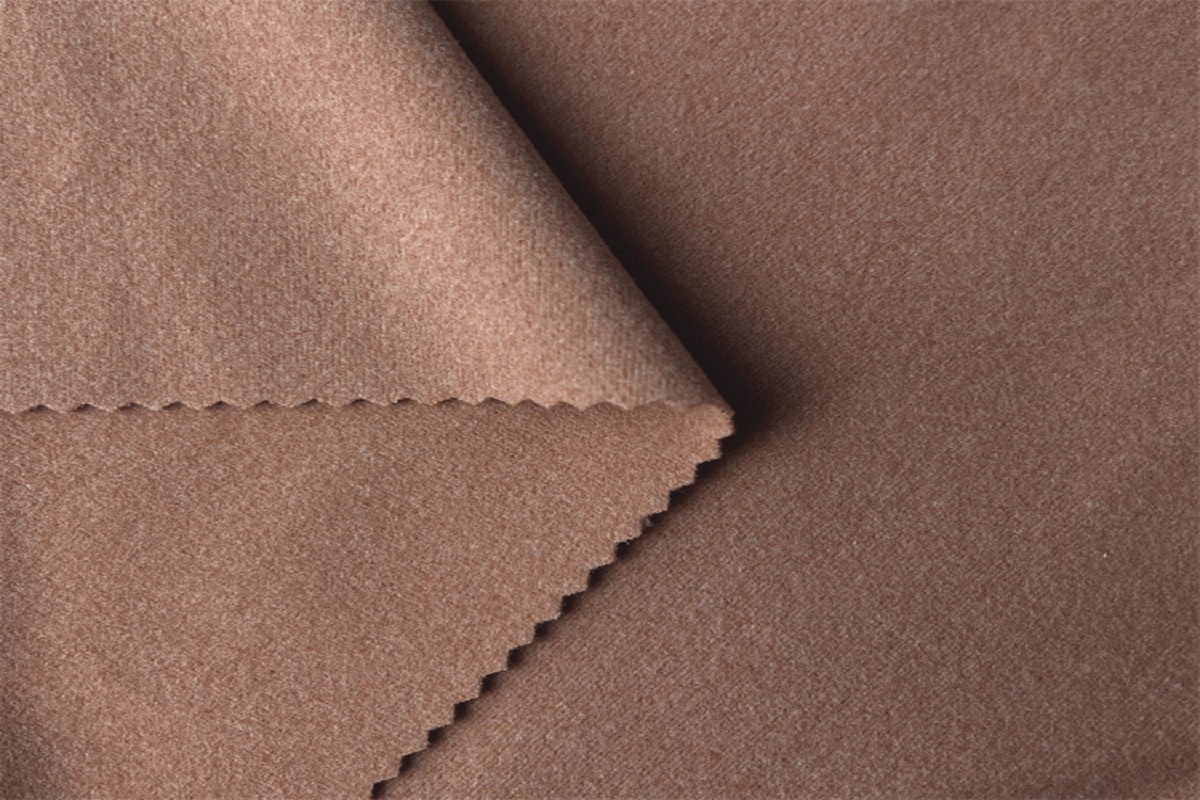
Securing a reliable supply chain for brushed synthetics necessitates rigorous quality assurance protocols. The mechanical abrasion process inherently weakens the surface yarns, making strict oversight during milling and finishing non-negotiable to prevent premature fabric degradation and maintain brand reputation. Additionally, sourcing decisions for markets like the EU and UK increasingly require evaluating recycled-polyester options (verified via the Global Recycled Standard, or GRS), mitigating microfiber-shedding concerns, and ensuring strict chemical and environmental compliance through frameworks like bluesign®. Buyers should also expand due diligence beyond machinery to include social compliance audits (such as SMETA or BSCI) to ensure ethical mill operations.
Mill Capability, Sampling, and Lab Testing
Evaluating mill capabilities begins with analyzing their knitting and finishing machinery. Buyers should specifically look for modern, tension-controlled brushing equipment that minimizes localized yarn breakage.
Once machinery and supply-chain ethics are vetted, procurement specialists should mandate a comprehensive sampling workflow. This involves requesting lab dips for solid colors and strike-offs for printed patterns, followed by 3 to 5 yards of header fabric for independent lab testing before committing to bulk production.
A robust validation checklist for header samples should include:
- Colorfastness: Test to washing (AATCC 61, minimum Grade 4.0) and crocking (Grade 4.0 dry, 3.5 wet).
- Pilling Resistance: Evaluate via the modified Martindale method (ISO 12945-2), targeting an illustrative benchmark of Grade 3 at 2,000 cycles.
- Heat Sensitivity: Validate heat-setting parameters for dye-sublimation or heat-transfer decoration to ensure the elastane core is not damaged.
- Dimensional Stability: Confirm stretch recovery and shrinkage rates match spec sheets rather than relying solely on lab reports.
Labeling, Restricted Substances, and Flammability
Regulatory compliance for synthetic apparel textiles spans chemical safety, flammability, and consumer labeling. Suppliers must provide documentation that the fabric meets Oeko-Tex Standard 100 criteria, ensuring the absence of harmful restricted substances such as azo colorants and heavy metals. For EU and UK markets, buyers must also verify compliance with REACH regulations, ensuring fabrics are free from Substances of Very High Concern (SVHC) and that any performance finishes avoid restricted PFAS/C8 chemicals. Formaldehyde limits vary by product class; for example, levels must be kept below 75 parts per million (ppm) for direct skin contact, or 16 ppm for baby articles.
In the United States market, double brushed polyester spandex fabric must comply with the Consumer Product Safety Commission (CPSC) flammability standards outlined in 16 CFR Part 1610. Because standard DBP weights exceed the 2.6 oz/yd² (approximately 88 GSM) threshold, it generally qualifies for a Class 1 (normal flammability) testing exemption.
Make the Commercial Decision
Navigating the procurement of double brushed polyester spandex fabric requires balancing technical specifications with commercial viability. Buyers must analyze cost structures and establish clear vendor evaluation criteria to ensure a resilient supply chain.
Price Drivers, MOQs, and Dyeing Methods
The unit price of double brushed polyester spandex fabric fluctuates based on raw material indices, the percentage of premium elastane used, and the mechanical brushing intensity required to achieve the signature peach-skin texture.
Standard industry Minimum Order Quantities (MOQs) typically range from 500 to 1,000 kilograms per color for custom dye lots. Dyeing and printing methods significantly influence both the final cost and these volume requirements. Because polyester requires disperse dyes applied under high temperatures and pressure, energy consumption acts as a primary price driver.
| Production Method | Typical MOQ | Cost Implication | Best Application |
|---|---|---|---|
| Disperse Solid Dyeing | 500 kg / color | Moderate base cost | High-volume solid color apparel |
| Rotary Screen Printing | 1,000 kg / pattern | High setup, low unit cost | Large-scale continuous patterns |
| Digital Sublimation | 50–100 kg / pattern | Low setup, higher unit cost | Small-batch, multi-color custom designs |
Final Supplier Selection Framework
Securing a reliable textile mill demands a rigorous, data-driven evaluation protocol. Buyers should assess potential partners against the following commercial criteria:
- Compliance and Certifications: Prioritize mills holding OEKO-TEX® Standard 100 certifications. This ensures the double brushed polyester spandex fabric is free from harmful residual chemicals, a critical factor for skin-contact apparel like leggings.
- Quality Assurance (QA) Protocols: Require documentation of in-house QA processes. Suppliers should utilize the universally recognized 4-Point Inspection System to monitor defect rates, colorfastness, and mechanical stretch recovery before shipment.
- Capacity and Lead Times: Verify the supplier’s monthly output capabilities. Standard production lead times for custom-dyed poly-spandex knits average 20 to 30 days, but peak seasonal demand can extend schedules.
- Commercial Terms: Establish clear Incoterms (e.g., FOB or CIF) and baseline payment structures. A standard international textile agreement typically requires a 30% T/T deposit, with the remaining 70% balance paid against the Bill of Lading.
Key Takeaways
- Specify a commercial DBP blend of about 90% to 96% polyester and 4% to 10% spandex, then verify the exact composition on the supplier spec sheet.
- Use 170 to 220 GSM as a practical sourcing baseline, but test lighter fabrics for sheerness and heavier fabrics for excessive warmth or stiffness.
- Require at least 5% spandex when the finished garment needs dependable 4-way stretch, 50% to 70% cross-grain elongation, and strong recovery.
- Choose DBP for soft loungewear, leggings, and light activewear, but avoid it for high-heat cardio apparel or products that require rapid moisture vapor transmission.
- Compare DBP against ITY and rayon-spandex blends before purchasing, because DBP offers better warmth and dimensional stability but less cooling breathability.
Frequently Asked Questions
What is double brushed polyester spandex fabric best used for?
It is best suited for loungewear, leggings, casual dresses, pajamas, and light activewear where softness, stretch, and comfort are more important than maximum breathability.
What fabric weight should buyers specify for DBP?
A common commercial baseline is 170 to 220 GSM. Lighter weights may feel softer but can become sheer under stretch, while heavier weights may feel too warm or rigid for indoor wear.
How much spandex should double brushed polyester contain?
Most commercial DBP uses 4% to 10% spandex. At least 5% spandex is typically recommended when buyers need reliable 4-way stretch and good recovery.
Is double brushed polyester spandex breathable?
DBP is less breathable than many rayon blends or performance knits because its synthetic brushed surface retains heat and moisture. It is not ideal for high-intensity athletic wear.
How does DBP compare with ITY fabric?
DBP has a warmer, peach-skin feel with more surface softness, while ITY is smoother, cooler, and more fluid. Choose DBP for cozy garments and ITY for drapey, cooling styles.
Post time: Jul-16-2026