
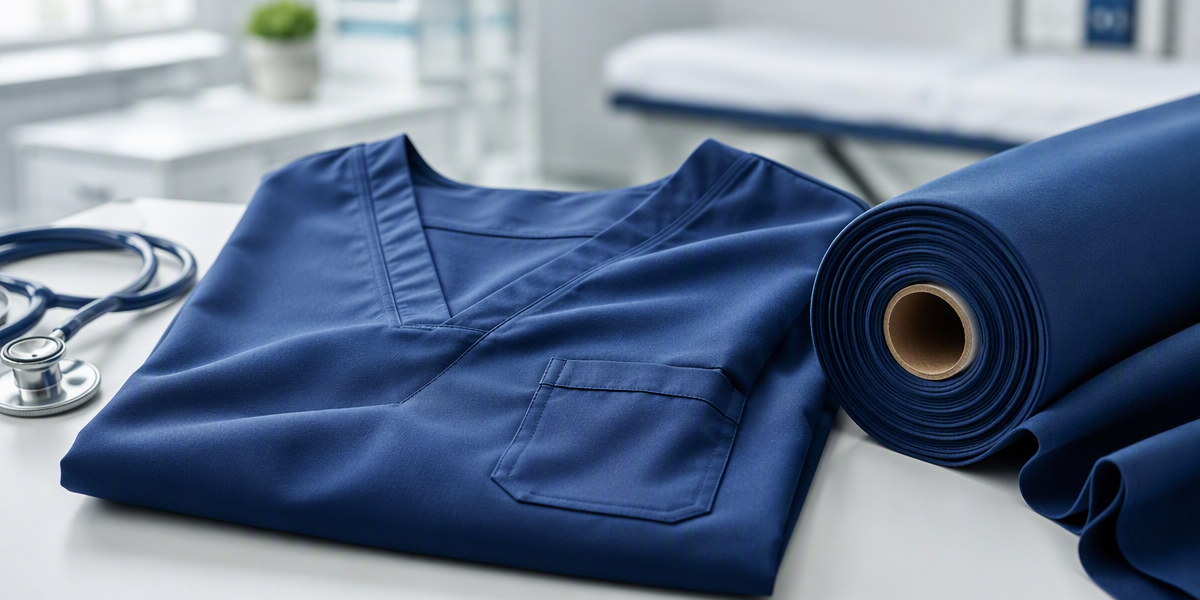
In today’s healthcare industry, medical uniforms are expected to perform far beyond simply looking professional. Doctors, nurses, laboratory technicians, and caregivers wear scrubs through long shifts, repeated movement, and constant industrial laundering. For hospitals, distributors, and medical apparel brands, selecting the right nurse scrub fabric is no longer just about purchasing the lowest-priced material—it is about reducing replacement costs while ensuring consistent comfort and appearance.
One of the most overlooked yet critical performance indicators is anti-pilling. Fabrics that resist pilling maintain a clean, professional appearance after hundreds of wash cycles, helping healthcare organizations lower long-term operating expenses. Whether you’re sourcing Figs Medical Wear Fabric alternatives or developing your own premium scrub collection, understanding anti-pilling performance can make a significant difference to your procurement strategy.
This article explores why anti-pilling fabrics matter, how they contribute to cost control, and why experienced manufacturers like Yunai Textile focus on durability alongside comfort and functionality.
What Is Fabric Pilling?
Pilling refers to the small fiber balls that form on a fabric surface after repeated rubbing, stretching, and washing. These pills are created when loose fibers become tangled together through friction.
Healthcare uniforms experience constant abrasion from:
- Frequent movement during long shifts
- Medical equipment and workstations
- Repeated industrial laundering
- Drying and ironing
- Daily wear in demanding environments
While pilling may not immediately affect the structural integrity of a garment, it significantly impacts its appearance. Uniforms covered with pills often look old, worn, and less hygienic, even when they remain structurally sound.
For healthcare institutions, maintaining a professional image is essential. Choosing an anti-pilling skin friendly scrub fabric helps uniforms stay neat and presentable for much longer.
Why Anti-Pilling Matters for High-Frequency Wash Scrubs
Unlike casual clothing, medical uniforms are washed far more frequently. Many hospitals require daily laundering, while commercial laundry facilities often use high-temperature washing, chemical detergents, and mechanical drying.
These demanding conditions accelerate fabric wear.
A high-quality TR stretch healthcare fabric engineered for anti-pilling performance can withstand repeated laundering while maintaining a smooth surface and consistent appearance.
For procurement managers, this means:
- Longer garment lifespan
- Reduced replacement frequency
- Lower annual uniform budgets
- Better staff satisfaction
- Consistent professional image
Rather than focusing solely on the initial purchase price, experienced buyers evaluate the total cost of ownership over the life of each uniform.
The Relationship Between Fabric Structure and Pilling Resistance
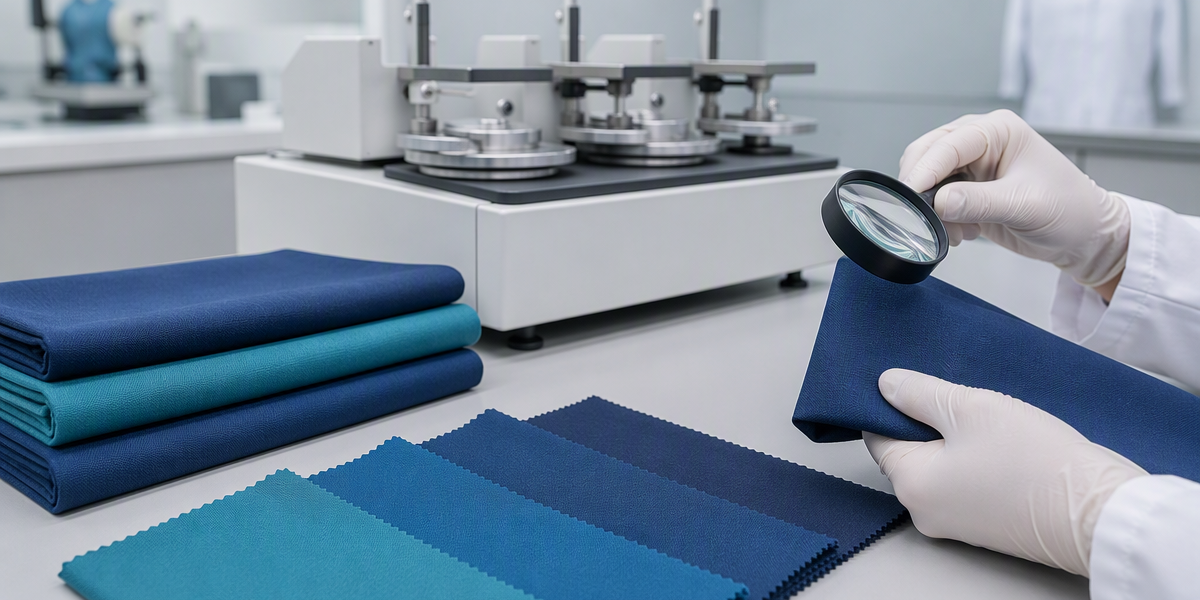
Anti-pilling performance depends on several manufacturing factors, including fiber quality, yarn construction, fabric density, and finishing techniques.
Premium polyester rayon blended spandex fabric for scrub often delivers excellent anti-pilling performance because each fiber contributes unique advantages:
- Polyester enhances strength and abrasion resistance.
- Rayon improves softness and comfort.
- Spandex provides flexibility and shape recovery.
When these fibers are engineered correctly, the resulting four way stretch scrub fabric offers excellent durability without sacrificing comfort.
Proper yarn spinning, optimized weaving parameters, and controlled finishing processes are equally important in minimizing loose surface fibers that can develop into pills.
Why Fabric Weight Also Influences Durability
Fabric weight is another important consideration for healthcare uniforms.
Many buyers prefer 200gsm fabric for scrub because it provides an excellent balance between durability and comfort.
Compared with lighter fabrics, 200gsm fabric for scrub generally offers:
- Better abrasion resistance
- Improved shape retention
- Reduced transparency
- Longer service life
- Better resistance to repeated industrial washing
When combined with anti-pilling technology, the right fabric weight helps reduce replacement costs over time, making it a practical investment for hospitals and medical uniform brands.
Comfort and Durability Can Work Together
Some buyers mistakenly assume that durable fabrics must feel rough or stiff.
Modern textile engineering has changed that.
Today’s premium skin friendly scrub fabric combines softness with exceptional durability.
For example, a carefully developed brushed medical wear fabric provides a smooth hand feel while maintaining excellent resistance to pilling when manufactured with high-quality yarns and finishing processes.
This balance is particularly valuable for healthcare professionals who spend long hours wearing uniforms.
Comfort contributes to employee satisfaction, while durability reduces procurement expenses.
Anti-Pilling and Antibacterial Performance
Healthcare buyers increasingly seek fabrics that combine multiple functional benefits.
In addition to anti-pilling performance, many hospitals specify Antibacterial Scrub fabric to help maintain freshness between washes.
Although antibacterial treatments and anti-pilling technology serve different purposes, they complement one another well.
A premium Antibacterial Scrub fabric with strong anti-pilling performance provides:
- Cleaner appearance
- Improved wearer comfort
- Longer-lasting uniforms
- Better odor management
- Reduced garment replacement frequency
This combination is becoming a standard expectation in premium healthcare apparel collections.
Supporting Premium Healthcare Apparel
The growing popularity of premium medical apparel has raised expectations for both aesthetics and performance.
Many buyers looking for Figs Medical Wear Fabric alternatives prioritize features such as:
- Four-way stretch
- Soft hand feel
- Moisture management
- Anti-pilling performance
- Easy-care maintenance
- Professional appearance
Modern four way stretch scrub fabric made from polyester rayon blended spandex fabric for scrub can achieve all these objectives when manufactured under strict quality standards.
This allows brands to offer premium products while maintaining competitive production costs.
How Anti-Pilling Fabrics Reduce Procurement Costs
For procurement teams, durability is directly connected to financial performance.
Consider two scrub fabrics with similar purchase prices.
One begins showing visible pilling after 40 industrial washes.
The other maintains a professional appearance after more than 100 wash cycles.
Although the second fabric may carry a slightly higher initial cost, its longer usable life significantly lowers the average cost per wear.
This approach to lifecycle cost analysis is increasingly adopted by hospitals, distributors, and uniform manufacturers worldwide.
Selecting durable nurse scrub fabric helps reduce:
- Inventory turnover
- Emergency reorders
- Customer complaints
- Warranty issues
- Long-term operating costs
Durability is not simply a quality feature—it is a cost-control strategy.
Why Buyers Choose Yunai Textile
At Yunai Textile, durability is considered just as important as comfort and appearance.
With nearly two decades of experience in textile manufacturing and fabric development, Yunai Textile focuses on producing healthcare fabrics that deliver consistent quality across every production batch.
Its healthcare fabric portfolio includes:
- TR stretch healthcare fabric
- Four way stretch scrub fabric
- Polyester rayon blended spandex fabric for scrub
- Antibacterial Scrub fabric
- Brushed medical wear fabric
- Skin friendly scrub fabric
- Premium 200gsm fabric for scrub
By carefully selecting raw materials, optimizing yarn construction, and implementing strict quality control throughout weaving, dyeing, and finishing, Yunai Textile helps customers source fabrics that maintain their appearance even after frequent industrial laundering.
For healthcare brands, wholesalers, and uniform manufacturers, this consistency reduces production risks while improving customer satisfaction and long-term value.
Final Thoughts
Healthcare uniforms face some of the most demanding conditions in the textile industry. Daily wear, constant movement, and repeated industrial washing place enormous pressure on fabric performance.
Choosing anti-pilling materials is not simply about maintaining appearance—it is a strategic investment that reduces replacement frequency, extends garment lifespan, and improves overall procurement efficiency.
Whether developing premium collections inspired by Figs Medical Wear Fabric or sourcing reliable materials for institutional healthcare projects, buyers should evaluate anti-pilling performance alongside comfort, stretch, antibacterial functionality, and fabric stability.
High-quality TR stretch healthcare fabric, polyester rayon blended spandex fabric for scrub, four way stretch scrub fabric, Antibacterial Scrub fabric, brushed medical wear fabric, skin friendly scrub fabric, and durable 200gsm fabric for scrub can work together to deliver superior long-term value.
Partnering with experienced manufacturers such as Yunai Textile enables buyers to build healthcare apparel collections that not only meet performance expectations but also support smarter cost control, stronger customer satisfaction, and sustainable business growth.

Yunai Textile
Post time: Jul-30-2026