
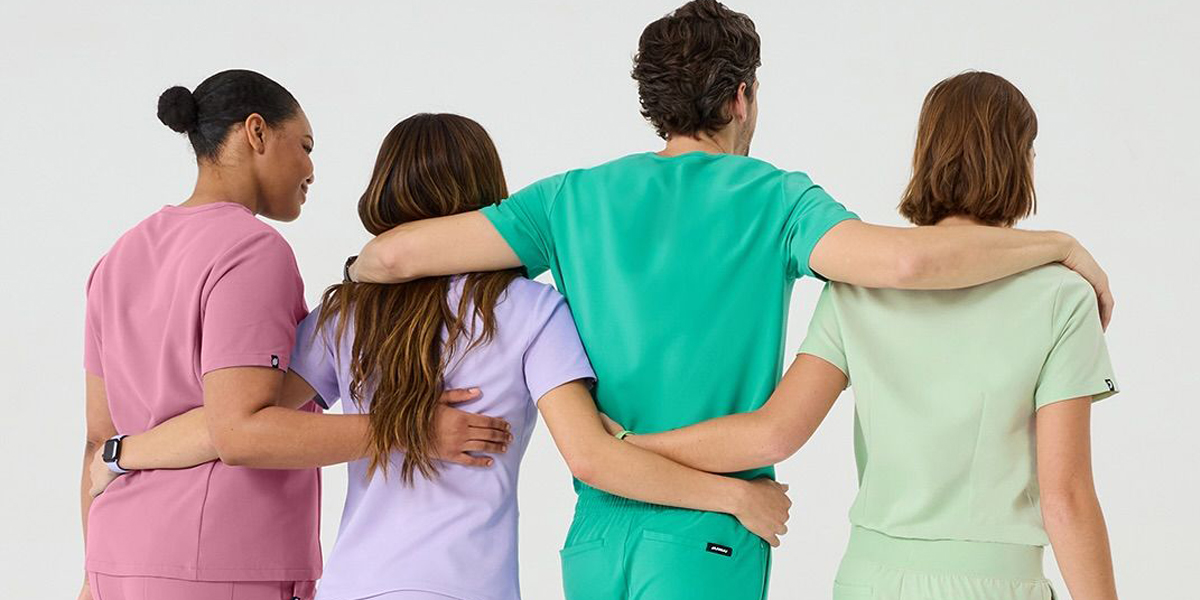
When I choose fabric for scrubs, I always consider the balance between durable vs comfortable scrubs. The best scrubs fabric for long shifts needs to withstand frequent washing, resist wrinkles, and feel comfortable against the skin. A hospital uniform material comparison reveals that administrators rely on nurse feedback, climate considerations, and scrub uniform fabric customization to select the ideal fabric for hospital uniform fabric.
- Administrators collect staff input to enhance both comfort and durability.
- Climate and seasonal factors influence the choice of fabric for scrubs.
- Proper training on fabric care helps maintain quality over time.
Key Takeaways
- Choose fabrics that balance durability and comfort to keep hospital staff safe, comfortable, and professional during long shifts.
- Select materials that resist frequent washing, stains, and germs while allowing breathability and flexibility for better movement.
- Use fabric blends and advanced treatments like antimicrobial finishes to improve uniform longevity, hygiene, and staff satisfaction.
Why Fabric Choice Matters
Impact on Staff Well-Being
When I select fabric for hospital uniforms, I think about how it affects the people who wear them every day. Uniforms do more than cover the body. They show professionalism and help staff feel proud of their roles. The right fabric supports comfort and hygiene, which helps staff feel good both physically and emotionally. I have seen that when uniforms fit well and feel soft, staff move with confidence and interact better with patients. Uniforms also reflect the values of the hospital and can shape how staff see themselves. If the fabric feels uncomfortable or does not breathe, it can distract staff and lower morale. I always remember that even small details, like fabric choice, can make a big difference in staff well-being.
Role in Infection Control
Fabric choice plays a key role in infection control. I know that hospital textiles, including scrubs, can carry germs. Some fabrics allow bacteria to survive longer, which increases the risk of spreading infections. Here are some important points I consider:
- Hospital fabrics can act as reservoirs for harmful bacteria.
- Microorganisms can survive on uniforms for long periods and transfer to skin or surfaces.
- Industrial laundering removes more germs than washing uniforms at home.
- Guidelines recommend choosing fabrics that discourage bacterial growth.
I always look for fabrics that are easy to clean and resist holding onto germs.
Effect on Uniform Longevity
The type of fabric I choose directly affects how long a uniform lasts. High-quality blends, like polyester-cotton or performance stretch materials, stand up to frequent washing and daily wear. These fabrics resist fading, pilling, and tearing, which means uniforms look professional for longer. Cotton feels soft and breathable, but it can shrink if not washed properly. Stretch fabrics offer flexibility, but they need careful care to avoid early wear. With the right fabric and proper care, I have seen scrubs last from six months up to two years or more. This saves money and keeps staff looking sharp.
Durability in Fabric for Scrubs
What Makes a Fabric Durable
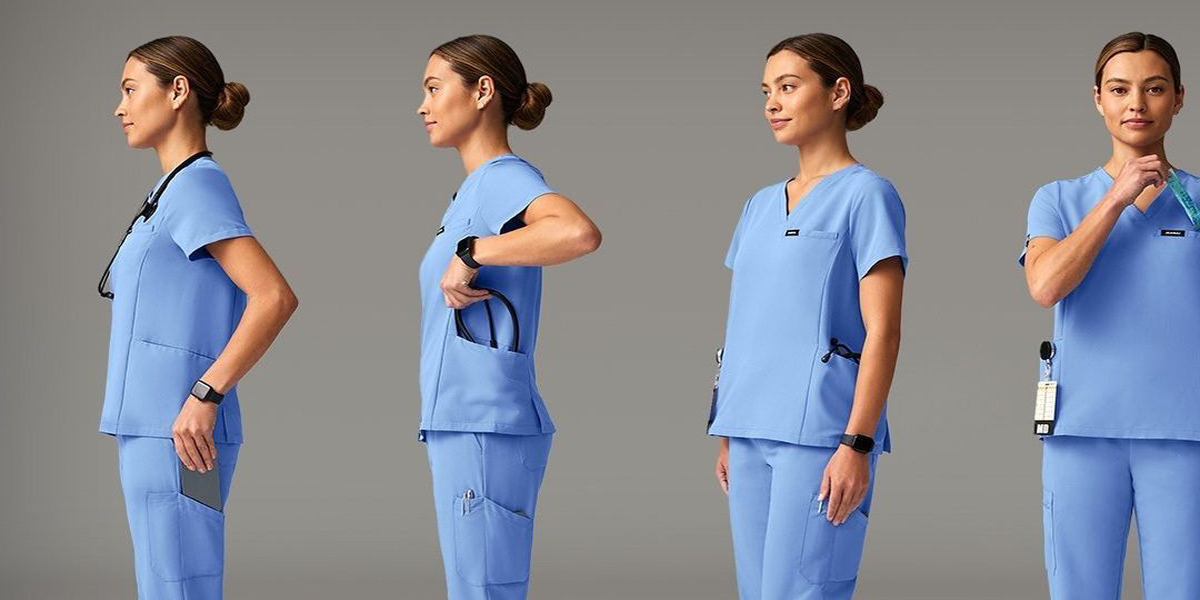
When I look for durability in fabric for scrubs, I focus on how well the material stands up to daily use and frequent washing. Hospital uniforms must keep their shape, color, and strength even after many cycles in industrial washers. I always check if the fabric resists shrinking, wrinkling, and fading. These qualities help uniforms look professional and last longer.
Durable fabrics must also handle exposure to hospital-approved disinfectants like bleach and hydrogen peroxide. I know that compliance with healthcare standards from OSHA and CDC is essential. These standards cover fluid resistance, antimicrobial properties, and overall durability. To make sure a fabric for scrubs meets these requirements, I look for blends that include polyester, poly-cotton, or polyester-rayon-spandex with at least 2% spandex for stretch.
Here are the main durability standards I consider:
- Withstands frequent washing without shrinking or losing shape
- Resists wrinkles, fading, and pilling
- Maintains performance after exposure to disinfectants
- Passes safety and performance tests for healthcare use
- Supports infection control and keeps a professional appearance
Laboratories use several tests to measure durability. These tests check how well the fabric holds up to light, washing, rubbing, sweat, and bleach. I rely on these results to choose the best fabric for scrubs.
| Test Category | Specific Tests and Standards | Purpose/Aspect Measured |
|---|---|---|
| Physical/Mechanical Tests | Tensile strength, flammability, hydrostatic resistance, water repellency, puncture tests | Assess fabric strength, resistance to physical damage and environmental factors |
| Barrier Penetration Tests | AATCC 42 Impact Penetration, AATCC 127 Hydrostatic Pressure, ASTM F1670 Synthetic Blood Penetration, ASTM F1671 Viral Penetration (AAMI PB70 standard) | Evaluate resistance to water, blood, and viral penetration, indicating durability under exposure to fluids |
| Laundering and Cleanability | Commercial laundering tests, cleanability assessments | Determine fabric performance and durability after repeated washing and cleaning |
| Color-Fastness Tests | Wash fastness, rub fastness (crocking), perspiration fastness, bleach fastness, dry cleaning fastness (per AATCC, ISO, ASTM standards) | Measure retention of color and appearance after laundering, exposure to sweat, bleach, and solvents, reflecting durability in appearance |
Durable Fabric Options for Hospital Uniforms
I have found that the most durable fabric for scrubs is a blend of 95% polyester and 5% spandex. This combination resists pilling, shrinking, and fading. The twill weave structure adds stability, so the fabric keeps its shape even after many washes. I also like that this blend offers moisture-wicking and antimicrobial properties, which help with hygiene and comfort.
Poly-cotton blends are another strong choice. They last much longer than 100% cotton and combine strength with some softness. Polyester alone resists wrinkles and stains, making it a cost-effective option for high-traffic hospital areas. Specialty fabrics, such as fluid-resistant and antimicrobial-treated polyester or poly-cotton blends, work well in high-risk departments.
Here are some common durable fabric options I recommend:
- 95% polyester / 5% spandex blends (lightweight, stretch, moisture-wicking)
- Polyester-cotton blends (balance of strength and comfort)
- Treated polyester or poly-cotton for fluid resistance and antimicrobial protection
I always check the gram weight of the fabric, which usually ranges from 150 to 240 gsm. This helps me pick the right balance between durability and comfort for each department.
Pros and Cons of Durable Fabrics
When I choose a durable fabric for scrubs, I weigh the benefits and drawbacks. Durable fabrics like polyester and poly-cotton blends have a higher upfront cost, but they last longer and need fewer replacements. This saves money over time, especially in busy hospitals.
Tip: I always consider the total cost of ownership, not just the initial price. Durable fabrics reduce replacement and waste management costs in the long run.
However, I know that highly durable fabrics can feel less soft than natural fibers like cotton. Polyester, for example, may not breathe as well, which can affect comfort during long shifts. Some staff with sensitive skin may prefer softer, more breathable options.
Here are the main pros and cons I have noticed:
Pros:
- Last longer and resist damage from frequent washing
- Maintain color and shape, keeping uniforms looking professional
- Support infection control with fluid resistance and antimicrobial treatments
- Lower long-term costs due to fewer replacements
Cons:
- May feel less soft or breathable than cotton
- Can be less comfortable for staff with sensitive skin
- Higher initial purchase price
I always balance these factors when selecting fabric for scrubs, making sure the choice fits the needs of both the hospital and its staff.
Comfort in Fabric for Scrubs

Defining Comfort in Uniform Fabrics
When I think about comfort in hospital uniforms, I focus on how the fabric feels and moves with the body. Comfort is not just about softness. It also includes how well the uniform fits, how it handles sweat, and if it allows me to move freely during a busy shift. I always look for these features in a fabric for scrubs:
- Breathable and lightweight materials that keep me cool.
- Flexible fabrics that stretch when I bend or reach.
- Ergonomic designs with elastic waistbands and adjustable closures.
- Seams placed to avoid rubbing or chafing.
- Gender-specific fits that match different body shapes.
- Enough pocket space without making the uniform bulky.
- Moisture-wicking properties to keep sweat away from my skin.
- Softness and a pleasant feel against the skin, even after many washes.
These qualities help me stay comfortable during long hours and support my ability to care for patients.
Comfortable Fabric Options for Hospital Uniforms
I have tried many types of fabric for scrubs over the years. Cotton and cotton-rich blends always stand out for comfort. They feel soft, breathe well, and wick away moisture. This helps prevent skin irritation and keeps me dry, even during long shifts. Many of my colleagues also prefer these fabrics because they stay gentle on the skin after repeated washing.
Fleece and thermal blankets made from cotton, polyester, or blends also offer comfort in hospital settings. These materials feel soft, stay lightweight, and keep warmth without causing irritation. Hospitals often choose these fabrics for both staff uniforms and patient linens because they balance comfort, hygiene, and easy care.
Some modern scrubs use blends that include polyester and spandex. These fabrics add stretch and flexibility, making it easier to move, bend, and twist. I find that these blends combine the softness of cotton with the durability and stretch of synthetic fibers. They also dry quickly and resist wrinkles, which helps me look professional all day.
Pros and Cons of Comfortable Fabrics
Choosing comfort in a fabric for scrubs brings many benefits, but I also see some drawbacks. Here is a table that shows the main points:
| Fabric Type | Advantages (Comfort) | Disadvantages (Durability) |
|---|---|---|
| Cotton | Soft, breathable, comfortable for long wear | Wrinkles easily, shrinks, colors fade with washing |
| Polyester | Durable, resists wrinkles and shrinking, maintains color | Less breathable, may trap heat, less comfortable for long wear |
| Cotton/Polyester Blend | Combines breathability and durability | Blend ratio affects performance; may not excel in either fully |
Note: When I pick a fabric for scrubs that feels very soft and light, I sometimes notice it wears out faster. These uniforms may fade, shrink, or tear after many washes. Hospitals then need to replace them more often, which raises costs. Less durable fabrics may also lack features like stain resistance or antimicrobial protection, which are important for safety and infection control.
I always try to balance comfort with the need for uniforms that last and protect both staff and patients.
Key Factors When Choosing Fabric for Scrubs
Job Roles and Daily Tasks
When I select fabric for scrubs, I always think about the daily tasks of each hospital role. Doctors, nurses, and medical assistants need uniforms that support movement and hygiene. I look for lightweight, breathable fabrics that allow easy cleaning. For surgical teams, I choose fluid-resistant and sometimes disposable materials to keep everything sterile. In aged care, I focus on comfort and durability because staff move a lot and help patients with physical tasks. I also pay attention to features like multiple pockets and reinforced stitching. These details help staff carry tools and keep uniforms strong. Color coding helps everyone know who does what, which supports infection control.
- Scrubs for doctors, nurses, and assistants use comfortable, easy-to-clean fabrics.
- Surgical gowns need fluid resistance and sterility.
- Aged care uniforms must be durable and breathable.
- Antibacterial and moisture-wicking properties add protection and comfort.
- Functional features like pockets and strong seams matter for each role.
Work Environment and Climate
I always match fabric choices to the hospital’s environment. In warm climates, I pick lightweight, breathable materials that keep staff cool. In colder areas, I choose thicker fabrics or add layers for warmth. Some departments, like emergency rooms, need uniforms that dry quickly and resist stains. I also consider how much staff move around. Busy areas need fabrics that stretch and do not restrict movement.
Laundering Frequency and Maintenance
Hospital uniforms get washed often. I select fabrics that hold up to frequent laundering without shrinking or fading. I avoid materials that wrinkle easily or lose their shape. Easy-care fabrics save time and keep uniforms looking sharp. I also check if the fabric can handle strong disinfectants, which are common in hospital laundry routines.
Budget and Cost-Effectiveness
I always balance quality with cost. Durable fabrics may cost more at first, but they last longer and need fewer replacements. This saves money over time. I compare the total cost of ownership, not just the price tag. Choosing the right fabric for scrubs helps hospitals manage budgets while keeping staff safe and comfortable.
Balancing Durability and Comfort in Fabric for Scrubs
Benefits of Fabric Blends
When I select fabric for scrubs, I often choose blends because they combine the best qualities of each material. Cotton brings softness and breathability, while polyester adds strength and wrinkle resistance. Rayon and spandex make uniforms feel light and flexible. I see that these blends help uniforms last longer and stay comfortable during long shifts.
| Fabric Blend Component | Durability Contribution | Comfort Contribution |
|---|---|---|
| Cotton | Breathable, absorbs moisture | Soft, keeps skin cool |
| Polyester | Strong, resists wrinkles and stains | Holds shape, dries fast |
| Rayon/Viscose | Adds softness, wicks moisture | Feels light, regulates temperature |
| Spandex | Stretches, keeps elasticity | Allows easy movement |
Blended fabrics work well in different climates and hospital roles. They help staff stay comfortable and look professional.
Advances in Fabric Technology
I have noticed many new technologies in hospital uniforms. High-performance fabrics now regulate temperature, keeping staff cool or warm as needed. Antimicrobial treatments stop bacteria from growing, which helps with infection control. Some uniforms use recycled polyester or organic cotton to protect the environment. Phase Change Materials absorb and release heat, making shifts more comfortable. 3D knitting creates seamless uniforms that fit better and move with the body. Smart textiles can even track vital signs for safety.
Tip: Choosing uniforms with advanced features like moisture-wicking and antimicrobial finishes improves both comfort and hygiene.
Customizing Choices for Different Departments
I always tailor fabric choices to each hospital department. Emergency rooms need durable, fluid-resistant uniforms. Pediatrics benefit from bright colors and soft fabrics to comfort children. Mental health units use calming tones and quiet fabrics to create a peaceful space. Some departments require washable or disposable uniforms for easy cleaning. Hospitals also use color-coding and custom prints to help staff and patients find their way. I work with suppliers to match curtain fabrics, add logos, and select fade-resistant colors. These choices support each department’s needs and hospital branding.
Recommendations for Selecting Fabric for Scrubs
Suggestions for High-Traffic Areas
I always pay close attention to the demands of high-traffic hospital areas. These spaces see constant movement and require uniforms and textiles that stand up to heavy use. Microfiber materials have proven highly effective in these environments. I have seen microfiber cloths eliminate nearly all bacteria, including MRSA and E. coli, which helps keep hospital surfaces safe. Microfiber does not hold bacteria easily and can be washed at high temperatures to kill germs. I recommend microfiber mops for cleaning because they work well with just water, dry quickly, and last through many washes.
For uniforms and upholstery, I look for fabrics with high abrasion resistance. Commercial-grade textiles with double rub counts above 150,000 last longer and keep their shape. I choose bleach-cleanable or non-porous materials like vinyl for areas that need strict sterilization. PVC-coated and fluorocarbon-treated fabrics offer antimicrobial and stain-resistant surfaces. These fabrics are easy to clean and help maintain hygiene. I always check for certifications like ISO 22196 and ASTM E2149 to confirm antimicrobial performance. Smooth, easy-to-disinfect surfaces are essential in waiting rooms and other busy spaces.
Tip: I select fabrics that balance durability, hygiene, and comfort to keep high-traffic areas safe and welcoming.
Advice for Administrative and Support Staff
Administrative and support staff need uniforms that look professional and feel comfortable during long shifts. I compare fabric options to find the best balance of durability, comfort, and maintenance. Here is a table that shows my preferred choices:
| Fabric Type | Durability | Comfort | Maintenance | Suitability for Admin & Support Staff |
|---|---|---|---|---|
| Cotton | Resists shrinking and fading | Lightweight, breathable, absorbent | Easy to wash and iron | Comfortable for long shifts |
| Poly-cotton | Very durable, wrinkle-resistant | Slightly stretchy, breathable | Retains shape and color | Ideal for frequent laundering |
| Polyester | Highly durable, wrinkle-resistant | Lightweight, breathable | Quick drying, low maintenance | Practical, less ideal for comfort |
| Poly-rayon | Durable, wrinkle-resistant | Lightweight, professional look | Easy to clean and maintain | Professional appearance, comfortable |
| Poly wool | Stain and odor resistant | Temperature regulating | Moderate maintenance | Suitable for variable climates |
I often choose poly-cotton and poly-rayon blends for these roles. These fabrics offer comfort, durability, and easy care. I recommend uniforms with antimicrobial and fluid-resistant features to enhance safety. Color coding and functional designs, such as pockets and adjustable waistbands, help staff work efficiently and stay organized.
Note: I always select fabrics that withstand high-temperature washing to kill pathogens and maintain hygiene.
Tips for Specialized Medical Roles
Specialized medical roles require uniforms with unique features. I focus on safety, mobility, and comfort for these staff members. Here are the features I recommend:
- Antimicrobial properties with silver-ion or copper-infused treatments for long-lasting protection.
- Moisture-wicking technologies to manage sweat and maintain hygiene.
- Four-way stretch fabrics for better mobility and comfort.
- Reinforced seams and knee gussets to prevent chafing and increase durability.
- Fluid and chemical resistance for protection against bloodborne pathogens and hazardous substances.
- Breathable materials for extended wear.
- Specialized design features, such as snap-button sleeves for surgeons and tear-away panels for emergency responders.
- Fabric blends like poly-cotton for softness and durability, spunbond polypropylene for chemical resistance, and engineered performance blends for antimicrobial and moisture-wicking benefits.
- Ergonomic enhancements, including stretch panels and elastic waistbands, to improve mobility and quick reactions.
I always match these features to the specific demands of each medical role. This approach ensures staff stay safe, comfortable, and ready to perform their duties.
I always balance durability and comfort when choosing hospital uniform fabrics. Staff feedback, ergonomic evaluations, and hospital requirements guide my decisions.
- I consider infection control, cost, and fit for every role.
- Thoughtful fabric selection improves staff performance, safety, and satisfaction in every hospital environment.
FAQ
What fabric do I recommend for hot climates?
I choose lightweight, breathable blends like cotton-polyester. These fabrics keep staff cool and dry. Moisture-wicking properties help manage sweat during long shifts.
How often should hospital uniforms be replaced?
I replace uniforms every 12 to 24 months. High-traffic areas may need more frequent changes. I check for fading, tears, and loss of shape.
Can antimicrobial fabrics reduce infection risk?
Yes. I use antimicrobial-treated fabrics to help stop bacteria growth. These fabrics support infection control and keep uniforms safer for staff and patients.
Post time: Aug-16-2025