

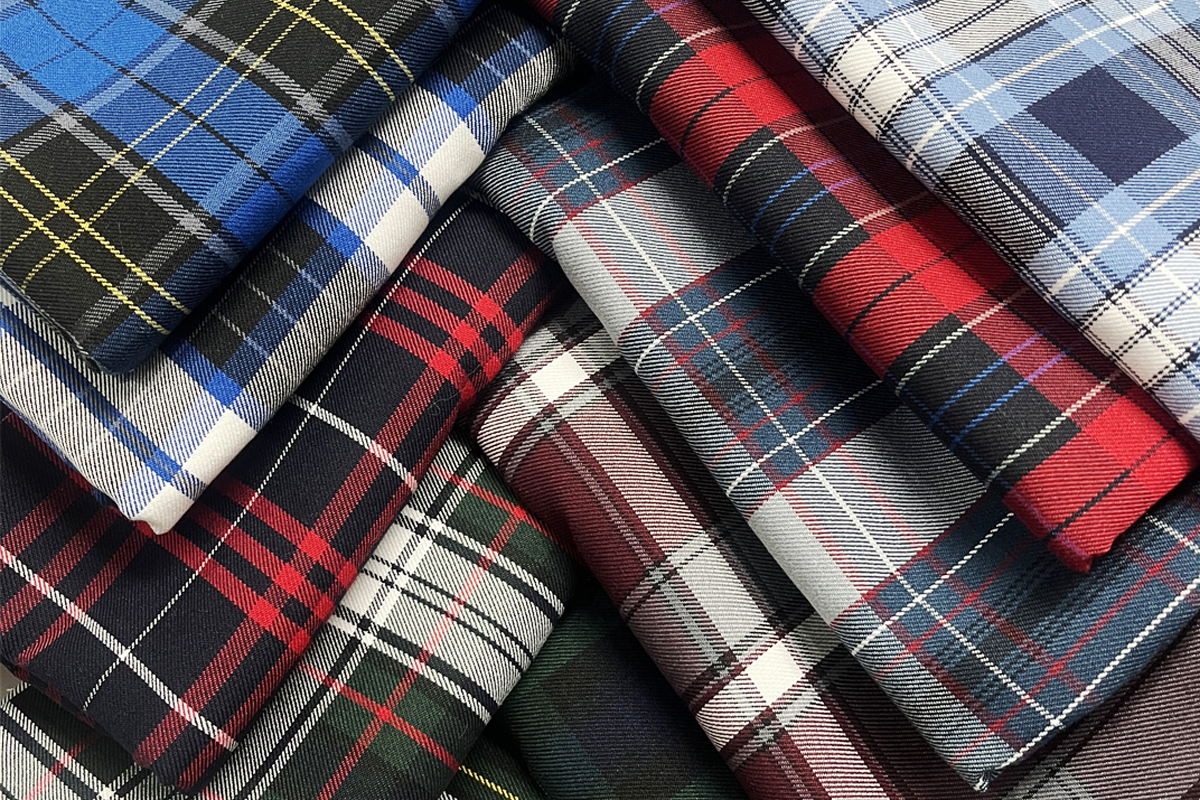
School uniforms play a vital role in shaping a cohesive and proud student community. Wearing a uniform fosters a sense of belonging and collective identity, encouraging students to represent their school positively. A study in Texas involving over 1,000 middle school students found that uniforms significantly improved feelings of school pride and unity. Customized school uniform fabric elevates this experience further by blending style and functionality. For example, TR school uniform fabric, known for durability and comfort, ensures students feel confident and supported throughout the day. Schools can even explore options like TR twill school uniform fabric or big plaid school uniform fabric to create unique designs that reflect their values.
Key Takeaways
- Custom school uniforms increase pride and help students feel included.
- Picking good fabrics, like soft cotton or strong polyester, adds comfort and makes them last longer.
- Letting students, parents, and staff help choose fabrics builds teamwork and happiness.
Benefits of Customized School Uniform Fabric
Comfort and functionality for students
When designing school uniforms, comfort and functionality should always come first. I’ve seen how the right fabric can make a significant difference in students’ daily experiences. For instance, a blend of 65% polyester and 35% rayon offers an ideal balance of softness and breathability. With a weight of 220GSM, this fabric ensures students stay comfortable throughout the day, whether they’re in the classroom or on the playground. Rayon’s natural moisture-wicking properties keep students cool, while polyester enhances durability and color retention. This combination reduces skin irritation and supports active lifestyles, making it a practical choice for any school uniform fabric.
Durability for daily wear and long-term use
School uniforms endure a lot of wear and tear. From recess activities to after-school programs, they need to withstand constant use. I recommend fabrics like polyester or poly-cotton blends for their resilience. Polyester, in particular, resists shrinking, fading, and wrinkles, ensuring uniforms maintain their appearance over time. Schools that invest in durable materials often save money in the long run, as these uniforms require fewer replacements. Additionally, wrinkle-resistant and quick-drying properties make maintenance easier for parents, adding another layer of convenience.
Branding opportunities for schools
Customized uniforms offer schools a unique way to showcase their identity. By incorporating school logos, mascots, or emblems into the design, schools can create a sense of pride among students and staff. A 2021 survey revealed that 93% of school districts had some form of dress code, with many opting for uniforms to foster unity. I’ve noticed that schools with well-designed uniforms often experience increased recognition in their communities. This branding not only strengthens school spirit but also helps attract prospective students and families.
Cost-effectiveness over time
While the initial investment in customized school uniform fabric may seem high, the long-term benefits outweigh the costs. Uniforms simplify the daily dressing process, reducing the need for parents to purchase multiple trendy outfits. This not only saves money but also alleviates peer pressure related to fashion choices. Schools also benefit from reduced administrative burdens, as uniforms streamline dress code enforcement. Over time, the durability and practicality of customized uniforms make them a cost-effective solution for both families and educational institutions.
Types of School Uniform Fabric
Cotton: Breathable and soft
Cotton remains one of the most popular choices for school uniforms due to its exceptional comfort and breathability. I’ve seen firsthand how 100% cotton fabrics help students stay cool and comfortable throughout the day. The natural fibers allow air to circulate, preventing overheating and ensuring a soft feel against the skin. This makes cotton ideal for children who wear their uniforms for extended periods.
- Key Benefits:
- Facilitates airflow, regulating body temperature.
- Soft texture provides a gentle feel, reducing skin irritation.
- Keeps wearers dry by wicking away moisture.
Polyester: Durable and low-maintenance
Polyester is a go-to option for schools seeking durability and ease of care. This fabric resists wrinkles, stains, and fading, making it perfect for daily wear. I often recommend polyester for its ability to retain its shape and color even after multiple washes. Families appreciate its quick-drying nature, which saves time and effort.
- Advantages of Polyester:
- Machine washable and wrinkle-resistant.
- Stain-resistant, maintaining a neat appearance.
- Withstands frequent washing without losing structure or color.
Poly-cotton blends: Combining comfort and affordability
Poly-cotton blends combine the best of both worlds—cotton’s softness and polyester’s durability. These blends are not only comfortable but also practical for everyday use. I’ve noticed that schools often choose poly-cotton blends for their affordability and ease of maintenance.
- Why Choose Poly-cotton Blends?
- Durable and moisture-wicking, ideal for active students.
- Easier to care for than 100% cotton, with reduced shrinkage and wrinkling.
- Cost-effective, offering quality without high expenses.
Specialty fabrics: Eco-friendly and performance options
As sustainability becomes a priority, many schools are exploring eco-friendly fabrics. These materials, such as recycled polyester or organic cotton, align with environmentally conscious values. I’ve seen schools adopt these fabrics to reflect their commitment to sustainability while providing high-performance options for students.
“As consumer sentiment increasingly turns toward sustainability, many textile providers are striving to make their operations and goods more eco-friendly to meet their customers’ standards.”
Heavy-duty fabrics: Twill and drill for extra durability
For schools requiring uniforms that can withstand rigorous activities, heavy-duty fabrics like twill and drill are excellent choices. These fabrics offer superior strength and durability, making them suitable for uniforms that endure frequent wear and tear.
- Features of Heavy-duty Fabrics:
- Twill and drill fabrics resist tearing and abrasion.
- Ideal for uniforms used in physical education or outdoor activities.
Customization and School Spirit

Choosing unique fabric colors, textures, and patterns
Selecting distinctive fabric colors, textures, and patterns can transform school uniforms into a powerful symbol of identity. I’ve seen how mixing textures, such as pairing plaid with corduroy, creates a modern and appealing look for students. Seasonal adaptations also play a crucial role. For instance, breathable cotton shirts in summer and thermal fabrics in winter not only enhance comfort but also improve focus in class. Schools that embrace unique designs often experience a boost in student satisfaction. Tartan patterns, for example, have been shown to increase satisfaction by 30%, reflecting their ability to foster a stronger sense of belonging.
Incorporating school logos, mascots, and emblems
Adding school logos, mascots, or emblems to uniforms strengthens the connection between students and their institution. I’ve worked with schools that use embroidered logos or printed emblems to create a professional yet personal touch. These elements serve as a visual representation of the school’s identity, making students feel proud to wear their uniforms. Logos and mascots also enhance recognition in the community, helping schools stand out while promoting their values.
Designing uniforms that reflect school values
Uniforms can act as a canvas for showcasing a school’s core values and traditions. I’ve noticed that schools often use specific colors or patterns to symbolize their history or mission. For example, tartan designs have been widely adopted to represent heritage and unity. This adaptability allows schools to create uniforms that resonate with their unique identity. By reflecting these values, uniforms inspire students to uphold the principles their school stands for.
Creating a sense of belonging through personalized designs
Personalized uniform designs foster a sense of belonging among students. When schools invest in customization, students feel more connected to their peers and institution. I’ve observed that schools with tailored uniforms often report higher morale and engagement. Customization options, such as unique patterns or tailored fits, make students feel valued and included. This sense of belonging not only enhances school spirit but also contributes to a positive learning environment.
Tips for Selecting the Right School Uniform Fabric
Consider climate and daily wear requirements
When selecting fabric for school uniforms, I always prioritize the local climate and how students will use the uniforms daily. In warmer regions, breathable materials like cotton or lightweight poly-cotton blends work best. These fabrics help regulate body temperature and keep students comfortable during long school hours. For colder climates, I recommend heavier fabrics like twill or thermal blends to provide warmth and durability. Schools should also consider the activities students engage in, such as sports or outdoor events, to ensure the fabric supports their needs without compromising comfort.
Balance quality with budget constraints
Balancing quality and budget is crucial when choosing school uniform fabrics. I’ve seen how schools often struggle to find this balance. A study on Ghanaian school uniforms highlights the importance of evaluating fabrics based on durability and cost-effectiveness. While natural fabrics like cotton may cost more, they offer benefits like sustainability and comfort. However, polyester and blends provide a more budget-friendly option without sacrificing durability. Schools should focus on long-term value, as investing in high-quality materials reduces replacement costs over time.
Collaborate with experienced suppliers for customization
Working with experienced suppliers ensures schools receive the best fabric options tailored to their needs. I’ve collaborated with suppliers who offer valuable insights into fabric performance, customization possibilities, and cost management. These professionals can recommend fabrics that align with a school’s branding and functional requirements. For example, they might suggest eco-friendly options for schools emphasizing sustainability or durable blends for active students. Partnering with knowledgeable suppliers simplifies the selection process and guarantees high-quality results.
Gather input from students, parents, and staff
Involving the school community in fabric selection fosters a sense of inclusion and ensures the uniforms meet everyone’s expectations. I’ve noticed that students often prefer fabrics that feel comfortable and look stylish, while parents prioritize durability and affordability. Staff members may focus on ease of maintenance and professional appearance. Conducting surveys or organizing focus groups allows schools to gather diverse perspectives and make informed decisions. This collaborative approach not only enhances satisfaction but also strengthens the connection between the school and its community.
Customized school uniform fabric offers numerous advantages. It enhances school spirit, ensures comfort, and provides long-term durability. I’ve seen how tailored solutions create a sense of pride and belonging among students. Schools should explore these options to reflect their unique identity while meeting practical needs. Tailored uniforms truly make a difference.
FAQ
What is the best fabric for school uniforms in hot climates?
I recommend cotton or lightweight poly-cotton blends. These fabrics provide excellent breathability and moisture-wicking properties, keeping students cool and comfortable throughout the day.
How can schools ensure their uniforms last longer?
Schools should choose durable fabrics like polyester or twill. Proper care, such as washing in cold water and avoiding harsh detergents, also extends the lifespan of uniforms.
Are eco-friendly fabrics a practical choice for school uniforms?
Yes, eco-friendly fabrics like organic cotton or recycled polyester are practical. They align with sustainability goals while offering comfort and durability for everyday use.
Post time: Apr-11-2025