
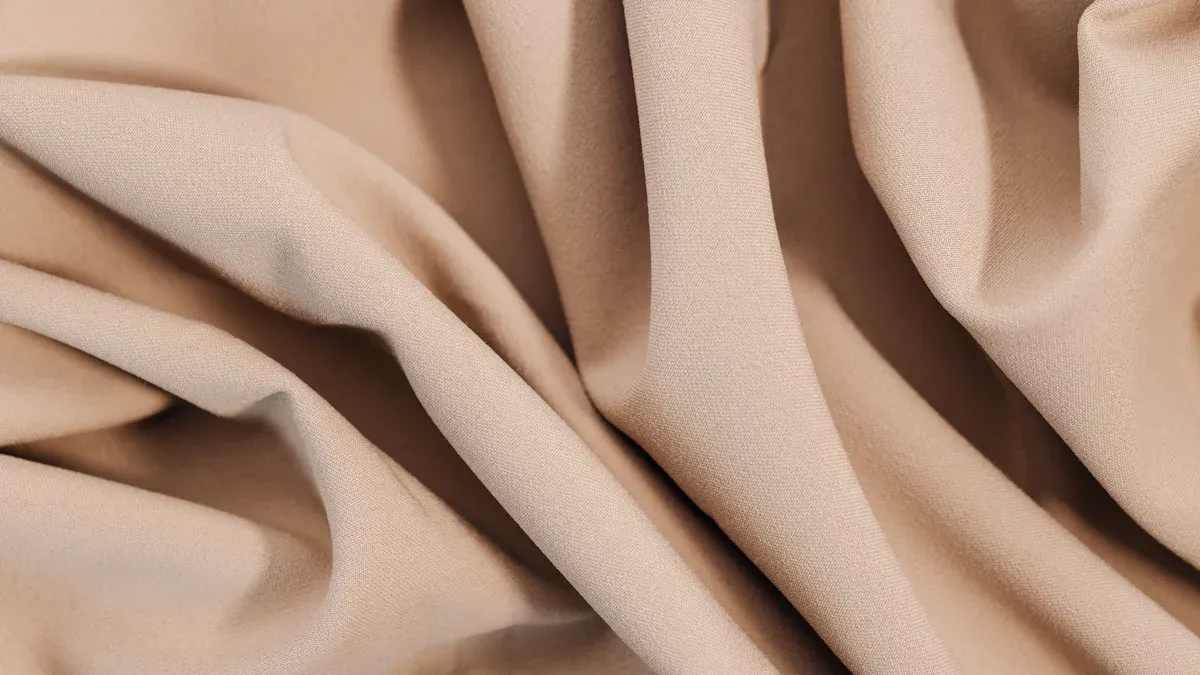
Choosing the right spandex softshell fabric impacts how well your clothing performs. Stretch and durability define its versatility. Knit softshell fabric, for instance, offers flexibility for activewear. Understanding these differences ensures you select the best option for your needs, whether tackling outdoor adventures or seeking everyday comfort.
Key Factors to Consider
Material Composition and Stretch
The composition of spandex softshell fabric plays a vital role in its performance. Most fabrics combine spandex with polyester or nylon to achieve a balance of stretch and durability. Spandex provides elasticity, allowing the fabric to move with you during physical activities. Polyester or nylon enhances strength and resistance to wear.
When evaluating stretch, consider the percentage of spandex in the blend. A higher spandex content increases flexibility, making it ideal for activities requiring a wide range of motion. However, too much stretch can reduce the fabric’s ability to retain its shape over time.
Tip: Look for a fabric with a balanced blend of spandex and other materials to ensure both flexibility and longevity.
Durability and Weather Resistance
Durability determines how well the fabric withstands repeated use and exposure to the elements. Spandex softshell fabric often includes a durable water-repellent (DWR) coating to resist light rain and snow. This feature makes it suitable for outdoor activities in unpredictable weather.
Abrasion resistance is another critical factor. Fabrics reinforced with nylon tend to last longer, especially in rugged environments. If you plan to use the fabric for hiking or climbing, prioritize options with high durability ratings.
Note: While spandex softshell fabric offers some weather resistance, it may not provide full waterproofing. Always check the product specifications before purchase.
Comfort and Breathability
Comfort is essential, especially for clothing worn during extended periods. Spandex softshell fabric excels in providing a snug yet comfortable fit. Its stretchiness ensures freedom of movement, while the soft inner lining adds to the overall comfort.
Breathability is equally important. Many softshell fabrics incorporate moisture-wicking technology to keep you dry by drawing sweat away from your skin. This feature is particularly beneficial for high-intensity activities like running or cycling.
To maximize comfort, choose a fabric that balances breathability with insulation. This ensures you stay warm without overheating during physical exertion.
Application Scenarios for Spandex Softshell Fabric
Spandex softshell fabric is versatile, making it suitable for various applications. For outdoor enthusiasts, it works well in jackets, pants, and gloves designed for hiking, skiing, or climbing. Its stretch and durability make it a favorite for activewear.
In casual settings, this fabric is ideal for lightweight jackets or pants that offer comfort and style. It also finds use in workwear, especially for jobs requiring flexibility and protection from mild weather conditions.
Example: A spandex softshell jacket can transition seamlessly from a morning hike to an evening outing, showcasing its adaptability.
Brand-by-Brand Comparison

Brand A: Features, Pros, and Cons
Brand A focuses on creating lightweight and flexible spandex softshell fabric. Its products often feature a blend of spandex and polyester, offering a good balance of stretch and durability. The fabric includes a water-repellent coating, making it suitable for light rain or snow.
Features:
- High spandex content (15-20%) for excellent flexibility.
- Durable water-repellent (DWR) finish.
- Lightweight construction for easy layering.
Pros:
- Provides exceptional stretch, ideal for activities requiring a wide range of motion.
- Lightweight design ensures comfort during prolonged use.
- Water resistance adds versatility for outdoor use.
Cons:
- Limited abrasion resistance, making it less suitable for rugged environments.
- May lose shape over time due to high spandex content.
Tip: Choose Brand A if you prioritize flexibility and lightweight comfort for activities like yoga or casual hiking.
Brand B: Features, Pros, and Cons
Brand B specializes in durable spandex softshell fabric designed for outdoor enthusiasts. Its products often combine spandex with nylon, enhancing strength and abrasion resistance. The fabric also includes advanced moisture-wicking technology.
Features:
- Spandex-nylon blend for durability and stretch.
- Moisture-wicking properties to keep you dry.
- Reinforced seams for added strength.
Pros:
- Excellent durability, even in rugged conditions.
- Keeps you dry during high-intensity activities.
- Long-lasting performance with minimal wear and tear.
Cons:
- Heavier than other options, which may reduce comfort for casual use.
- Limited color and style options.
Note: Brand B is a great choice for hiking, climbing, or other demanding outdoor activities.
Brand C: Features, Pros, and Cons
Brand C offers versatile spandex softshell fabric that balances comfort and performance. Its products often feature a spandex-polyester blend with a soft fleece lining for added warmth. This brand focuses on casual and everyday wear.
Features:
- Spandex-polyester blend with fleece lining.
- Moderate stretch for comfort.
- Stylish designs suitable for casual settings.
Pros:
- Soft inner lining provides warmth and comfort.
- Stylish options make it ideal for everyday use.
- Affordable pricing compared to other brands.
Cons:
- Limited weather resistance, not ideal for heavy rain or snow.
- Moderate durability, better suited for light use.
Example: A Brand C jacket works well for a chilly evening walk or a casual outing.
Brand D: Features, Pros, and Cons
Brand D focuses on premium spandex softshell fabric with advanced features. Its products often include a spandex-nylon blend with a triple-layer construction for maximum weather resistance. This brand targets professional athletes and extreme outdoor enthusiasts.
Features:
- Triple-layer construction for superior weather protection.
- Spandex-nylon blend for durability and stretch.
- Advanced insulation for extreme conditions.
Pros:
- Exceptional weather resistance, suitable for harsh environments.
- High durability ensures long-term use.
- Designed for professional-grade performance.
Cons:
- Higher price point compared to other brands.
- Heavier and less breathable, which may not suit casual users.
Recommendation: Opt for Brand D if you need top-tier performance for extreme outdoor activities like mountaineering or skiing.
Comparison Table
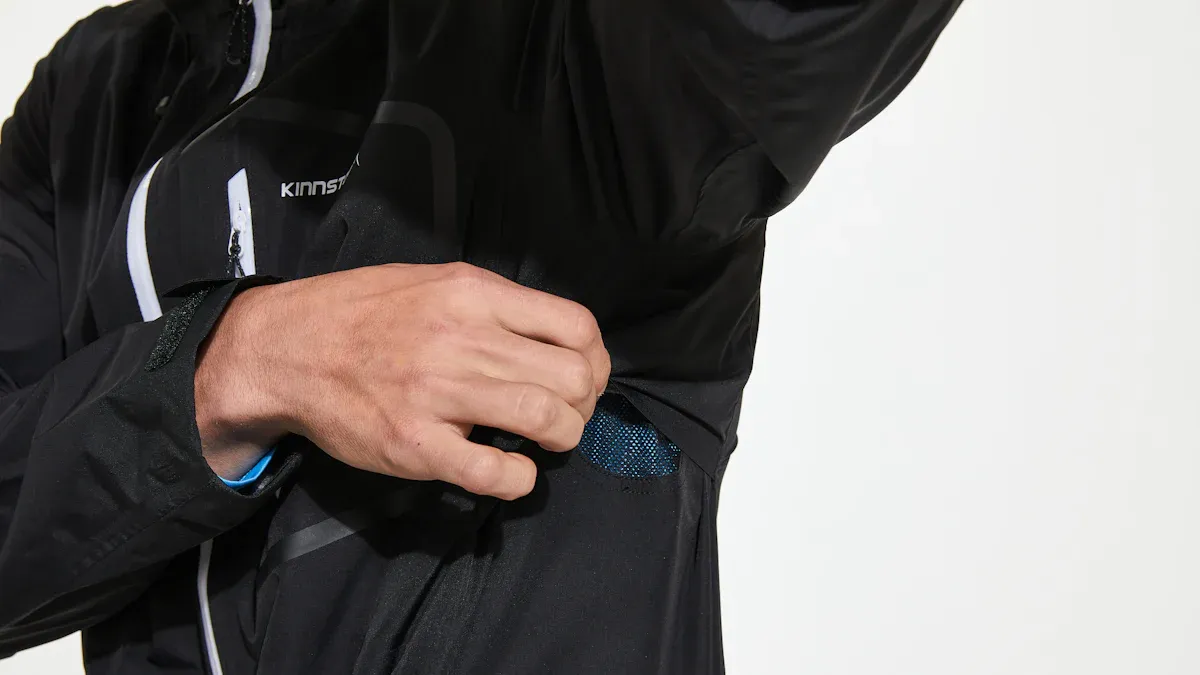
Key Differences in Spandex Softshell Fabric
When comparing spandex softshell fabrics, understanding the key differences between brands helps you make the best choice for your needs. Below is a table summarizing the standout features, strengths, and limitations of each brand:
| Brand | Material Blend | Best For | Strengths | Limitations |
|---|---|---|---|---|
| Brand A | Spandex + Polyester | Lightweight activities | High flexibility, lightweight design | Limited durability in rugged use |
| Brand B | Spandex + Nylon | Outdoor adventures | Excellent durability, moisture-wicking | Heavier fabric, fewer style options |
| Brand C | Spandex + Polyester + Fleece | Casual wear | Warmth, affordability, stylish designs | Limited weather resistance |
| Brand D | Spandex + Nylon + Triple Layer | Extreme outdoor conditions | Superior weather protection, durability | High price, less breathability |
Tip: If you need flexibility for yoga or light hiking, Brand A is a great choice. For rugged outdoor activities, Brand B offers durability and moisture control.
Each brand caters to specific needs. Brand A excels in lightweight comfort, while Brand B focuses on durability for demanding environments. Brand C provides affordable options for casual use, and Brand D targets professionals with premium features.
Note: Consider your primary use case before selecting a fabric. For example, if you need a jacket for both casual outings and outdoor adventures, Brand C might offer the best balance of style and functionality.
By comparing these features, you can identify which brand aligns with your priorities, whether it’s affordability, performance, or versatility.
Each brand offers unique strengths. Brand A prioritizes flexibility, while Brand B excels in durability. Brand C provides affordable, stylish options, and Brand D targets extreme conditions with premium features.
Recommendation:
- For outdoor adventures, choose Brand B or D.
- For casual wear, Brand C fits best.
- For lightweight activities, Brand A works well.
Selecting the right fabric depends on your needs. Focus on durability, comfort, or affordability to make the best choice.
Post time: May-22-2025