
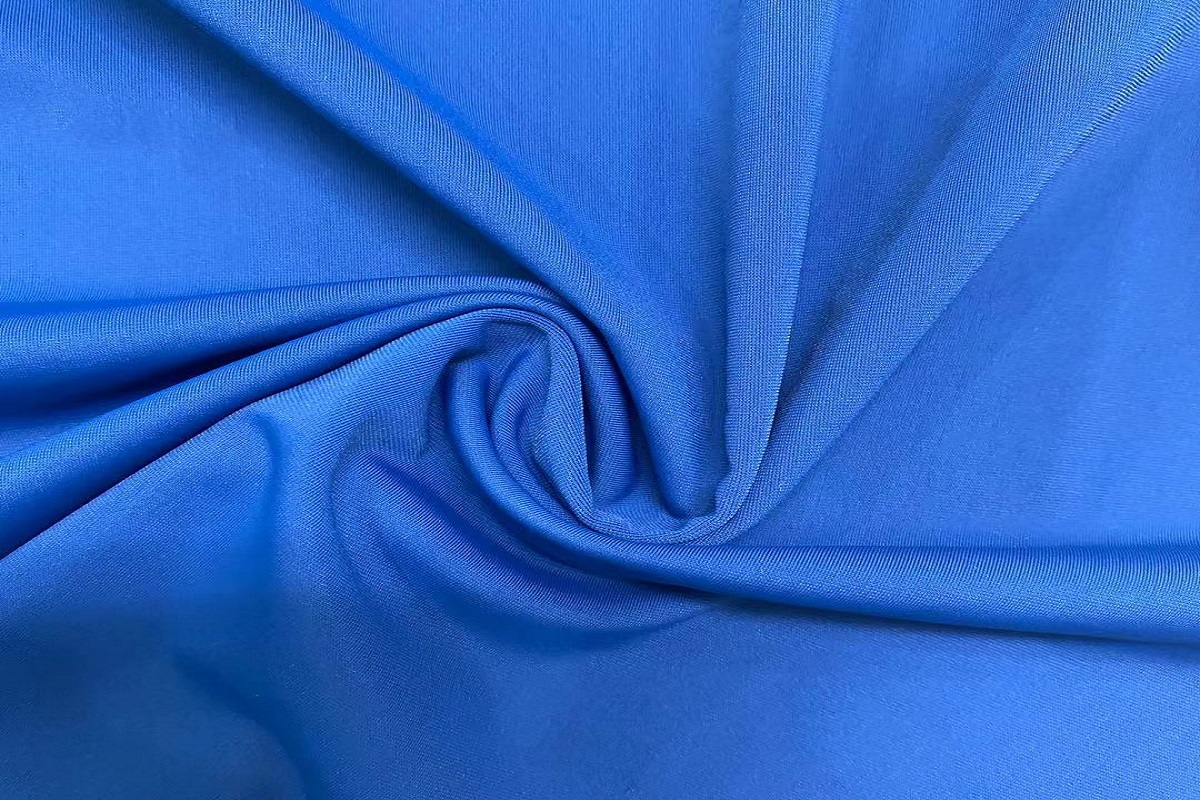
Spandex fabric stands out in athletic apparel due to its unique properties. This material offers exceptional stretch and recovery, making it ideal for activewear. Many people wonder, “why is spandex used in clothing?” The answer lies in its ability to provide comfort and flexibility. Over the past decade, the demand for spandex-based activewear has surged, driven by the athleisure trend. Consumers increasingly prioritize comfort and functionality, reflecting a broader shift in fitness culture.
Key Takeaways
- Spandex offers excellent stretch and recovery, making it perfect for activewear. This allows athletes to move freely and comfortably during workouts.
- The fabric excels in moisture management, keeping wearers dry and cool. This feature enhances performance by reducing discomfort during physical activities.
- Sustainability is becoming a priority in the spandex industry. Innovations like biodegradable and recycled spandex are emerging to meet consumer demand for eco-friendly options.
Benefits of Spandex
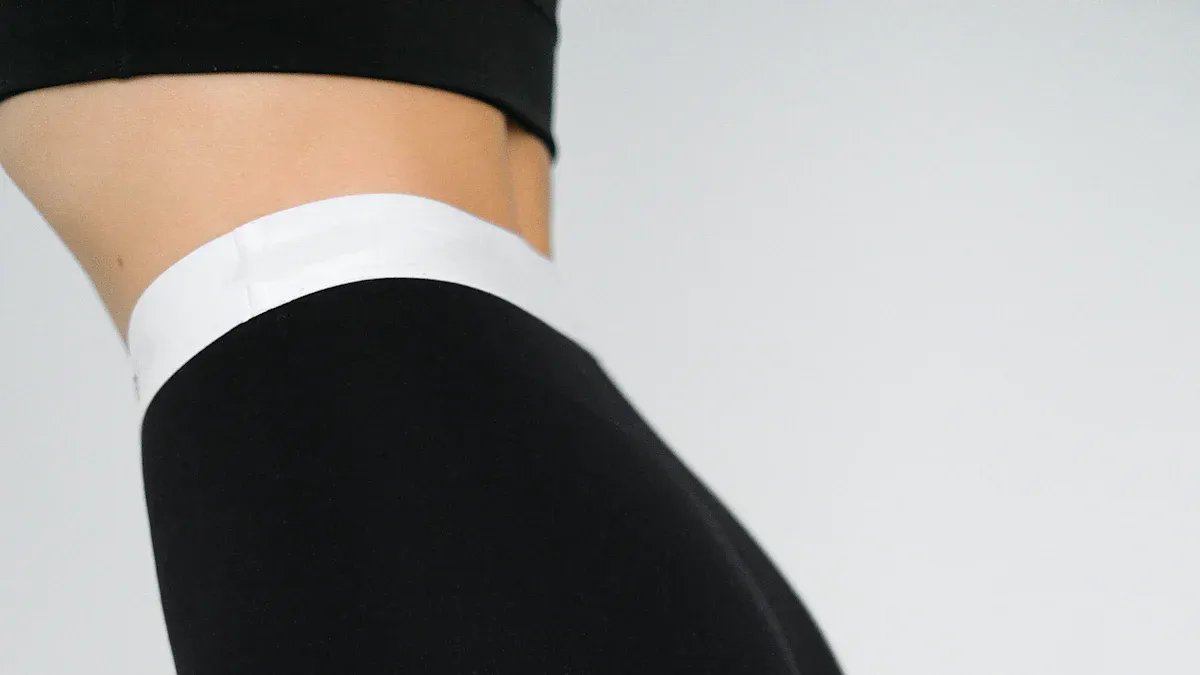
Spandex offers numerous benefits that make it a preferred choice in athletic apparel. Its unique properties enhance comfort, flexibility, and durability, which are essential for activewear. Here are some key advantages of spandex:
- Comfort: Spandex significantly improves the comfort of athletic clothing. Studies indicate that the quality of sportswear directly influences an athlete’s comfort during exercise. For instance, the Biomedical Journal of Scientific & Technical Research highlights that good air and moisture permeability leads to lower heart rates and body temperatures. This means that spandex not only feels good but also supports better performance.
- Moisture Management: Spandex excels in moisture-wicking capabilities. Laboratory tests reveal that polyester-spandex blends effectively manage sweat. The hydrophobic nature of polyester pushes moisture to the fabric surface for evaporation. Additionally, spandex enhances the elasticity of these fabrics, allowing them to maintain shape and fit during physical activity. This combination is crucial for effective moisture management.
- Durability: Spandex is known for its long-lasting qualities. When compared to other athletic fabrics, spandex blends demonstrate superior durability. The following table summarizes findings on the durability of various spandex blends:
| Blend Type | Shrinkage After 20 Washes (%) | Colorfastness to Washing (Scale 1–5) | Observed Surface Wear |
|---|---|---|---|
| 85/15 | 2–4% | 4–5 | Light pilling in flex zones |
| 90/10 | <1.5% | 4–5 | Minimal wear or surface changes |
Moreover, spandex blends withstand significant wear and tear. The following table illustrates the abrasion resistance of different blends:
| Blend | Abrasion Cycles to Reach Grade 3 Pilling | Average Friction Tolerance Rating |
|---|---|---|
| 85/15 | 8,000–10,000 cycles | Moderate (subject to finishing) |
| 90/10 | 12,000–15,000 cycles | High (with tighter fiber packing) |
Why is Spandex Used in Clothing?
Comfort and Fit
Spandex plays a crucial role in enhancing comfort and fit in athletic apparel. The fabric’s elasticity allows it to conform to the body’s shape, providing a snug yet comfortable fit. This adaptability is essential for athletes who require clothing that moves with them. A recent survey indicates that the global spandex market is projected to reach approximately US$14.8 billion by 2032, driven by a rising preference for comfortable and stretchable clothing, particularly in sportswear and activewear. This trend highlights the importance of comfort and fit in consumer choices.
Flexibility and Range of Motion
The flexibility of spandex significantly contributes to the range of motion in athletic clothing. Athletes benefit from the unrestricted movement that spandex offers, allowing them to perform at their best. Apparel manufacturers cite cutting and sewing efficiency as a key reason for choosing spandex. The stable fabric width and excellent needle performance minimize production downtime and reduce defects, ensuring that garments maintain their intended fit and flexibility.
Durability and Longevity
Durability is another reason why spandex is favored in clothing production. Spandex maintains its shape and fit over many washes, which reduces returns and complaints from consumers. The following table summarizes the main reasons manufacturers choose spandex:
| Reason | Description |
|---|---|
| Cutting and sewing efficiency | Stable fabric width and excellent needle performance minimize production downtime and reduce defects. |
| Wrinkle-free packing | Outstanding wrinkle resistance keeps garments looking fresh, reducing ironing needs. |
| Cost-effectiveness | Superior quality-to-price ratio compared to natural fibers makes it ideal for volume production. |
| Lot-to-lot consistency | Ensures same GSM, shade, and stretch performance across orders, critical for ongoing styles. |
| Consumer durability | Maintains fit and shape over many washes, reducing returns and complaints. |
| Versatile styling options | Available in a wide range of colors and finishes, supporting flexible design needs. |
| Suitable for diverse climates | Performs well across varying temperature and humidity conditions with proper construction. |
The combination of comfort, flexibility, and durability makes spandex an ideal choice for activewear, meeting the demands of both manufacturers and consumers alike.
Technological Advancements
Recent technological advancements have significantly improved the performance of spandex in athletic apparel. Manufacturers have focused on enhancing various properties of spandex to meet the evolving demands of athletes and consumers. Here are some key advancements:
| Advancement Type | Description |
|---|---|
| Moisture-wicking capabilities | Engineered to pull sweat away from the skin faster than cotton or polyester blends. |
| Elasticity and stretch properties | 4-way stretch allows for complete freedom of movement, enhancing performance in various activities. |
| Durability | Maintains integrity through hundreds of washes, preventing bagging and sagging over time. |
| Temperature regulation | Creates micro-climates next to the skin that adapt to activity level and external conditions. |
| Compression benefits | Offers graduated pressure to enhance performance and recovery without restricting movement. |
| Sustainability | Innovations include biodegradable materials and recycled fibers to minimize ecological impact. |
These advancements reflect a commitment to improving athletic performance while addressing environmental concerns. Experts note a growing trend towards plant-based alternatives, such as Coreva and EcoMade, which aim to reduce reliance on fossil fuels. Recent innovations like bio-derived LYCRA® EcoMade fiber, made from 70% renewable materials, are expected to reduce carbon emissions by 44%. This aligns with the increasing demand for sustainable options in athletic wear.
The launch of PANGAIA’s 365 Seamless Activewear collection, featuring regen™ BIO Max, a 98% renewable elastane alternative, exemplifies the industry’s move towards sustainable materials. This innovation not only lowers carbon emissions by 27% compared to traditional elastane but also maintains performance standards. Such developments demonstrate that sustainability and functionality can coexist in athletic apparel.
As manufacturers continue to innovate, spandex remains a vital component in athletic wear. The combination of advanced technology and sustainable practices ensures that spandex will continue to meet the needs of athletes and environmentally conscious consumers alike.
Innovations in Spandex Fabrics
Fabric Blends with Other Materials
Recent innovations in spandex fabrics include exciting blends with other materials. These advancements enhance performance and sustainability. Notable developments include:
- Recycled Spandex (Recycled Elastane): Companies now produce spandex from pre-consumer waste, such as Lycra® EcoMade, which contains about 20% recycled elastane.
- Bio-Based Spandex: Innovations like QMONOS utilize renewable resources to create plant-based elastane alternatives.
- Biodegradable Spandex: New types, such as Roica™ V550, decompose faster in landfills, significantly reducing environmental impact.
- Combining Sustainable Fibers: Emerging fabrics blend recycled polyester, TENCEL, and biodegradable spandex, enhancing eco-friendliness while maintaining performance.
Innovations in Smart Textiles
Smart textiles represent another frontier in spandex innovation. These fabrics integrate technology to enhance athletic performance. For example, some garments now feature sensors that monitor heart rate and body temperature. This data helps athletes optimize their training and recovery. Additionally, smart textiles can adjust to environmental conditions, providing comfort and support during various activities.
Moisture-Wicking Properties
Spandex is recognized for its moderate moisture-wicking ability, especially when blended with fibers like nylon or polyester. This combination improves moisture management, keeping wearers dry during physical activities. Key features of moisture-wicking technology include:
- Capillary Action: This process draws sweat away from the skin.
- Fiber Blends: The use of hydrophilic (water-attracting) and hydrophobic (water-repelling) fibers enhances moisture control.
- Rapid Evaporation: The design facilitates quick evaporation of moisture, ensuring comfort during workouts.
These innovations in spandex fabrics not only improve athletic performance but also address environmental concerns, making them a vital component of modern activewear.
Comparison with Other Materials
Spandex stands out among athletic fabrics due to its exceptional stretchability and recovery. Textile engineering studies reveal that spandex maintains over 97% recovery after repeated stretching, making it a top choice for activewear. In contrast, nylon 66 offers about 85% recovery, which, while durable, does not match spandex’s performance in elasticity.
| Material | Stretch Recovery (%) | Notes |
|---|---|---|
| Spandex | >97% | Maintains nearly perfect recovery under repeated stretching conditions. |
| Nylon 66 | 85% | Offers better durability but lower recovery compared to spandex. |
Additionally, spandex’s cost-effectiveness contributes to its popularity. Market analysis shows that spandex prices vary by region, but they remain competitive compared to other materials. For instance, the average price per yard of spandex ranges from $1.70 to $2.80, depending on the manufacturing location.
| Region | Avg. Price/Yard (USD) | Notes |
|---|---|---|
| China | $1.70 – $2.20 | Economies of scale, full vertical integration |
| Vietnam | $1.90 – $2.40 | Slightly higher due to yarn import dependency |
| India | $1.85 – $2.25 | Competitive labor but weaker logistics |
| Turkey | $2.20 – $2.60 | Proximity to EU, OEKO-TEX-ready, but higher energy/labor costs |
| Mexico | $2.40 – $2.80 | Nearshoring benefits, but more expensive raw materials |
Spandex vs. Other Fabrics
Spandex vs. Cotton
When comparing spandex to cotton, several key performance differences emerge. Cotton excels in comfort for casual wear, but it lacks the stretch and durability of spandex. The following table highlights these differences:
| Feature | Cotton | Cotton Spandex |
|---|---|---|
| Stretch | Limited | Exceptional |
| Comfort | Superior for casual wear | Good for activewear |
| Breathability | High | Moderate |
| Moisture Management | Absorbs moisture, slow to dry | Wicks moisture, dries quickly |
| Durability | Loses shape over time | Retains shape, more durable |
Spandex vs. Polyester
Spandex outperforms polyester in elasticity and comfort, making it a preferred choice for sportswear. The following table illustrates the differences in elasticity and recovery:
| Fabric | Elasticity | Stretchability | Recovery |
|---|---|---|---|
| Spandex | Up to 500% | Very High | Excellent |
| Polyester | 20-30% | Moderate | Good |
Spandex provides a second-skin fit, allowing for unrestricted movement. It also enhances breathability when combined with moisture-wicking fabrics, keeping athletes cool during workouts.
Spandex vs. Nylon
Spandex offers several advantages over nylon in activewear. The following table summarizes these benefits:
| Advantage | Description |
|---|---|
| Maximum Stretch & Flexibility | Spandex can stretch 5-8 times its original length, ideal for form-fitting garments. |
| Enhanced Comfort & Fit | Blended with other fabrics, it provides better movement and shape retention. |
| Durability & Long-Lasting | Resists wrinkles, shrinkage, and sagging, maintaining fit over time. |
| Sweat-Resistant & Quick-Drying | Repels moisture and dries quickly, suitable for sportswear and swimwear. |
| Versatile & Multi-Purpose | Adaptable across various industries including fashion and medical textiles. |
These comparisons illustrate why spandex remains a dominant choice in athletic apparel, offering superior performance and comfort.
The Future of Spandex in Activewear
The future of spandex in activewear looks promising, driven by several key trends and market forecasts. Analysts predict that the spandex market will grow at a compound annual growth rate (CAGR) of approximately 8.43% from 2025 to 2035. The activewear segment alone is expected to expand at around 8% over the next five years. This growth stems from rising demand for activewear, advancements in fabric technology, and a strong trend towards sustainability.
Several emerging trends are shaping the development of new spandex-based products. Manufacturers are increasing investments in research focused on sustainable and functional spandex. They emphasize comfort and versatility, responding to consumer preferences. Additionally, there is a notable shift towards sustainable and recycled spandex production methods. Innovations in bio-based spandex derived from renewable resources are also gaining traction.
Furthermore, advancements in melt-spinning techniques enhance production efficiency. The integration of anti-microbial and odor-resistant properties in fibers improves the functionality of activewear. Smart textiles incorporating spandex for wearables represent another exciting frontier. These innovations will likely redefine how athletes experience comfort and performance in their gear.
As the industry evolves, spandex will remain a vital component of athletic apparel, adapting to meet the needs of both consumers and the environment.
Sustainability and Consumer Trends
Sustainability Trends
The athletic apparel industry increasingly prioritizes sustainability. Manufacturers implement various initiatives to reduce environmental impact. Key trends include:
- Use of eco-friendly materials
- Energy-efficient production processes
- Implementation of circular economy practices
- Adoption of closed-loop production systems
- Recycling of waste materials into new products
- Development of bio-based spandex fibers
- Use of waterless dyeing technologies
These practices reflect a commitment to creating a more sustainable future for activewear.
Evolving Consumer Preferences
Consumer preferences are shifting towards eco-friendly spandex options. Many athletes and fitness enthusiasts now seek sustainable materials without sacrificing performance. Notable examples include PANGAIA’s 365 Seamless Activewear collection, which features regen™ BIO Max, a renewable elastane alternative made primarily from industrial corn. This innovative fabric boasts 27% lower carbon emissions and 82% less ozone depletion compared to traditional elastane, all while maintaining high performance standards.
- High-intensity workouts benefit from synthetic fibers due to their durability and moisture management.
- Casual activities are better suited for natural fibers, which provide comfort and breathability.
- Sustainability-focused consumers increasingly consider eco-friendly fabric options.
Potential for New Innovations
The future of spandex production holds exciting possibilities. Innovations are on the horizon that could further enhance sustainability and performance. Key developments include:
- Integration with AI and Machine Learning for smart textiles that adjust based on user data.
- Biodegradable and bio-based spandex to reduce environmental impact while maintaining functionality.
- Hyper-personalization in wearables, allowing customized garments that adapt to individual needs.
These advancements will likely redefine the landscape of athletic apparel, ensuring that spandex remains a vital component in the evolution of activewear.
Spandex remains a cornerstone of athletic apparel due to its numerous benefits. Key advantages include:
- Excellent stretch and recovery, allowing for a full range of motion.
- Enhanced moisture management, keeping wearers dry during activities.
- Common blends with nylon and polyester, offering durability and comfort.
Technological advancements continue to enhance spandex’s relevance in sportswear. As consumers seek high-performance options, they should consider spandex for their activewear choices.
FAQ
What is spandex made from?
Spandex is a synthetic fiber made from polyurethane, known for its exceptional elasticity and stretchability.
How should I care for spandex clothing?
Wash spandex in cold water and avoid bleach. Air dry to maintain elasticity and prevent damage.
Is spandex suitable for all types of workouts?
Yes, spandex is versatile and suitable for various workouts, providing comfort and flexibility during physical activities.
Post time: Feb-02-2026