
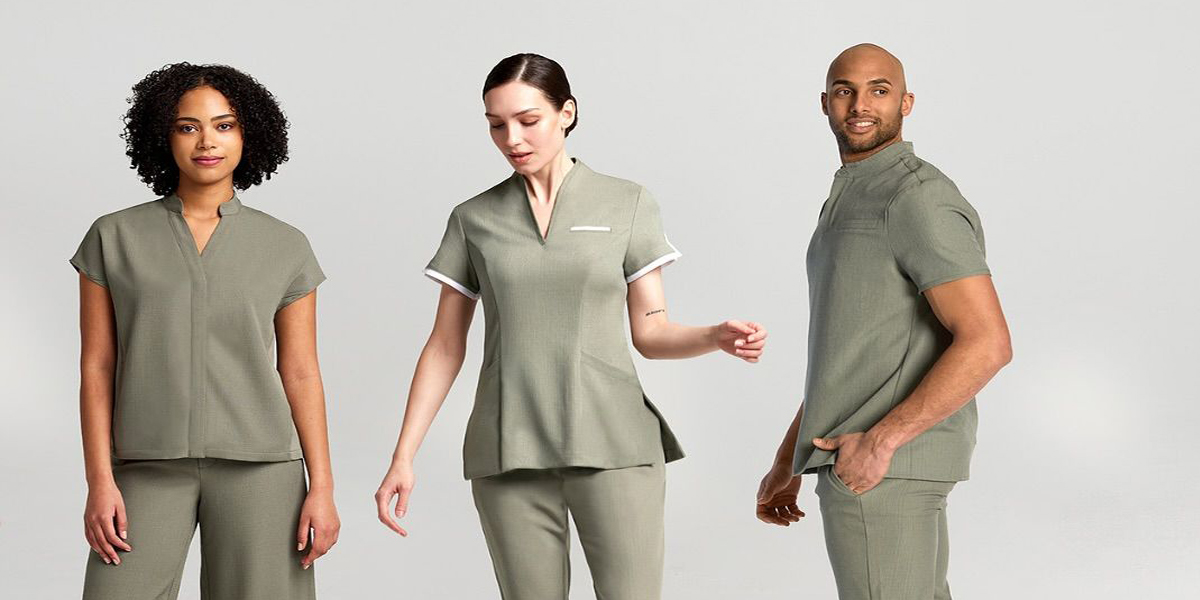
When I choose medical and workwear uniforms, I focus on fabric quality first.
- I trust medical uniform fabrics like polyester rayon spandex fabric for their strength and comfort.Wrinkle resistant fabric uniforms from a reliable uniform apparel supplier help me stay sharp. I prefer easy care uniforms that last through daily use.
Key Takeaways
- Choose high-quality fabrics like polyester-rayon blends for durability and comfort. These fabrics resist wrinkles and maintain their shape after many washes.
- Look for uniforms with antimicrobial treatments to enhance hygiene and reduce the risk of contamination. This keeps both you and your patients safer.
- Select easy-care fabrics that are simple to wash and maintain. This saves time and money on laundry while keeping your uniforms looking fresh.
What Makes High-Quality Fabric in Medical and Workwear Uniforms
Durability and Tear Resistance
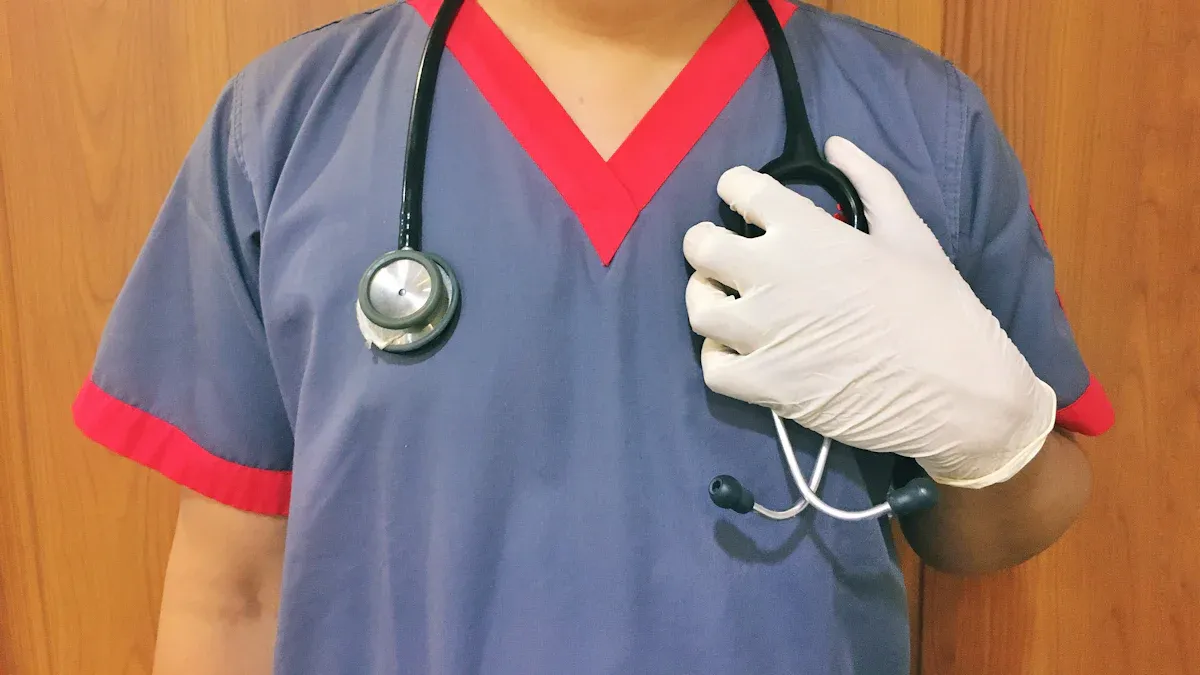
When I select uniforms, I always check for durability and tear resistance. I want my uniforms to last through tough shifts and frequent washing. High-quality fabrics like polyester blends stand up to daily wear and tear. Industry standards use several tests to measure how well a fabric holds up. These tests include abrasion resistance, tear strength, and moisture resistance. Here is a table that shows some common testing methods:
| Testing Method | Purpose |
|---|---|
| Abrasion Resistance Testing | Checks if the fabric can handle rubbing and friction without breaking down. |
| Tear Strength Testing | Measures how much force it takes to rip the fabric, which is important for safety. |
| Moisture Resistance Testing | Looks at how the fabric reacts to sweat and liquids, which matters in medical settings. |
I trust uniforms that pass these tests because they keep me protected and looking professional.
Comfort and Breathability
Comfort is a top priority for me, especially during long shifts. I look for fabrics that let my skin breathe and keep me cool. Cotton and polyester blends work well because they combine softness with strength. I also like twill and polycotton for their breathability and quick drying. Here is a quick comparison of some common fabrics:
| Fabric Type | Properties |
|---|---|
| Polyester/Cotton Blend | Soft, breathable, and strong. |
| Twill | Durable, hides stains, and resists wrinkles. |
| Polycotton | Breathable, long-lasting, and dries fast. |
| Linen | Very breathable and cool, but can wrinkle easily. |
| Rayon | Thin and airy, but may shrink if washed in hot water. |
| Cotton | Absorbs sweat and keeps me comfortable. |
| Polyester | Durable and wicks moisture away from my skin. |
I always choose fabrics that help me stay comfortable and dry, no matter how busy my day gets.
Color Retention and Appearance
I want my uniforms to look sharp even after many washes. Fabrics that hold their color and resist fading help me maintain a professional appearance. Cotton-polyester blends are my go-to choice because they keep their color well and do not shrink much. They also resist wrinkles and dry quickly. Here is a table that shows how different blends perform:
| Fabric Blend Type | Color Retention | Durability | Additional Benefits |
|---|---|---|---|
| Cotton-Polyester Blends | High | Enhanced | Less shrinkage, fewer wrinkles, and faster drying times |
| Cotton Blends | Moderate | Variable | Depends on dye and finishing processes |
Uniforms made from these blends help me look neat and professional every day.
Washability and Easy Care
I need uniforms that are easy to clean and care for. Polyester fabrics are simple to wash and keep their shape. I just follow the care label, wash with similar colors, and turn them inside out to avoid pilling. Cotton is also easy to clean, but I sometimes need to pretreat stains and iron after drying. Here are some care tips I follow:
- Polyester: Machine wash on permanent press, dry right away to avoid wrinkles.
- Cotton: Wash in cold water with mild detergent, iron if needed.
- Twill: Brush before washing, wash normally unless delicate.
- Nylon: Wash in cold water, hang to dry, use low heat if needed.
These steps help my uniforms last longer and look good.
Stain and Odor Resistance
Working in healthcare or tough jobs means I face stains and odors every day. I prefer uniforms treated with special finishes that fight bacteria and odors. Treatments like Sanitized® keep my uniforms fresh and hygienic by stopping bacteria from growing. Some fabrics use natural dyes like curcumin from turmeric, which also help prevent odors. Antimicrobial treatments with silver or copper add another layer of protection. These features mean I do not have to wash my uniforms as often, and they stay clean and fresh longer.
Tip: Choosing uniforms with antimicrobial and stain-resistant treatments saves time and keeps me feeling confident at work.
Stretch and Flexibility
I move a lot during my shifts, so I need uniforms that stretch with me. Stretch fabrics let me bend, squat, and reach without feeling restricted. This flexibility keeps me comfortable and reduces the risk of muscle strains or injuries. When my uniform moves with my body, I feel less tired and can focus better on my work. Uniforms with stretch panels or blended fabrics make a big difference in how I feel at the end of a long day.
- Stretch fabrics allow me to move in all directions.
- Flexible uniforms reduce discomfort and fatigue.
- I stay more productive and safer when my clothes fit well and move with me.
High-quality fabric in Medical and Workwear Uniforms means I get durability, comfort, easy care, and protection all in one. That is why I always pay attention to fabric quality before anything else.
Impact of Fabric Quality on Longevity and Cost
Extending Uniform Lifespan
When I choose Medical and Workwear Uniforms, I always look for fabrics that last. High-quality fabric stands up to daily wear and frequent washing. I notice that uniforms made from strong materials like polyester blends do not tear easily. They keep their shape and color, even after many cycles in the laundry. I see fewer frayed edges and less fading when I invest in better fabric. This means I do not need to replace my uniforms as often. I feel confident knowing my uniform will last through busy shifts and tough tasks.
Contaminated textiles in healthcare settings can harbor pathogenic microorganisms, which raises concerns about hygiene and infection control. Although the risk of disease transmission from contaminated fabrics is considered negligible due to effective control measures, the quality of fabric used in uniforms can influence how often they need to be replaced to maintain hygiene standards.
I find that uniforms made from high-quality fabric help me meet hygiene standards without constant replacement. This saves me time and keeps my work environment safe.
Reducing Replacement Expenses
I pay close attention to how often I need to buy new uniforms. When I select uniforms with durable fabric, I spend less money on replacements. Strong materials resist stains, tears, and fading. I do not have to worry about my uniform looking worn out after a few months. This helps me manage my budget and focus on my work. I see that investing in quality fabric pays off over time. My uniforms last longer, and I avoid the hassle of frequent shopping.
I also notice that easy-care fabrics reduce laundry costs. I spend less time and money on cleaning and maintenance. Uniforms that resist stains and odors stay fresh longer. I do not need to wash them as often, which saves water and energy. Choosing high-quality fabric helps me keep expenses low and my uniforms in good condition.
Maintaining a Professional Look
I believe that looking professional matters in every workplace. High-quality fabric helps me maintain a neat and polished appearance. My uniform fits well and stays clean, even after long shifts. I feel more confident when my clothes look sharp and fresh. Patients and coworkers trust me more when I wear a uniform that looks reliable.
- High-quality fabrics enhance comfort, hygiene, and professionalism in healthcare settings.
- A clean and well-fitted uniform conveys competence and reliability.
- The right uniform boosts the confidence of healthcare professionals, improving patient interactions.
- Uniforms designed for practicality and comfort enable effective performance.
- Safety and hygiene are critical in healthcare, and uniforms are essential in maintaining these standards.
I notice that Medical and Workwear Uniforms made from premium fabric help me perform better. I do not worry about wrinkles or stains. My uniform supports my work and helps me make a good impression every day.
Fabric’s Role in Safety, Hygiene, and Satisfaction
Protection Against Contaminants
I always pay close attention to the protective qualities of my uniforms. High-quality fabrics help shield me from harmful contaminants. I choose uniforms treated with antimicrobial materials because they lower the risk of bacteria sticking to my clothes. Here are some important facts I consider:
- Antimicrobial textiles help decrease contamination on uniforms.
- Fabrics with antimicrobial treatments reduce the presence of microbes.
- Uniforms can carry bacteria like Staphylococcus aureus, E. coli, and Enterococcus for weeks if not properly treated.
- The effectiveness of washing depends on time, temperature, and detergent.
- Embedding fabrics with silver alloy or antibacterial substances boosts protection.
- Studies show that treated hospital textiles have a much lower microbial load than untreated ones.
I feel safer knowing my uniform helps protect me from dangerous germs during every shift.
Supporting Hygiene in Medical Settings
I rely on antimicrobial fabrics to keep my work environment clean. Medical gowns and linens made from these materials stop bacteria from growing. This keeps both patients and staff safer. When textiles contain antimicrobial substances, they help lower the risk of contamination. I see that these fabrics play a key role in reducing biological hazards in healthcare settings. I trust that my uniform supports hygiene and helps maintain a healthy workplace.
Enhancing Employee Comfort
Comfort matters to me every day. I notice that breathable, moisture-wicking fabrics make a big difference in how I feel at work. When my uniform fits well and keeps me dry, I stay focused and productive. Here are some ways fabric quality improves comfort:
- Comfortable uniforms boost job satisfaction and performance.
- Uncomfortable clothing distracts me and slows me down.
- High-quality uniforms protect patients and improve the facility environment.
- Choosing cotton for breathability or poly-cotton blends for durability helps me stay comfortable during long shifts.
I believe that Medical and Workwear Uniforms made from premium fabrics keep me safe, clean, and comfortable throughout my workday.
Choosing the Best Fabrics for Medical and Workwear Uniforms
Medical Uniform Fabric Needs
When I select medical uniforms, I focus on durability, comfort, and hygiene. I want fabrics that stand up to frequent washing and keep me comfortable during long shifts. I rely on materials that offer antimicrobial properties and moisture-wicking abilities. Here is a table that helps me compare the best options:
| Fabric Type | Durability | Comfort | Hygiene |
|---|---|---|---|
| Polyester & Spandex | High | High | Good (washable) |
| Four-way Stretch | High | High | Antimicrobial |
| Moisture-wicking | High | High | Good (washable) |
I choose these fabrics because they help me stay clean and comfortable all day.
Workwear Fabric Requirements
I need workwear uniforms that protect me in high-risk environments. I look for fabrics that balance protection, flexibility, and comfort. Here are the most important characteristics:
- Fabric weight: Heavier fabrics protect better, lighter fabrics allow more movement.
- Moisture absorption: Good sweat management keeps me comfortable.
- Breathability: High airflow helps me stay cool.
- Softness: Soft fabrics feel better against my skin.
I often pick cotton for breathability, polyester for durability, and poly-cotton blends for a mix of both. Nomex works well when I need flame resistance, and high-visibility fabrics keep me safe in low light.
Benefits of Polyester-Rayon Blends
I prefer polyester-rayon blends for my uniforms. These blends combine the strength of polyester with the softness of rayon. My uniforms resist wrinkles and keep their shape after many washes. I notice that these fabrics dry quickly and feel comfortable against my skin. The blend also helps my uniform look professional and last longer.
Tip: Polyester-rayon blends offer a great balance of durability, comfort, and easy care for busy professionals.
Key Factors in Fabric Selection
I always consider several factors before choosing a uniform fabric:
- I evaluate my work environment and climate.
- I look for breathability and moisture-wicking properties.
- I check for antimicrobial treatments to boost hygiene.
- I pay attention to fabric blends and weaves for comfort and durability.
- I make sure the fabric meets industry standards and regulations, such as those set by the FDA and OSHA.
Comfort, durability, and breathability matter most to me. I trust high-quality fabrics to help me perform my best in Medical and Workwear Uniforms.
Sustainable and Eco-Friendly Uniform Fabrics
Advantages of Sustainable Materials
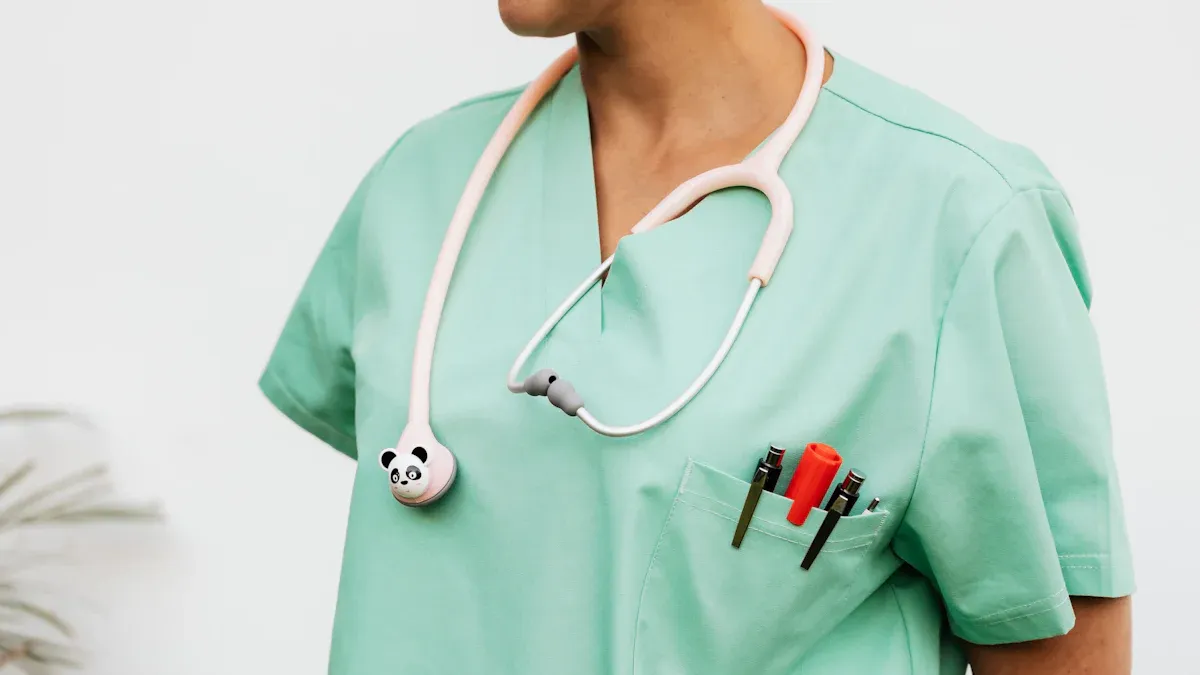
I choose sustainable materials for my uniforms because they offer many benefits. These fabrics help me lower my workplace’s environmental footprint and support ethical manufacturing. I see that using eco-friendly materials decreases operational costs for healthcare providers. I also notice that these fabrics feel softer and reduce skin irritation.
| Advantage | Description |
|---|---|
| Comfort | Organic cotton and bamboo are soft and breathable, reducing irritation. |
| Lower Environmental Impact | Reduces the organization’s overall environmental footprint. |
| Cost Savings | Durable materials mean fewer replacements and lower long-term costs. |
| Exceptional Durability | rPET and Tencel™ last longer than traditional options. |
| Extended Lifespan | Natural fibers help uniforms last longer, reducing waste. |
| Environmental Impact | Reduces carbon emissions, conserves water, and minimizes waste. |
- I support ethical manufacturing practices, which ensure fair labor conditions and sustainable sourcing.
Popular Eco-Friendly Fabric Choices
I see more companies using recycled polyester and organic cotton in their uniforms. These fabrics help me stay comfortable and protect the environment at the same time.
- Recycled polyester ♻️
- Organic cotton
Post time: Aug-30-2025