
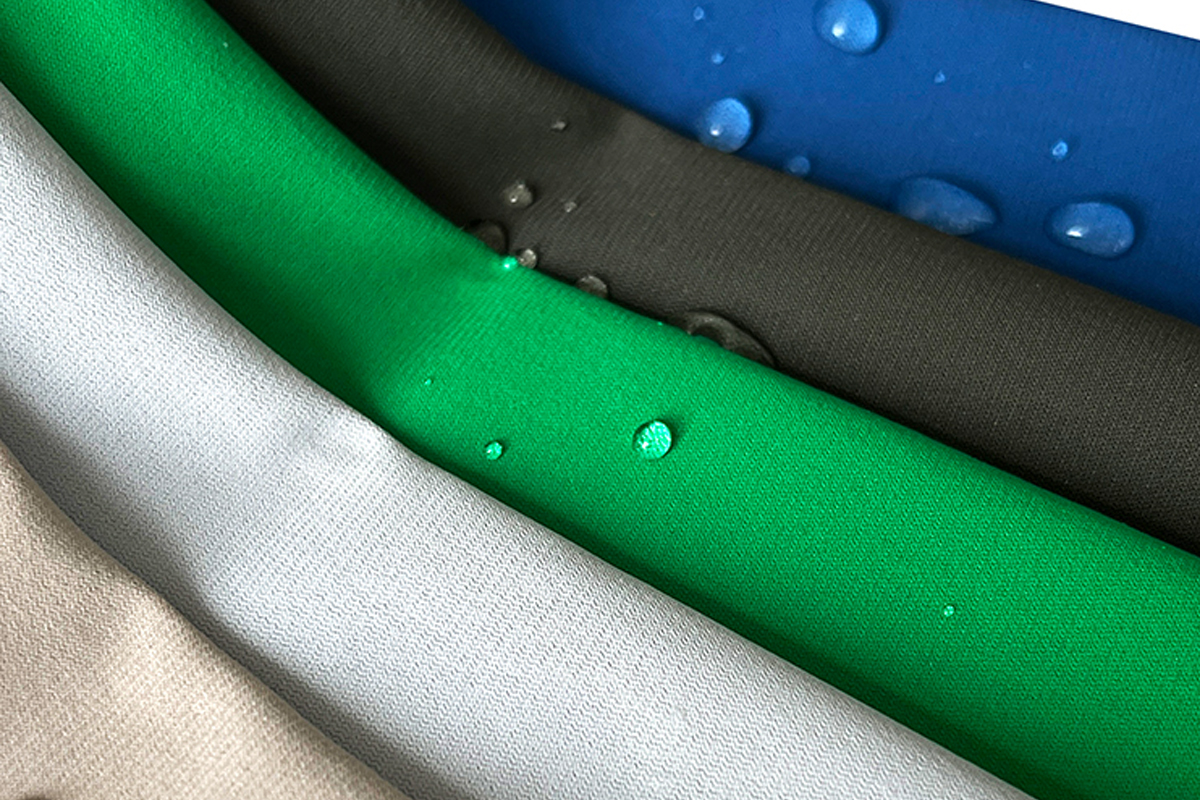
Functional sports fabric plays a vital role in the wholesale market, addressing the growing demand for performance-focused textiles. Buyers seek materials that offer durability, flexibility, and cost-effectiveness. For instance, the rising popularity of nylon spandex fabric demonstrates how stretch fabric meets these needs. Moreover, innovations by sports fabric manufacturers now include options like upf 50 swimwear fabric, which combines UV protection with comfort. Collaborating with reliable sports fabric suppliers ensures access to high-quality materials that enhance the value of any product line.
Key Takeaways
- Sports fabric helps athletes perform better with features like sweat-wicking and fast-drying. Pick fabrics that keep athletes dry and comfy during hard workouts.
- Being eco-friendly is important now. Use green materials like bamboo and bioplastics to please buyers and help the planet.
- Work with reliable suppliers to get top-quality, creative fabrics. Good teamwork makes buying easier and improves your products.
Key Features of Functional Sports Fabric
Moisture-Wicking and Quick-Drying
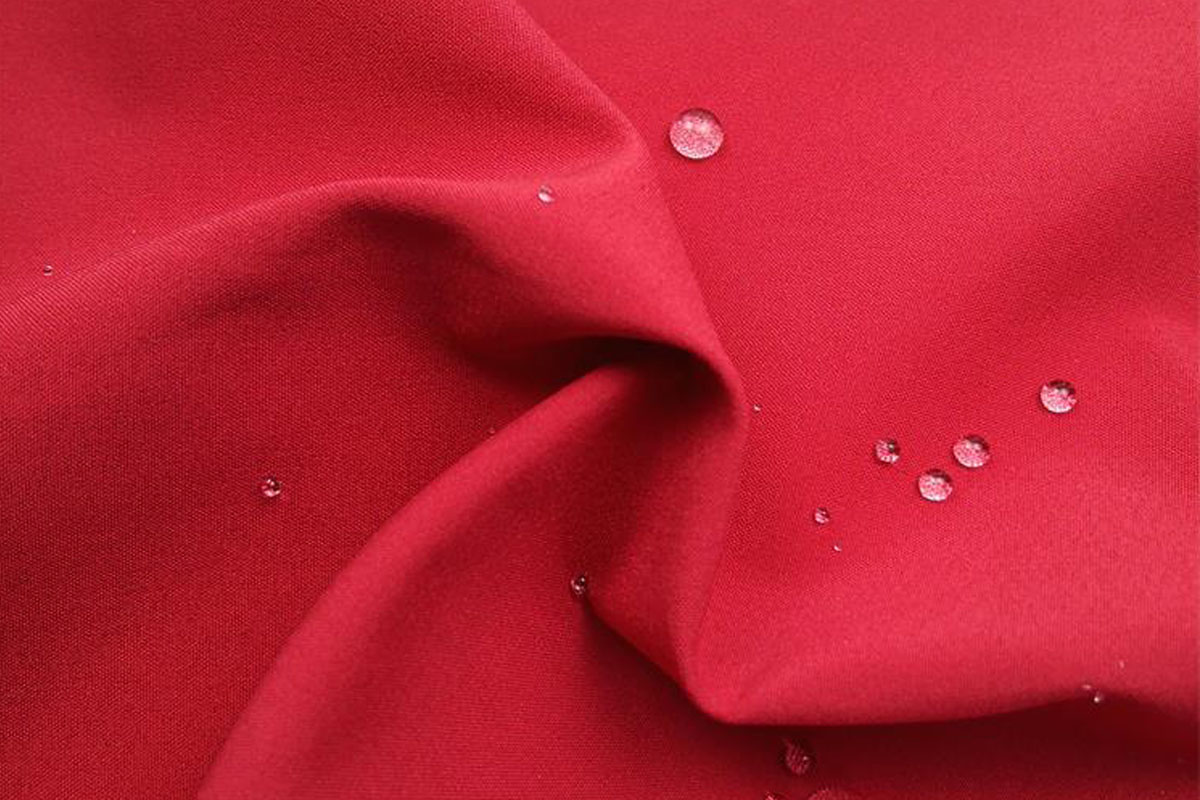
When it comes to sportswear, moisture-wicking and quick-drying properties are non-negotiable. I’ve seen how these features keep athletes comfortable by pulling sweat away from the skin and allowing it to evaporate quickly. This prevents the fabric from clinging to the body, ensuring a dry and irritation-free experience during intense activities.
- Spandex: Its elasticity makes it a staple in sportswear, often blended with other fibers for added comfort and durability.
- Polyester: Known for its affordability and versatility, it resists shrinking and wrinkles while offering excellent moisture management.
- Nylon: Its strength and quick-drying nature make it ideal for high-performance sports gear, especially when combined with moisture-wicking innovations.
These materials work together to create functional sports fabric that enhances performance and comfort.
Stretchability and Flexibility
Stretchability and flexibility are crucial for unrestricted movement. I’ve noticed that fabrics like spandex and nylon spandex blends are particularly effective in this area. They allow athletes to perform dynamic movements without feeling restricted. Whether it’s yoga, running, or weightlifting, these fabrics adapt to the body’s movements seamlessly.
The elasticity of spandex, for example, ensures that the fabric retains its shape even after repeated use. This makes it a reliable choice for both sportswear and swimwear.
Durability and Longevity
Durability is another hallmark of functional sports fabric. I always emphasize the importance of choosing materials that can withstand wear and tear. Polyester and nylon are excellent examples. They resist abrasion, maintain their structure, and are easy to care for, making them ideal for long-term use.
These fabrics are designed to endure rigorous activities, ensuring that sportswear remains in top condition even after multiple washes. This longevity adds significant value for wholesale buyers.
Breathability and Comfort
Breathability is essential for maintaining comfort during physical activities. I’ve found that fabrics with breathable properties allow air to circulate, preventing overheating. This is particularly important for athletes who train in warm conditions.
Materials like bamboo fabric and merino wool excel in this area. Bamboo fabric is not only breathable but also sustainable, while merino wool offers natural temperature regulation and odor resistance. These options ensure that athletes stay comfortable and focused.
UV Protection and Temperature Regulation
UV protection and temperature regulation are critical for outdoor sportswear. I’ve seen how advanced technologies, such as nano-coatings with ZnO and TiO2 nanoparticles, enhance these features. These coatings achieve UPF ratings of 40+ to 200+, providing excellent sun protection.
| Feature | Evidence |
|---|---|
| UV Protection | Nano-coatings and nanocomposites with ZnO and TiO2 nanoparticles achieve UPF ratings of 40+ to 200+. |
| Temperature Regulation | The study indicates that fabric properties like breathability and flexibility are maintained. |
These innovations ensure that athletes are protected from harmful UV rays while staying cool and comfortable.
Sustainability and Eco-Friendly Options
Sustainability is becoming increasingly important in the sportswear industry. I’ve noticed a growing demand for eco-friendly options like biocomposites and green synthesis methods. These materials not only reduce environmental impact but also offer excellent performance.
- Biocomposites enhance durability while being environmentally friendly.
- Combed Supima cotton yarns provide superior UV protection and are sustainably sourced.
Choosing sustainable functional sports fabric aligns with the values of eco-conscious consumers and contributes to a greener future.
Benefits for Wholesale Buyers
Cost-Efficiency in Bulk Purchases
Bulk purchasing offers significant cost advantages for wholesale buyers. I’ve observed how buying functional sports fabric in large quantities reduces per-unit costs, making it easier to manage budgets effectively. This approach simplifies procurement and ensures consistent supply, which is crucial for meeting production deadlines.
- The global spandex fabric market is projected to grow from USD 8.2 billion in 2023 to USD 12.5 billion by 2032, reflecting a compound annual growth rate (CAGR) of 4.8%.
- Nylon spandex fabric, when purchased in bulk, leads to substantial savings and minimizes procurement complexities.
- Accurate quantity estimation and effective budget planning help reduce waste and maximize financial control.
Wholesale buyers benefit from these trends by securing high-quality materials at competitive prices, ensuring profitability and operational efficiency.
Versatility for Diverse Applications
Functional sports fabric serves a wide range of applications, making it a versatile choice for wholesale buyers. I’ve seen how these fabrics cater to various market segments, from activewear to outdoor gear. Their adaptability ensures that buyers can meet diverse consumer demands without compromising on quality.
| Aspect | Details |
|---|---|
| Market Segment | Sportswear is a prominent segment in the functional fabric market. |
| Consumer Demand | Increasing demand for high-performance clothing that offers comfort, protection, and style. |
| Fabric Properties | Includes breathable, moisture-wicking, and UV-resistant materials. |
| Integration of Technology | Smart textiles with sensors and trackers enhance the functionality of sportswear. |
| Growth Trend | The fitness industry’s growth drives demand for innovative and high-performance sportswear. |
This versatility allows wholesale buyers to tap into multiple markets, ensuring their product lines remain relevant and competitive.
High Demand in the Sportswear Market
The sportswear market continues to experience robust growth, driven by consumer preferences for performance-enhancing apparel. I’ve noticed how functional sports fabric plays a pivotal role in meeting this demand. Buyers who invest in these materials position themselves to capitalize on this expanding market.
High-performance fabrics, such as moisture-wicking and UV-resistant options, align with consumer expectations for comfort and protection. The integration of smart textiles further boosts demand, as fitness enthusiasts seek innovative solutions that enhance their training experience. Wholesale buyers who prioritize functional sports fabric gain a competitive edge in this thriving industry.
Reliable Partnerships with Sports Fabric Manufacturers
Collaborating with trusted sports fabric manufacturers ensures access to high-quality materials and consistent supply. I’ve found that reliable partnerships streamline procurement processes and reduce risks associated with delays or quality issues.
Manufacturers with a proven track record offer advanced fabric technologies, such as sustainable options and smart textiles. These innovations not only meet market demands but also elevate the value of wholesale buyers’ product lines. Building strong relationships with suppliers fosters long-term success and ensures that buyers can adapt to evolving industry trends.
Popular Types of Functional Sports Fabric
Polyester: Lightweight and Moisture-Wicking
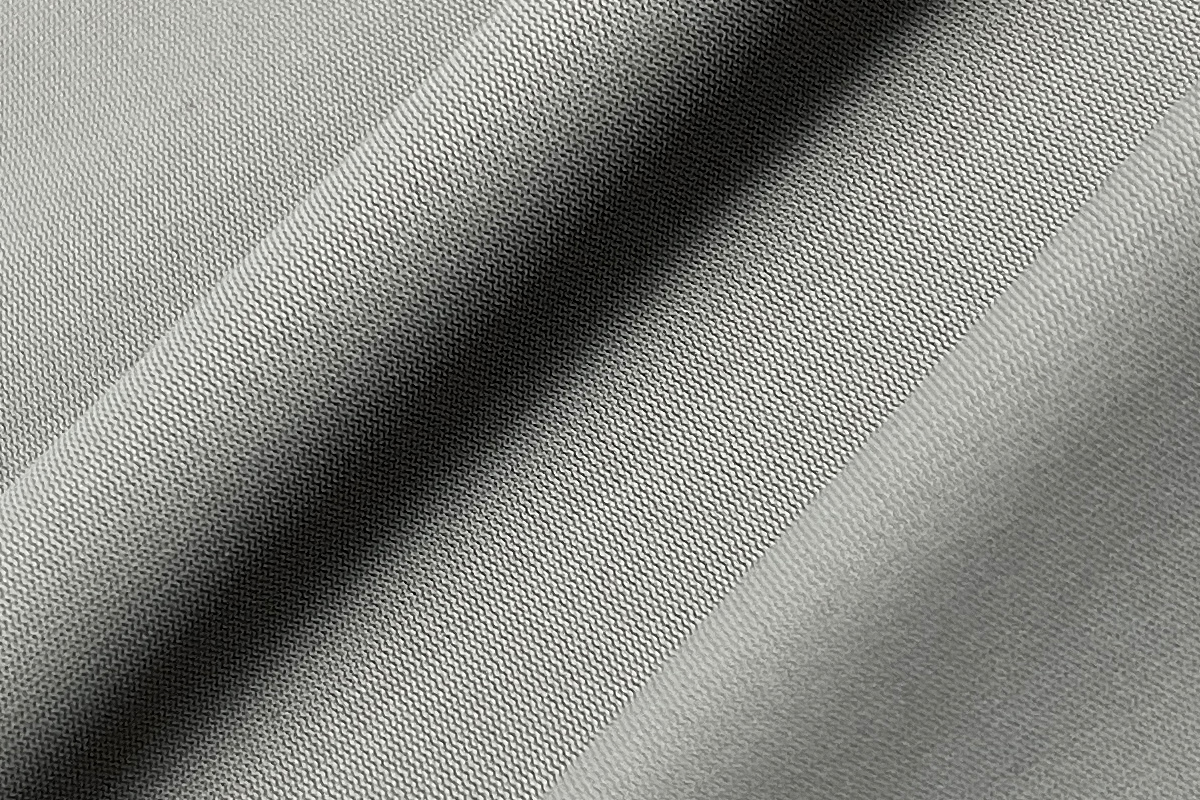
Polyester stands out as a top choice for functional sports fabric due to its lightweight nature and excellent moisture-wicking properties. I’ve observed how this fabric keeps athletes dry by efficiently pulling sweat away from the skin. Its affordability and resistance to shrinking make it a staple in sportswear manufacturing.
The growing demand for polyester reflects its versatility. The functional apparel industry, valued at approximately USD 574.9 billion in 2023, highlights the sportswear segment as the largest contributor. This growth stems from rising health awareness and advancements in fabric technology.
Tip: Polyester blends, such as polyester-spandex, enhance stretchability while retaining moisture-wicking benefits.
Nylon Spandex Fabric: Stretchable and Durable
Nylon spandex fabric combines the strength of nylon with the elasticity of spandex, making it ideal for high-performance sportswear. I’ve seen how its stretchability supports dynamic movements, while its durability ensures long-lasting use. This fabric is particularly popular in activewear and swimwear, where flexibility and resilience are essential.
The market for nylon spandex continues to grow, driven by consumer demand for comfort and recovery benefits. Advanced materials and technologies further enhance its appeal, making it a go-to option for wholesale buyers.
| Year | Market Value (USD) | Projected Value (USD) | CAGR (%) |
|---|---|---|---|
| 2023 | 203.26 billion | 298.06 billion | 4.38 |
Wind-Resistant Fabric: Outdoor Protection
Wind-resistant fabrics provide essential protection for outdoor sports enthusiasts. I’ve noticed how these materials shield athletes from harsh winds without compromising breathability. They are commonly used in jackets, pants, and other gear designed for hiking, cycling, and running.
Modern wind-resistant fabrics often incorporate lightweight membranes that block wind while allowing moisture to escape. This ensures comfort during prolonged outdoor activities.
Bamboo Fabric: Sustainable and Breathable
Bamboo fabric offers a sustainable alternative for eco-conscious consumers. Its natural breathability and moisture-wicking properties make it an excellent choice for sportswear. I’ve found that bamboo fabric not only keeps athletes cool but also aligns with the growing demand for environmentally friendly options.
Note: Bamboo fabric is biodegradable and requires fewer resources to produce, making it a greener choice for wholesale buyers.
Merino Wool: Insulation and Odor Resistance
Merino wool excels in providing insulation and odor resistance, making it perfect for cold-weather sportswear. I’ve seen how its fine fibers trap heat while remaining lightweight and breathable. Additionally, its natural ability to resist odors ensures freshness during extended use.
This fabric is particularly popular in base layers and outdoor gear, where warmth and comfort are critical. Its premium quality justifies its higher price point, offering excellent value for wholesale buyers targeting niche markets.
Choosing the Right Functional Sports Fabric
Understand Market Needs
Understanding market needs is the foundation of selecting the right functional sports fabric. I always start by analyzing consumer preferences and industry trends. For instance, the growing demand for cooling fabrics highlights the importance of materials that enhance sweat evaporation and regulate body temperature. These fabrics are essential for athletes who prioritize comfort during intense activities.
The U.S. cooling fabrics market leads in revenue share, driven by the popularity of outdoor sports and fitness. This trend underscores the need for breathable, high-performance materials. By staying informed about these developments, I ensure that fabric choices align with market demands and consumer expectations.
Focus on Quality and Performance
Quality and performance are non-negotiable when choosing functional sports fabrics. I’ve noticed that athletes rely on materials designed for specific activities, such as moisture-wicking fabrics for running or wind-resistant options for hiking. Sports apparel must meet these functional needs while ensuring durability and comfort.
The rising demand for breathable fabrics in sportswear reflects their ability to regulate body temperature effectively. This feature is crucial for maintaining performance during exercise. By focusing on quality benchmarks, I ensure that the selected fabrics deliver consistent results and meet industry standards.
Collaborate with Trusted Sports Fabric Suppliers
Collaborating with reliable suppliers is key to accessing high-quality materials. I evaluate suppliers based on their reputation, product range, and innovation capabilities. Leading companies like W. L. Gore & Associates and Schoeller Textil AG specialize in functional fabrics, offering advanced options tailored to diverse needs.
| Analysis Type | Description |
|---|---|
| Threat of New Entrants | Low threat due to high competition and established players. |
| Bargaining Power of Buyers | High power as many suppliers exist, allowing buyers to switch easily and negotiate prices. |
| Competitive Rivalry | High rivalry with many players competing for market share, making differentiation challenging. |
This approach ensures access to cutting-edge materials while fostering long-term partnerships.
Evaluate Sustainability Options
Sustainability is a growing priority in the sportswear industry. I’ve seen how eco-conscious consumers prefer fabrics made from renewable resources or recycled materials. Bamboo fabric and biocomposites are excellent examples of sustainable options that deliver both performance and environmental benefits.
By incorporating sustainable fabrics, I not only meet consumer expectations but also contribute to reducing the industry’s environmental footprint. This focus on sustainability aligns with global efforts to create a greener future.
Functional sports fabrics offer unmatched benefits, from moisture-wicking to sustainability. These features elevate product quality and meet consumer expectations. I always stress the importance of choosing fabrics that align with market trends and performance needs.
Tip: Partnering with trusted sports fabric manufacturers ensures consistent quality and access to innovative materials. This collaboration drives long-term business success.
FAQ
What makes functional sports fabric different from regular fabric?
Functional sports fabric offers performance features like moisture-wicking, stretchability, and UV protection. These qualities enhance comfort and durability, unlike regular fabrics used for casual wear.
How do I choose the right sports fabric for my wholesale needs?
I recommend analyzing market trends, prioritizing quality, and collaborating with trusted suppliers. Focus on fabrics that meet your target audience’s performance and sustainability expectations.
Tip: Always request fabric samples to evaluate quality before committing to bulk purchases.
Are sustainable sports fabrics as durable as traditional options?
Yes, sustainable fabrics like bamboo and biocomposites provide excellent durability. They combine eco-friendliness with performance, making them a reliable choice for long-term use.
Post time: Apr-24-2025