
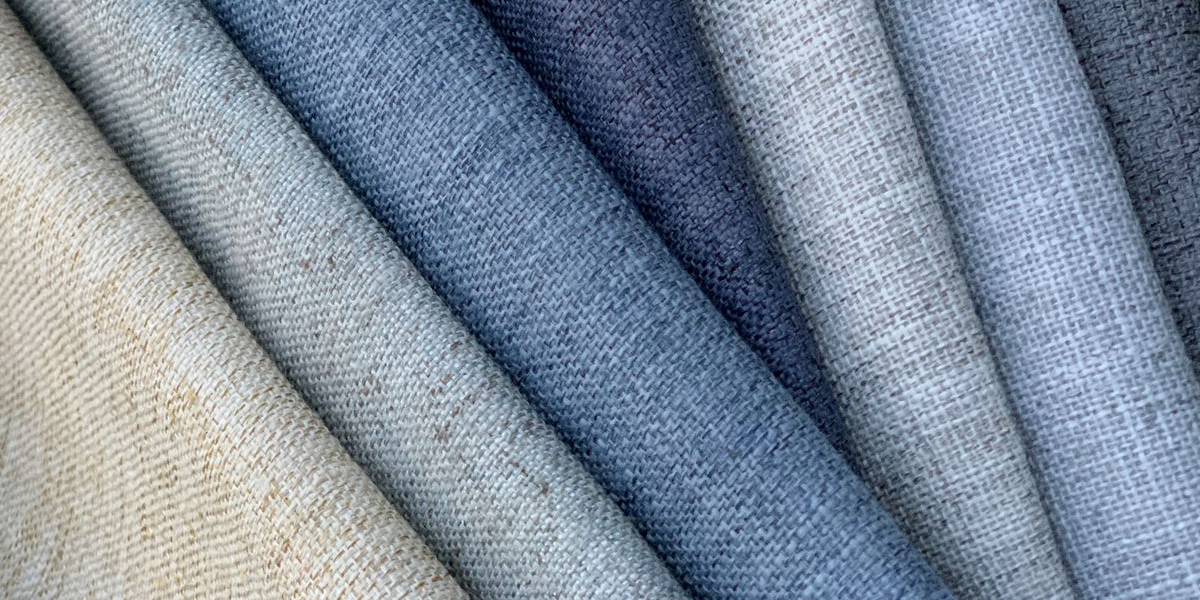
Fashion brands are increasingly embracing linen-look fabrics, which reflects a broader trend towards sustainable materials. The aesthetic allure of linen look shirting enhances contemporary wardrobes, appealing to modern consumers. As comfort becomes paramount, many brands prioritize breathable options, particularly in runway shirt fabrics. The linen fabric trend for 2025 promises even more innovation and growth, aligning with the old money style fabrics that continue to influence fashion fabric trends for 2025.
Key Takeaways
- Linen-look fabrics are gaining popularity due to their sustainability, requiring less water and fewer chemicals than traditional materials.
- These fabrics offer exceptional comfort and breathability, making them ideal for warm weather and versatile for various styles.
- The market for linen-look fabrics is projected to grow significantly, driven by consumer demand for eco-friendly and stylish clothing options.
The Rise of Linen in Fashion
Historical Context
Linen has a rich history that dates back over 36,000 years. Ancient civilizations, including the Egyptians, valued linen for its breathability and comfort. They often preferred it over cotton, especially in hot climates. Men and women wore various styles of linen garments, showcasing its versatility.
- Ancient Egyptians, Indians, Mesopotamians, Romans, and Chinese extensively used linen for summer clothing due to its breathability and comfort.
- The Greeks and Romans utilized linen for summer clothing, employing different styles of draping. Silk and cotton were reserved for the wealthy, highlighting linen’s accessibility.
Linen’s journey continued through the ages. By the 18th century, Ireland became a major center for linen production, known as ‘Linenopolis.’ This textile’s practicality and association with purity made it a staple in various cultures. The Industrial Revolution further democratized linen, making it more accessible to the masses. Today, we see a revival of this ancient fabric, as modern brands embrace its qualities.
Key Brands Embracing Linen-Look Fabrics
Several prominent fashion brands have recognized the appeal of linen-look fabrics and incorporated them into their collections. These brands not only focus on aesthetics but also prioritize sustainability and ethical practices.
| Brand | Description |
|---|---|
| EILEEN FISHER | Offers 100% organic linen apparel, ethically made and sourced via organic farming. |
| Everlane | Features a range of linen clothing, including button-downs and dresses, known for quality and ethics. |
| Aritzia | Provides a linen line that blends linen with recycled materials, designed for breathability and style. |
These brands exemplify the shift towards sustainable fashion. For instance, EILEEN FISHER uses organic farming and natural dyeing methods, ensuring minimal environmental impact. Everlane’s linen is made from hemp and flax, farmed with minimal water and chemicals. Aritzia’s Babaton Linen incorporates recycled materials to reduce creasing, demonstrating innovation in fabric technology.
As I explore the world of linen-look fabrics, I find it fascinating how these brands are not just following a trend; they are shaping the future of fashion. The combination of historical significance and modern innovation makes linen-look fabrics a compelling choice for consumers seeking style and sustainability.
Factors Driving the Trend
Sustainability and Eco-Friendliness
I find that sustainability plays a crucial role in the rising popularity of linen-look fabrics. Unlike traditional cotton, linen requires fewer pesticides and less water during its cultivation. The flax plant, from which linen is derived, enriches the soil and produces minimal waste. This eco-friendly approach resonates with consumers who prioritize sustainable fashion choices.
- Linen’s cultivation involves low resource consumption and minimal chemical inputs.
- The fabric is biodegradable, supporting a more responsible approach to clothing consumption.
- Linen production processes yield valuable fibers while minimizing waste.
Experts emphasize that linen-look fabrics align perfectly with the growing consumer preference for sustainable fashion. They highlight linen’s low water usage and biodegradable properties, making it a more environmentally friendly option compared to synthetic materials. This shift towards eco-conscious choices reflects a broader trend in the fashion industry, where brands are increasingly adopting sustainable practices.
Comfort and Wearability
When it comes to comfort, linen-look fabrics truly shine. I appreciate how linen provides superior breathability, allowing air to circulate freely. This feature keeps wearers cool, especially in warm weather. The moisture absorption properties of linen enhance overall comfort, making it ideal for summer attire.
- Linen garments absorb and remove perspiration quickly, ensuring a comfortable experience.
- Research from the Kapatex Textile Institute indicates that premium linens offer exceptional breathability and temperature regulation.
- Consumers consistently rate linen for its soft, breathable comfort, which prevents overheating.
In my experience, linen’s ability to create a neutral comfort zone across temperature ranges sets it apart from synthetic textiles. It keeps wearers cool in summer while trapping body heat in winter, making it a versatile choice for various climates. This adaptability contributes to the growing demand for linen-look fabrics in everyday wardrobes.
Durability and Versatility
Durability is another significant factor driving the trend of linen-look fabrics. I have observed that linen not only lasts but improves with each wash, becoming softer and more comfortable over time. Modern testing confirms that linen withstands washing effectively, maintaining its color and structure even after numerous laundry cycles.
- Linen is recognized as one of the strongest natural fibers, with fibers that are approximately 30% thicker and stronger than cotton.
- The fabric’s durability ensures it can withstand frequent use while developing a soft patina over time.
- Linen clothing adapts well to various styles, making it suitable for both casual and elegant looks.
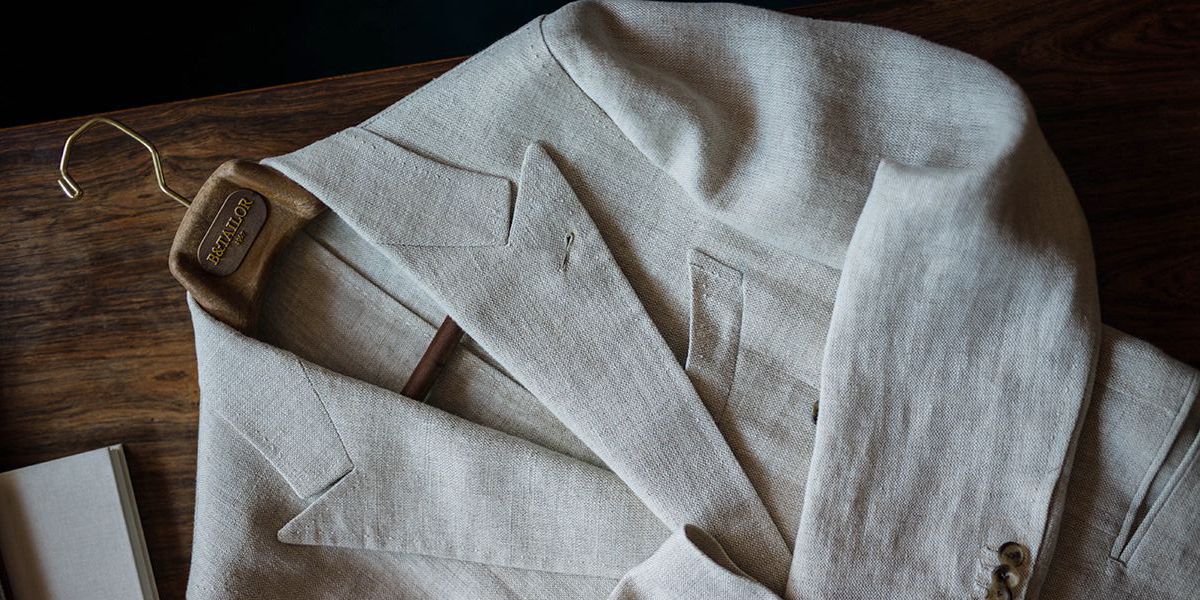
The versatility of linen-look fabrics is impressive. They can be used in a range of fashion applications, from lightweight summer dresses to tailored blazers. This adaptability makes linen a must-have for spring and summer wardrobes. As I explore the world of linen, I see how its durability and versatility contribute to its appeal among consumers seeking stylish yet practical options.
The Future of Linen-Look Fabrics in Retail
Market Demand
I have noticed a significant shift in market demand for linen-look fabrics. The market is projected to grow at a compound annual growth rate (CAGR) of 6.1% from 2025 to 2032. This growth stems from a rising interest in sustainable and eco-friendly materials. Consumers increasingly prioritize transparency in sourcing and production processes.
- Demand for linen-based clothing has surged by 38%, accounting for over 43% of overall application demand.
- Bed linens made from linen have seen a 33% increase, representing about 29% of the application segment.
- In North America, linen fabric consumption has risen by 36%, with 41% of eco-conscious consumers preferring linen over synthetic alternatives.
Younger consumers, particularly Gen Z and millennials, are driving this trend. They are more inclined to purchase home linens, with about 25% making purchases in February 2023. This demographic shift indicates a promising future for linen-look fabrics in retail.
Innovations in Fabric Technology
Innovations in fabric technology are also shaping the future of linen-look fabrics. Brands are exploring new blends and treatments to enhance the performance of linen. For instance, some companies are combining linen with recycled materials to improve durability and reduce creasing.
I find it exciting that these advancements not only maintain the natural appeal of linen but also address consumer needs for practicality. As brands invest in research and development, we can expect to see even more innovative applications of linen-look fabrics in fashion and home textiles.
The combination of growing market demand and technological advancements positions linen-look fabrics as a staple in contemporary retail. I believe this trend will continue to evolve, offering consumers stylish and sustainable options for years to come.
Linen-look fabrics offer numerous benefits that appeal to modern consumers. Their lower water footprint and biodegradable properties enhance brand storytelling. Additionally, linen’s strength makes it ideal for heavy use, ensuring durability and comfort.
I see a bright future for linen in retail, with the market projected to grow significantly. As consumers increasingly prioritize sustainable textiles, I encourage everyone to explore the stylish options that linen-look fabrics provide.
FAQ
What are linen-look fabrics made from?
Linen-look fabrics often blend linen with synthetic fibers or other natural materials, enhancing durability and reducing creasing.
How do I care for linen-look clothing?
I recommend washing linen-look garments in cold water and air-drying them to maintain their shape and texture.
Why should I choose linen-look fabrics over other materials?
Linen-look fabrics offer breathability, comfort, and sustainability, making them an excellent choice for stylish and eco-conscious consumers.
Post time: Sep-19-2025