
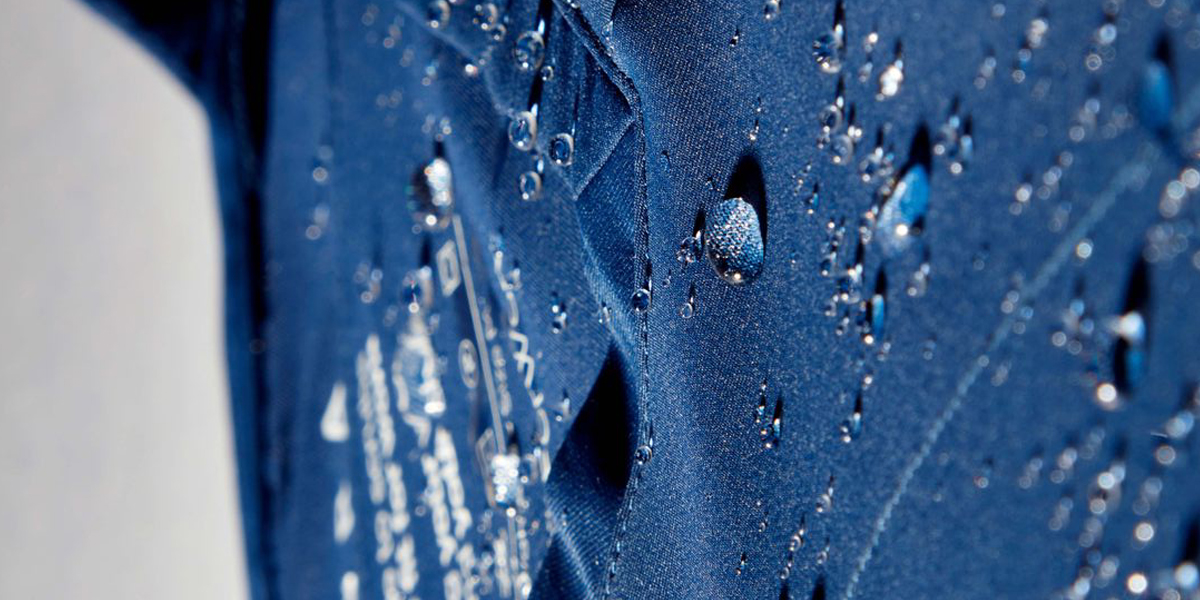
In the medical industry, a uniform is more than just clothing; it is a piece of personal protective equipment (PPE). Whether it is a surgeon in the operating room or a nurse in a high-traffic ward, the fabric they wear must act as a barrier against contaminants while providing enough comfort to sustain them through grueling shifts.
As a professional manufacturer, Yunai Textile recognizes that the medical apparel market is shifting. In 2026, healthcare institutions are no longer satisfied with “basic scrubs.” They demand high-performance textiles that can survive industrial laundering while keeping the wearer cool and dry. However, the path to creating the “perfect scrub” is filled with technical hurdles. Our mission is to act as your consultant, identifying these risks before you cut a single yard of fabric.
1. The Chlorine Challenge: Surviving Industrial Disinfection
Medical garments undergo some of the most aggressive cleaning processes in the world. To ensure hygiene, hospitals often use high-temperature water and chlorine-based bleach.
The Technical Reality: Standard disperse dyes used in many polyester-rayon (TR) or polyester-cotton (TC) fabrics are not “bleach-fast.” After just a few cycles of professional laundering, the vibrant “hospital blue” or “surgical green” begins to fade, turn gray, or develop splotches. This not only looks unprofessional but can also weaken the fabric fibers over time.
Our Altruistic Solution:
-
The Pre-Warning: We analyze the client’s intended laundry protocol. If they plan to use industrial-grade bleaching, we warn them that standard dyeing will not suffice.
-
The Mitigation: We recommend VAT Dyeing or specialized Indanthrene dyes. These dyes form a permanent bond with the fiber that is virtually impervious to chlorine. We provide a “50-Cycle Wash Report” to prove color retention before the order is finalized.
2. The Breathability Paradox: Antimicrobial vs. Airflow
There is a rising demand for antimicrobial finishes that kill bacteria on contact. While this is excellent for hygiene, some chemical coatings can “clog” the weave of the fabric, significantly reducing breathability.
The Technical Reality: If a fabric has a low Moisture Vapor Transmission Rate (MVTR), the wearer’s sweat cannot evaporate. In a high-pressure medical environment, this leads to heat stress and discomfort, which can affect a professional’s performance. Many buyers focus on the “99% bacteria kill rate” but forget to test the “air permeability.”
Our Altruistic Solution:
-
The Pre-Warning: We alert clients when a specific antimicrobial concentration might affect the hand-feel or breathability of the fabric.
-
The Mitigation: We utilize SILVADUR™ silver-ion technology or similar advanced treatments that work at a molecular level. This ensures high-level hygiene without compromising the fabric’s porous structure. We always provide a dual test report: one for antimicrobial efficacy and one for airflow.
3. Static Electricity: The Invisible Risk to Equipment
In modern hospitals, professionals are surrounded by sensitive electronic monitors and diagnostic tools.
The Technical Reality: Synthetic fabrics like polyester are prone to generating static electricity. A sudden static discharge is not just an annoyance to the wearer; in rare cases, it can interfere with sensitive medical calibration or even ignite flammable gases in specific clinical settings.
Our Altruistic Solution:
-
The Pre-Warning: For high-end medical scrubs, we suggest that “basic anti-static” coatings are insufficient because they wash off over time.
-
The Mitigation: We offer fabrics with integrated conductive carbon filaments (Anti-static grid). Because the anti-static property is built into the yarn itself, it is permanent and remains effective for the entire lifespan of the garment.
4. Elasticity and “Snap-Back”: Preventing Sagging Scrubs
Modern medical professionals prefer “Jogger-style” scrubs with spandex for better movement. However, the heat from industrial dryers is the enemy of spandex.
The Technical Reality: Standard spandex (elastane) loses its “memory” or elasticity when exposed to temperatures above 60°C. If a garment factory uses standard stretch fabric for hospital-laundered scrubs, the knees and elbows will eventually “bag out” and lose their shape, making the uniform look sloppy.
Our Altruistic Solution:
-
The Pre-Warning: We ask our clients about their drying temperatures. If they exceed 70°C, we warn them that standard spandex will fail.
-
The Mitigation: We provide T400 or PBT mechanical stretch fibers. These high-performance polymers offer excellent stretch and recovery but are significantly more heat-resistant than traditional spandex. This ensures the scrubs maintain their “retail fit” even after months of industrial cleaning.
Conclusion: Protecting Those Who Protect Us
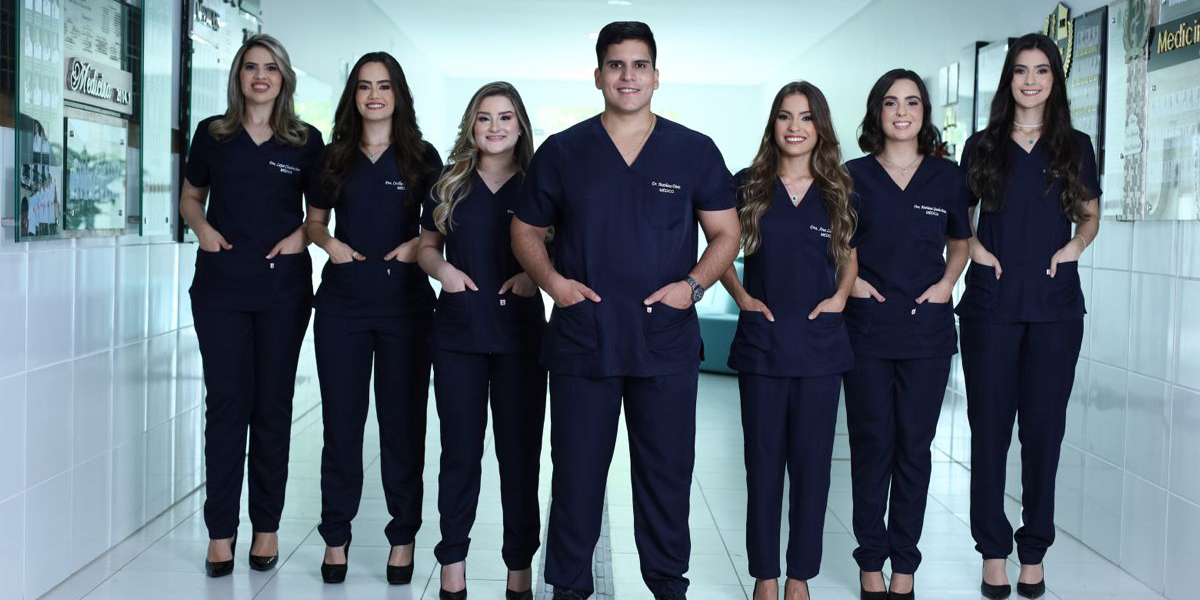
In medical textile manufacturing, “good enough” is never enough. By identifying these upstream risks—from color fading to static discharge—we ensure that our healthcare clients receive a product that is as resilient as the professionals who wear it. At Yunai Textile, our goal is to eliminate the “hidden costs” of fabric failure, allowing medical brands to focus on what matters most: the comfort and safety of our frontline heroes.
Post time: Apr-03-2026