
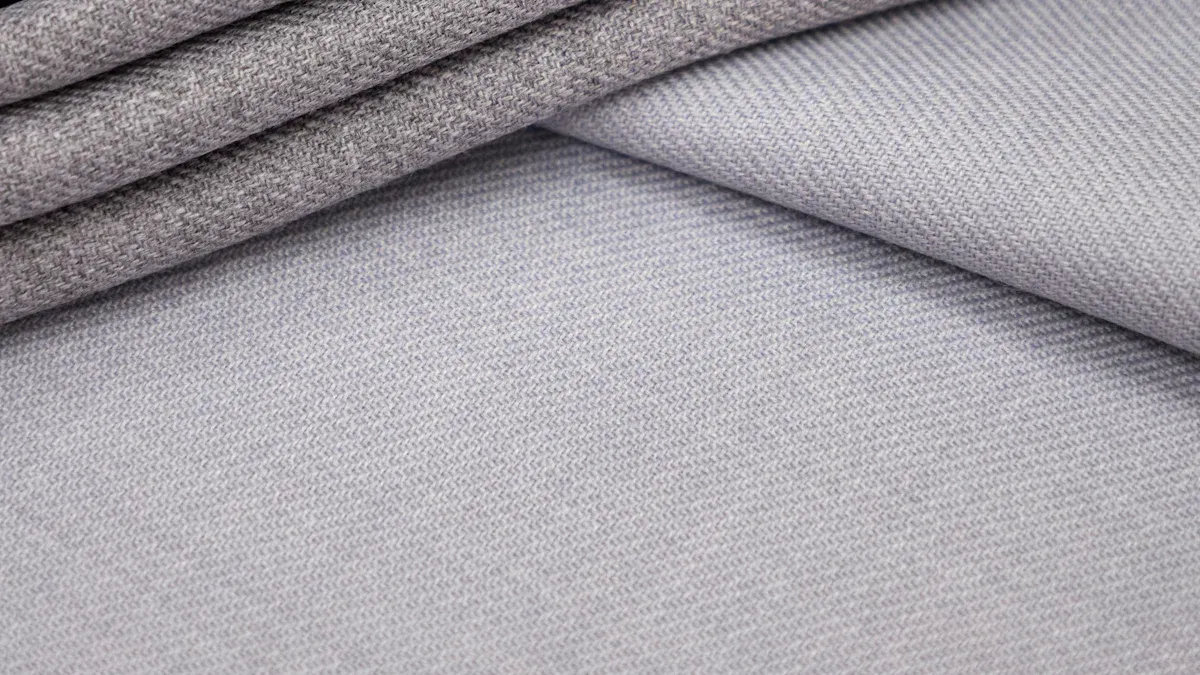
I know buying fabric online can be tricky; you cannot feel the texture or confirm the exact color. This guide empowers you to confidently purchase your ideal suiting fabric by the yard. I provide essential tips for a successful online fabric purchase. Whether you need a light weight suiting fabric, a Custom TR Woven Fabric, a polyester rayon 4 way spandex fabric, a durable woven suiting fabric, or a heavy weight suiting fabric, I ensure you navigate these online hurdles effectively.
Key Takeaways
- Plan your suit project before you shop. Decide the suit type and fabric you need. Calculate the right amount of fabric.
- Shop smart online. Look for good stores. Use filters to find fabric. Read product details carefully. Ask for fabric samples.
- Check your fabric when it arrives. Look for problems. Pre-shrink fabric if needed. Store it well to keep it nice.
Preparing for Your Suiting Fabric Project
Before I dive into online shopping, I always prepare thoroughly. This initial planning ensures I select the perfect materials for my project. It saves time and avoids potential disappointment.
Defining Your Suit Type and Style
I begin by clearly defining the suit type and style I want to create. This decision guides all subsequent fabric choices. Different suit types demand specific characteristics.
- Two-Piece Suit: This option includes a jacket and trousers. I find it incredibly versatile. It works well for business settings or semi-formal events.
- Three-Piece Suit: This suit adds a waistcoat (vest) to the jacket and trousers. I choose this for increased formality. I can wear the waistcoat alone for a sophisticated look.
- Tuxedo Suit: I reserve this for formal evening wear. It features satin or grosgrain lapels, often peaked or shawl. Satin-covered buttons and trousers without belt loops (designed for suspenders) distinguish it. I always pair it with a bow tie and a cummerbund.
Understanding Suiting Fabric Types and Their Suitability
Next, I consider the fabric types. Each fabric offers unique properties and suitability for different garments and climates.
- Wool: This natural fiber comes from sheep or other animals’ fleece. Tweed, a rough woven fabric, often uses wool. It can feature plain or twill weaves.
- Linen: I know linen as a natural fiber from the flax plant. It provides a breathable option.
- Silk: This natural fiber offers luster, shine, strength, and durability. Taffeta, a crisp, plain-woven fabric, often uses silk. Velvet, originally made from silk, has a dense pile of evenly cut fibers.
Linen also blends well for suiting. For example, I have seen “Classic Polyester Linen Spandex Woven Fabric” that offers a matte linen look with stretch. This blend works well for premium trousers and suits.
Calculating Accurate Suiting Fabric Yardage
Finally, I calculate the exact yardage I need. I always consult pattern instructions for precise measurements. I then add a little extra for pattern matching or potential errors. This step prevents me from running short during the cutting process.
Navigating Online Suiting Fabric Retailers
Once I have my project details clear, I move to the exciting part: exploring online fabric retailers. This step requires a strategic approach to ensure I find the best materials.
Researching Reputable Online Fabric Stores
I always begin by researching reputable online fabric stores. I look for retailers with a strong track record and positive customer reviews. I check their “About Us” pages to understand their specialization and commitment to quality. Stores that focus on apparel fabrics or specifically suiting fabric often provide better selections and more detailed product information. I also consider their customer service policies, especially regarding samples and returns. A reliable store makes the entire purchasing process smoother.
Utilizing Filters for Suiting Fabric Selection
Online stores offer powerful filtering tools, and I use them extensively. I filter by fiber content, such as wool, linen, or blends, to match my project’s needs. I also apply filters for weight, color, and pattern. This helps me quickly narrow down hundreds of options to a manageable selection. I find these filters invaluable for saving time and focusing on fabrics that truly fit my vision. They prevent me from getting overwhelmed by too many choices.
Deciphering Suiting Fabric Product Descriptions
Reading product descriptions carefully is crucial. I pay close attention to details like fabric composition, width, and care instructions. I look for information on the fabric’s drape, hand, and suitability for specific garment types. Sometimes, descriptions include technical terms like “thread count” or “weave type,” which I research if unfamiliar. Understanding these details helps me confirm the fabric’s quality and ensure it meets my project’s requirements before I commit to a purchase.
Assessing Suiting Fabric Quality Remotely
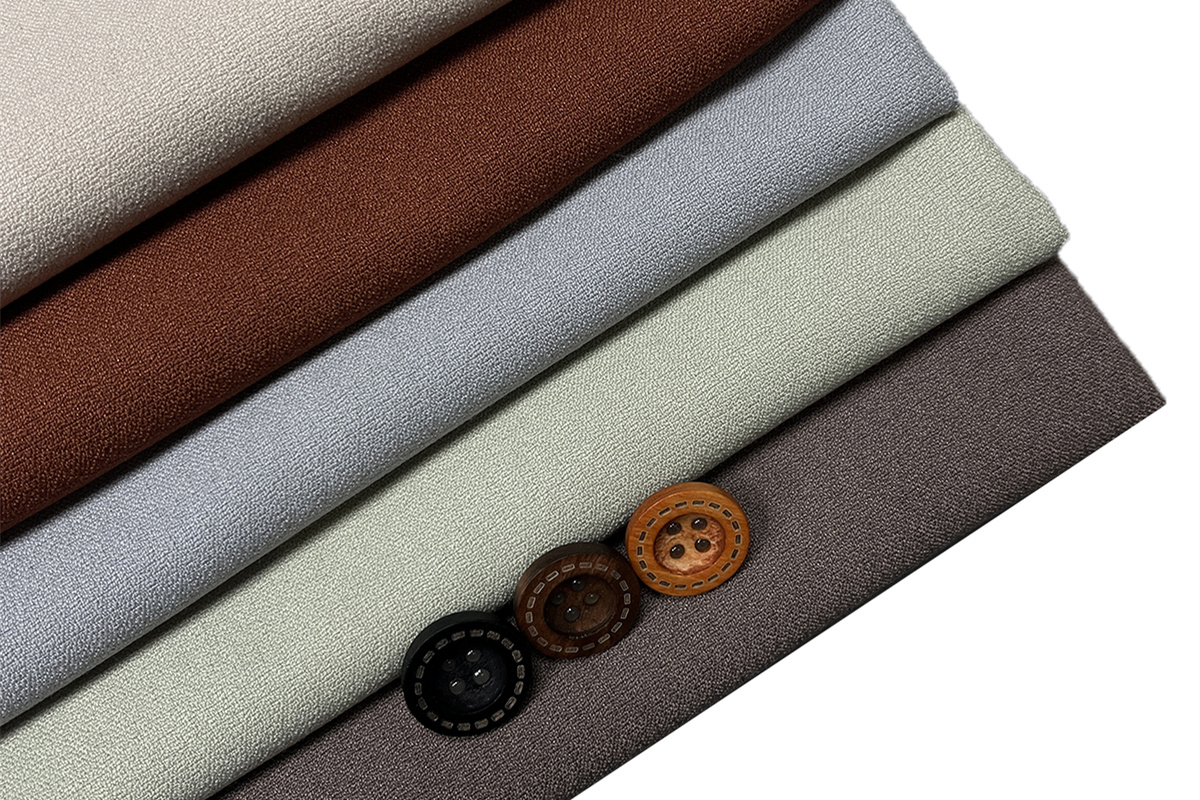
Evaluating fabric quality without touching it presents a unique challenge. I have developed strategies to confidently assess materials from a distance. These methods help me make informed decisions.
Examining High-Resolution Images of Suiting Fabric
I always start by scrutinizing the high-resolution images provided by online retailers. I zoom in closely to observe the weave structure. I look for consistency in the threads and any irregularities. A tight, even weave often indicates better quality. I also pay attention to the texture that the image conveys. Does it appear smooth, textured, or slightly fuzzy? I try to visualize how the fabric will drape based on its visual weight and sheen. Color accuracy is another critical factor. I compare the fabric color across different images, if available, and note how lighting might affect its appearance. Some retailers offer images taken in various light conditions, which I find incredibly helpful.
Requesting Suiting Fabric Swatches for Confirmation
Despite the best images, I find that nothing replaces a physical sample. I strongly recommend requesting swatches before making a bulk purchase. Swatches allow me to see the true color and feel the texture of the fabric, which can differ significantly from online images. I can assess the fabric’s drape, weight, and overall quality firsthand, ensuring it meets my expectations for durability and comfort. Swatches are also crucial for matching the fabric with other elements of my wardrobe or event theme, preventing costly mistakes. Having physical samples empowers me to make a confident bulk purchase, avoiding the disappointment of receiving a fabric that does not meet my needs. This step is a small investment that saves significant time and money in the long run.
Reading Customer Reviews for Suiting Fabric Insights
Customer reviews offer invaluable insights into the real-world performance of a fabric. I meticulously read through feedback from other buyers. I look for comments on the fabric’s actual color compared to the online photos. Many reviewers share their experiences with the fabric’s drape, hand, and how it holds up after washing or wearing. I pay attention to any mentions of pilling, wrinkling, or durability issues. Consistent positive feedback on a particular suiting fabric gives me confidence. Conversely, recurring negative comments serve as a warning. I also look for reviews from individuals who used the fabric for similar projects to mine, as their experiences are often most relevant.
Smart Shopping for Suiting Fabric Online
I approach online fabric shopping with a strategic mindset. This ensures I get the best value and avoid common pitfalls. Smart shopping involves more than just finding the lowest price.
Comparing Prices and Shipping for Suiting Fabric
I always compare prices across several reputable online retailers. Fabric prices can vary significantly. I do not just look at the per-yard cost. I also factor in shipping fees. Sometimes, a slightly higher per-yard price from one vendor becomes more economical with lower shipping costs. I create a simple comparison list:
- Fabric Cost Per Yard: I note the base price.
- Shipping Cost: I calculate the total shipping for my desired yardage.
- Total Cost: I add fabric cost and shipping to get the final price.
- Delivery Time: I consider how quickly I need the fabric.
I also check for any minimum order requirements. Some stores offer free shipping above a certain purchase amount. This can influence my decision to buy a little extra.
Understanding Return Policies for Cut Suiting Fabric
Before I finalize any purchase, I thoroughly read the return policy. This step is critical, especially for cut fabric. Most retailers consider fabric cut to order as a final sale. They do not accept returns unless the fabric is defective or incorrect. I confirm their policy on:
Important Tip: Always clarify if a retailer accepts returns for cut fabric. If they do, understand the conditions, such as restocking fees or time limits.
I look for clear statements regarding damaged goods or discrepancies. Knowing the policy beforehand prevents disappointment if an issue arises. I prefer stores with transparent and fair return guidelines.
Finding Limited-Time Offers on Suiting Fabric
I actively seek out limited-time offers and sales. Many online fabric stores have seasonal promotions or flash sales. I subscribe to newsletters from my favorite retailers. This keeps me informed about upcoming discounts. I also check their social media pages. Often, they announce special deals there. I look for coupon codes before checking out. A quick search can sometimes reveal additional savings. These offers can significantly reduce the overall cost of my project. I plan my purchases around these sales when possible.
Buying Extra Suiting Fabric for Contingencies
I always recommend buying a little more fabric than my pattern suggests. This small investment provides a crucial safety net. Mistakes can happen during cutting or sewing. A slight miscalculation or an unexpected design change might require extra material. Having a bit of extra fabric on hand prevents delays. It also saves me from the frustration of trying to find a matching dye lot later. Dye lots can vary, making it difficult to get an exact match if I need to reorder. I typically add an extra half-yard to a full yard, depending on the project’s complexity. This small buffer gives me peace of mind.
Specific Suiting Fabric Considerations
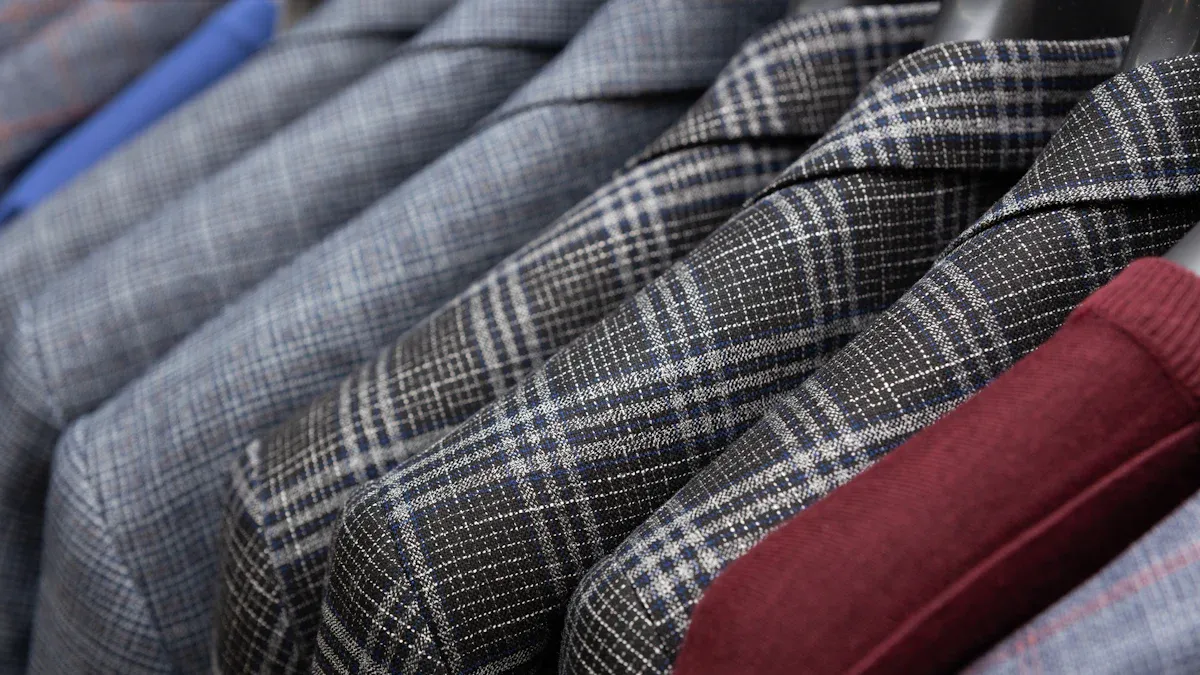
I always consider the specific purpose of my garment. Different seasons and styles demand particular fabric characteristics. Understanding these nuances helps me select the perfect material for my project.
Choosing Lightweight Suiting Fabric for Summer
For summer, I prioritize lightweight materials. These fabrics offer superior breathability and comfort. I often choose linen, light wools, or cotton blends. They allow air circulation, keeping me cool in warmer weather. Their lighter drape also creates a more relaxed, seasonal aesthetic.
Selecting Heavyweight Suiting Fabric for Winter
Winter demands warmth, structure, and durability. I select heavier fabrics for colder months. For instance, I discovered Morandi Luxe Stretch Suiting. This is a heavyweight fabric (485 GSM) perfect for autumn and winter outerwear. Its composition of 80% polyester, 16% rayon, and 4% spandex provides an ideal balance of durability, warmth, and structure. The polyester component contributes to its long-lasting performance and wrinkle resistance. This substantial weight ensures excellent warmth, making it suitable for tailored jackets, structured coats, and winter suits.
Exploring Polyester Rayon Suiting Fabric Blends
Polyester rayon blends offer a versatile and practical option. They combine the best features of both fibers. I find them durable and wrinkle-resistant, thanks to the polyester. Rayon enhances softness and drape, giving the fabric a refined feel. These blends often provide improved breathability compared to classic wool tweeds. I use this table to compare their key features against natural fibers:
| Feature | Polyester Rayon Blend | Natural Fibers (e.g., Classic Wool Tweeds) |
|---|---|---|
| Durability | High (Polyester provides strength) | Varies, wool can be durable but may pill |
| Wrinkle Resistance | High (Polyester provides wrinkle resistance) | Generally lower, wool can wrinkle |
| Softness | Enhanced by rayon | Varies, wool can be soft but sometimes coarse |
| Drape | Good (Enhanced by rayon) | Varies, wool can have good drape |
| Texture | Refined tweed-like, subtle, textured appearance | Traditional tweed, can be heavier/stiffer |
| Hand Feel | Smoother | Can be rougher |
| Breathability | Improved compared to classic wool tweeds | Varies, classic wool tweeds can be less breathable |
| Weight | 360G/M, not heavy or stiff | Can be heavier and stiffer |
| Performance | Long-lasting | Varies |
| Suitability | All-season fashion collections | May be more seasonal (e.g., wool for colder weather) |
Post-Purchase Care for Your Suiting Fabric
After your order arrives, proper post-purchase care ensures your material remains pristine. I always follow these steps. They protect my investment and prepare the fabric for its transformation.
Inspectin Suiting Fabric Upon Arrival
I always inspect my fabric immediately upon arrival. I unroll the entire length. I look for any flaws, such as snags, stains, or weaving imperfections. I also confirm the color matches my expectation from the swatch or online images. I measure the yardage to ensure it matches my order. If I find any discrepancies or damage, I contact the retailer right away. This prompt action is crucial for resolving any issues.
Pre-Shrinking Suiting Fabric When Necessary
Pre-shrinking is a vital step for many natural fibers. I consider this especially for wools, linens, or cotton blends. These materials can shrink when washed or steamed. I always test a small swatch first. This helps me determine the best method. For wool, I often use steam. For other fibers, a gentle wash cycle might be appropriate. This process prevents future garment distortion. It ensures my finished suit maintains its intended size and shape.
Proper Storage of Your Suiting Fabric
Storing your fabric correctly protects its quality. I keep my fabric away from direct sunlight. Sunlight can fade colors. I also avoid damp areas. Moisture can lead to mildew. I prefer to roll my fabric rather than fold it sharply. This prevents permanent creases. If I must fold it, I use soft tissue paper at the folds. I store it in breathable fabric bags. I avoid plastic bags for long-term storage. Plastic can trap moisture and cause yellowing.
I have equipped you with essential strategies. You can now confidently select the perfect suiting fabric for your next project. I encourage you to leverage online convenience and potential savings. Maximize those limited-time offers for your suiting fabric needs.
FAQ
Can I always get a fabric swatch?
I find most reputable online retailers offer swatches. I recommend requesting them to confirm color and texture before a large purchase.
What is a dye lot, and why does it matter?
A dye lot is a batch of fabric dyed together. I know colors can vary slightly between batches. Buying extra fabric from the same lot prevents color mismatch.
How do I care for my suiting fabric after purchase?
I always check the care label or product description. Most suiting fabrics require dry cleaning or gentle hand washing. I follow these instructions carefully.
Post time: Jan-16-2026