
Defining 100% Polyester School Uniform Fabric
Selecting the right textiles is foundational for educational institutions and garment manufacturers in the United States. Among available commercial options, 100% polyester stands out for its exceptional durability, inherent wrinkle resistance, and superior color retention. These characteristics are essential for garments that must withstand daily physical activity and harsh laundering cycles throughout an academic year. When sourcing school uniform fabric, procurement teams must carefully evaluate weight, weave, and finish to ensure students maintain a professional appearance without placing an undue financial burden on parents. The synthetic nature of polyester allows for precise fiber engineering, resulting in a textile that resists shrinking far better than natural alternatives.
Key Construction Terms and Performance Metrics
Understanding the technical specifications of polyester fabrics is critical for predicting long-term garment performance. Key construction terms include the weave structure—typically a robust twill or breathable plain weave—and the specific yarn count, which both influence the fabric’s drape and tensile strength. Performance metrics are evaluated using standardized testing methods. Colorfastness to commercial washing and UV light is tested under AATCC standards, generally requiring a minimum rating of 4 on a 5-point grayscale to ensure garments resist fading. Additionally, pilling resistance is a crucial quantitative metric; high-quality uniform polyester should achieve a Grade 4 rating after 18,000 rubs in a standardized Martindale abrasion test.
200gsm Solid Color vs 235gsm Yarn-Dyed Fabric
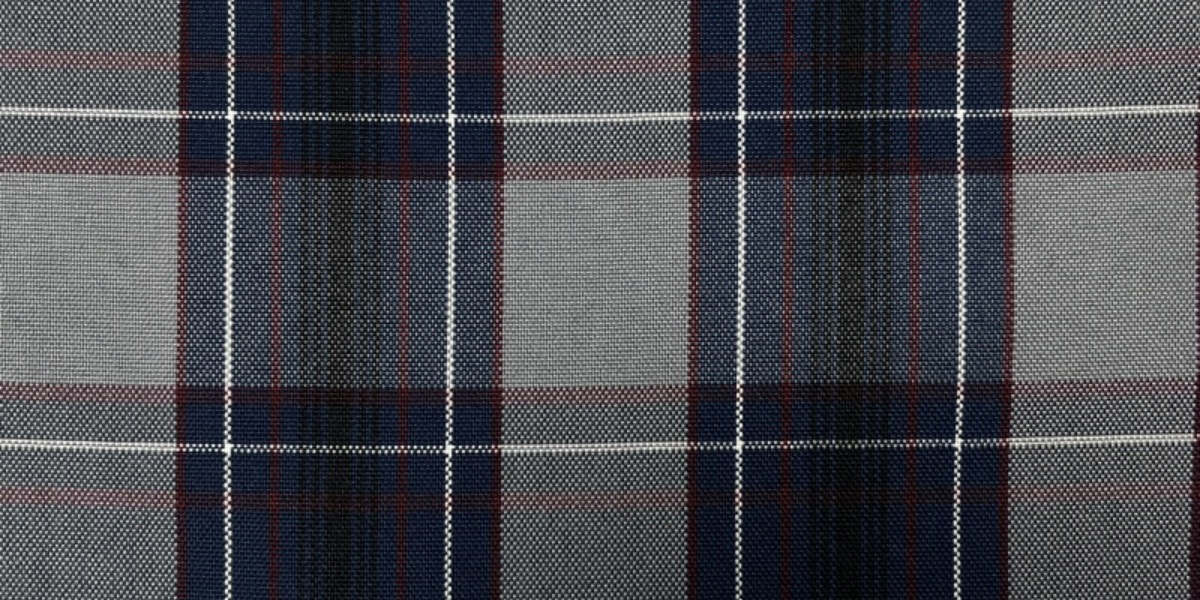
Fabric weight, measured in grams per square meter (GSM), serves as the primary indicator of a fabric’s ideal garment application. A 200gsm solid color polyester is lightweight yet sufficiently opaque, making it suitable for uniform shirts and summer trousers. Heavier garment applications require robust, dimensionally stable materials like a 235gsm 100% polyester yarn-dyed fabric. Yarn-dyed fabrics, where individual synthetic yarns are colored before weaving, are the industry standard for creating intricate tartans used in traditional school kilts. This specific 235gsm weight provides the necessary structural rigidity for sharp pleat retention, a non-negotiable feature for classic uniform skirts.
Comparing Fabric Options for USA Schools
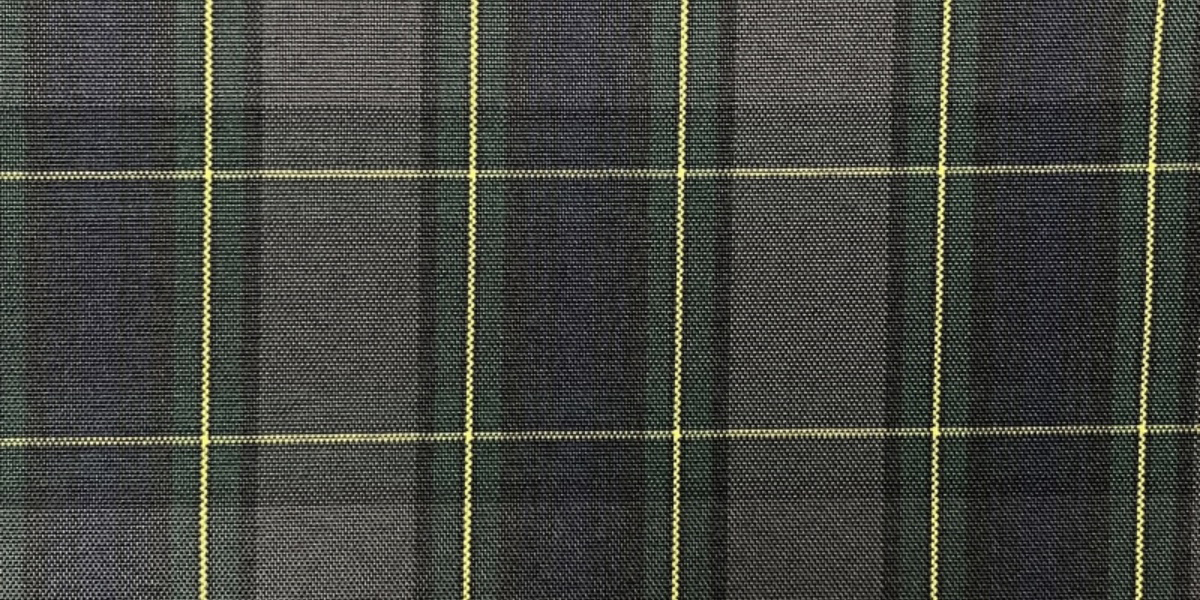
Selecting the optimal material involves evaluating how different polyester configurations behave under daily mechanical stress. Procurement teams must navigate technical specifications to precisely match the fabric to the specific uniform component, whether for a lightweight polo or a structured pleated skirt. The field performance of any 100% polyester USA school uniform fabric varies significantly based on its exact weight profile, weave density, and post-weaving finishing treatments.
Performance Comparison Table
The following table outlines the comparative performance metrics and estimated economic parameters of standard 100% polyester uniform fabrics based on weight and dye methodology.
| Fabric Type | Weight (GSM) | Primary Garment Use | Shrinkage Rate | Est. Cost/Yard (USD)* |
|---|---|---|---|---|
| Solid Piece-Dyed Twill | 180 – 200 | Shirts, Blouses | < 2.0% | $1.20 – $1.80 |
| Yarn-Dyed Plaid | 230 – 240 | Skirts, Jumpers | < 3.0% | $2.10 – $2.80 |
| Heavyweight Solid | 250 – 260 | Trousers, Blazers | < 2.5% | $1.90 – $2.50 |
*Data Source: Aggregated industry averages for standard commercial textile production. Cost figures are highly variable placeholders; actual prices fluctuate significantly based on order volume, current tariffs, and global market conditions.
Comfort, Durability, and Cost Trade-Offs
Balancing physical comfort, durability, and budgetary constraints requires a strategic approach. Heavier fabrics in the 230-260 GSM range offer superior tear strength and, under proper care conditions, are generally capable of withstanding more than 50 to 75 heavy wash cycles without structural failure. However, this increased density naturally reduces breathability, often requiring chemical moisture-wicking finishes for schools in warmer climates to prevent thermal discomfort in non-air-conditioned buildings. Additionally, procurement teams must weigh the inherent limitations of 100% polyester, particularly its tendency for odor retention, static cling, and limited biodegradability. There is also increasing resistance among USA parents to synthetic-only uniforms due to microplastic shedding during laundering and a growing preference for natural fibers.
Financially, solid piece-dyed fabrics offer cost savings for district-wide rollouts, often priced under $2.00 per yard at high volumes. Conversely, utilizing a custom-woven plaid school uniform fabric increases the cost per yard due to the complex yarn-dyeing process, requiring careful budget allocation.
Sourcing, Testing, and Approval Process
Procuring school uniform textiles is a highly regulated process requiring meticulous planning. Procurement teams actively navigate the complexities of domestic versus offshore sourcing. While offshore manufacturing often provides cost advantages, buyers must account for recent tariff impacts and international shipping volatility. Conversely, domestic sourcing may align with Buy American Act provisions for certain federally funded programs, though it often comes at a premium. Because the vast majority of retail sales occur during the late summer back-to-school rush, supply chain timelines must be managed with absolute precision. Missing critical delivery windows due to unexpected laboratory testing failures or factory production delays can result in severe inventory shortages and lost revenue for uniform retailers serving USA schools.
Lab Dips, Samples, and Compliance Checks
Sourcing begins with the approval of lab dips, which are small fabric swatches dyed to precisely match designated Pantone colors. Buyers review these dips under a standard D65 daylight source to ensure absolute color accuracy before mass production. Following color approval, physical samples must undergo strict legal compliance checks. In the United States, imported textiles must adhere to Consumer Product Safety Commission (CPSC) regulations, including passing the 16 CFR Part 1610 flammability standard—a compliance hurdle that 100% polyester typically clears with ease due to its melting behavior. Furthermore, while largely a formality for unprinted synthetic textiles, any 100% polyester school uniform fabric intended for elementary students must be laboratory tested to ensure total lead content remains strictly below the federally mandated 100 parts per million (ppm) threshold.
Buyer Guidance for Final Fabric Selection
Finalizing fabric selection requires buyers to negotiate technical tolerances and logistical terms with textile mills. A critical factor is the Minimum Order Quantity (MOQ).
Key Takeaways
- Choose 180–200gsm solid polyester twill for shirts and blouses when schools need lightweight, opaque, and cost-efficient uniform fabric.
- Use 230–240gsm yarn-dyed polyester plaid for skirts, jumpers, and kilts because it provides structure and reliable pleat retention.
- Specify AATCC colorfastness ratings of at least Grade 4 to reduce fading from commercial washing and UV exposure.
- Prioritize polyester fabrics with shrinkage below 2–3% to maintain consistent garment sizing after repeated laundering.
- Evaluate weave, yarn count, GSM, and finishing treatments before purchasing because these factors directly affect durability, drape, and long-term appearance.
Frequently Asked Questions
Why is 100% polyester commonly used for USA school uniforms?
It offers strong durability, wrinkle resistance, color retention, and low shrinkage, making it suitable for garments that face daily wear and frequent laundering throughout the school year.
What GSM is best for polyester school shirts?
A 180–200gsm solid or piece-dyed polyester twill is typically appropriate for shirts and blouses because it is lightweight, opaque, and easier to wear in warmer conditions.
Which polyester fabric works best for plaid skirts and jumpers?
Yarn-dyed plaid polyester in the 230–240gsm range is preferred for skirts, jumpers, and kilts because it supports sharp pleats, better structure, and long-lasting pattern clarity.
How much shrinkage should schools expect from quality polyester uniform fabric?
Quality 100% polyester uniform fabrics generally show low shrinkage, often under 2% for lighter solid twills and under 3% for heavier yarn-dyed plaid fabrics.
What colorfastness rating should uniform buyers look for?
Procurement teams should look for a minimum AATCC grayscale rating of 4 out of 5 for washing and light exposure to help uniforms resist fading.

Yunai Textile
Post time: Nov-06-2026