
Introduction
How can a business suit maintain a clean, professional appearance after hours of sitting on an airplane, traveling between meetings, and moving through different climates?
For business executives, consultants, and frequent travelers, suit performance involves more than appearance. Fabric must provide a balance of wrinkle recovery, wearing comfort, breathability, and shape retention throughout long working days.
For apparel brands and suit manufacturers, this creates a specific fabric development challenge: how to produce lightweight, comfortable suiting that maintains a crisp appearance after repeated movement and compression.
One textile solution worth considering is high-twist worsted wool fabric.
By increasing yarn twist and combining it with suitable weave constructions, manufacturers can develop fabrics with a crisp handle, natural resilience, and a refined surface appearance.
In this guide, Yun Ai Textile explores the principles of high-twist worsted yarn construction, its performance characteristics, and the key specifications B2B buyers should consider when sourcing travel suiting fabrics.
Quick Answer: Why Is High-Twist Wool Suitable for Travel Suits?
High-twist worsted wool is valued for its combination of yarn resilience, a relatively crisp fabric handle, and suitability for lightweight suiting constructions.
Its main potential advantages include:
- Wrinkle Recovery: Wool’s natural resilience, combined with suitable yarn construction, can help fabrics recover after compression.
- Shape Retention: High-twist yarns can contribute to a firm, stable fabric structure.
- Breathability: Open weave constructions can provide good air permeability for warm-weather and travel applications.
- Surface Performance: Tightly constructed yarns may help reduce loose surface fibers, although actual pilling and abrasion performance require testing.
- Versatile Applications: Suitable for lightweight business suits, travel trousers, and selected four-season tailoring collections.
However, high twist alone does not guarantee wrinkle-free performance. Fiber quality, yarn construction, fabric weave, finishing, and garment construction all contribute to the final result.
1. What Is High-Twist Worsted Wool Fabric?
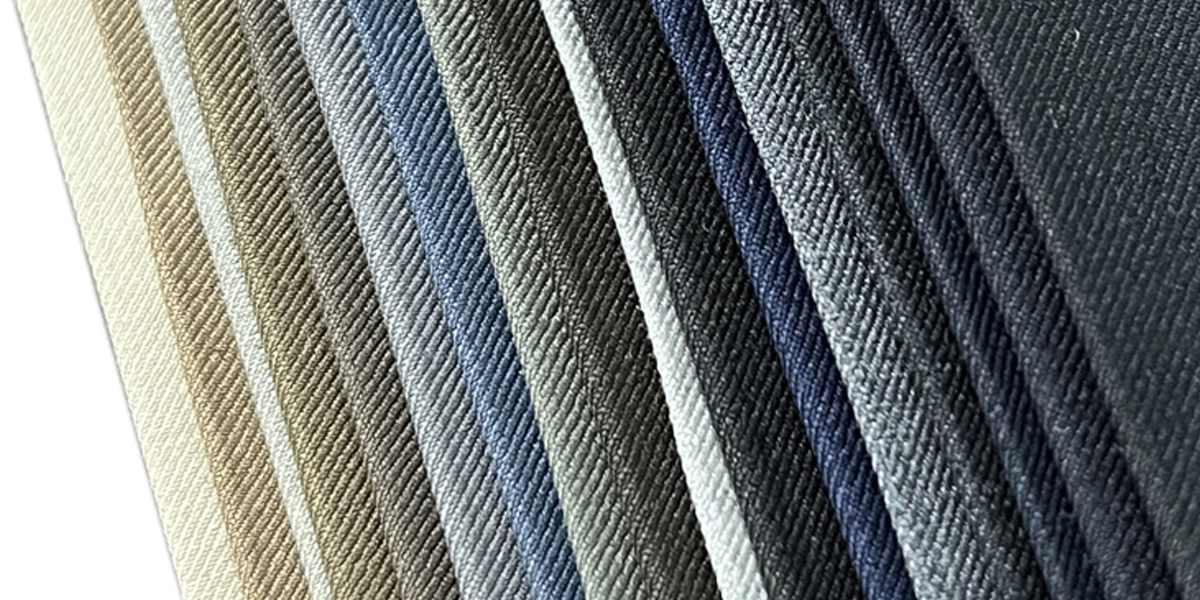
High-twist worsted wool fabric is made using worsted yarns spun with a relatively high level of twist compared with conventional yarn constructions.
During worsted spinning, wool fibers are combed and aligned to produce relatively smooth and uniform yarns.
The yarn twist influences how the fibers hold together and how the yarn responds to bending, compression, and mechanical stress.
Standard-Twist vs. High-Twist Worsted Yarn
| Feature | Standard-Twist Worsted Yarn | High-Twist Worsted Yarn |
|---|---|---|
| Yarn Construction | Balanced twist | Higher twist level |
| Fabric Handle | Often softer and smoother | Often crisper and firmer |
| Yarn Resilience | Depends on fiber and construction | Can provide greater spring-like response |
| Surface Appearance | Smooth and refined | Clean, crisp appearance |
| Common Applications | Business suits, formalwear | Travel suits, tropical suiting, structured trousers |
Note: These are general construction tendencies. Actual fabric performance depends on yarn count, twist level, ply, weave, and finishing.
What Does 2-Ply or 3-Ply Mean?
High-twist worsted yarns can be produced using single-ply or multi-ply constructions.
For example:
- Single-Ply Yarn: One spun yarn strand.
- 2-Ply Yarn: Two spun yarn strands twisted together.
- 3-Ply Yarn: Three spun yarn strands combined into one yarn.
Multi-ply construction can influence yarn balance, strength, handle, and fabric stability.
However, a 2-ply yarn is not automatically stronger or more suitable for travel suiting than a single-ply yarn. The final result depends on the individual yarn specifications and construction.
Why Does Yarn Twist Matter?
Increasing yarn twist changes the internal structure of the yarn.
It can increase yarn cohesion and influence bending behavior, elasticity, and fabric handle.
When combined with suitable weaving techniques, high-twist yarns can produce suiting fabrics with a crisp appearance and useful recovery characteristics.
Buyer Insight: When evaluating high-twist worsted wool, request information about yarn count, twist level, ply construction, and weave structure instead of relying only on the term “High-Twist” in the product description.
2. The Physical Advantages of High-Twist Worsted Wool for Travel Suits
The performance of a travel suit depends on how its fabric responds to repeated sitting, bending, movement, and changes in temperature.
High-twist worsted wool can offer several useful characteristics for these applications.
2.1 Improved Wrinkle Recovery
One of wool’s important natural characteristics is its resilience.
Wool fibers have a naturally crimped structure that contributes to their ability to recover after bending and compression.
High-twist yarn construction can further influence the fabric’s response to mechanical deformation.
When a traveler sits for several hours, the suit fabric is compressed around areas such as:
- The back of the knees.
- The seat of the trousers.
- The elbows.
- The lower back and jacket waist.
A well-designed high-twist worsted fabric can help reduce the appearance of temporary creases and maintain a cleaner garment appearance.
How Can Buyers Evaluate Wrinkle Recovery?
A preliminary comparison can be performed using fabric samples.
- Prepare two samples with similar dimensions.
- Fold or compress them under comparable conditions.
- Release the samples and place them on a flat surface.
- Observe the remaining creases immediately and after a specified recovery period.
- Compare the results under consistent environmental conditions.
For more standardized evaluation, buyers can request wrinkle-recovery testing using an appropriate method, such as AATCC TM66 where applicable.
Important: High-twist wool does not make a garment completely wrinkle-proof. Recovery performance depends on the complete fabric construction and testing conditions.
2.2 Breathability and Moisture Management
Travel suits are frequently exposed to different environments.
An executive may move from an air-conditioned airplane cabin to a humid outdoor environment and then into a heated meeting room.
Comfort therefore becomes an important part of travel suit fabric development.
High-twist worsted yarns can be used in open weave constructions that allow air to pass through the fabric.
Common construction choices include:
- Plain weave.
- Open tropical weave.
- Selected lightweight twill constructions.
- Balanced high-twist woven structures.
What Should Buyers Consider?
Air Permeability
Open fabric constructions may allow greater airflow, supporting comfort in warmer conditions.
Moisture Management
Wool naturally absorbs moisture vapor, contributing to wearing comfort.
Fabric Weight
Lightweight constructions can help reduce the overall weight of the finished garment.
Buyer Insight: High yarn twist does not automatically increase breathability. Fabric porosity, weave structure, yarn diameter, and finishing are also important. Buyers should evaluate air permeability on the finished fabric.
2.3 Surface Durability and Pilling Performance
Travel suits experience repeated friction during daily use.
Common friction areas include:
- Trouser seats.
- Inner thighs.
- Jacket elbows.
- Areas in contact with briefcases and seat belts.
High-twist yarns have a relatively compact structure, which can help control the movement of loose surface fibers.
This may contribute to improved surface appearance in certain fabric constructions.
However, abrasion resistance and pilling performance are not determined by twist alone.
Other important factors include:
- Wool fiber length and fineness.
- Yarn count and ply.
- Fabric density.
- Weave construction.
- Finishing treatments.
Recommended Quality Testing
For professional sourcing, buyers should consider:
| Test | What It Evaluates |
|---|---|
| ISO 12945-2 | Fabric pilling resistance using the modified Martindale method |
| ISO 12947-2 | Abrasion resistance using the Martindale method |
| AATCC TM66 | Wrinkle recovery of woven fabrics |
| Relevant Dimensional Stability Tests | Changes in fabric dimensions after specified treatments |
Actual acceptance grades should be agreed between the buyer and supplier according to the intended garment application.
3. Key Specifications for Travel Suit Fabric Procurement
For apparel brands developing travel suits, specifying the yarn construction and finished fabric performance is more important than selecting a fabric based on its marketing name.
The following table provides a practical sourcing reference.
| Parameter | What Buyers Should Evaluate | Commercial Importance |
|---|---|---|
| Yarn Construction | Single-ply, 2-ply, or 3-ply | Influences yarn balance and fabric handle |
| Yarn Count | For example, 2/80s or 2/100s where applicable | Helps define yarn fineness and construction |
| Yarn Twist | Actual twist level and twist direction | Influences yarn cohesion and handle |
| Fabric Weight | Approximately 230–270 GSM as a development reference | Balances weight and garment structure |
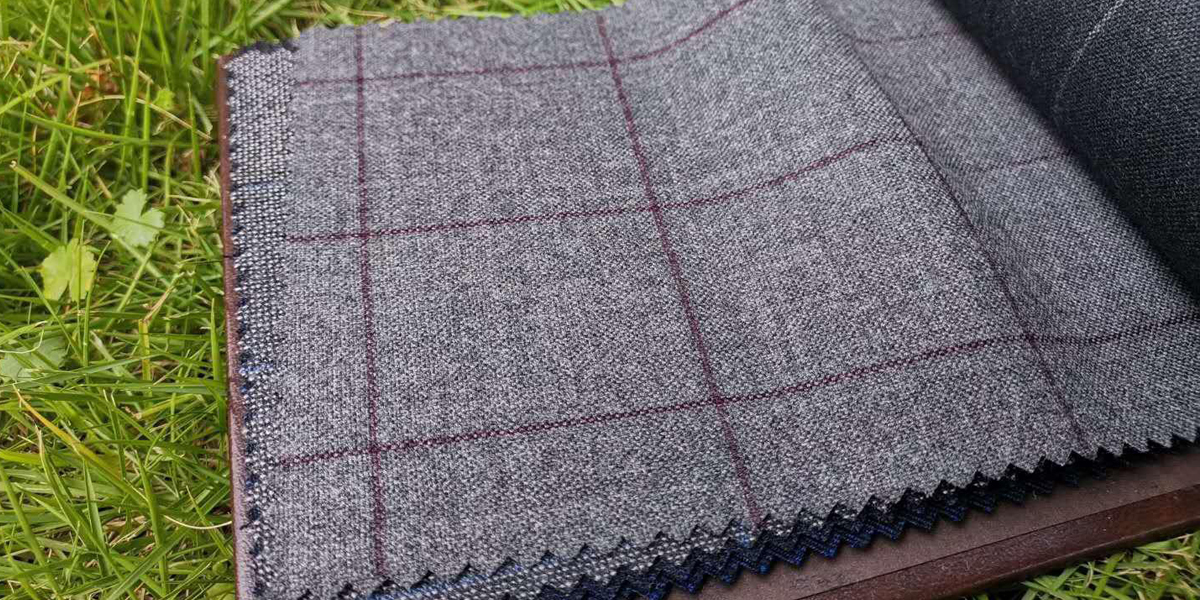
| Weave Structure | Plain, tropical, twill, or open weave | Influences appearance and air permeability |
| Pilling Resistance | Agreed test method and acceptance grade | Helps control surface deterioration |
| Wrinkle Recovery | Agreed test method and performance target | Helps evaluate travel performance |
| Dimensional Stability | Agreed shrinkage limits | Supports garment fitting consistency |
Note: These are suggested development considerations, not universal product specifications. The appropriate yarn count, twist level, and fabric weight should be confirmed through sample development.
What Does 230–270 GSM Mean for Travel Suits?
For many business suit collections, a fabric weight around 230–270 GSM can be a useful starting point.
This range offers opportunities to balance:
- Lightweight garment construction.
- Sufficient fabric substance.
- Clean drape.
- Wearing comfort.
- Versatility across different seasons.
However, a 250 GSM open tropical weave and a 250 GSM dense twill may have very different wearing characteristics.
Therefore, buyers should evaluate fabric weight together with weave structure and air permeability.
4. High-Twist Wool vs. Standard Worsted Wool: Which Is Better for Travel Suits?
Both constructions can be suitable for business suiting, but they serve somewhat different development objectives.
| Evaluation Factor | Standard Worsted Wool | High-Twist Worsted Wool |
|---|---|---|
| Fabric Handle | Often softer | Often crisper |
| Yarn Structure | Balanced twist | Higher twist |
| Wrinkle Recovery | Depends on construction | Can offer useful recovery characteristics |
| Surface Appearance | Smooth and refined | Clean and structured |
| Air Permeability | Depends on weave | Depends on weave |
| Travel Suit Applications | Suitable | Particularly worth considering |
| Main Consideration | Comfort and appearance | Resilience and crisp structure |
Which Should Buyers Choose?
Choose standard worsted wool when the collection prioritizes a softer handle and traditional suiting appearance.
Consider high-twist worsted wool when the collection requires a crisper structure, lightweight construction, and good recovery characteristics.
For travel suit development, comparing both constructions through physical samples is the most reliable approach.
5. How to Source High-Performance Travel Suiting Fabric
For B2B buyers, sourcing travel suit fabric requires more than requesting a high-twist yarn specification.
The complete fabric construction should match the garment’s intended use.
Step 1: Define the Target Customer
Consider whether the fabric is intended for:
- Frequent business travelers.
- Corporate executives.
- Airline and hospitality professionals.
- Premium menswear brands.
- Lightweight summer business collections.
Different customer groups may have different requirements for comfort, appearance, and maintenance.
Step 2: Confirm the Fabric Specifications
Request a technical specification sheet covering:
- Fiber composition.
- Yarn count.
- Yarn twist and ply.
- Fabric weight.
- Fabric width.
- Weave construction.
- Finishing treatments.
- Pilling resistance.
- Wrinkle recovery.
- Dimensional stability.
Step 3: Request Physical Samples
Evaluate the actual fabric rather than relying entirely on technical descriptions.
Check:
- Fabric handle and flexibility.
- Surface smoothness.
- Drape and structure.
- Crease recovery.
- Air permeability.
- Appearance after repeated folding.
- Performance after relevant care treatments.
Step 4: Verify Performance Before Bulk Production
For premium travel suit collections, establish clear acceptance criteria for wrinkle recovery, pilling resistance, abrasion performance, and dimensional stability.
Where necessary, use independent laboratory testing to verify the results.
6. Frequently Asked Questions About High-Twist Worsted Wool
Q1. What is high-twist worsted wool fabric?
High-twist worsted wool is produced using wool yarns spun with a relatively higher twist level. It is often used in suiting fabrics that require a crisp handle, a clean surface, and useful resilience.
Q2. Is high-twist wool better for travel suits?
It can be a suitable option because its yarn construction and natural wool resilience can contribute to wrinkle recovery and shape retention. However, the final result depends on fabric construction, finishing, and garment design.
Q3. Does high-twist wool wrinkle less than standard wool?
Some high-twist constructions can demonstrate good wrinkle-recovery characteristics. However, there is no universal rule that all high-twist fabrics outperform all standard worsted fabrics. Actual performance should be evaluated through testing.
Q4. Is high-twist wool breathable?
High-twist wool can be developed into breathable suiting fabrics, particularly when combined with suitable open weave constructions. Air permeability depends on the complete fabric structure rather than yarn twist alone.
Q5. What GSM is suitable for travel suit fabric?
Approximately 230–270 GSM can be a useful starting range for many business suit collections. Lightweight tropical constructions may use lower weights, while colder-climate collections may require heavier fabrics.
Q6. Does high-twist wool prevent pilling?
High-twist yarn construction may help reduce loose surface fibers in some fabrics, but it does not guarantee pilling resistance. Fiber characteristics, yarn construction, weave density, and finishing all matter.
Q7. What should buyers request when sourcing high-twist worsted wool?
Buyers should request fiber composition, yarn count, twist specifications, fabric weight, weave construction, physical samples, and relevant laboratory performance reports.
Final Thoughts: Engineering Better Travel Suit Fabrics
A successful travel suit requires more than a premium fiber composition.
Yarn construction, twist level, weave structure, fabric weight, and finishing all influence how the finished garment performs during extended wear and frequent travel.
High-twist worsted wool offers an interesting textile engineering approach for brands seeking a balance of crisp appearance, natural resilience, and lightweight suiting performance.
For professional fabric sourcing, buyers should evaluate the complete fabric construction, compare physical samples, and verify the required performance before confirming bulk production.
At Yun Ai Textile, our main product focus includes polyester woven fabrics, polyester-spandex stretch woven fabrics, and functional laminated fabrics for apparel applications.
For buyers developing customized woven fabric collections, our team can discuss fabric specifications, technical requirements, and suitable manufacturing solutions.

Yunai Textile
Post time: Nov-27-2026