
Introduction
Choosing fabric for workwear uniforms means weighing comfort, durability, appearance, and cost at the same time. Polyester rayon fabric stands out because it combines polyester’s strength, wrinkle resistance, and shape retention with rayon’s softer feel, breathability, and cleaner drape. This makes it a practical option for uniforms that need to look professional through long shifts and repeated laundering. The sections below examine how this blend performs in daily wear, where it fits best across different job roles, and what buyers should consider when comparing it with other uniform materials.
Why Polyester Rayon Fabric Matters for Workwear Uniforms
When outfitting a workforce, the choice of material dictates both the lifespan of the garment and the daily productivity of the wearer. Balancing durability, comfort, and budget is a complex challenge, making polyester rayon fabric a cornerstone in uniform manufacturing. By merging the structural integrity of synthetic fibers with the breathable softness of semi-synthetics, this blend offers a compelling solution for modern professional apparel.
What Polyester Rayon Fabric Is
Polyester rayon fabric, frequently referred to in the industry as TR (Terylene/Rayon) fabric, is a blended textile engineered to maximize the strengths of both its constituent fibers. Polyester provides high tensile strength, wrinkle resistance, and shape retention. Rayon, a regenerated cellulose fiber also known as viscose, contributes superior drape, moisture absorption, and a soft hand-feel that mimics natural fibers. For those sourcing viscose polyester blended fabric for workwear, the resulting textile bridges the gap between premium suiting materials and heavy-duty industrial cloths.
Key Performance and Cost Considerations
From a procurement perspective, the financial and operational metrics of TR fabrics are highly attractive. A standard TR blend typically costs 15% to 25% less per yard than pure wool or high-end cotton alternatives, while offering a remarkably similar aesthetic drape. Minimum Order Quantities (MOQs) for custom-dyed TR fabrics generally hover around 3,000 meters, with lead times averaging 15 to 25 days depending on the mill’s seasonal capacity. These predictable supply chain metrics, combined with a low defect rate of under 2% in modern weaving facilities, make it an economically stable choice for large-scale uniform programs.
How Polyester Rayon Fabric Performs in Workwear Uniforms
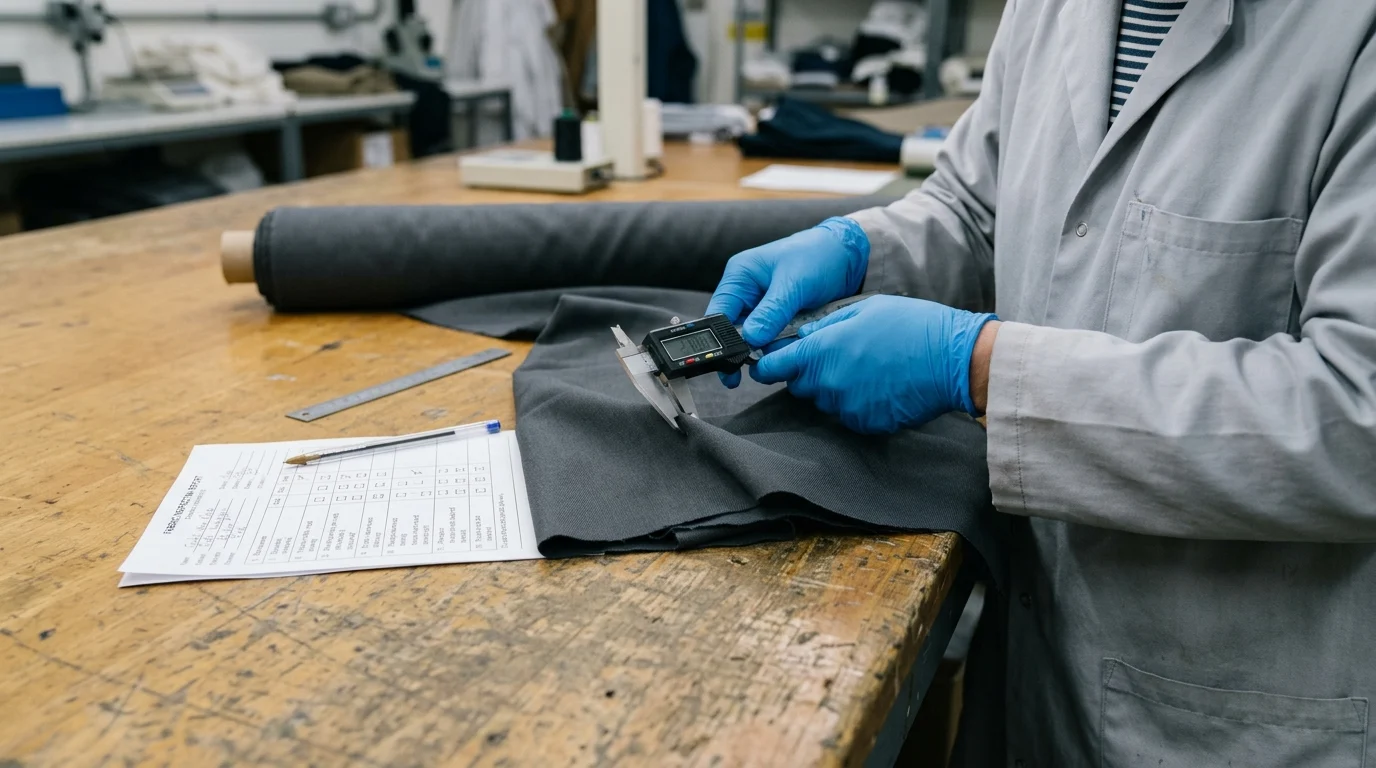
Understanding how this blend behaves under daily stress is critical for developing functional apparel. In practical applications, polyester rayon demonstrates a unique performance profile that caters well to environments where both sharp presentation and physical resilience are strictly required.
Core Specifications and Comparison Criteria
To contextualize the performance of TR fabric, it is helpful to compare it against other industry standards. Below is a comparative breakdown of typical specifications:
| Fabric Type | Typical Blend Ratio | Weight Range (GSM) | Moisture Regain | Primary Benefit |
|---|---|---|---|---|
| Polyester Rayon (TR) | 65% Poly / 35% Rayon | 180 – 250 | ~4.5% | Excellent drape and anti-wrinkle |
| T/C Twill | 65% Poly / 35% Cotton | 190 – 240 | ~3.0% | High abrasion resistance |
| Pure Cotton | 100% Cotton | 150 – 260 | ~8.5% | Maximum breathability |
When evaluating options like T/C 65/35 Twill fabric for workwear uniforms against TR blends, the TR fabric typically offers a smoother texture and better formal appearance suitable for front-of-house staff. Conversely, when considering 100 cotton fabric for workwear uniforms for a team, wearers gain unmatched breathability but sacrifice the wrinkle recovery, dimensional stability, and colorfastness inherent to the polyester rayon matrix.
Common Trade-Offs in Durability and Comfort
No textile is without its compromises. While standard workwear uniforms made from TR fabric excel in overall comfort, they face specific operational trade-offs. The high moisture regain of rayon (up to 11% in isolated pure fibers) significantly improves wearer comfort compared to 100% polyester (which sits at a mere 0.4%). However, rayon fibers are inherently weaker when wet, meaning the polyester component must carry the structural load during rigorous industrial laundering. Additionally, TR fabrics can be prone to pilling if not properly finished during manufacturing. It is advisable to specify a minimum pilling resistance of Grade 3.5 to 4.0 (on a standard 5-point testing scale) to ensure the garments maintain a professional, unblemished appearance after 50 to 75 commercial wash cycles.
How to Choose Polyester Rayon Fabric for Workwear Uniforms
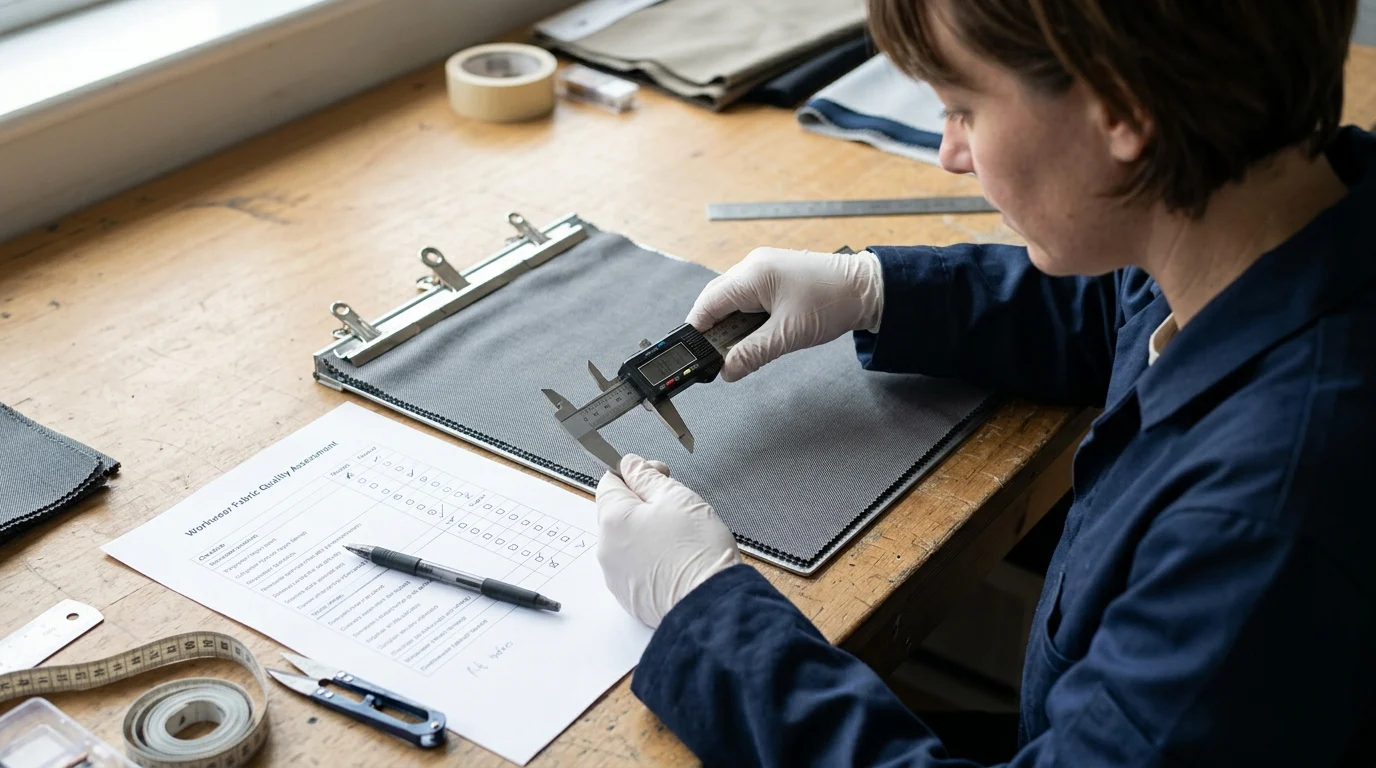
Selecting the exact specifications for a uniform program requires aligning the fabric’s technical properties with the specific environmental demands of the workforce. Procurement teams should look beyond surface aesthetics and scrutinize the underlying construction to ensure long-term viability.
How to Evaluate Blend Ratio and Fabric Quality
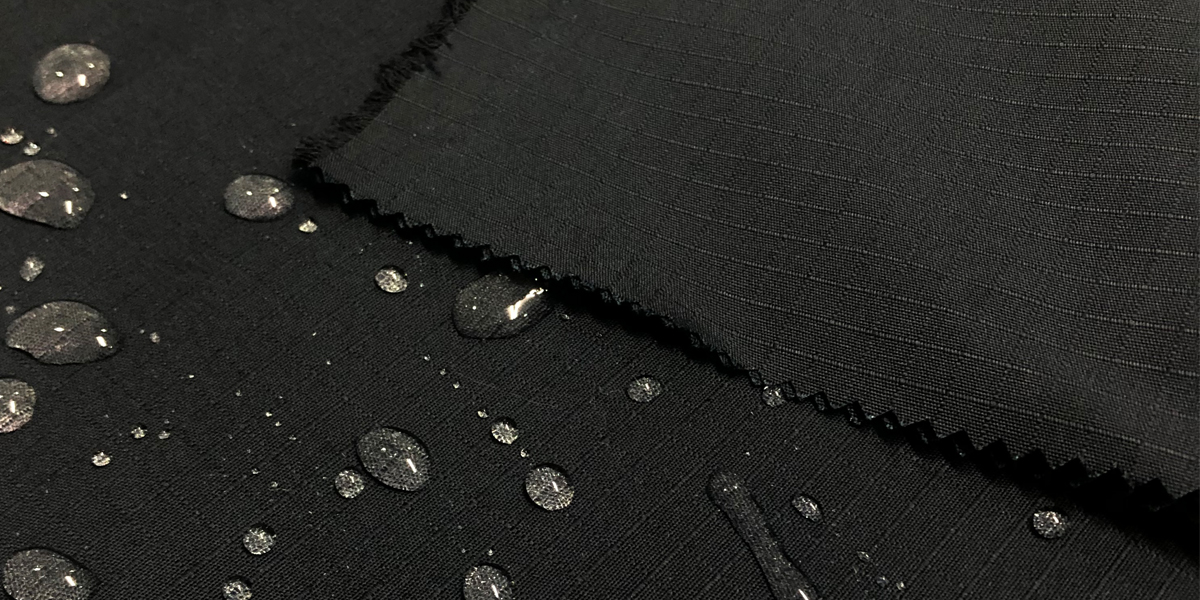
The ratio of the blend dictates the fabric’s ultimate behavior on the floor. The industry standard is 65% polyester and 35% rayon, which provides an optimal equilibrium between durability and comfort. Moving to an 80/20 blend will increase tensile strength and reduce material costs by approximately 5% to 8%, but it will noticeably decrease breathability, which can lead to wearer fatigue in warmer climates. When auditing fabric quality, it is crucial to check the dimensional stability; high-quality TR fabric should exhibit less than a 3% shrinkage rate after standard washing. Furthermore, if the work environment involves liquid hazards or outdoor exposure, it may be necessary to explore specialized chemical finishes or alternative textiles like water proof TC fabric for workwear uniforms, as standard TR fabric readily absorbs ambient moisture and spills.
When Polyester Rayon Is the Right Choice
Polyester rayon is the definitive choice for roles that demand a sharp, tailored appearance without the restrictive feel of heavy synthetics. It performs exceptionally well in corporate uniform programs, hospitality management, retail environments, and light-duty industrial roles where brand presentation is paramount. However, due to the relatively low melting point of polyester and the flammability of untreated rayon, it is strictly unsuitable for high-heat environments like welding, foundry work, or heavy manufacturing. By strategically deploying TR fabric in the right operational contexts, companies can achieve a sophisticated uniform program that meets stringent budgetary limits and longevity targets, ensuring employees look professional and feel comfortable throughout their shifts.
Key Takeaways
- The most important conclusions and rationale for polyester rayon fabric
- Specs, compliance, and risk checks worth validating before you commit
- Practical next steps and caveats readers can apply immediately
Frequently Asked Questions
Is polyester rayon fabric good for workwear uniforms?
Yes. It balances wrinkle resistance, soft hand-feel, and a professional drape, making it suitable for office, hospitality, and front-of-house uniforms.
What blend ratio works best for workwear?
A common choice is 65% polyester and 35% rayon. It gives better shape retention than higher-rayon blends while keeping comfort and a smoother appearance.
How durable is polyester rayon fabric in frequent washing?
It performs well in regular uniform laundering, but ask for pilling resistance around Grade 3.5–4.0 to help garments stay neat after 50–75 wash cycles.
How does polyester rayon compare with cotton or T/C twill?
TR usually looks more refined and wrinkles less than cotton. Compared with T/C twill, it offers a softer feel and better drape, but may be slightly less abrasion-resistant.
Can I contact IYUNAI Textile for custom polyester rayon uniform fabric?
Yes. You can discuss blend ratio, GSM, color, MOQ, and lead time through the IYUNAI Textile contact page at iyunaitextile.com/contact-us/

Post time: May-08-2026