

Market demands are evolving rapidly across multiple sectors. For instance, global fashion apparel sales have seen an 8% decline, while active outdoor apparel is thriving. The outdoor clothing market, valued at USD 17.47 billion in 2024, is expected to grow significantly. This shift emphasizes the need for brands to embrace global fabric innovation, including the use of polyester rayon blend fabric and sustainable textile innovation. As we look ahead to fabric innovation 2025, it’s essential to consider emerging fashion fabric trends 2025, such as linen look fabrics, which are gaining popularity among consumers.
Key Takeaways
- Embrace refined fabric blends in suits and shirts for enhanced comfort and durability. These blends combine luxury with affordability, appealing to a wider market.
- Utilize hygienic fabrics in medical wear to improve safety and comfort. Antimicrobial properties help reduce infection risks, benefiting both patients and healthcare professionals.
- Focus on sustainability in outdoor apparel. Eco-friendly materials not only reduce environmental impact but also attract conscious consumers, aligning with modern values.
Global Fabric Innovation in Suits & Shirts
Demand for refined blends
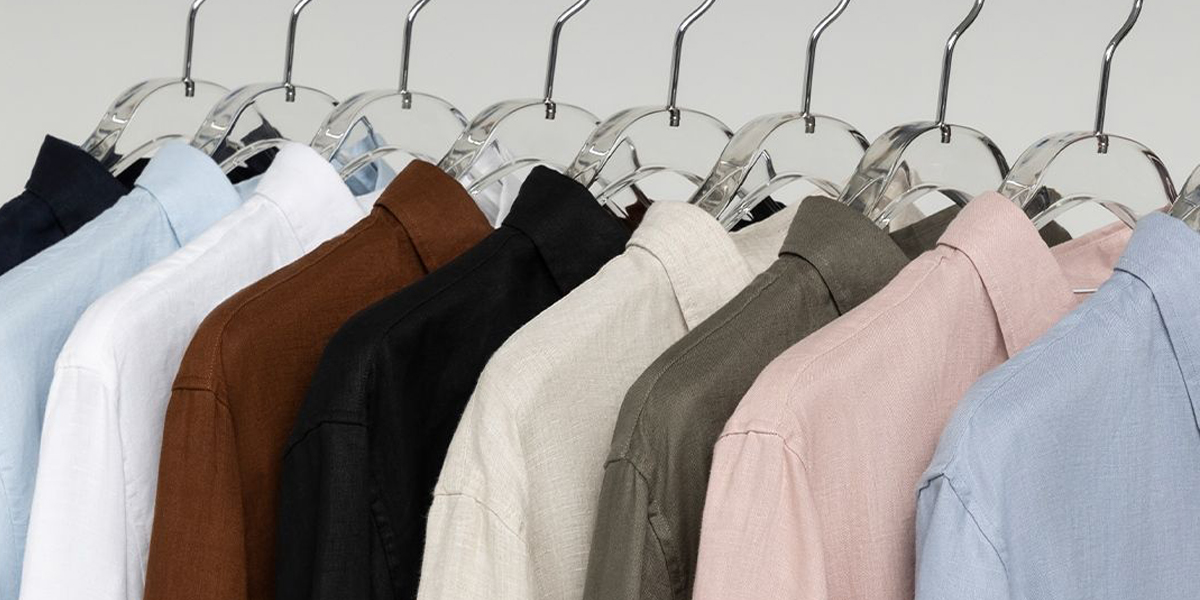
In today’s fashion landscape, the demand for refined fabric blends in suits and shirts has surged. I often find myself drawn to the luxurious feel and durability that these blends offer. For instance, brands like Ermenegildo Zegna and Loro Piana have set the standard with their exquisite Merino wool and cashmere blends. These fabrics not only enhance the overall appearance of garments but also provide a level of comfort that is hard to beat.
Here are some of the most popular refined fabric blends currently used in suits and shirts worldwide:
- Ermenegildo Zegna (Italy) – Known for luxury Merino wool fabrics.
- Loro Piana (Italy) – Famous for cashmere and vicuña blends.
- Scabal (Belgium) – Offers unique silk and mohair blends.
- Holland & Sherry (UK) – High-quality wool and cashmere blends.
- Dormeuil (France) – Blends tradition with innovation in suiting fabrics.
- Vitale Barberis Canonico (Italy) – Renowned for superior wool fabrics.
- Reda (Italy) – Focuses on sustainable wool manufacturing.
- Ariston (Italy) – Known for vibrant patterns and creative designs.
- Huddersfield Fine Worsteds (UK) – Classic and contemporary suiting fabrics.
- Tessitura di Sondrio (Italy) – Celebrated for lightweight natural fiber fabrics.
These refined blends not only elevate the aesthetic appeal of suits and shirts but also enhance their durability and comfort. For example, a wool-polyester blend combines the luxurious feel of wool with the affordability and resilience of polyester. This blend allows brands to offer high-quality garments at competitive prices, appealing to a broader market.
Comfort and wrinkle resistance
Comfort and wrinkle resistance are crucial factors in the modern suit and shirt market. I appreciate how innovative fabric technologies have transformed the way we think about formal wear. Many contemporary fabrics incorporate synthetic fibers like polyester and elastane, which enhance comfort and flexibility. These materials allow for a tailored fit without sacrificing ease of movement.
The use of chemical agents like DMDHEU in fabric treatments has significantly improved wrinkle resistance. This process involves crosslinking cellulose chains, which prevents movement when exposed to water or stress. As a result, garments maintain their crisp appearance throughout the day, even in demanding environments.
Here’s a quick overview of how different fabric technologies contribute to comfort and wrinkle resistance:
| Evidence Description | Details |
|---|---|
| Chemical Agents Used | DMDHEU and related compounds are commonly used for treatments due to their low cost. |
| Crosslinking Process | Crosslinking of cellulose chains prevents movement when exposed to water or stress, enhancing wrinkle resistance. |
| Permanent Press Effect | Achieved through the chemical bonding of cellulose molecules, which reduces wrinkling. |
As I explore the market, I notice that consumers increasingly prefer fabrics that combine style with functionality. Blended fabrics, such as 98% wool with 2% elastane, exemplify this trend. They offer the luxurious feel of wool while providing added stretch for comfort. This balance of aesthetics and practicality is essential for today’s discerning customers.
Medical Wear Innovations
In the realm of medical wear, fabric innovation plays a crucial role in enhancing safety and comfort for both patients and healthcare professionals. I find it fascinating how advancements in fabric technology have led to the development of hygienic fabrics that significantly improve clinical environments.
Hygienic fabrics
The demand for hygienic fabrics in medical wear has surged due to the increasing need for infection control. I often come across innovative textiles that incorporate antimicrobial properties, which are essential for minimizing the risk of healthcare-associated infections (HAIs). For instance, many fabrics now feature:
- Smart Textiles: These are embedded with sensors for real-time monitoring and drug delivery.
- Antimicrobial Textiles: Fabrics treated with agents like silver nanoparticles effectively prevent infections.
- Self-Cleaning Textiles: These repel liquids and resist stains, enhancing hygiene.
- Spacer Fabrics: Designed to promote air circulation and moisture management, these are ideal for pressure relief.
The structure of these fabrics often includes two outer layers with vertical spacer yarns, which provide cushioning while maintaining a dry environment for patients. This moisture management is crucial in high-touch applications within healthcare settings.
Moreover, studies have shown that antimicrobial textiles can significantly lower microbial contamination. For example, fabrics treated with copper, silver, and zinc oxide have been proven to reduce infection rates effectively. The implementation of these textiles is vital for ensuring patient safety and comfort.
Durable and breathable materials
Durability and breathability are paramount in medical wear. I appreciate how modern fabrics are designed to withstand the rigors of clinical environments while ensuring comfort for healthcare professionals. The following table outlines some commonly used materials in medical wear, highlighting their durability and breathability:
| Fabric Type | Durability | Breathability |
|---|---|---|
| 100% Polyester | Durable, wrinkle-resistant | Poor breathability |
| 65% Polyester, 35% Cotton | Cost-effective, tough | Breathable, moisture-absorbing |
| 72% Polyester, 21% Rayon, 7% Spandex | Soft, flexible, breathable | Good moisture absorption |
| Polyester-Spandex Blend | Stretchy, durable | Good elasticity |
| Nylon-Spandex Blend | Soft, comfortable | Excellent elasticity and fit |
Breathable medical fabrics protect healthcare professionals from pathogens while ensuring comfort during extended use. This is particularly important in high-pressure healthcare environments where comfort can directly impact performance and safety. Many of these fabrics incorporate antimicrobial treatments, fluid resistance, and breathability, which are essential for maintaining safety and comfort in clinical settings.
I find it remarkable how fabric innovations in medical wear not only enhance patient outcomes but also contribute to cost savings for healthcare institutions. Hospitals utilizing these innovative textiles report improved patient outcomes and significant reductions in infection rates, leading to shorter hospital stays and overall cost efficiency.
Outdoor Apparel Advancements
When it comes to outdoor apparel, I find that advancements in fabric technology have revolutionized the way we experience the great outdoors. The focus on performance-driven fabrics has become essential for anyone who enjoys activities like hiking, climbing, or running. These fabrics not only enhance comfort but also ensure that I can tackle various weather conditions without compromising on style or functionality.
Performance-driven fabrics
I often look for fabrics that offer superior performance metrics. Some key metrics I consider include:
- Waterproof ratings: Essential for keeping dry in wet conditions.
- Breathability ratings: Important for maintaining comfort during physical exertion.
Additionally, I pay attention to the following performance tests:
- Abrasion testing: Ensures the fabric can withstand rough terrains.
- Strength testing: Confirms the fabric’s durability under stress.
- Pilling testing: Assesses how well the fabric maintains its appearance over time.
- Color testing: Evaluates how colors hold up against fading.
- Shape testing: Checks if the fabric retains its form after use.
Recent innovations have introduced weather-resistant fabrics that are waterproof, windproof, and breathable. For instance, the ePE Waterproof Membrane is a PFC-free alternative that maintains high performance, as seen in Patagonia’s Triolet Jacket. These advancements allow me to enjoy outdoor activities without worrying about the elements.
Stretch and moisture management
Stretch fabrics have become a game-changer for outdoor clothing. I appreciate how stretch woven fabrics, which incorporate spandex or elastane fibers, enhance mobility and comfort. This flexibility allows the fabric to move with my body, providing a superior level of freedom during activities.
Moreover, these fabrics excel in moisture management. They wick away sweat and promote air circulation, keeping me dry and comfortable even during intense physical activities. For example, I often choose garments made from advanced fabric blends that combine moisture-wicking synthetics with natural fibers. This combination not only improves comfort but also enhances overall performance.
To illustrate the effectiveness of moisture management technologies, here’s a quick overview of some materials I frequently encounter:
| Technology/Material | Key Features | Effectiveness in Moisture Management |
|---|---|---|
| GORE-TEX® | Waterproof, windproof, combines moisture management | Suitable for extreme outdoor conditions |
| Merino Wool | Thermo-regulating, absorbs moisture, odor-resistant | Maintains insulation even when damp, effective in both summer and winter |
| Bamboo | Breathable, odor-resistant, stretchable | Naturally effective in moisture management |
| Polyester | Lightweight, affordable, easy to maintain | Excellent moisture-wicking properties |
| Cotton | Absorbs sweat, heavy, slow to dry | Less suitable for high-intensity activity |
| Rayon | Lightweight, fast-drying | Blends characteristics of natural and synthetic materials |
Sustainability in outdoor clothing
Sustainability is a growing concern in the outdoor apparel industry. I find that many brands are now focusing on eco-friendly materials, which significantly reduce pollution and lower greenhouse gas emissions. For instance, recycled polyester can reduce emissions by nearly 70% compared to virgin polyester. Additionally, organic cotton is cultivated without chemicals or pesticides, promoting responsible resource use.
I appreciate how environmental regulations are influencing the development of sustainable fabrics. For example, Extended Producer Responsibility (EPR) laws encourage manufacturers to create fabrics that can be recycled or reused, reducing waste. This shift not only benefits the environment but also aligns with my values as a conscious consumer.
Fabric innovation plays a pivotal role in driving professional brand growth. I see how companies leverage sustainable materials, like organic cotton and recycled polyester, to attract eco-conscious consumers. Additionally, over 2,600 patents filed in the last three years highlight the industry’s commitment to innovation. As brands embrace smart textiles and eco-friendly practices, they position themselves for success in a competitive market.
Post time: Sep-11-2025