

Fabric weight, a material’s density, directly impacts garment comfort. I find it influences breathability, insulation, drape, and durability. For instance, I know many find polyester Shirts Uniforms fabric isn’t very breathable. This choice, whether a 200gsm woven shirt fabric or a light weight bamboo fabric for shirts, dictates feel. It determines if a substainable fabric for shirt is a comfortable organic shirt fabric or a bamboo polyester spandex luxury shirt fabric, directly affecting performance.
Key Takeaways
- Fabric weight changes how comfortable shirts feel. It affects how much air passes through and how warm the shirt is.
- Choose fabric weight based on weather and activity. Light fabrics are good for hot weather. Heavy fabrics are good for cold weather.
- Other things like fabric type, how it is woven, and how it fits also make a shirt comfortable.
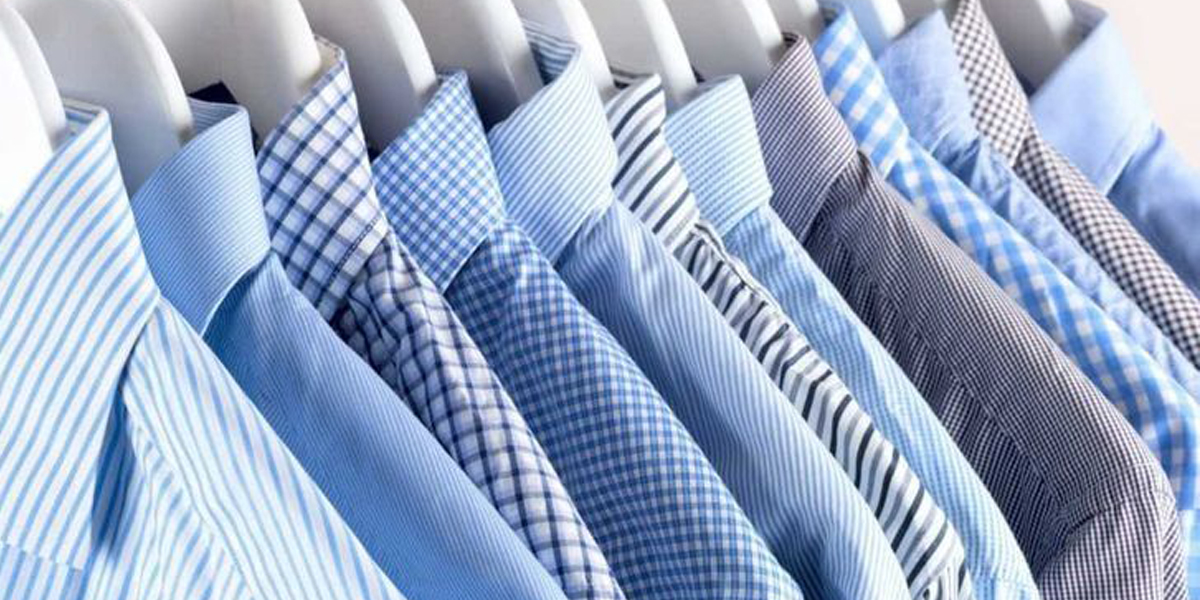
Understanding Fabric Weight for Shirts Uniforms
What Fabric Weight Means
I often discuss fabric weight in the textile industry. It measures how heavy a fabric is. This weight depends on its weave, finish, and fiber type. We typically express it in grams per square meter (GSM) or ounces per square yard (oz/sq²). A higher GSM means a denser fabric. This measurement helps me determine if a fabric suits its intended use. Fabric density also plays a role. It describes how tightly fibers are woven. A denser weave results in a heavier fabric. This density often means greater durability. I see fabric weight as a crucial characteristic for textile quality.
How Fabric Weight is Measured
Measuring fabric weight is straightforward. I commonly use two main methods.
- GSM (Grams per Square Meter): This metric method calculates the weight of one square meter of fabric. A higher GSM indicates a denser material.
- Ounces per Square Yard (OZ/sq²): This imperial measurement is popular in the U.S. It tells me how much a square yard of fabric weighs.
I also use a GSM cutter. This tool cuts a precise circular fabric sample. I weigh the sample, then multiply the average weight by 100 to find the fabric’s GSM. This ensures accuracy for every batch of Shirts Uniforms fabric.
Common Fabric Weight Categories
I categorize fabrics by their weight to match them with specific needs. For example, lightweight fabrics are great for warm weather. Medium-weight fabrics offer versatility. Heavyweight fabrics provide warmth. Here is a quick guide for common shirt types:
| Shirt Type | GSM Range | oz/yd² Range |
|---|---|---|
| Lightweight | 120 to 150 GSM | 3.5 to 4.5 oz/yd² |
| Medium-weight | 150 to 180 GSM | 4.5 to 5.3 oz/yd² |
Understanding these categories helps me select the best Shirts Uniforms fabric for comfort and performance.
Direct Impact of Fabric Weight on Comfort
I find fabric weight profoundly affects how comfortable a shirt or uniform feels. It influences several key aspects. These include how well air moves through the fabric, how much warmth it provides, how it hangs on the body, its softness, and how long it lasts.
Breathability and Airflow
I know breathability is crucial for comfort, especially during activity. Fabric weight directly impacts how much air can pass through a garment. Air permeability depends on many factors. These include the fabric’s physical properties, like its specific gravity and weave. Other elements like density, weight, weave, and yarn type also affect pore size in woven or knitted fabrics.
I see that the porosity of knitted structures, which is the ratio of free space to fiber, mainly determines their permeability. The number, depth, and size of pores are important. These characteristics come from the fiber, yarn, and weave properties. If these factors stay the same, other parameters influence air permeability. For example, increasing yarn linear density or fabric count reduces air permeability. However, increasing yarn twist can actually increase air permeability. I have observed that a tightly woven worsted gabardine fabric, for instance, may let less air through than a woollen hopsacking fabric. Yarn crimp also plays a role; as yarn crimp increases, air permeability also increases. This happens because the fabric becomes more extensible.
Insulation and Warmth
Fabric weight directly influences a garment’s insulation. I measure this in grams per square meter (g/m2). Lighter fabrics generally trap less air than heavier ones. This holds true if the fiber diameter, weave structure, and thickness are consistent. When I reduce fabric weight, but keep the weave and thickness the same, I often decrease the number of threads per unit length. This leads to less trapped air. Consequently, the fabric provides lower thermal insulation. Heavier fabrics, with more material, create more air pockets. These pockets trap body heat, offering greater warmth.
Drape and Movement
I understand that fabric weight greatly influences a garment’s drape. Drape describes how a fabric hangs, folds, and moves. While weight is a factor, it is not the only one. A heavy fabric can still drape beautifully if it is flexible. This flexibility allows it to form rich, deep folds. Conversely, a lightweight fabric might feel stiff if its fibers or construction lack flexibility. Good drape combines both weight and flexibility. Flexibility is crucial, no matter the fabric’s weight.
Modern fabric construction techniques are changing this. I see lightweight woven fabrics that once felt stiff now have a softer feel and better drape. New weaving methods and yarn blends achieve this. They allow uniforms to look polished while offering comfort usually found in knits. Lightweight fabrics generally flow softly and drape well. This adds to elegance and comfort.
Fabric weight also affects freedom of movement. I find this especially important for Shirts Uniforms fabric.
| Fabric Weight | Feel | Freedom of Movement | Support Level | Ideal Use |
|---|---|---|---|---|
| Lightweight (150-200 GSM) | Soft, breathable, second-skin | Maximum, unrestricted | Light, gentle shaping | Dancewear, lingerie, lightweight activewear, summer apparel |
| Medium-weight (200-250 GSM) | Balanced, comfortable, versatile | Good, allows for dynamic movement | Moderate, provides structure | Everyday activewear, leggings, swimwear, form-fitting dresses |
| Heavyweight (250+ GSM) | Substantial, compressive, durable | Reduced, more restrictive | High, firm compression | Shapewear, compression garments, outerwear, upholstery, durable activewear |
Softness and Hand-Feel
I notice fabric weight often correlates with its softness and hand-feel. Lighter fabrics typically feel softer and more gentle against the skin. They often have a smooth, flowing quality. Heavier fabrics can feel more substantial. They might feel coarse or rugged, depending on the fiber and weave. For example, a heavy canvas uniform will feel different from a lightweight cotton shirt. The hand-feel contributes significantly to overall comfort.
Durability and Longevity
I know heavier fabrics generally mean more material. More material usually leads to greater durability. This is especially true for uniforms that face daily wear and tear. Fabric weight directly impacts a garment’s tear strength. Tear strength measures how much force a fabric can withstand before tearing.
| Fabric Weight Category | Typical Tear Strength Range (N) |
|---|---|
| Lightweight Fabrics | 5-25 |
| Medium-weight Fabrics | 25-75 |
| Heavyweight Fabrics | 75-150 |
| High-performance Fabrics | >150 (can reach several hundred) |
I see that heavyweight fabrics offer much higher tear strength. This means they resist tearing better. They last longer, even with rough use. This makes them ideal for work uniforms or protective clothing.
Choosing Fabric Weight for Different Climates and Activities
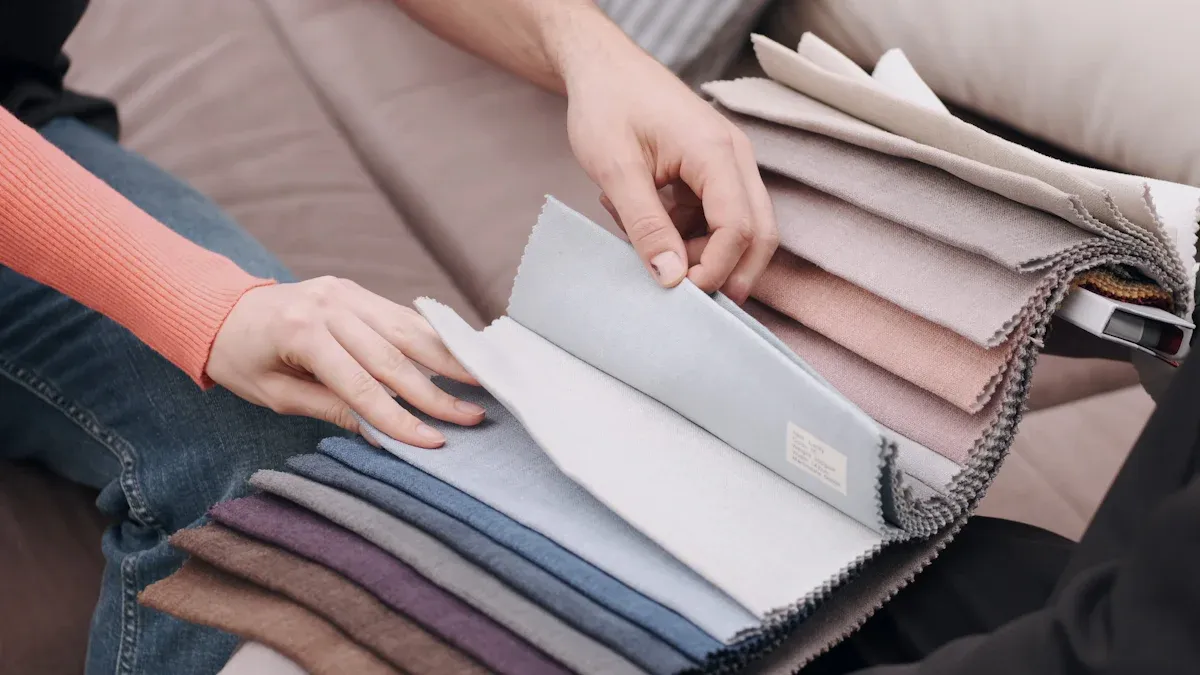
I know selecting the right fabric weight is crucial for comfort. It depends heavily on the climate and the activity. I always consider these factors when I choose materials for shirts and uniforms.
Lightweight Fabrics for Warm Weather and High Activity
I find lightweight fabrics are perfect for warm weather and high-intensity activities. They offer excellent breathability and help keep you cool. For example, I see ultralight fabrics, weighing 30-80 GSM, as ideal for high-intensity activities like running and cycling. They work especially well in hot weather. These fabrics feel “barely-there” and dry quickly. However, they are less durable and can be sheer. This makes them better for garment components like side panels.
I also use lightweight fabrics, 80-130 GSM, for high-intensity sports and hot weather. I can use them for entire garments. Often, I incorporate them into paneling. This enhances breathability without compromising durability. Midweight fabrics, 130-180 GSM, offer a good balance. I find this range, especially 140-160 GSM, common for team sports uniforms. This includes soccer, athletics, netball, cricket shirts, and basketball. They are comfortable for high-intensity sports. However, I do not recommend them for high-contact sports. They are great for training shirts. For athletic uniforms needing high mobility, especially in high-intensity and low-contact sports, I always recommend lightweight and breathable fabrics.
Medium-Weight Fabrics for Moderate Climates and Everyday Wear
I consider medium-weight fabrics the most versatile choice. They work well in moderate climates and for everyday wear. They strike a good balance between breathability and insulation. I find them suitable for year-round use in many business casual outfits.
Lightweight fabrics are ideal for wearing year-round, particularly for your business casual outfits.
This means a fabric that is not too heavy, but still offers some structure. I often choose medium-weight fabrics for office shirts or everyday uniforms. They provide enough warmth for cooler mornings but remain comfortable as the day warms up. They also offer good durability for regular use.
Heavyweight Fabrics for Cold Weather and Low Activity
When I need to provide warmth, I turn to heavyweight fabrics. They are essential for cold weather and activities with low movement. I know these fabrics excel at trapping heat close to the body. They also block out cold air effectively.
- Heavier fabrics generally provide better insulation by trapping heat close to the body and blocking out cold.
- A thick wool coat offers substantial warmth. Its densely packed fibers are excellent at retaining heat.
- Lighter materials may not be sufficient on their own. However, they are effective for layering.
- Wool-acrylic blends can balance warmth with durability and lower cost.
I often select these fabrics for outdoor work uniforms or protective gear in chilly environments. They offer the robust insulation needed to stay comfortable when temperatures drop.
Specific Uniform Needs and Fabric Weight
I understand that specific uniform needs often dictate fabric weight. For instance, military or tactical uniforms have unique requirements. HLC Industries, Inc. can produce military-grade fabrics. These fabrics range in weight from 1.1 oz. to 12 oz. This wide range allows for specialized applications.
- Lightweight fabrics are 25% lighter than standard cotton-nylon blends.
- Ripstop weaving incorporates 5-8mm grids to localize damage.
I see these features as critical for performance and durability in demanding situations. For example, a tactical uniform might use a lighter fabric with ripstop features for agility. A heavy-duty work uniform, on the other hand, might prioritize maximum durability and protection. I always match the fabric weight to the uniform’s intended function. This ensures optimal performance and comfort for the wearer. This careful selection applies to any Shirts Uniforms fabric I choose.
Beyond Fabric Weight: Other Comfort Factors
I know fabric weight is crucial, but other elements also significantly impact a shirt or uniform’s comfort. I always consider these factors when evaluating textiles.
Fabric Composition
I find the fibers making up a fabric play a huge role in comfort. Natural fibers like cotton and wool often offer excellent breathability and a soft feel. Synthetic fibers, such as polyester or nylon, can provide durability, moisture-wicking properties, or stretch. Blends combine these benefits. For instance, a cotton-polyester blend might offer the softness of cotton with the durability of polyester. I select compositions based on the specific needs for breathability, moisture management, and overall feel against the skin.
Weave Type
The way threads interlace, or the weave type, profoundly affects comfort. I see different weaves offer distinct characteristics.
| Weave Type | Breathability |
|---|---|
| Plain Weave | High |
| Twill Weave | Moderate |
A plain weave, with its simple over-under pattern, allows air to pass through easily. This makes it comfortable for warm weather. The simple, open structure facilitates good air circulation. This contributes to its high breathability. For softness, I often look at specific weaves:
- Poplin: I find poplin, also known as broadcloth, smooth and almost silky. It feels very soft due to its lack of texture.
- Twill: This weave, with its diagonal pattern, feels softer and thicker than poplin. It also drapes well and resists creases.
- Herringbone: As a type of twill, herringbone offers a smooth feel, textured warmth, and a slight sheen.
Garment Fit and Construction
I believe the fit and construction of a garment are just as important as the fabric itself. A well-fitting uniform allows for natural movement. A relaxed fit, for example, provides more room through the thigh and leg. This allows for greater ease of movement. I find this ideal for daily wear and active individuals. It accommodates various activities like classroom learning or field trips. It also offers a ‘comfort mode’ while maintaining a uniform appearance. Features like elastic waistbands in pull-on relaxed fit pants enhance comfort by eliminating buttons or zippers.
Seam construction also matters. A flat seam is ideal for lightweight and stretchy fabrics. This influences my choice of seam construction for comfort and garment longevity.
- French Seam: I use this for a clean, polished finish. It encloses raw fabric edges, making it durable and comfortable against the skin.
- Plain Seam: This basic seam’s allowances should lie flat. This improves comfort and appearance.
- Double-Stitched Seam: I use two parallel rows of stitching to strengthen plain seams. It offers flexibility, perfect for stretchy fabrics in t-shirts and activewear.
I reaffirm fabric weight’s critical role in optimizing comfort for shirts and uniforms. Understanding this factor empowers me to make better choices for personal comfort and functional needs. I always emphasize balancing breathability, insulation, and movement. This knowledge guides my selections for optimal wear.
FAQ
What is the ideal fabric weight for a comfortable shirt?
I find the ideal fabric weight depends on your needs. Lightweight fabrics (120-150 GSM) suit warm weather. Medium-weight fabrics (150-180 GSM) work well for everyday wear.
How does fabric weight affect breathability?
I observe that lighter fabrics generally offer better breathability. They allow more air to pass through. Heavier fabrics restrict airflow, making them less breathable.
Can a heavy fabric still be comfortable?
Yes, I believe a heavy fabric can be comfortable. Its flexibility and fiber type matter. A heavy, flexible fabric can drape well and feel soft, offering warmth without stiffness.
Post time: Oct-20-2025