

When I think about school uniform fabric, I notice its impact on comfort and movement every day. I see how girls school uniforms often limit activity, while boy school uniform shorts or boy school uniform pants offer more flexibility. In both American school uniforms and japan school unforms, fabric choice shapes how students feel and behave at school.
Key Takeaways
- Choose school uniforms made from breathable fabrics like cotton or cotton blends to stay cool, dry, and comfortable all day.
- Pick flexible fabrics that stretch and move with you to support activity, comfort, and confidence during school.
- Select soft, gentle materials such as 100% cotton or TENCEL™ to protect sensitive skin and avoid irritation.
Key Comfort Factors in School Uniform Fabric

When I choose a school uniform fabric, I always think about how it will feel on my skin and how it will affect my day. Comfort depends on several important factors. I want to share what I have learned about breathability, flexibility, and softness, which all play a big role in how comfortable a uniform feels.
Breathability and Temperature Control
Breathability is the first thing I notice when I put on a new uniform. If the fabric lets air flow and helps sweat escape, I stay cool and dry, even during gym class or on hot days. Cotton and wool are great examples of breathable materials. They allow my skin to breathe and help regulate my body temperature. Polyester, on the other hand, often traps heat and moisture, making me feel sticky and uncomfortable.
Tip: I always look for uniforms made from cotton or cotton blends, especially if I know I will be active or the weather will be warm.
Scientific studies show that uniforms with layers or openings help control body temperature. When I wear a uniform that I can adjust, I feel more comfortable moving between indoor and outdoor spaces. My skin stays at a healthy temperature, and I can focus better in class.
Breathable school uniform fabric also helps prevent skin irritation and keeps me feeling fresh throughout the day. I have noticed that when my uniform is made from a fabric that manages moisture well, I do not get as many rashes or itchy spots.
Flexibility and Movement
I need to move freely during the school day. Whether I am running at recess or reaching for a book, my uniform should not hold me back. Flexible fabrics stretch with my movements and do not tear easily. I have found that some cotton-polyester blends offer a good balance of stretch and strength. These blends keep their shape after many washes and do not shrink or become stiff.
- Flexible school uniform fabric supports:
- Running and playing during breaks
- Sitting comfortably in class
- Bending and stretching without feeling restricted
When I wear a stiff or tight uniform, I move less and feel less confident. Research shows that uncomfortable uniforms can even reduce physical activity, which is not good for my health. I believe schools should choose fabrics that help everyone, especially girls, move freely and stay active.
Softness and Skin Sensitivity
Softness is another key comfort factor for me. If a uniform feels rough or scratchy, I get distracted and sometimes develop skin problems. I have sensitive skin, so I always check the label for 100% cotton or other gentle materials. Dermatologists recommend cotton, organic cotton, and lyocell for students like me. These fabrics are soft, breathable, and less likely to cause irritation.
| Fabric Type | Benefits for Sensitive Skin | Drawbacks |
|---|---|---|
| 100% Cotton | Hypoallergenic, soft, breathable | Can stay damp if wet |
| Organic Cotton | Gentle, suitable for all climates | Needs careful drying |
| Lyocell (Tencel) | Very soft, manages moisture well | More expensive |
| Merino Wool | Fine, less itchy than regular wool | May still irritate some people |
| Pure Silk | Smooth, temperature regulating | Delicate, less durable |
I also avoid uniforms with tags or seams that rub against my skin. I have learned that some uniforms contain chemicals like formaldehyde or PFAS, which can cause rashes or other health problems. I always wash new uniforms before wearing them and try to choose chemical-free options when possible.
Note: If you have sensitive skin, look for uniforms with Oeko-Tex or GOTS certifications. These labels mean the fabric is safer and less likely to cause allergies.
In my experience, the right school uniform fabric makes a huge difference in how I feel and perform at school. When my uniform is breathable, flexible, and soft, I can focus on learning and enjoy my day.
Comparing Common School Uniform Fabrics
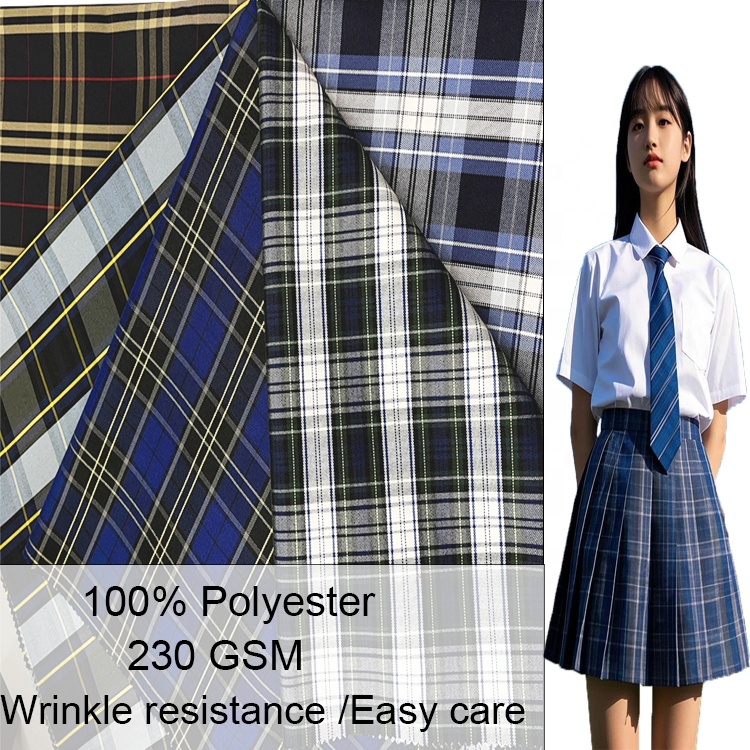
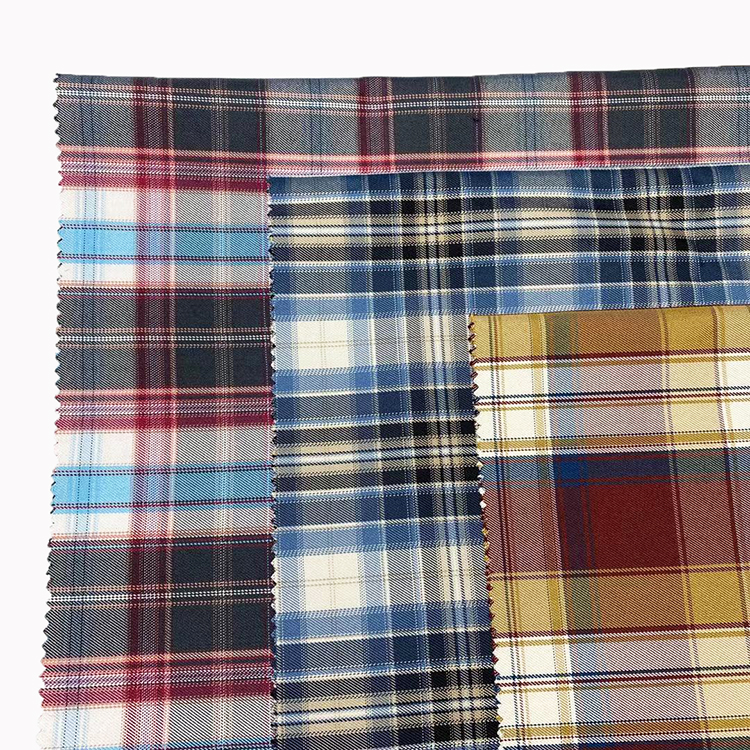
Cotton
When I wear a uniform made from cotton, I notice how soft and breathable it feels. Cotton lets air flow and absorbs sweat, which keeps me cool during hot days. I find cotton uniforms comfortable for daily wear, especially in warm climates. Cotton also helps regulate my body temperature and feels gentle on my skin. However, cotton can wrinkle easily and may shrink if not washed carefully. Sometimes, pure cotton uniforms cost more than other types.
Tip: Cotton is a great choice if you want a school uniform fabric that feels soft and keeps you comfortable all day.
Polyester
Polyester uniforms look neat and last a long time. I see that polyester resists wrinkles and stains, so I spend less time ironing and cleaning. Polyester dries quickly and keeps its color after many washes. However, I often feel warmer in polyester because it traps heat and moisture. This can make me sweat more, especially in hot weather. Polyester sometimes feels rough and can irritate sensitive skin.
- Polyester is:
- Durable and easy to care for
- Wrinkle and stain resistant
- Less breathable than natural fibers
Blends (Cotton-Polyester, etc.)
Blended fabrics combine the best parts of cotton and polyester. My favorite uniforms use blends because they balance comfort and durability. For example, a 50/50 blend feels soft and lets my skin breathe, but also resists wrinkles and lasts longer. Blends cost less than pure cotton and are easier to maintain. I find that these uniforms keep their shape and color, even after many washes.
| Blend Ratio | Comfort Level | Durability | Best For |
|---|---|---|---|
| 50% Cotton/50% Poly | Good | Good | Everyday school wear |
| 65% Poly/35% Cotton | Moderate | High | Sports, frequent washes |
| 80% Cotton/20% Poly | High | Moderate | All-day comfort |
Wool and Other Materials
Wool uniforms keep me warm in winter. I like how wool regulates temperature and resists odors. Merino wool feels soft and does not itch as much as regular wool. However, wool takes longer to dry and needs gentle washing. In some schools, I see uniforms made from rayon, nylon, or even bamboo. These materials can add softness, stretch, or breathability to school uniform fabric. Bamboo and TENCEL™ feel especially smooth and help manage moisture, making them good for sensitive skin.
I have seen how the right school uniform fabric shapes my comfort and focus. When schools choose ergonomic uniforms, I notice:
- Fewer complaints about discomfort
- Better classroom behavior and posture
- Higher confidence and engagement
- Improved academic results
I believe students, parents, and schools should work together to select uniforms that support well-being.
FAQ
What fabric do I recommend for students with sensitive skin?
I always choose 100% cotton or TENCEL™. These fabrics feel soft and rarely cause irritation. I check for Oeko-Tex or GOTS labels for extra safety.
How do I keep my uniform comfortable all day?
I wash my uniform before wearing it. I avoid harsh detergents. I pick the right size so I can move easily and stay cool.
Can blended fabrics be as comfortable as pure cotton?
- I find that high-cotton blends (like 80% cotton, 20% polyester) feel almost as soft as pure cotton.
- These blends last longer and resist wrinkles better.
Post time: Jul-24-2025