
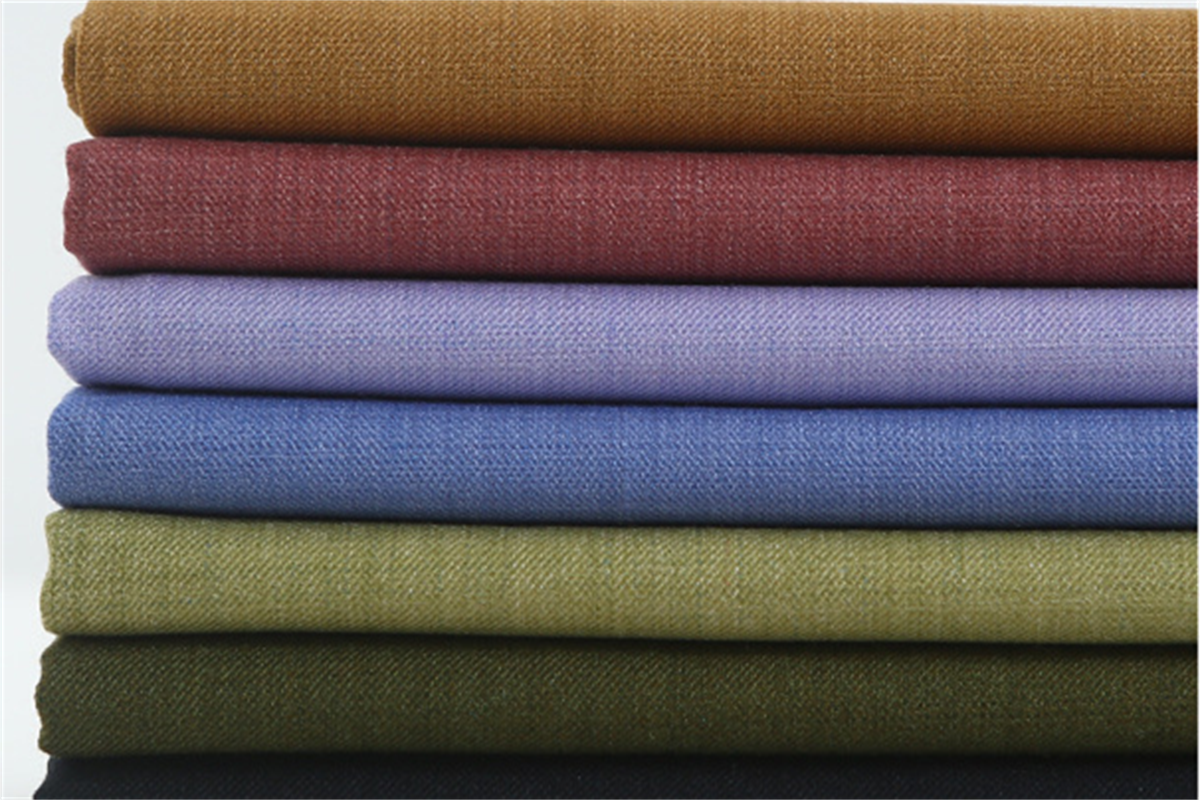
Polyester viscose fabric, a blend of synthetic polyester and semi-natural viscose fibers, offers an exceptional balance of durability and softness. Its growing popularity stems from its versatility, especially in creating stylish garments for formal and casual wear. The global demand reflects this trend, with the market size projected to grow from USD 2.12 billion in 2024 to USD 3.4 billion by 2033, at a CAGR of 5.41%.
Designers often favor polyester viscose suiting fabric with patterned designs due to its lightweight, wrinkle-resistant properties. Whether it’s TR fabric with designs for formal attire or polyester rayon fabric plaid designs for casual wear, this blend ensures both elegance and functionality. Lightweight TR suiting fabric best selling designs remain a top choice for those seeking modern, affordable options. Additionally, TR new designs continue to redefine fashion, making it a preferred material for contemporary clothing.
Key Takeaways
- Polyester viscose fabric is strong and soft, perfect for any outfit.
- It does not wrinkle easily, so no need to iron often.
- This fabric is cheap and useful, great for nice clothes on a budget.
Understanding Polyester Viscose Fabric
Composition of Polyester and Viscose
When I think about polyester viscose fabric, its composition stands out as the foundation of its unique qualities. This blend typically combines polyester and viscose fibers in varying ratios, with one of the most common being 65% polyester and 35% viscose. Polyester, a synthetic fiber, contributes strength, durability, and wrinkle resistance. On the other hand, viscose, derived from natural cellulose, adds softness, breathability, and a luxurious feel to the fabric.
The synergy between these two fibers creates a material that balances functionality and comfort. Polyester ensures the fabric retains its shape and resists wear over time, while viscose enhances its drape and texture. This combination makes polyester viscose fabric a versatile choice for various applications, from apparel to home furnishings. I’ve noticed that this blend is particularly favored in creating polyester viscose suiting fabric with patterned designs, as it allows for intricate detailing without compromising durability.
Characteristics of Polyester Viscose Blend
The polyester viscose blend offers a range of characteristics that make it a standout material in the textile industry. First, its durability ensures that garments and textiles made from this fabric can withstand regular use without showing signs of wear. I’ve found this especially valuable in workwear and uniforms, where longevity is essential. Second, its wrinkle-resistant nature means less time spent ironing, which is a significant advantage for busy professionals.
Comfort is another hallmark of this blend. The viscose component provides a soft, breathable texture that feels pleasant against the skin. This makes it ideal for both formal and casual wear. Additionally, the fabric’s moisture-wicking properties help keep the wearer cool and dry, even in warmer climates.
From a design perspective, the blend’s versatility is unmatched. It can be dyed in vibrant colors and crafted into various patterns, including plaid and other intricate designs. This is why polyester viscose suiting fabric with patterned designs remains a popular choice for both traditional and modern styles. Its lightweight nature further enhances its appeal, making it suitable for year-round use.
Lastly, the affordability of this blend cannot be overlooked. By combining the cost-effectiveness of polyester with the premium feel of viscose, it offers excellent value for money. This makes it accessible to a wide range of consumers, from fashion enthusiasts to budget-conscious shoppers.
Benefits of Polyester Viscose Fabric
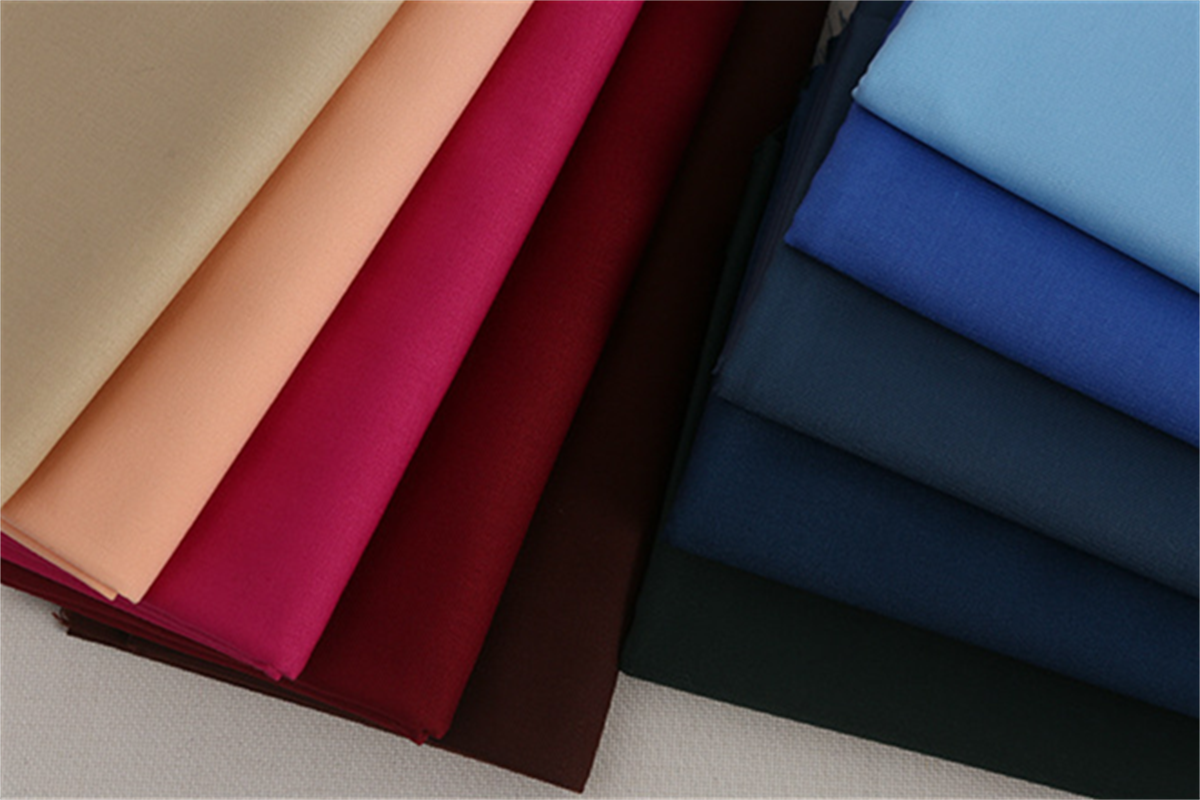
Durability and Wrinkle Resistance
Durability defines the polyester viscose blend. I’ve seen how its polyester component ensures garments withstand frequent use without losing their shape or structure. This makes it an excellent choice for workwear, uniforms, and everyday clothing. The fabric resists wear and tear, even in demanding environments, which is why it’s a staple in industries requiring long-lasting textiles.
Wrinkle resistance is another standout feature. Polyester’s synthetic nature prevents creasing, while viscose adds a smooth finish. This combination reduces the need for ironing, saving time and effort. For professionals, this wrinkle-free quality ensures a polished appearance throughout the day. Whether it’s a formal suit or casual attire, the fabric maintains its crisp look, making it a reliable option for busy lifestyles.
Comfort and Moisture Management
Comfort is where the polyester viscose blend truly excels. The viscose fibers provide a soft, breathable texture that feels gentle against the skin. I’ve noticed how this makes the fabric ideal for all-day wear, whether in formal settings or casual outings. Its lightweight nature enhances the overall wearing experience, ensuring it doesn’t feel heavy or restrictive.
Moisture management is another critical aspect. The fabric’s ability to wick moisture away from the skin keeps the wearer dry and comfortable, even in warm or humid conditions. Performance metrics highlight this capability:
| Metric | Description |
|---|---|
| Drying Time | The fabric dries quickly, ensuring comfort in humid conditions. |
| Moisture Management Ability | It efficiently absorbs and transports moisture, keeping the skin dry during high sweating rates. |
| Thermal Resistance | It maintains warmth without excessive dampness, enhancing comfort in cooler weather. |
These properties make the fabric versatile across seasons. In warm climates, it prevents discomfort caused by skin wetness, which is more closely linked to thermal comfort than skin temperature. This adaptability ensures the fabric remains a preferred choice for diverse weather conditions.
Versatility in Design, Including Patterned Suiting
The design possibilities with polyester viscose fabric are virtually endless. Its ability to take on vibrant colors and intricate patterns makes it a favorite among designers. I’ve seen how polyester viscose suiting fabric with patterned designs elevates formal wear, offering a perfect balance of elegance and functionality. Whether it’s plaid designs for casual settings or tailored suits for corporate events, this fabric adapts seamlessly to various styles.
A closer look at its applications reveals its versatility:
| Application | Description |
|---|---|
| Elegant Suits | Perfect for crafting stylish suits suitable for formal occasions. |
| Adaptability | Easily tailored to different styles, from fitted blazers to relaxed trousers. |
| Versatile Styling | Works for both corporate meetings and social events like weddings. |
| Personalization | Allows customization in cuts, colors, and patterns to suit individual preferences. |
This adaptability makes it a go-to material for creating timeless pieces. Designers continue to innovate with polyester viscose suiting fabric with patterned designs, ensuring it remains relevant in modern fashion.
Affordability and Cost-Effectiveness
Affordability is one of the most compelling reasons to choose polyester viscose fabric. By blending polyester’s cost-effectiveness with viscose’s premium feel, the fabric offers excellent value for money. This makes it accessible to a wide range of consumers, from budget-conscious shoppers to fashion enthusiasts.
Economic data underscores its cost-effectiveness:
- The viscose staple fiber market is valued at approximately USD 13.5 billion in 2023.
- It is projected to reach USD 19.8 billion by 2032, growing at a CAGR of 4.2%.
- Increasing demand in the textile industry drives this growth, thanks to the affordability and versatility of viscose fibers.
- Rising consumer preference for sustainable textile solutions further enhances its appeal.
When compared to alternatives, polyester viscose fabric stands out for its durability, easy maintenance, and application versatility:
| Attribute | Polyester | Alternatives |
|---|---|---|
| Durability | High | Varies |
| Resistance to Shrinking | Yes | Varies |
| Resistance to Stretching | Yes | Varies |
| Maintenance | Easy | More complex |
| Market Demand | Increasing | Stable/Decreasing |
| Application Versatility | High | Limited |
These factors make polyester viscose fabric a smart investment for both manufacturers and consumers. Its affordability, combined with its premium qualities, ensures it remains a top choice in the textile industry.
Applications of Polyester Viscose Fabric
Formal Wear and Suits
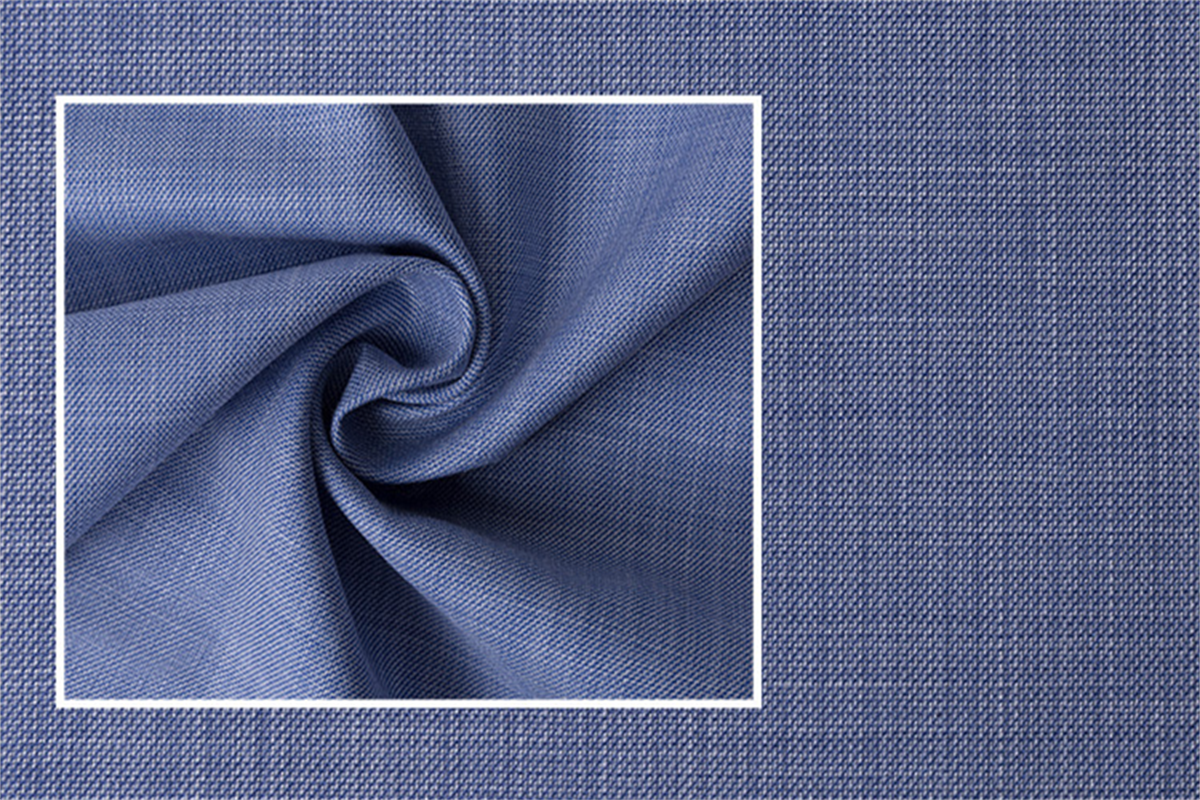
Polyester viscose fabric has become a cornerstone in formal wear, especially for suits. I’ve observed how its wrinkle-resistant and durable nature ensures a polished look throughout the day. The fabric’s ability to hold intricate patterns makes it ideal for creating elegant designs. For instance, polyester viscose suiting fabric with patterned designs elevates the sophistication of tailored suits, making them perfect for corporate events or weddings. Its lightweight feel ensures comfort even during long hours, while its affordability allows for high-quality suits at a reasonable price.
Casual and Everyday Clothing
When it comes to casual wear, polyester viscose fabric shines with its versatility. I’ve seen it used in everything from shirts to dresses, offering a balance of comfort and style. The fabric’s moisture-wicking properties keep wearers cool, making it suitable for warm climates. Its ability to take on vibrant colors and patterns ensures that casual clothing remains trendy and appealing. Whether it’s a plaid shirt for a relaxed outing or a simple dress for a day at the park, this fabric adapts effortlessly to everyday needs.
Workwear and Uniforms
Workwear demands durability, and polyester viscose fabric delivers. I’ve noticed how its anti-pilling behavior and enhanced tensile strength make it a reliable choice for uniforms. Performance studies highlight its suitability, showing improvements in tensile strength from 1.05 kg to 1.2 kg and optimized fabric performance through FAST measurements. These qualities ensure that uniforms maintain their form and function even under rigorous conditions. Its wrinkle resistance and easy maintenance further enhance its practicality, making it a staple in industries like healthcare, hospitality, and education.
| Property | Result |
|---|---|
| Anti-pilling behavior | Significantly enhanced in treated fabrics |
| Seam pucker | Increased in weft direction |
| Tensile strength | Improved from 1.05 kg to 1.2 kg |
| FAST measurements | Predict fabric performance for optimization |
Home Textiles and Upholstery
Polyester viscose fabric extends its utility to home textiles and upholstery. I’ve seen it used in bed linens, curtains, and even furniture coverings. Its soft texture and vibrant color retention make it a popular choice for creating inviting home environments. The fabric’s durability ensures that it withstands daily use, while its affordability makes it accessible for a wide range of households. Whether it’s a patterned curtain or a cozy sofa cover, this fabric combines functionality with aesthetic appeal.
| Application | Description |
|---|---|
| Spinning Clothing | Used for making garments and apparel |
| Home Textile | Utilized in bed linens and curtains |
| Medical Textile | Applied in healthcare products |
| Industry Textile | Employed in various industrial uses |
Comparing Polyester Viscose Fabric to Other Materials
Polyester Viscose vs. Pure Polyester
When comparing polyester viscose fabric to pure polyester, I notice distinct advantages in comfort and aesthetics. Pure polyester excels in durability and moisture resistance, making it ideal for outdoor applications. However, it often lacks the softness and breathability that viscose brings to the blend. Polyester viscose fabric feels smoother against the skin and offers better drape, which enhances its appeal for formal and casual wear.
From a design perspective, polyester viscose fabric accommodates intricate patterns and vibrant colors more effectively. Pure polyester tends to have a shinier finish, which may not suit all styles. The blend strikes a balance between functionality and elegance, making it a preferred choice for suiting fabrics with patterned designs.
| Feature | Polyester Viscose Fabric | Pure Polyester |
|---|---|---|
| Comfort | High | Moderate |
| Breathability | Excellent | Limited |
| Wrinkle Resistance | High | Very High |
| Design Versatility | Superior | Moderate |
Polyester Viscose vs. Cotton
Cotton stands out for its natural softness and breathability, but polyester viscose fabric offers a more durable and wrinkle-resistant alternative. I’ve observed that cotton garments often shrink or lose shape after repeated washes. Polyester viscose fabric retains its structure and requires less maintenance, making it a practical choice for busy lifestyles.
While cotton absorbs moisture, polyester viscose fabric wicks it away, keeping the wearer dry and comfortable. This makes the blend more versatile across different climates. Additionally, the affordability of polyester viscose fabric provides a cost-effective option without compromising on style.
Tip: Choose polyester viscose fabric for formal wear and cotton for relaxed, casual outfits.
Polyester Viscose vs. Wool
Wool is synonymous with warmth and luxury, but polyester viscose fabric offers a lightweight and affordable alternative. Wool suits are ideal for colder climates, yet they require meticulous care to prevent damage. Polyester viscose fabric, on the other hand, resists wrinkles and maintains its appearance with minimal effort.
I’ve noticed that wool can feel heavy and itchy for some wearers. Polyester viscose fabric provides a softer texture and better breathability, making it suitable for year-round use. Its ability to mimic the drape and elegance of wool at a fraction of the cost makes it a popular choice for patterned suiting designs.
| Attribute | Polyester Viscose Fabric | Wool |
|---|---|---|
| Weight | Lightweight | Heavy |
| Maintenance | Easy | Complex |
| Cost | Affordable | Expensive |
| Seasonal Versatility | Year-round | Winter-focused |
Caring for Polyester Viscose Fabric
Washing and Drying Tips
Proper washing and drying practices extend the life of polyester viscose fabric. I always recommend using a gentle cycle with cold or lukewarm water, as this prevents fiber damage. Avoid harsh detergents; instead, opt for mild, fabric-friendly options. For machine washing, filling the drum to its rated capacity ensures optimal water and energy usage. A full load wash typically consumes 35–50 liters of water and 0.78 kWh of energy, while a half load uses 21.2% less water and 17% less energy.
| Process | Water Consumption (L) | Energy Consumption (kWh) | Notes |
|---|---|---|---|
| Full Load Wash | 35–50 | 0.78 (average) | Tested at 60 °C, rated A machines |
| Half Load Wash | 21.2% lower than full | 0.65 (average) | Energy drop of 17% for half load |
| Tumble Drying | 5x more than washing | Varies significantly | More for cotton, less for polyester |
Air drying is my preferred method, as it minimizes energy consumption and reduces wear. If tumble drying is necessary, use a low-heat setting to avoid shrinking or weakening the fabric.
Ironing and Storage Guidelines
Polyester viscose fabric requires minimal ironing due to its wrinkle-resistant nature. When ironing is necessary, I set the iron to a low or medium heat setting. Placing a pressing cloth between the iron and the fabric prevents direct heat exposure, which can cause shine or damage. Steam ironing works well for removing stubborn creases without compromising the fabric’s integrity.
For storage, I always recommend hanging garments on padded hangers to maintain their shape. Folding is suitable for items like trousers, but avoid sharp creases that may become permanent over time. Keeping the fabric in a cool, dry place ensures it remains fresh and free from mildew.
Preventing Wear and Tear
Preventing wear and tear starts with mindful usage. I avoid overloading the washing machine, as this can strain the fibers. Separating polyester viscose garments from heavy or abrasive items, such as denim or zippers, reduces the risk of pilling. Using a mesh laundry bag offers additional protection during washing.
Regularly inspecting seams and edges helps identify early signs of wear. Prompt repairs, such as stitching loose threads, extend the garment’s lifespan. For high-use items like workwear, rotating between multiple pieces minimizes stress on individual garments. These simple steps ensure polyester viscose fabric remains durable and stylish for years.
Polyester viscose fabric blends durability, comfort, and design versatility. Its lightweight nature and adaptability make it ideal for modern applications, including polyester viscose suiting fabric with patterned designs. The growing demand for sustainable, biodegradable viscose yarn highlights its eco-friendly appeal. I encourage exploring this fabric for stylish, functional, and affordable textile solutions.
FAQ
What makes polyester viscose fabric ideal for suiting?
Polyester viscose fabric combines durability, wrinkle resistance, and a luxurious drape. I’ve seen how its lightweight nature and ability to hold patterns make it perfect for tailored suits.
How do I maintain polyester viscose garments?
Wash on a gentle cycle with mild detergent. Air drying works best. For ironing, use low heat with a pressing cloth to avoid direct heat exposure.
Can polyester viscose fabric be used year-round?
Absolutely! Its breathability and moisture-wicking properties keep you cool in summer, while its thermal resistance provides comfort in cooler weather. I find it versatile for all seasons.
Post time: Jun-05-2025