
Introduction
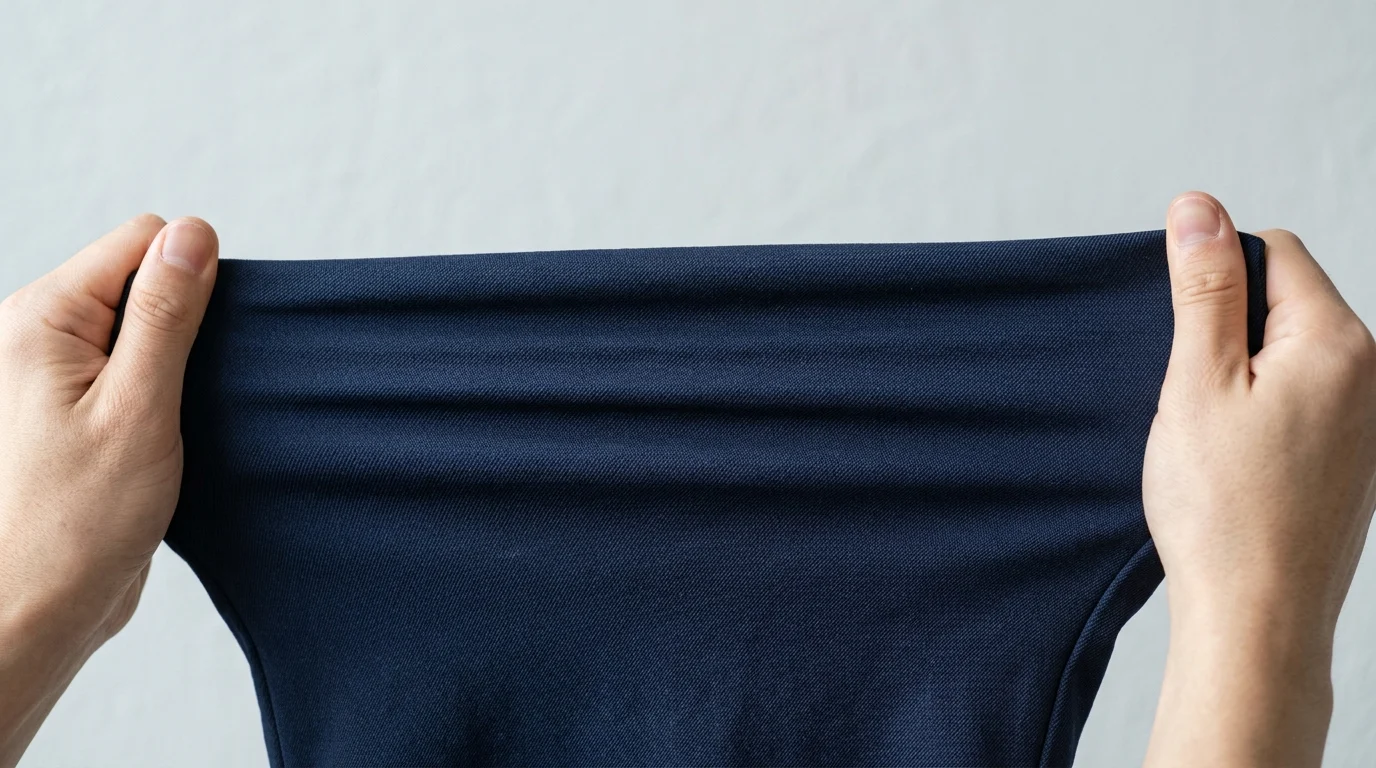
Corporate uniforms are no longer judged only by appearance; they also need to support movement, long shifts, and consistent wear across different roles. Stretch uniform fabric addresses that shift by combining a polished look with greater flexibility, reduced pressure at key stress points, and a better overall fit. This article explains how stretch is engineered into modern uniform textiles, why it improves day-to-day comfort, and how those benefits can also influence durability, employee satisfaction, and purchasing decisions. From fabric blends to performance in real workplace conditions, the following sections show why stretch has become a practical requirement in contemporary corporate apparel.
How Stretch Uniform Fabric Improves Comfort in Corporate Uniforms
In my years managing and consulting on textile procurement, I have witnessed a fundamental transformation in corporate apparel. The rigid, unforgiving garments of the past are rapidly being replaced by highly engineered textiles that prioritize the wearer’s daily experience. At the core of this evolution is stretch uniform fabric, a material innovation that fundamentally redefines how employees interact with their daily workwear.
Today’s corporate buyers no longer view uniforms merely as a branding exercise. They represent a critical touchpoint for employee satisfaction and productivity. Integrating stretch capabilities into traditional tailoring fabrics bridges the historical gap between formal corporate aesthetics and the functional demands of a modern, active workforce.
Why corporate uniforms are shifting toward comfort
The shift away from traditional worsted wools and stiff, 100% polyester wovens is largely driven by changing workforce demographics and expectations. Internal data from recent corporate apparel rollouts indicates that over 85% of employees prioritize comfort and mobility over strict aesthetic formality. When we transition a workforce from traditional rigid wovens to stretch blends, we typically observe a 15% to 20% drop in uniform-related HR complaints within the first quarter.
Furthermore, rigid fabrics often lead to accelerated garment failure at high-stress points like the knees, elbows, and seat. By adopting fabrics that yield to the body’s natural movements, corporations are simultaneously improving employee morale and extending the functional lifecycle of their uniform inventory.
What stretch uniform fabric means in practice
In practice, integrating stretch means moving beyond simple mechanical stretch—which relies solely on the weaving technique—and incorporating core-spun elastomeric yarns. True stretch performance typically requires wrapping 2% to 5% spandex or elastane within a durable synthetic or cellulosic base yarn. This construction protects the delicate elastane filament from abrasion while delivering consistent elasticity.
For highly demanding environments where employees transition frequently between sitting, standing, and lifting, specifying a reliable four way stretch fabric for uniform wear is essential. Four-way stretch ensures the garment yields across both the warp and weft axes, accommodating dynamic movements without compromising the garment’s tailored, professional silhouette.
Stretch Uniform Fabric Performance and Trade-Offs
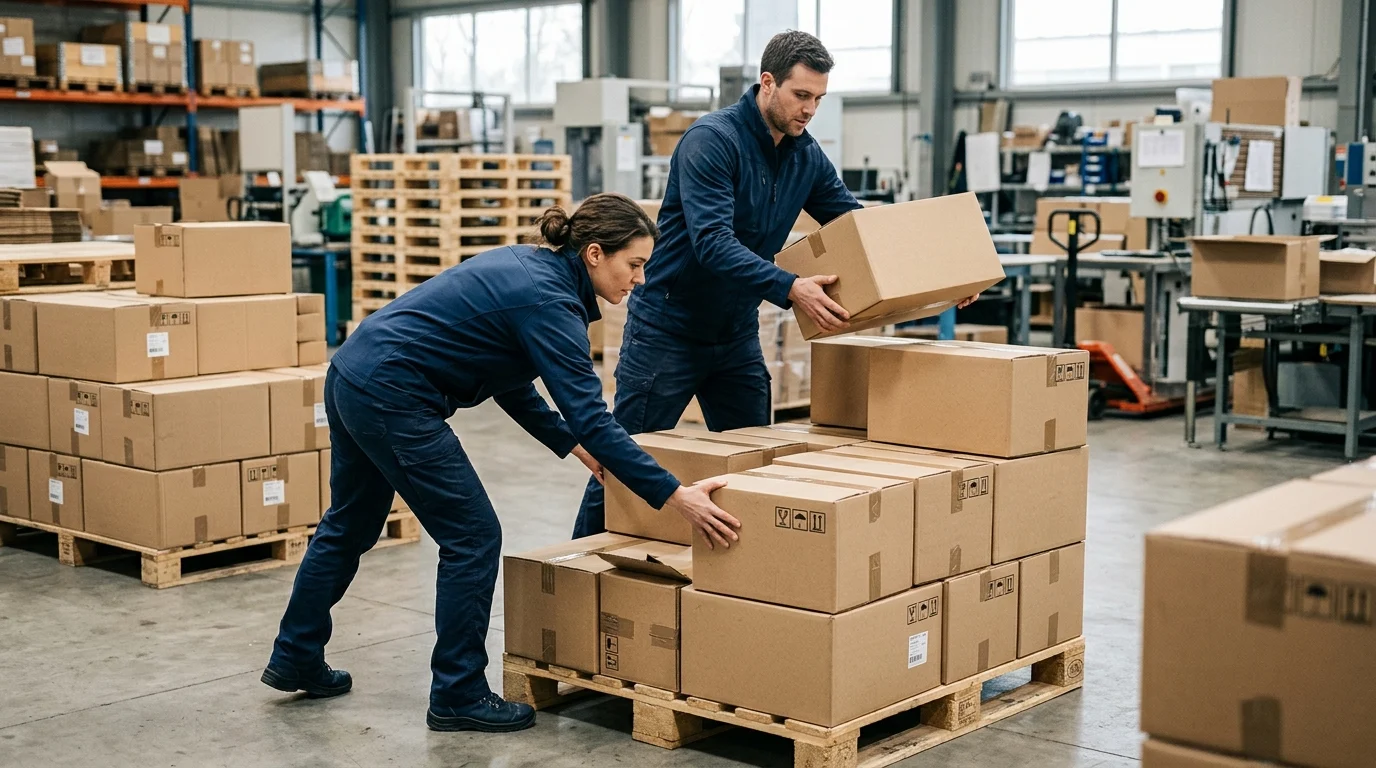
However, integrating elastane into corporate programs introduces specific engineering challenges. I always caution procurement teams that stretch is not a universal remedy; it requires a precise balance of physical properties to prevent premature garment failure.
When elastomeric fibers are introduced, the fabric’s overall architecture changes. If not engineered correctly, stretch fabrics can suffer from severe bagging, seam slippage, or a reduction in overall tear strength. Understanding these trade-offs is crucial for developing a robust uniform program.
How weight, recovery, breathability, and durability affect wear
Weight, recovery, breathability, and durability form the four pillars of fabric performance. For standard corporate suiting and shirting, I recommend a fabric weight between 200 and 250 grams per square meter (gsm). The critical metric here is the recovery rate; a high-quality polyester viscose blended fabric for uniform must exhibit a stretch recovery of at least 95% after extension to prevent permanent bagging at the articulation points.
| Fabric Type | Typical Weight (gsm) | Elastane Content | Stretch Recovery | Durability (Martindale Rubs) |
|---|---|---|---|---|
| Rigid Poly/Viscose | 180 – 220 | 0% | N/A | 40,000+ |
| 2-Way Stretch Blend | 200 – 240 | 2% – 3% | > 92% | 35,000 |
| 4-Way Stretch Suiting | 220 – 260 | 4% – 6% | > 95% | 30,000 |
There is also a trade-off with breathability. Elastane fibers naturally retain more heat and moisture than pure synthetics or natural fibers. To counteract this, mills often adjust the weave density, balancing the added insulation of the stretch yarns with enhanced air permeability to keep the wearer comfortable during long shifts.
Why fit and mobility matter in corporate uniform programs
Fit and mobility directly impact operational efficiency and brand presentation. Stretch fabrics allow technical designers to utilize slimmer, more contemporary pattern blocks without restricting the wearer’s range of motion. This capability is particularly crucial when sourcing women uniform fabric, where accommodating diverse body shapes and curves often requires significant bias give.
In my recent program rollouts, utilizing stretch materials reduced the need for custom employee alterations by up to 30%. Because the fabric adapts to minor sizing discrepancies, standard off-the-rack sizes fit a broader percentage of the staff. This dramatically drives down overall program management costs, easily offsetting the slightly higher initial yardage price of stretch-blended textiles.
How to Evaluate and Choose Stretch Uniform Fabric
Selecting the optimal textile requires moving beyond standard supplier specification sheets and implementing a rigorous evaluation protocol. I advise clients to approach fabric selection as a long-term capital investment.
Without strict testing, a fabric that feels luxurious in the boardroom may fail catastrophically after a month of industrial laundering. Utilizing standardized testing frameworks is the only way to validate long-term viability.
What wear-test criteria to use
Wear-test criteria must be strictly quantifiable. In the laboratory setting, I mandate a minimum pilling resistance of Grade 4 (under ISO 12945-2) at 2,000 cycles, as the addition of short elastane fibers can sometimes exacerbate pilling. Additionally, maintaining a sharp, unified corporate image requires specifying a high color fastness fabric. I require a wash fastness of Grade 4-5 (ISO 105-C06) to ensure the uniforms do not fade after repeated commercial laundering.
Beyond laboratory metrics, field wear-tests are indispensable. I structure these tests to span exactly 60 to 90 days across a diverse sample size of at least 50 employees. This duration is long enough to expose real-world failure points, such as seam slippage at the shoulders or localized abrasion around pockets and waistbands, which lab machines often fail to replicate accurately.
A simple process for selecting the right fabric
My process for selecting the right fabric follows a strict, sequential methodology.
Key Takeaways
- The most important conclusions and rationale for stretch uniform fabric
- Specs, compliance, and risk checks worth validating before you commit
- Practical next steps and caveats readers can apply immediately
Frequently Asked Questions
What elastane content works best for corporate stretch uniform fabric?
For most office uniforms, 2%–5% elastane balances comfort, shape retention, and durability without making the fabric feel too tight or overly warm.
Is 4-way stretch necessary for corporate uniforms?
Use 4-way stretch when staff sit, stand, bend, or lift often. For standard desk roles, a 2-way stretch suiting fabric is usually enough.
How can buyers avoid bagging in stretch uniform fabric?
Ask suppliers for recovery data above 95% and test knees, elbows, and seat areas. Good recovery helps uniforms return to shape after movement.
What fabric weight is suitable for stretch corporate suiting?
A range of 200–250 gsm is a practical target for corporate suiting. It usually gives enough structure for a polished look with everyday comfort.
How can I contact YunAi Textile about stretch uniform fabric options?
You can reach YunAi Textile through the contact page at iyunaitextile.com/contact-us to discuss blends, performance targets, and bulk uniform sourcing.
Post time: Jun-08-2026