
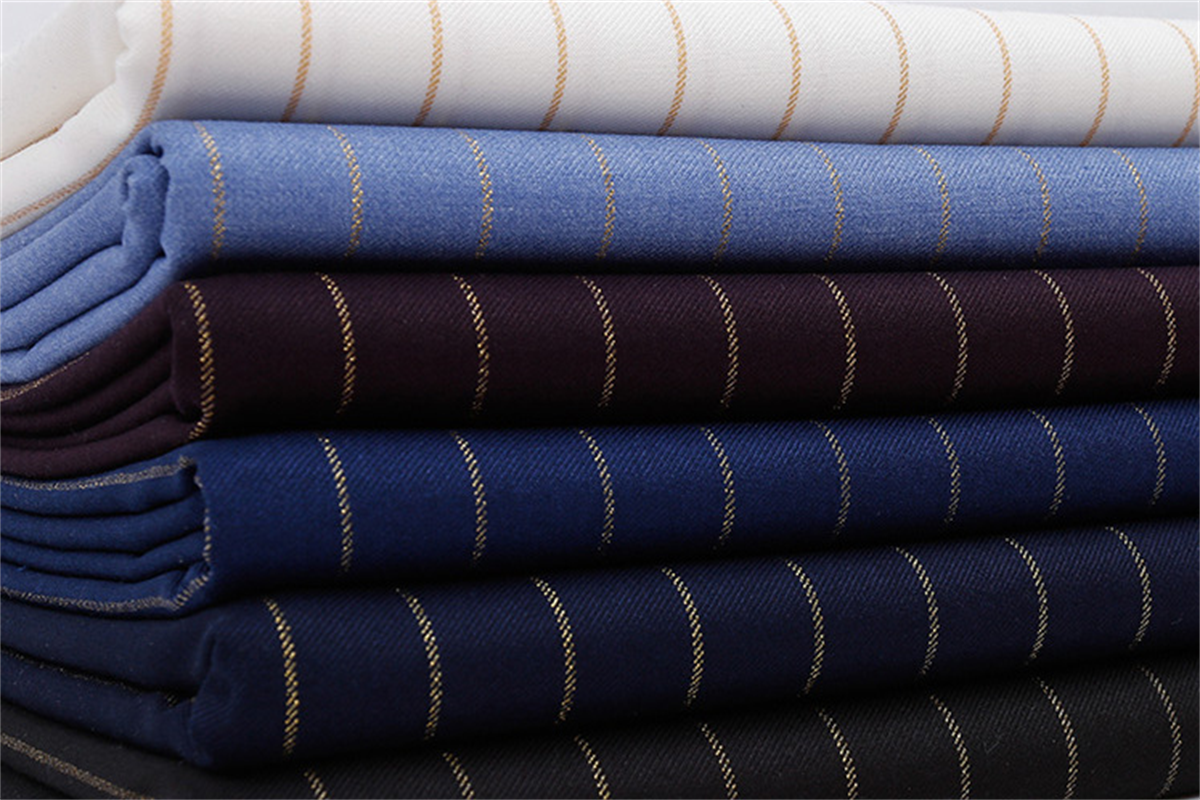
You achieve timely results in worsted wool fabric production when you use proactive planning and efficient process controls. Strong supplier management prevents bottlenecks in worsted wool polyester blend fabric and wool polyester blended fabric. High-quality worsted wool polyester spandex fabric gives you reliable suits fabric every time.
Key Takeaways
- Build strong relationships with suppliers to ensure steady raw material flow and catch potential delays early.
- Keep a buffer stock of key materials and monitor lead times to prevent production stoppages.
- Use clear schedules, team communication, and regular quality checks to keep production on time and maintain high fabric quality.
Worsted Wool Fabric: Optimizing Raw Material Sourcing and Preparation
Building Strong Supplier Relationships
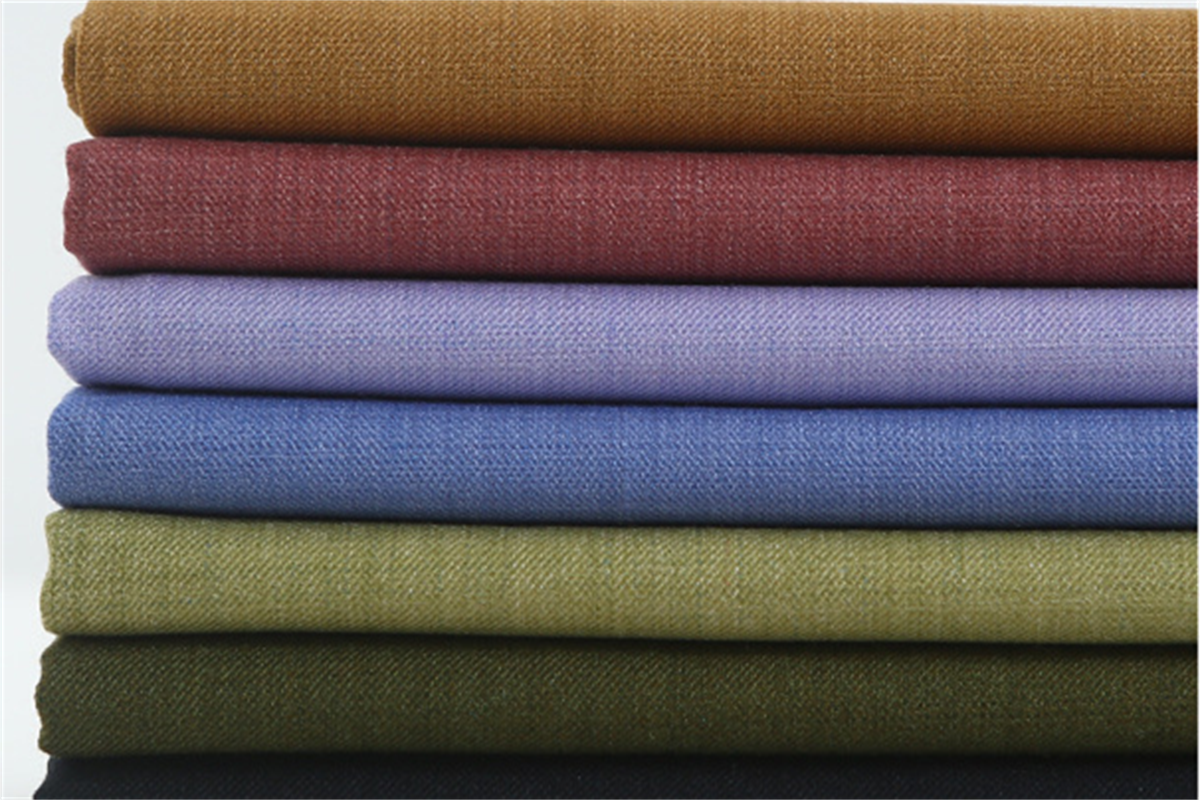
You need reliable suppliers to keep your worsted wool fabric production on track. When you build strong relationships with your suppliers, you gain better control over your raw material flow. You can start by visiting supplier facilities and learning about their processes. This helps you understand their strengths and weaknesses. You should also set clear expectations for quality and delivery times.
Tip: Regular communication with your suppliers helps you spot potential issues early. Schedule monthly check-ins or video calls to discuss any changes in demand or supply.
A strong partnership means you can negotiate better prices and faster lead times. You also get early warnings about possible delays. This allows you to adjust your production schedule before problems arise.
Maintaining Buffer Stock and Monitoring Lead Times
You can avoid production stoppages by keeping a buffer stock of key materials. Buffer stock acts as a safety net when shipments arrive late or demand spikes. You should review your inventory levels every week. This helps you spot shortages before they affect your worsted wool fabric output.
Here is a simple table to help you track your buffer stock and lead times:
| Material Type | Minimum Buffer Stock | Average Lead Time (days) |
|---|---|---|
| Wool Fiber | 500 kg | 14 |
| Polyester Fiber | 400 kg | 10 |
| Blending Agents | 100 kg | 7 |
You should also monitor supplier lead times closely. If you notice longer delivery times, contact your supplier right away. Quick action helps you avoid costly delays in your worsted wool fabric production.
Ensuring Proper Fiber Preparation and Quality
You must prepare your fibers carefully to achieve high-quality worsted wool fabric. Start by cleaning and sorting the wool and polyester fibers. Remove any impurities or foreign matter. This step ensures that your blend remains consistent.
Train your staff to follow strict preparation guidelines. Use clear checklists for each stage of fiber preparation. Well-prepared fibers lead to smoother spinning and fewer defects in the final fabric.
Note: Consistent fiber quality reduces machine downtime and improves the overall look and feel of your worsted wool fabric.
You should also test fiber samples before blending. Testing helps you catch quality issues early. This saves time and money during production.
Streamlining Production and Quality Control for Worsted Wool Polyester Blends

Implementing Production Scheduling and Workflow Reviews
You need a clear production schedule to keep your fabric orders on time. Start by mapping out each step in your process, from fiber blending to final inspection. Assign deadlines for every stage. Use a digital scheduling tool or a simple spreadsheet to track progress. Review your workflow every week. Look for bottlenecks or slowdowns. If you spot a delay, adjust your plan right away.
Tip: Hold a short daily meeting with your team to review the schedule. This keeps everyone focused and helps you catch problems early.
A well-organized schedule helps you use your machines and staff more efficiently. You can avoid overtime costs and reduce idle time. Your customers will notice faster delivery and better service.
Enhancing Team Communication and Coordination
Strong communication keeps your production line running smoothly. Make sure every team member knows their role and responsibilities. Use clear instructions and visual aids, such as charts or diagrams, to explain tasks. Set up a group chat or messaging app for quick updates.
- Share daily goals with your team.
- Encourage workers to report issues as soon as they arise.
- Celebrate small wins to boost morale.
When your team works together, you solve problems faster. You also reduce mistakes and improve the quality of your worsted wool polyester blends.
Conducting In-Process Inspections and Staff Training
You must check your fabric at different stages of production. In-process inspections help you catch defects before they become bigger problems. Train your staff to spot issues like uneven blending, color variation, or weak seams. Use a checklist for each inspection point.
| Inspection Stage | What to Check | Who Checks |
|---|---|---|
| After Blending | Fiber mix consistency | Line Operator |
| After Spinning | Yarn strength and uniformity | Supervisor |
| After Weaving | Surface defects, holes | Quality Team |
Regular training keeps your team up to date on best practices. You can hold short workshops or hands-on sessions. Well-trained staff make fewer errors and produce higher-quality fabric.
Addressing Defects and Ensuring Dimensional Stability
You need to act quickly when you find defects. Remove faulty fabric from the line right away. Analyze the root cause with your team. Fix the problem before it affects more material. Keep a log of common defects and solutions. This helps you prevent the same issues in future batches.
Dimensional stability is key for worsted wool polyester blends. Test your fabric for shrinkage and stretching after finishing. Use standard test methods and record the results. Adjust your process if you see any changes in fabric size or shape.
Note: Consistent quality checks and fast response to defects protect your reputation and keep your customers satisfied.
You can avoid delays in Worsted Wool Fabric production by planning ahead, building strong supplier relationships, and using efficient process controls.
Take action now to optimize sourcing, streamline your workflow, and enforce quality checks. Consistent effort leads to smooth operations and reliable delivery every time.
FAQ
What is the best way to prevent raw material shortages?
You should keep a buffer stock and check your inventory every week. This helps you avoid running out of key materials.
How can you improve fabric quality during production?
Train your team to follow strict guidelines. Use in-process inspections to catch defects early and keep your fabric quality high.
Why does dimensional stability matter in worsted wool polyester blends?
Dimensional stability keeps your fabric from shrinking or stretching. Stable fabric ensures your final products fit well and look professional.
Post time: Jun-26-2025