
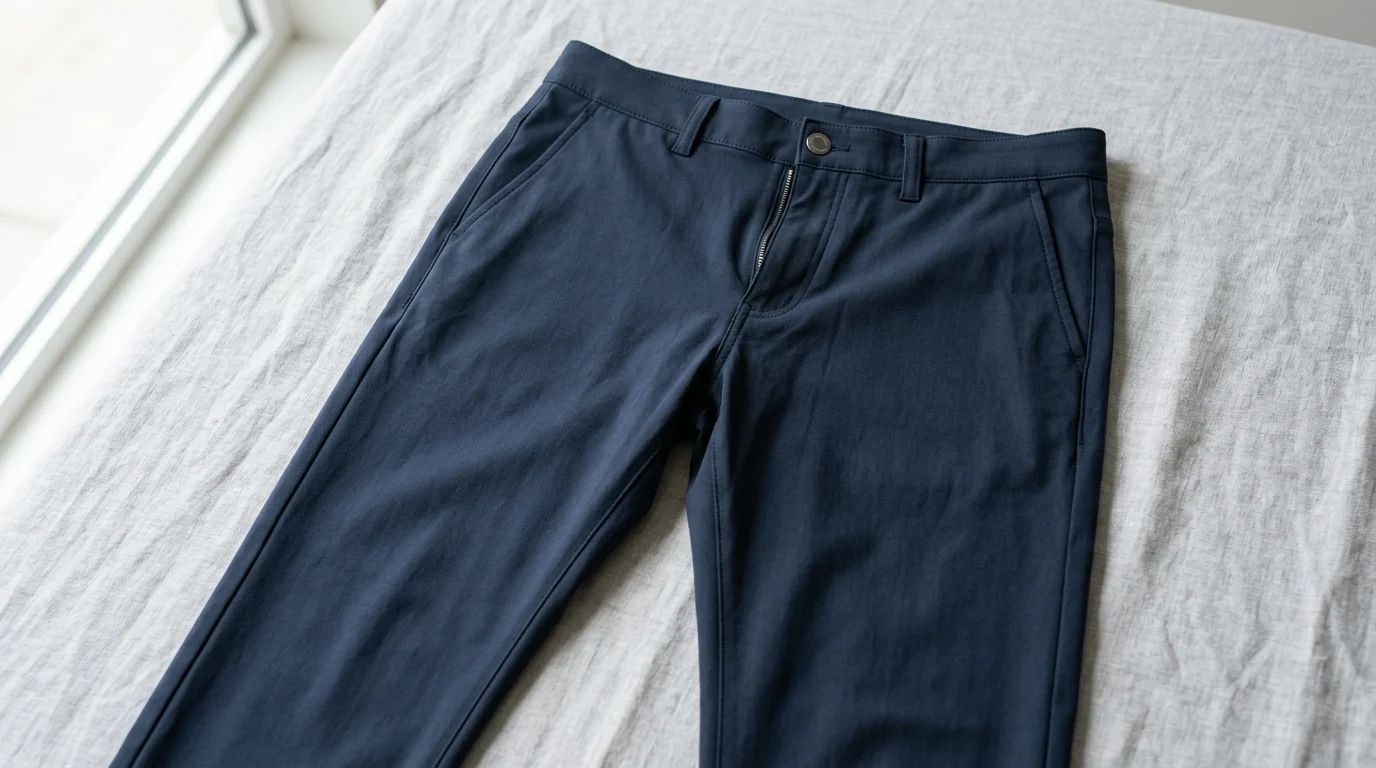
Introduction
Finding the right polyester and spandex pants comes down to more than stretch alone. Blend ratio, fabric weight, construction, and intended use all affect how the pants fit, move, breathe, and hold up over time. A pair that works well for workouts may feel too thin for daily wear, while a durable option for travel might trade some softness for structure. This guide explains what polyester and spandex each contribute, how to read key fabric details, and which features matter most for comfort, performance, and care, so you can choose a pair that matches your routine instead of relying on vague product claims.
Why polyester and spandex fabric pants matter for performance
The integration of synthetic fibers has fundamentally revolutionized the global apparel industry, creating dynamic garments that offer both exceptional durability and fluid movement. When evaluating materials for high-demand apparel categories, the combination of polyester and elastane stands out as a premier, highly versatile choice.
Understanding why these materials matter for performance requires examining the structural synergy between these two distinct fibers at a microscopic level. Polyester delivers exceptional tensile strength, superior shape retention, and robust resistance to environmental wear. Simultaneously, spandex introduces essential elasticity, transforming rigid synthetic panels into adaptive, body-contouring garments. This dual-fiber approach has become the foundational standard for modern garment engineering.
Defining polyester and spandex fabric pants
Defining these garments begins with analyzing the precise blend ratio, which dictates the fabric’s behavior under stress. Typically, these garments consist of 85% to 95% polyester and 5% to 15% spandex. The dominant polyester base ensures the garment remains lightweight, quick-drying, and highly resistant to common laundering issues like wrinkles and shrinking.
Meanwhile, the strategic inclusion of spandex—often woven or knitted into a four-way stretch configuration—allows the fabric to expand up to 500% of its original length without breaking. Manufacturers achieve this by utilizing core-spun yarns, where a central elastane filament is wrapped entirely in polyester fibers. This structural combination ensures that the pants maintain a crisp, professional appearance on the outside while accommodating rigorous physical activity and extreme flexing.
Use cases that change specifications
Different use cases dramatically alter the required specifications, forcing product developers to fine-tune the fiber ratios. In athletic wear and high-intensity training apparel, pants often demand a higher elastane content, typically between 10% and 15%, to support maximum range of motion and rapid shape recovery during multidirectional movement.
Conversely, garments designed for medical or industrial environments prioritize long-term durability and protective surface finishes over extreme flexibility. For instance, polyester and spandex fabric pants utilized in clinical settings frequently feature a tighter 92% polyester and 8% spandex blend. This specific ratio strikes an ideal balance, providing comfortable mobility during demanding twelve-hour shifts while maintaining the structural integrity necessary to withstand high-temperature industrial laundering and harsh chemical sanitizers.
Fabric specifications for selecting polyester and spandex fabric pants
Transitioning from theoretical performance concepts to tangible manufacturing execution requires strict adherence to technical specifications. Buyers, designers, and product developers must meticulously evaluate several physical parameters to guarantee that the selected textiles align perfectly with the intended end-use of the garment.
Relying on subjective feel is insufficient; modern procurement relies heavily on standardized laboratory testing and precise metric thresholds to ensure batch-to-batch consistency and long-term consumer satisfaction.
Weight, recovery, hand feel, breathability, and abrasion resistance
The critical metrics for evaluating these stretch fabrics include weight, recovery rate, hand feel, breathability, and abrasion resistance. Fabric weight, measured in grams per square meter (GSM), provides a baseline for the garment’s seasonal suitability and drape. Weights typically range from 150 to 180 GSM for lightweight, breathable summer trousers, scaling up to 280 GSM or higher for structured, winter-weight activewear.
Stretch recovery is equally vital for maintaining a tailored silhouette; high-quality blends must demonstrate a recovery rate exceeding 95% to prevent unsightly bagging at the knees and seat after extended wear. Alongside these metrics, the fabric’s hand feel—its tactile softness and texture—must align with the wearer’s comfort expectations. Breathability is often quantified by the Moisture Vapor Transmission Rate (MVTR), with performance pants requiring an MVTR of at least 3,000 g/m²/24h to prevent overheating. Furthermore, durability is quantified through standardized abrasion testing, where a commercial-grade blend should endure a minimum of 20,000 cycles on the Martindale rub test before exhibiting significant pilling or fiber degradation.
Using comparison tables to evaluate options
Utilizing standardized comparison tables allows procurement teams to evaluate options objectively across different garment categories, ensuring that specifications align with actual user needs. By mapping out specific technical requirements, manufacturers can avoid the costly mistakes of over-engineering a basic product or under-specifying crucial performance traits for high-stress environments.
| Specification | Activewear Pants | Medical Scrub Pants | Corporate Trousers |
|---|---|---|---|
| Spandex Content | 10% – 15% | 3% – 8% | 2% – 5% |
| Fabric Weight | 220 – 280 GSM | 150 – 200 GSM | 180 – 240 GSM |
| Martindale Rubs | > 20,000 Cycles | > 30,000 Cycles | > 25,000 Cycles |
| Target MVTR | > 5,000 g/m²/24h | > 3,000 g/m²/24h | > 2,000 g/m²/24h |
| Key Finish | Moisture-wicking | Anti-bacterial | Wrinkle-resistant |
How manufacturers and buyers choose polyester and spandex fabric pants
The procurement of synthetic stretch fabrics involves navigating complex global supply chains and fluctuating raw material markets. Manufacturers and corporate buyers must implement highly systematic sourcing strategies to ensure product consistency, manage volatile costs, and verify that all marketing and performance claims hold up under rigorous third-party testing.
Efficient procurement bridges the gap between textile engineering and profitable retail execution.
Sourcing steps that reduce sample review risk
Implementing strict, multi-stage sourcing steps significantly reduces the financial risk associated with sample reviews and bulk production delays. The standard commercial procedure begins with requesting lab dips for precise color matching under controlled D65 lighting, followed by securing 5 to 10-yard sample rolls for physical prototype testing. Buyers typically face textile Minimum Order Quantities (MOQs) ranging from 1,000 to 3,000 meters per specific colorway, making rigorous pre-production validation absolutely critical.
Testing protocols must verify colorfastness, demanding a Grade 4 or higher on the standardized grayscale for both washing and UV light exposure. When sourcing specialized textiles like poly spandex scrubs fabric, buyers must go a step further. They are required to obtain independent laboratory certifications proving the efficacy and longevity of applied anti-bacterial treatments, ensuring the fabric retains at least a 99% microbial reduction rate even after 50 rigorous wash cycles. Standard lead times for these validated fabrics generally span 30 to 45 days, requiring precise inventory forecasting.
Key Takeaways
- The most important conclusions and rationale for polyester and spandex fabric pants
- Specs, compliance, and risk checks worth validating before you commit
- Practical next steps and caveats readers can apply immediately
Frequently Asked Questions
What polyester-spandex ratio is best for performance pants?
For most performance pants, 85–95% polyester with 5–15% spandex works best. Choose 10–15% spandex for active movement and around 8% for durable work or medical-style pants.
How can I tell if polyester and spandex pants will keep their shape?
Check stretch recovery. A good fabric should recover above 95%, which helps prevent bagging at the knees and seat after long wear.
What fabric weight should I choose for polyester and spandex pants?
Use 150–180 GSM for lightweight, breathable pants and 280 GSM or more for thicker, structured styles. Match GSM to climate and intended use.
Are polyester and spandex pants good for medical or industrial uniforms?
Yes, if durability is the priority. A tighter blend like 92% polyester and 8% spandex offers mobility while standing up better to frequent washing and sanitizing.
What durability tests matter when choosing polyester and spandex pants?
Look for at least 20,000 Martindale abrasion cycles and MVTR around 3,000 g/m²/24h or higher. These indicate solid wear resistance and practical breathability.
Post time: Jun-02-2026