
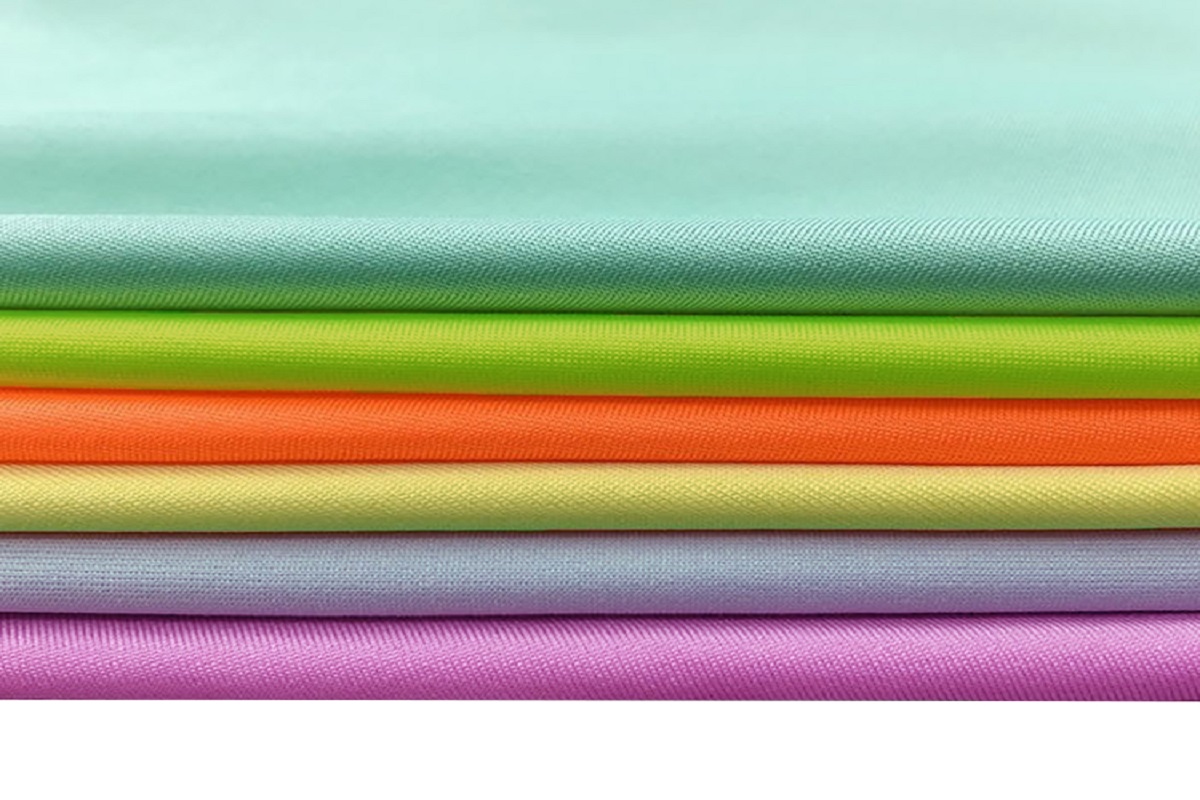
Defining Stretch Polyester Fabric by the Yard
Buying stretch polyester fabric by the yard requires a solid understanding of how fibers blend and perform. Crafters, sewists, and small business owners rely on this material for its exceptional durability, moisture management, and dimensional stability. However, the final garment’s performance hinges entirely on selecting the right specifications when shopping.
Beyond the base fibers, secondary finishes applied to the fabric—such as treatments for moisture wicking, antimicrobial resistance, and ultraviolet protection factor (UPF) ratings—directly alter how the fabric feels and drapes. It is also important to note stretch polyester’s limitations. It has poor breathability compared to natural fibers like cotton or merino wool, and it has a tendency for static cling. If your project requires maximum airflow or natural temperature regulation, stretch polyester may not be the appropriate choice. Defining the exact needs of your project is a critical first step to avoid material failures during sewing and wear.
Key Construction Variables
At the core of stretch polyester construction is the integration of polyethylene terephthalate (PET) fibers with elastomeric yarns, typically spandex or elastane. Structural integrity is dictated by yarn thickness and overall fabric weight, usually measured in grams per square meter (GSM). For instance, lightweight activewear typically utilizes a 150 to 180 GSM warp knit—a run-resistant knitting method—with 8% to 12% spandex. In contrast, compression garments demand a denser 250 to 320 GSM structure containing up to 25% elastomeric fiber.
Furthermore, the choice between interlock and circular knits (methods that create continuous, seamless loops of fabric) directly impacts the material’s opacity and resistance to curling when you cut your pattern pieces. High-gauge knitting machines, which pack stitches tightly together, create an ultra-smooth surface that prevents the underlying elastane from showing through when the fabric is stretched. Keep in mind that these dense synthetic knits can be heat-sensitive during sewing, often requiring specialized stretch needles and careful, low-heat pressing.
Four-Way Stretch Comparison Criteria
Evaluating four-way stretch capabilities requires looking at both elongation (how far it stretches) and recovery (how well it bounces back). Unlike two-way stretch fabrics that only yield across the cross-grain, four-way stretch materials must elongate simultaneously horizontally and vertically while snapping back into shape. You can test this by hand: stretch a 4-inch block of fabric against a ruler to see how far it extends, then release it to ensure it returns exactly to its original 4-inch size. Industry standards suggest that high-performance stretch polyester should typically exhibit a minimum elongation of 50% in both directions, with a recovery rate exceeding 95% within one minute of tension release.
| Specification | Lightweight Activewear | High-Compression Gear |
|---|---|---|
| Fabric Weight | 150-180 GSM | 250-320 GSM |
| Elastane Content | 8% – 12% | 18% – 25% |
| Target Elongation | 40% – 60% | 60% – 80% |
| Typical Recovery | > 92% | > 96% |
Selecting the correct stretch profile requires matching the fabric’s resistance (or modulus) to its intended use. A highly resistant fabric requires significant force to stretch, providing excellent muscle support for athletic wear, while a lower resistance yields a softer drape suitable for everyday athleisure and base layers.
Quality and Compliance Requirements
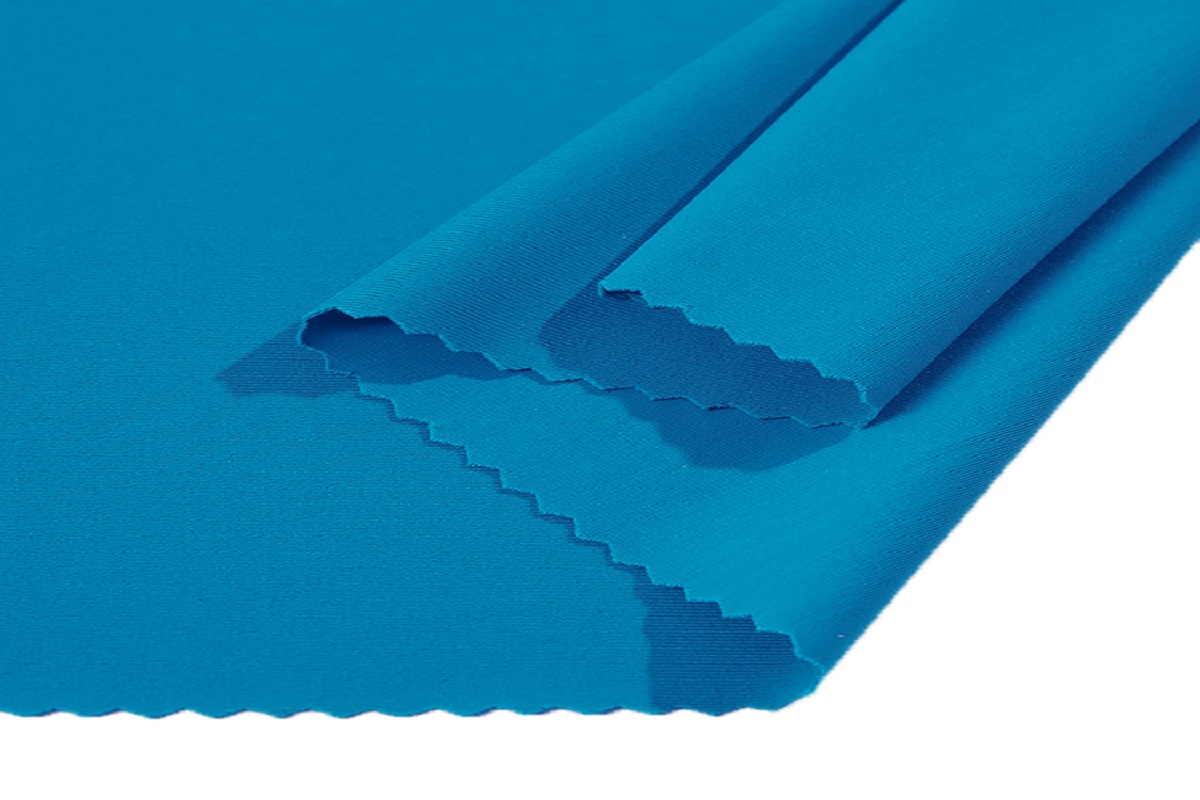
Understanding quality control standards is essential when buying fabric by the yard, whether you are sourcing for a small production run or a personal project. Reputable sellers and manufacturers implement testing protocols to ensure the stretch polyester maintains its structural and aesthetic integrity over time.
The cost of poor quality can be frustrating, resulting in ruined projects, wasted money, or a compromised reputation. Therefore, when evaluating suppliers, look for those who provide clear specifications and verifiable testing details rather than vague descriptions. Be wary of mislabeled fabrics, such as basic polyester blends sold as “performance” wear without actual stretch recovery.
Wholesale Quality Checks
If you are purchasing larger quantities or buying from commercial suppliers, it helps to know the physical performance metrics that define high-quality fabric. Colorfastness is a critical parameter; premium fabrics often achieve high ratings for both wet and dry rubbing to ensure dyes stay put. High-intensity shades, particularly the neon colors common in activewear, require specialized dyes to prevent color bleeding during the wash.
Pilling resistance is another key factor to ensure longevity in high-friction areas. Additionally, dimensional stability testing confirms that post-wash shrinkage remains minimal, typically below a 3% threshold. Any significant deviation can result in severe fit issues, puckered seams, and compromised structural integrity in your finished garments.
Certifications and Restricted Substance Controls
Navigating fabric safety requires looking for verified documentation or labels from textile mills, which is especially important for business buyers. Those targeting eco-conscious consumers or making children’s wear should look for compliance with OEKO-TEX Standard 100, which restricts harmful substances. For apparel intended for direct skin contact, industry standards generally recommend that formaldehyde levels be strictly maintained below 75 parts per million (ppm).
Furthermore, adherence to the European Union’s REACH regulation helps control the presence of azo dyes and heavy metals. When sourcing recycled stretch polyester (rPET) by the yard, look for the Global Recycled Standard (GRS) certification to authenticate the supply chain. This certification typically verifies that at least 50% of the polymer content originates from post-consumer waste, ensuring environmental claims are accurate.
Final Buying Decision
The transition from evaluating fabrics to actually purchasing involves practical calculations. You must synthesize fabric specifications with your project needs to finalize orders that fit your budget without compromising on quality. Whether you are shopping at online fabric marketplaces, local independent suppliers, or textile trade shows, always watch for red flags like missing weight (GSM) details or a lack of stretch percentages in the listing.
Shipping fluctuations, taxes, and potential import fees must also be factored into the total cost per yard. By thoroughly evaluating how much usable fabric you get against these logistical expenses, you can establish a highly optimized buying strategy.
Sampling, Wash Testing, and Yield Calculation
Before committing to a large purchase
Key Takeaways
- Match fabric weight to the project: 150 to 180 GSM suits lightweight activewear, while 250 to 320 GSM is better for compression garments.
- Choose elastane content based on support needs, using 8% to 12% for general activewear and up to 25% for high-compression gear.
- Test four-way stretch by measuring a 4-inch fabric sample and confirming it elongates in both directions and returns close to its original size.
- Look for recovery above 95% for performance garments to reduce sagging and maintain the intended fit over time.
- Consider finishes such as moisture wicking, antimicrobial treatment, and UPF protection because they change comfort, durability, and end-use performance.
- Use stretch needles and low-heat pressing when sewing dense polyester knits to avoid skipped stitches, distortion, or heat damage.
Frequently Asked Questions
What GSM should I choose for stretch polyester activewear?
For lightweight activewear, look for about 150 to 180 GSM with 8% to 12% spandex. For compression garments or supportive gear, choose a denser 250 to 320 GSM fabric with roughly 18% to 25% elastane.
How do I test four-way stretch before buying or cutting?
Stretch a 4-inch section against a ruler in both directions. High-performance stretch polyester should usually stretch at least 50% and return close to its original 4-inch measurement within one minute.
What is a good recovery rate for stretch polyester fabric?
A strong recovery rate is above 95% for performance use. Lightweight activewear may perform well above 92%, while compression garments should typically exceed 96% to prevent sagging and maintain fit.
Is stretch polyester breathable?
Stretch polyester manages moisture well but is generally less breathable than natural fibers like cotton or merino wool. If airflow or natural temperature regulation is your top priority, consider alternatives or blends.
What finishes should I look for in stretch polyester fabric?
Useful finishes include moisture-wicking treatments, antimicrobial resistance, and UPF protection. These can affect comfort, odor control, sun protection, drape, and how the finished garment performs during wear.

Yunai Textile
Post time: Oct-27-2026