

When I select mens shirt fabric, I notice how the fit and comfort shape my confidence and style. Choosing CVC shirt fabric or stripe shirt fabric can send a strong message about professionalism. I often prefer yarn dyed shirt fabric or Cotton twill shirting fabric for their texture. Crisp white shirt fabric always feels timeless.
Key Takeaways
- Choose shirt fabrics based on the occasion and weather to look sharp and stay comfortable.
- Pick fabrics that match your personal style and body fit to boost confidence and express yourself.
- Care for your shirts properly by washing gently, treating stains quickly, and storing them well to keep them looking new longer.
Overview of Fancy Mens Shirt Fabric
Cotton Sateen and Premium Cottons
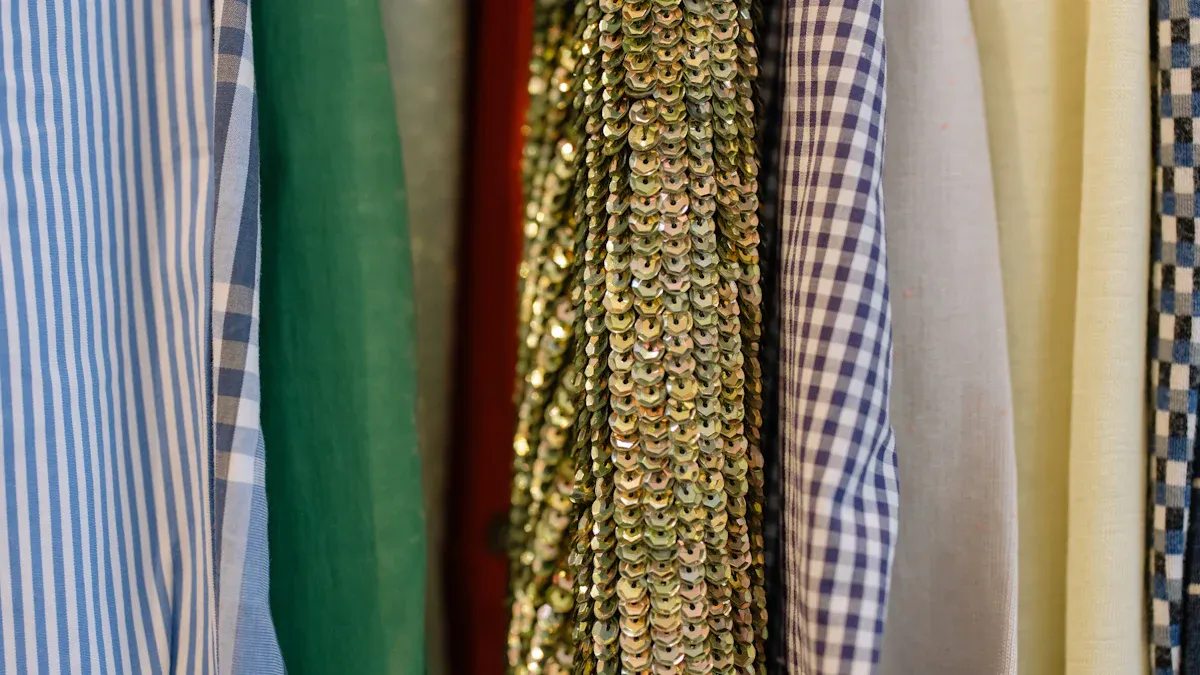
When I want a shirt that feels both luxurious and practical, I often choose cotton sateen or premium cottons. Mercerized cotton stands out because it shines and feels smooth. Cotton sateen uses a satin weave, giving it a glossy surface and a soft touch. I notice that premium cottons like Egyptian or Pima have longer fibers, which makes them stronger and softer. The table below compares their main features:
| Characteristic | Cotton Sateen | Premium Cottons (Egyptian, Pima, etc.) |
|---|---|---|
| Appearance | Glossy, smooth, silky | Soft, strong, luxurious |
| Breathability | Less breathable | Generally breathable |
| Durability | Drapes well, crease-resistant | Very durable |
| Feel | Warm, silky, luxurious | Soft, strong |
Jacquard and Brocade
I love the visual depth that jacquard and brocade bring to mens shirt fabric. Jacquard uses a special weaving technique to create complex patterns right in the fabric. These patterns can be flat or slightly raised, giving a sleek finish. Brocade, on the other hand, has a raised, textured surface and often looks more ornate. I find jacquard shirts versatile for both formal and creative looks, while brocade feels more opulent and best for special occasions.
Silk, Silk Blends, and Cashmere
Silk shirts always feel soft and luxurious when I wear them. Silk regulates temperature and resists wrinkles, but it needs careful handling. Cashmere feels even softer and warmer, perfect for cooler days. I sometimes pick silk-cashmere blends because they combine the best qualities of both. These blends keep shirts smooth, reduce wrinkling, and offer a touch of luxury without being too delicate.
Linen and Textured Fabrics
For hot weather, I reach for linen shirts. Linen breathes better than most fabrics, keeping me cool and dry. Its loose weave lets air flow freely, and it wicks away moisture quickly. Linen blends feel softer and resist wrinkles, but pure linen always keeps me most comfortable in summer. The natural texture adds a relaxed, stylish look to any outfit.
Velvet, Velveteen, and Flannel
When I want warmth and a touch of luxury, I choose velvet or velveteen. Velvet feels plush and looks rich, making it ideal for evening events. Flannel, made from soft wool, keeps me warm during colder months. I find flannel shirts perfect for both formal and semi-casual outings, especially when I want comfort without sacrificing style.
Printed, Embroidered, and Patterned Fabrics
I enjoy shirts with unique prints or embroidery. Techniques like embroidery add texture and durability, while digital printing and screen printing create vibrant patterns. Flock printing gives a velvet-like feel, making shirts stand out. These methods let me express my personality through my choice of mens shirt fabric, whether I want something bold or subtle.
Key Factors When Choosing Mens Shirt Fabric
Occasion and Dress Code
When I pick out a shirt, I always think about where I will wear it. The occasion and dress code guide my choice of mens shirt fabric. For formal events, I reach for smooth, refined fabrics like poplin or twill. These fabrics look sharp and feel elegant. If I attend a black-tie event, I prefer a white shirt made from pinpoint cotton or broadcloth. These fabrics have a subtle shine and a crisp finish. For business meetings, I often choose Royal Oxford or twill because they look professional and hold their shape well.
For casual outings, I like Oxford cloth or linen blends. Oxford cloth feels thicker and more relaxed, making it perfect for weekends or informal gatherings. Linen blends keep me cool and add a laid-back vibe. I also pay attention to shirt details. Button-down collars and barrel cuffs make a shirt more casual, while spread collars and French cuffs add formality.
Tip: Always match the fabric and shirt style to the event. A shiny, smooth fabric works best for formal settings, while textured or patterned fabrics suit casual occasions.
Here’s a quick table I use to match fabric to occasion:
| Occasion | Recommended Fabrics | Notes |
|---|---|---|
| Formal | Poplin, Twill, Broadcloth, Silk | Smooth, shiny, crisp |
| Business | Royal Oxford, Twill, Pinpoint Cotton | Professional, holds shape |
| Casual | Oxford Cloth, Linen, Cotton Blends | Textured, relaxed, breathable |
| Special Events | Satin, Brocade, Velvet | Luxurious, statement-making |
Climate and Season
I always consider the weather before choosing a mens shirt fabric. In summer, I want to stay cool and dry. Linen is my top pick for hot, humid days because it breathes well and wicks away moisture. Cotton also works well, especially in lighter weaves like poplin or seersucker. These fabrics let air flow and keep me comfortable. For outdoor summer events, I sometimes wear shirts made from moisture-wicking blends, which help manage sweat.
When the weather turns cold, I switch to warmer fabrics. Flannel and twill keep me cozy in winter. These fabrics trap heat and feel soft against my skin. I also like to layer with heavier shirts, such as those made from corduroy or wool blends. Color matters too. I wear lighter colors in summer to reflect sunlight and darker shades in winter for extra warmth.
Note: Lightweight, loose-fitting shirts work best in hot weather. For winter, choose thicker fabrics and layer for extra insulation.
Personal Style and Preferences
My personal style shapes every shirt I buy. I use color, pattern, and texture to express myself. If I want a classic look, I choose solid colors or subtle stripes. For a bold statement, I pick shirts with bright colors, unique prints, or embroidery. Texture also plays a big role. Textured fabrics like Oxford cotton or herringbone add depth and interest to my outfit.
I also think about how the shirt flatters my body. Vertical stripes make me look taller and slimmer, while solid colors create a clean, streamlined look. If I want to stand out, I go for shirts with a bit of sheen, like satin or silk. For a more understated style, I stick to matte finishes and subtle patterns.
Tip: Use color, pattern, and texture to match your mood and personality. The right combination can boost your confidence and make your outfit memorable.
Comfort and Breathability
Comfort is always my top priority. I want a shirt that feels good all day. Cotton is my go-to fabric because it is soft, breathable, and gentle on my skin. Chambray and seersucker are especially comfortable in hot weather. They keep the fabric off my skin and dry quickly. For sensitive skin, I look for organic cotton or hypoallergenic blends.
Blended fabrics also offer great comfort. Cotton-polyester blends combine softness with durability and resist shrinking. Rayon blends feel even softer and add stretch for better movement. For year-round comfort, I sometimes wear superfine merino wool. It regulates temperature and resists odors.
Here’s a table I use to compare comfort and breathability:
| Fabric Type | Comfort & Breathability Features | Best For |
|---|---|---|
| Cotton (Chambray) | Lightweight, soft, moisture control | Hot climates |
| Cotton (Seersucker) | Puckered, quick-drying, loose weave | Summer, humid weather |
| Cotton (Poplin) | Smooth, cool, feels nice on skin | Summer, business wear |
| Wool (Merino) | Temperature regulating, breathable, fast drying | Year-round, layering |
| Blends | Soft, stretchy, durable | Everyday comfort |
Care and Maintenance
I always check how to care for a shirt before I buy it. Some fancy fabrics need special attention. Cotton shirts are easy to wash at home, but I use a gentle cycle and hang them to dry. For silk or velvet shirts, I follow the care label and sometimes take them to a professional cleaner.
To keep my shirts looking sharp, I hang them on wooden hangers and button the collar. This helps wrinkles fall out and keeps the shape. If I see small stains, I spot-clean them right away. For wrinkles, I use a steamer or iron on the right setting for the fabric. I never wring out my shirts, and I always store them in a cool, dry place.
Tip: Proper care extends the life of your shirts. Always follow the care instructions and handle delicate fabrics with care.
Matching Mens Shirt Fabric to Occasion and Style
Formal and Black-Tie Events
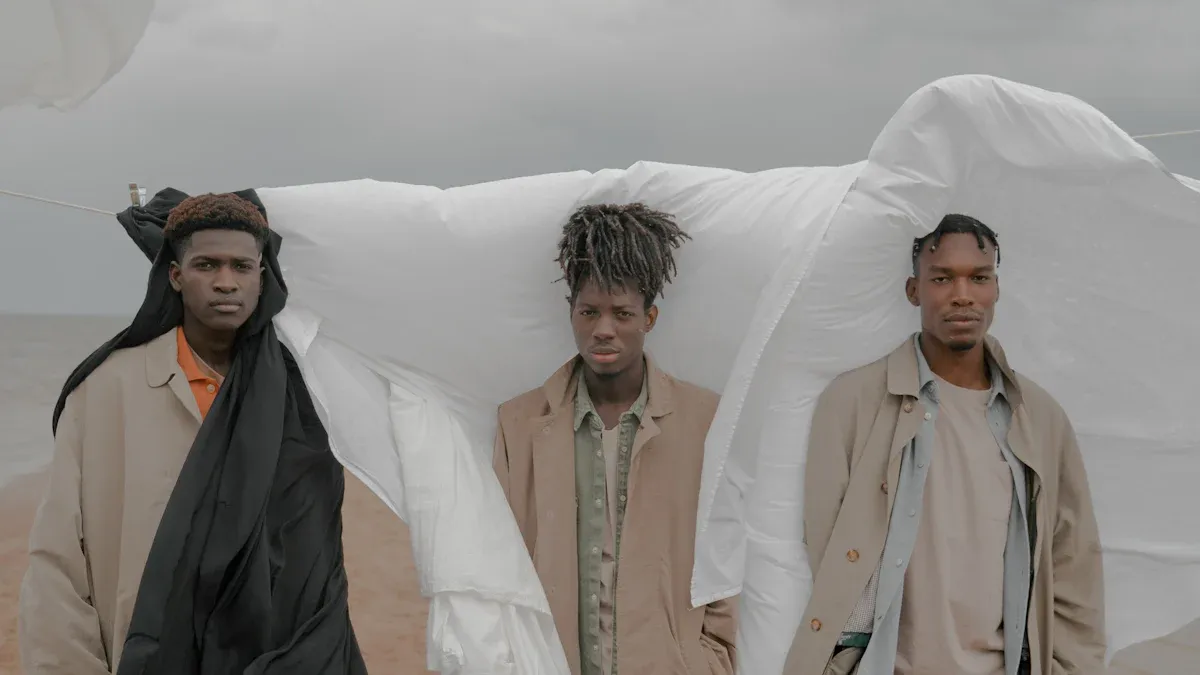
When I attend a formal or black-tie event, I always choose my shirt fabric with care. The right fabric makes my outfit look sharp and elegant. I prefer fabrics that have a smooth finish and a bit of shine. Twill stands out for its opacity and drape, making it perfect under a tuxedo jacket. Broadcloth gives a crisp, modern look, though it feels a bit lighter and less opaque than twill. Royal Oxford adds texture but still keeps the formal vibe. Jacquard offers a unique, decorative weave that works well for special occasions.
Here is a table I use to compare the best fabrics for formal events:
| Fabric | Characteristics | Suitability for Formal/Black-Tie Events |
|---|---|---|
| Twill | More opaque, shiny, better drape | Highly suitable; lends a formal appeal and works well under tuxedo jackets |
| Broadcloth | Smoother, more modern feel, somewhat sheer | Suitable; offers a crisp look but less opaque than twill |
| Royal Oxford | Textured, good alternative | Suitable; adds texture while maintaining formality |
| Jacquard | Textured, decorative weave | Suitable; offers a unique textured look for formal shirts |
I also consider cotton and poplin for their comfort and versatility. Mark from The Armoury Guide to Black Tie recommends very fine fabrics like poplin and royal oxford. He warns that voile, while elegant, can feel too sheer for some. I avoid linen and tweed for these events because they look too casual.
Tip: For formal events, always choose a shirt with a smooth, crisp finish. This helps you look polished and confident.
Business and Professional Settings
In business and professional settings, I focus on fabrics that balance comfort, durability, and a smart appearance. Egyptian cotton feels soft and luxurious, making it a top choice for important meetings. Poplin gives a lightweight, smooth finish and resists wrinkles, so I look neat all day. Twill offers a bit more texture and holds up well to frequent wear. Oxford cloth works for business casual days because it feels heavier and more relaxed.
When I select a shirt for work, I keep these points in mind:
- I choose solid, neutral colors like white, blue, or gray for a classic look.
- Subtle patterns, such as small checks or stripes, add interest without being distracting.
- I make sure the shirt fits well at the shoulders, collar, chest, and sleeves.
- I look for wrinkle-resistant or moisture-managing fabrics to stay comfortable.
- I match the shirt fabric to the season—cotton or linen for summer, wool blends for winter.
- I coordinate the shirt’s texture and weight with my pants to keep my outfit balanced.
Note: A well-chosen business shirt fabric should look crisp, feel comfortable, and last through many wears.
Casual and Social Gatherings
For casual and social gatherings, I like to relax my style and choose fabrics that feel comfortable and look laid-back. Oxford cloth is my go-to for its basket weave and soft feel. Linen blends keep me cool during summer barbecues or outdoor parties. Cotton voile feels light and airy, perfect for warm weather.
Here is a table that helps me decide which fabric to wear based on the occasion:
| Occasion Type | Fabric Examples | Characteristics & Suitability |
|---|---|---|
| Formal Occasions | Poplin, Twill, Egyptian Cotton, Sea Island Cotton | Smooth, refined, crisp, and wrinkle-resistant; ideal for a polished look. |
| Casual/Social Gatherings | Oxford Cloth, Linen Blends, Cotton Voile | Textured, breathable, and comfortable; perfect for relaxed, informal settings. |
I notice that casual shirts often get softer with each wash. I enjoy wearing shirts with relaxed patterns or colors that show my personality. For these occasions, I avoid fabrics that look too shiny or stiff.
Tip: Choose breathable, textured fabrics for casual events. They keep you comfortable and stylish without looking too formal.
Statement and Trend-Driven Looks
When I want to make a statement or follow the latest trends, I experiment with new fabrics and textures. Lightweight materials like fine cotton jerseys, silk blends, and breathable knits feel comfortable and look modern. I see more shirts with crochet details, mesh panels, and satin accents. These textures add visual interest and make my outfit stand out.
Fashion trends now favor relaxed and oversized fits. I notice that designers use premium fabrics to elevate even sporty shirts, like rugby styles, into sophisticated casualwear. This shift combines comfort with elegance and reflects a move toward sustainability and versatility.
- I try shirts with unique textures or sheer layers for a bold look.
- I choose relaxed silhouettes for comfort and style.
- I look for eco-friendly fabrics that align with current trends.
Note: Statement shirts let you express your personality. Don’t be afraid to try new fabrics or textures to keep your wardrobe fresh.
Identifying Quality and Fit in Fancy Mens Shirt Fabric
Recognizing High-Quality Fabrics
When I shop for shirts, I look for signs of true quality. I pay attention to the fabric’s feel and how it drapes. Softness and a relaxed hang show that the shirt uses fine yarns and natural fibers. I often check the label for cotton types like Egyptian, Pima, or Sea Island. These long, smooth fibers make shirts feel silky and last longer. I also notice if the fabric comes from renowned mills such as Alumo or Grandi & Rubinelli. These mills use pure mountain spring water in their finishing process, which boosts softness and color.
I use this checklist to spot high-quality fabrics:
- The fabric feels soft, supple, and hangs well.
- The label lists premium cotton types or blends.
- The weave uses high thread counts and 2-ply yarns.
- Patterns are woven in, not just printed.
- The shirt has clear, bright colors and a luxurious texture.
- Seams are reinforced, and buttonholes have dense stitching.
Tip: Shirts made with long-staple cotton and careful finishing keep their shape and color after many washes.
Ensuring the Right Fit for Fancy Shirts
Getting the right fit matters as much as fabric quality. I always check these points before buying a shirt:
- The collar touches my neck but lets me slip two fingers inside.
- Shoulder seams line up with the edge of my shoulders.
- The torso fits close but does not pull or billow.
- Sleeves taper smoothly and feel comfortable.
- Cuffs fit snugly but slide over my wrist without unbuttoning.
- Sleeves reach my wrist bone, showing a bit of cuff under a jacket.
- The shirt’s hem stays tucked in but does not bunch up.
I choose classic, slim, or modern fits based on my body shape and comfort. For the best results, I sometimes go for made-to-measure shirts.
Care and Maintenance for Fancy Mens Shirt Fabric
Washing and Drying Best Practices
I always follow a careful routine to keep my shirts looking sharp. Here is my step-by-step process:
- I pre-treat stains as soon as I spot them. This prevents them from setting.
- I unbutton every shirt before washing. This protects the buttons and stitching.
- I sort shirts by color and fabric type. This keeps colors bright and fabrics safe.
- I use cold water and a mild detergent. This helps prevent shrinking and fading.
- For delicate fabrics like silk, I hand wash or use a gentle cycle.
- I place shirts in mesh laundry bags when using the machine. This reduces friction.
- I always air dry shirts on padded hangers, away from sunlight. This keeps the shape and color.
- I limit dry cleaning to special fabrics or complex designs.
Tip: Iron shirts while they are slightly damp. Use the right heat setting and steam to avoid damage.
Proper Storage Techniques
Proper storage keeps my shirts in top condition. I use these methods:
- I hang shirts on wooden or padded hangers. Thin wire hangers can stretch or damage fabric.
- I button the top and middle buttons to help shirts keep their shape.
- I make sure my closet has good airflow. This prevents mildew and musty smells.
- For long-term storage, I fold shirts with tissue paper and use fabric bags.
- I avoid crowding shirts in the closet. Each shirt needs space to hang freely.
Handling Stains and Wrinkles
When I see a stain, I act fast. I dab stains gently with a mild detergent or dish soap. For ink, I use rubbing alcohol and blot, not rub. For sweat stains, I apply a baking soda paste. I air dry delicate shirts on sturdy hangers to keep their shape. I iron silk shirts on low heat with a pressing cloth. For linen, I iron while damp and use steam. If I need to remove wrinkles quickly, I use a hairdryer or steam from a hot shower.
Note: Treating stains right away and storing shirts properly helps them last longer and look their best.
When I choose mens shirt fabric, I focus on quality, comfort, and style. Premium natural fibers like cotton or linen last longer and feel better. Experts suggest customizing shirts to match my needs and taste. The right fabric transforms my wardrobe and supports confidence for any occasion.
FAQ
What is the best fabric for a year-round men’s shirt?
I prefer high-quality cotton, like Egyptian or Pima. These fabrics feel soft, breathe well, and work for every season.
How do I keep fancy shirt fabrics looking new?
I always wash shirts gently, hang them to dry, and store them on padded hangers. Quick stain treatment helps keep them fresh.
Can I wear linen shirts to formal events?
I usually avoid linen for formal events. Linen looks casual and wrinkles easily. I choose poplin or twill for a polished appearance.
Post time: Jul-30-2025