
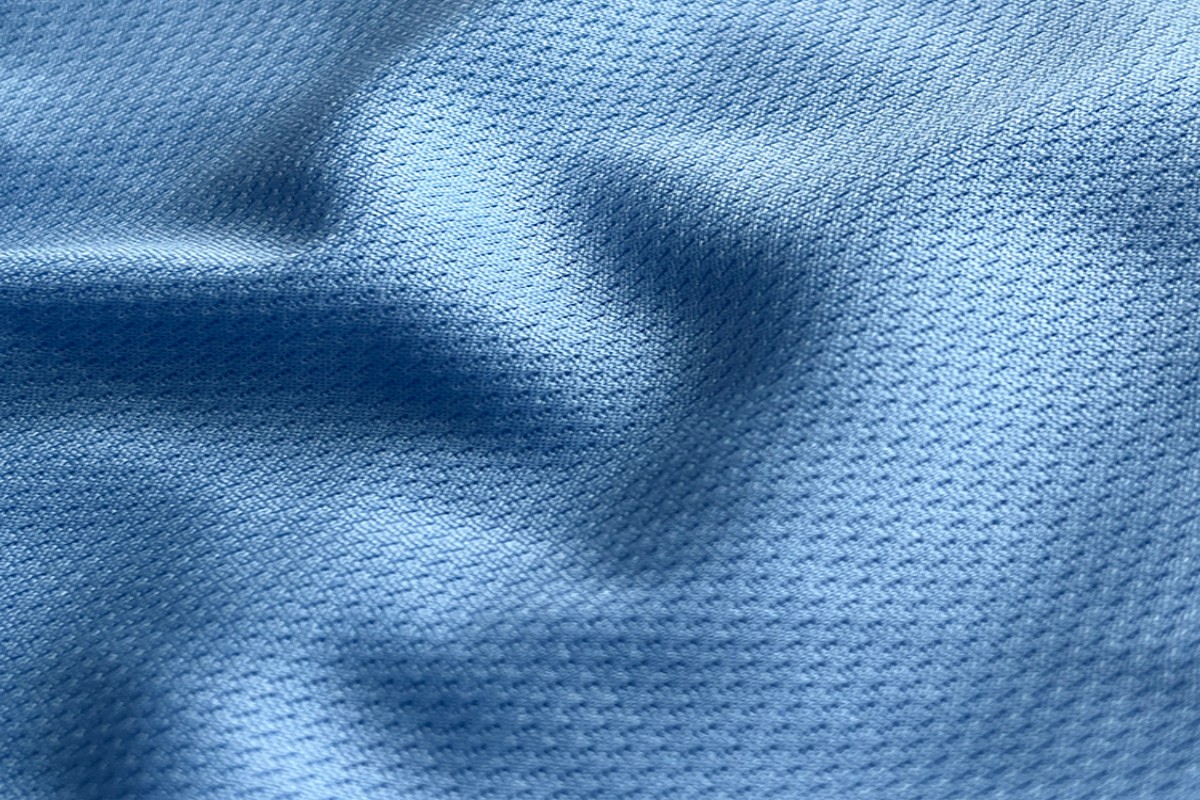
Selecting the right sports fabric suppliers helps you maintain product quality and build trust with your customers. You should look for materials that meet your needs, such as polyester spandex fabric or POLY SPANDEX SPORTS FABRIC. Careful choices protect your brand and keep your products strong.
Key Takeaways
- Identify your sportswear needs by considering the activities your customers do and prioritize fabric features like moisture-wicking, stretch, and durability.
- Find and evaluate suppliers carefully by checking their credibility, asking for fabric samples, and testing quality before making big orders.
- Negotiate clear agreements and set up regular quality checks to protect your brand and build strong, reliable partnerships.
Define and Prioritize Your Fabric Needs
Identify Performance and Functional Requirements
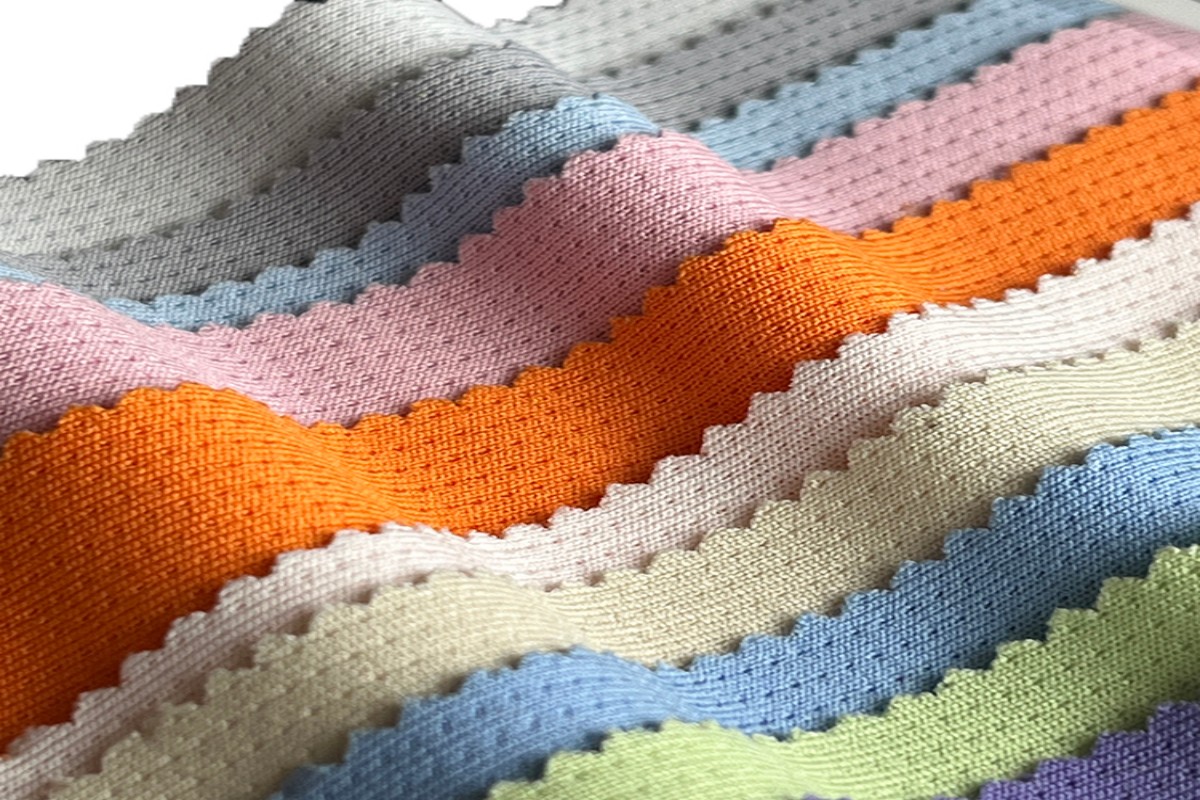
You need to start by thinking about how your sportswear will be used. Will your customers run, swim, or play team sports? Each activity needs different fabric features. For example, runners often want lightweight and breathable fabrics. Swimmers need materials that dry quickly and resist chlorine. You should make a list of the most important qualities for your products. Some key features to consider include:
- Moisture-wicking ability
- Stretch and flexibility
- Durability
- UV protection
Tip: Ask your team or customers what they value most in sportswear. Their feedback can help you set clear priorities.
Set Aesthetic and Design Standards
You want your sportswear to look as good as it feels. Think about the colors, patterns, and textures that match your brand. You may want bold prints or simple, classic colors. Make sure the fabric you choose can hold color well and keep its shape after washing. You can use a table to compare design options:
| Feature | Option 1: Solid Color | Option 2: Printed Pattern |
|---|---|---|
| Colorfastness | High | Medium |
| Brand Identity | Classic | Trendy |
Consider Sustainability and Certifications
Many customers care about the environment. You can choose fabrics made from recycled materials or organic fibers. Look for certifications like GRS (Global Recycled Standard) or OEKO-TEX®. These show that the fabric meets safety and eco-friendly standards.
Note: Sustainable choices can improve your brand image and attract more customers who care about the planet.
Research and Assess Sports Fabric Suppliers
Find Suppliers Through Trade Shows, Online Platforms, and Referrals
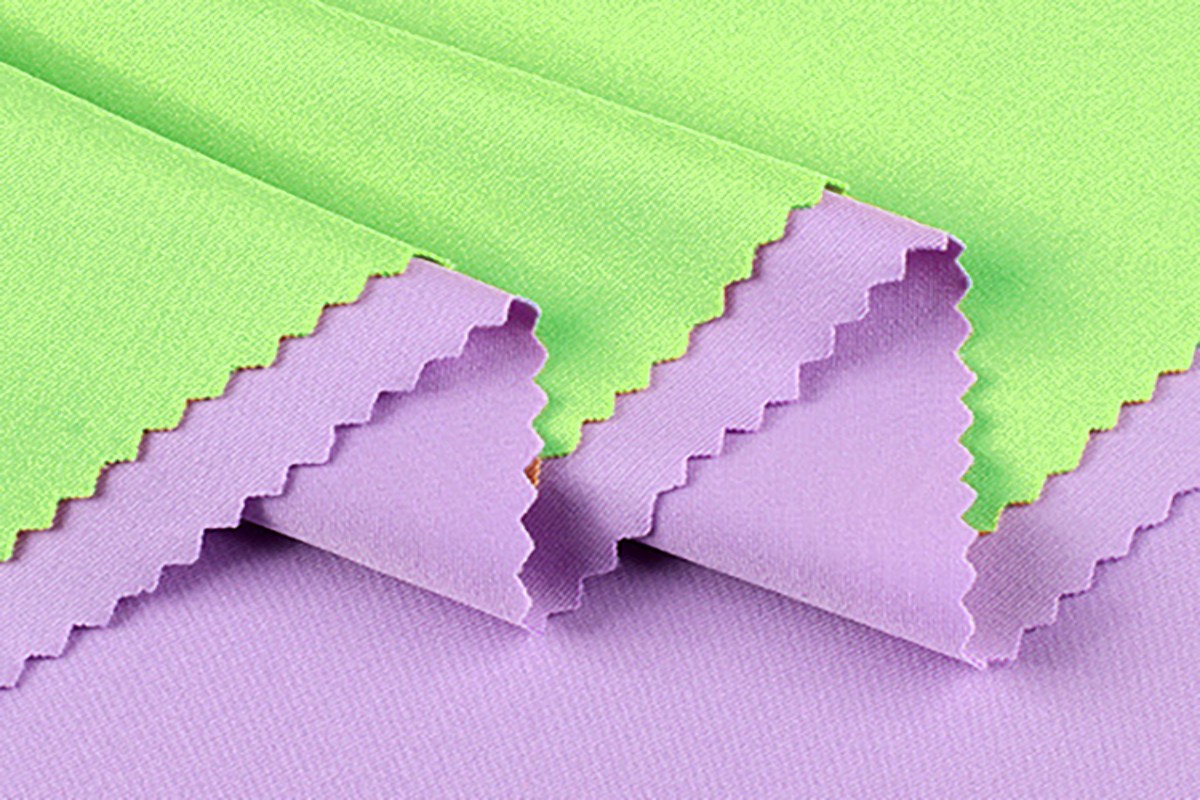
You can find sports fabric suppliers in many ways. Trade shows let you see and touch fabrics in person. You can ask questions and meet suppliers face-to-face. Online platforms like Alibaba or Global Sources help you search for suppliers from around the world. You can also ask other brands or industry contacts for referrals. Trusted referrals often lead to reliable partners.
Tip: Make a list of possible suppliers from different sources. This gives you more options to compare.
Evaluate Supplier Credibility and Communication
You should check if a supplier is trustworthy. Look for reviews or ratings from other buyers. Ask for business licenses or certificates. Reliable sports fabric suppliers answer your questions quickly and clearly. Good communication helps you avoid mistakes and delays.
| What to Check | Why It Matters |
|---|---|
| Business License | Shows the supplier is legal |
| Customer Reviews | Shares real buyer experiences |
| Response Time | Shows if they value your time |
Request and Test Fabric Samples for Quality and Performance
Always ask for fabric samples before you place a big order. Test the samples for stretch, color, and feel. Wash the fabric to see if it keeps its shape and color. You can also check if the fabric meets your brand’s needs, like moisture-wicking or UV protection. Testing helps you avoid problems later.
Note: Keep a record of your test results. This helps you compare different sports fabric suppliers.
Review Business Terms, MOQs, and Flexibility
You need to understand each supplier’s business terms. Minimum order quantities (MOQs) tell you the smallest amount you can buy. Some sports fabric suppliers offer low MOQs, which helps small brands. Others may only work with large orders. Check payment terms, delivery times, and return policies. Flexible suppliers make it easier to grow your brand.
- Ask about:
- Payment options
- Lead times
- Return and exchange policies
Negotiate Agreements and Plan for Ongoing Quality Control
You should negotiate clear agreements with your chosen supplier. Write down all terms, including prices, delivery dates, and quality standards. Good sports fabric suppliers agree to regular quality checks. You can set up inspections before shipping. Ongoing quality control protects your brand from defects.
Alert: Never skip quality checks. Regular inspections help you catch problems early and keep your customers happy.
You protect your brand’s reputation when you choose sports fabric suppliers carefully. Test fabrics, ask questions, and build strong partnerships. Clear communication and regular checks help you avoid problems. When you work with reliable sports fabric suppliers, your brand can grow and succeed.
FAQ
How do you know if a sports fabric supplier is reliable?
You can check reviews, ask for business licenses, and test samples. Reliable suppliers answer questions quickly and provide clear information.
What certifications should you look for in sports fabrics?
Look for OEKO-TEX® or GRS certifications. These show the fabric meets safety and environmental standards.
Why should you test fabric samples before ordering?
Testing samples helps you check quality, color, and performance. You avoid surprises and make sure the fabric fits your brand’s needs.
Post time: Aug-15-2025