
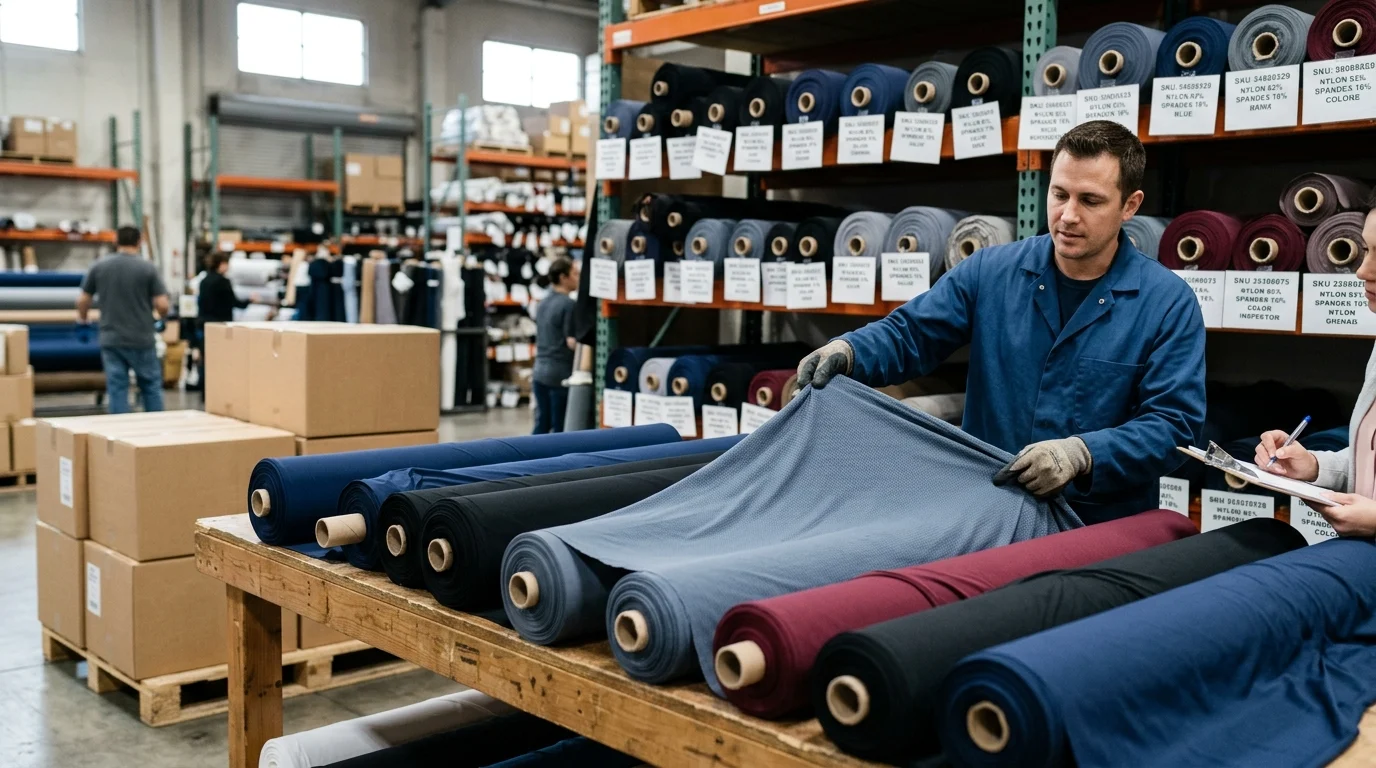
Why Nylon Spandex Fabric Suppliers Matter in B2B Sourcing
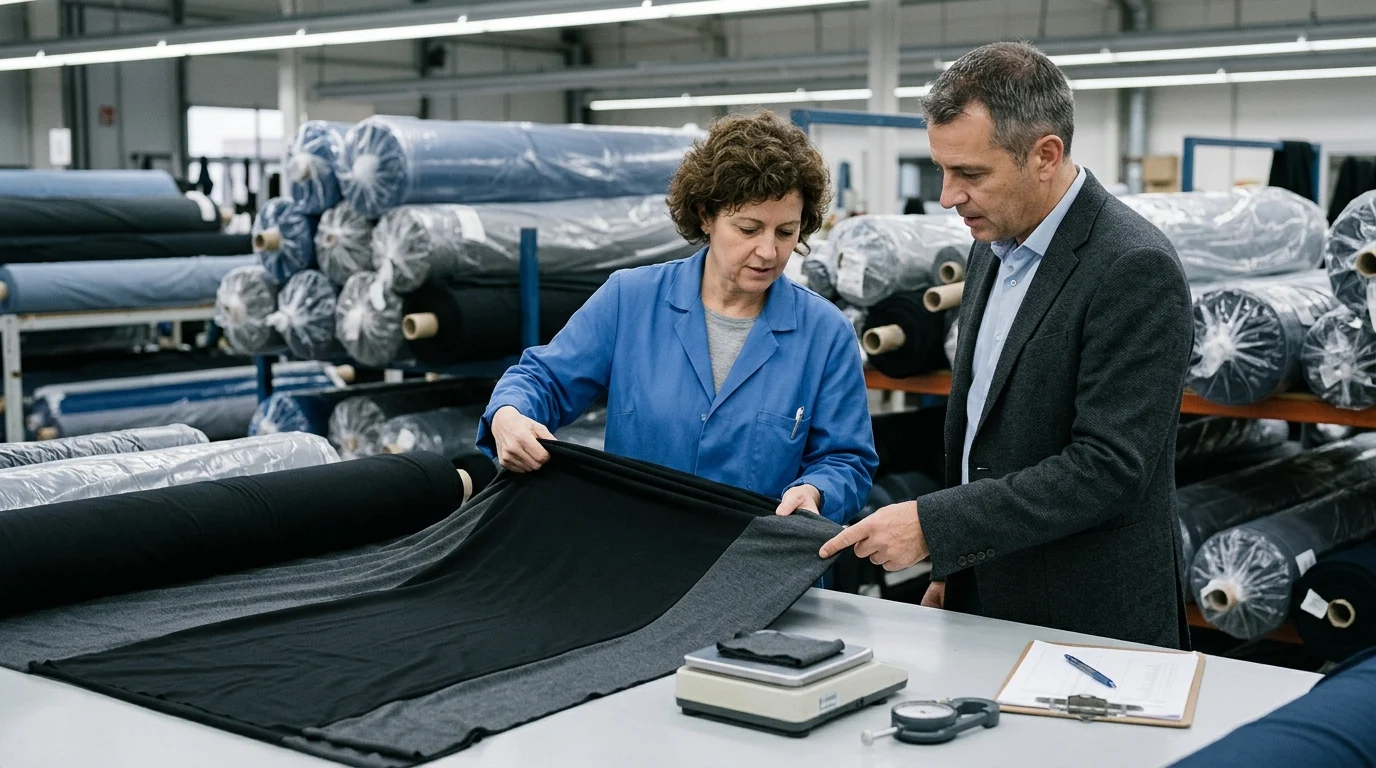
Nylon spandex, frequently referred to as polyamide elastane, is a foundational raw material for the activewear, swimwear, and intimate apparel sectors. For B2B procurement teams, evaluating and securing reliable nylon spandex fabric suppliers is a high-stakes strategic exercise. The inherent complexities of knitting and finishing stretch fabrics mean that mill capabilities directly dictate the structural integrity and performance of the final garment.
Unlike rigid woven textiles, stretch fabrics require precise heat-setting, specialized dyeing processes, and strict tension control. Partnering with substandard nylon spandex fabric suppliers can lead to catastrophic downstream manufacturing failures, including elastane degradation, severe curling, or unacceptable color bleeding. Therefore, wholesale buyers and importers must treat supplier selection as a critical risk management function.
Impact on margin, lead time, and consistency
Raw materials typically account for 50% to 65% of a garment’s total Free on Board (FOB) cost. Consequently, the pricing negotiated with nylon spandex fabric suppliers heavily impacts gross margins. Furthermore, a supplier’s ability to adhere to strict lead times—often 30 to 45 days for dyed synthetics—dictates a brand’s speed-to-market. Consistency across dye lots is equally vital; variations in stretch modulus or shade between batches can render entire production runs unsellable, resulting in severe financial losses.
Role in wholesale, private label, and contract manufacturing
Different B2B business models demand different supplier relationships. Wholesale fabric distributors require suppliers capable of producing massive volumes of greige goods with rapid turnaround times for domestic dyeing. Conversely, private label brands and contract manufacturers rely on vertical mills that offer comprehensive services, including custom knitting, in-house lab dipping, and advanced performance finishes. Understanding the specific operational role the fabric mill will play is essential for aligning supplier capabilities with business objectives.
Common procurement risks by region and price tier
Sourcing geography introduces distinct risk profiles. Asian suppliers, particularly in China and Taiwan, offer massive scale, advanced technical capabilities, and competitive pricing, but expose buyers to extended transit times and geopolitical tariff risks. Sourcing from the Americas (such as the CAFTA-DR region) provides shorter lead times and duty-free advantages for US importers, but often at a higher price tier. Procuring from the lowest price tiers universally increases the risk of receiving fabrics with poor stretch recovery, inconsistent GSM (grams per square meter), and high defect rates.
Buyer Requirements to Define Before Supplier Comparison
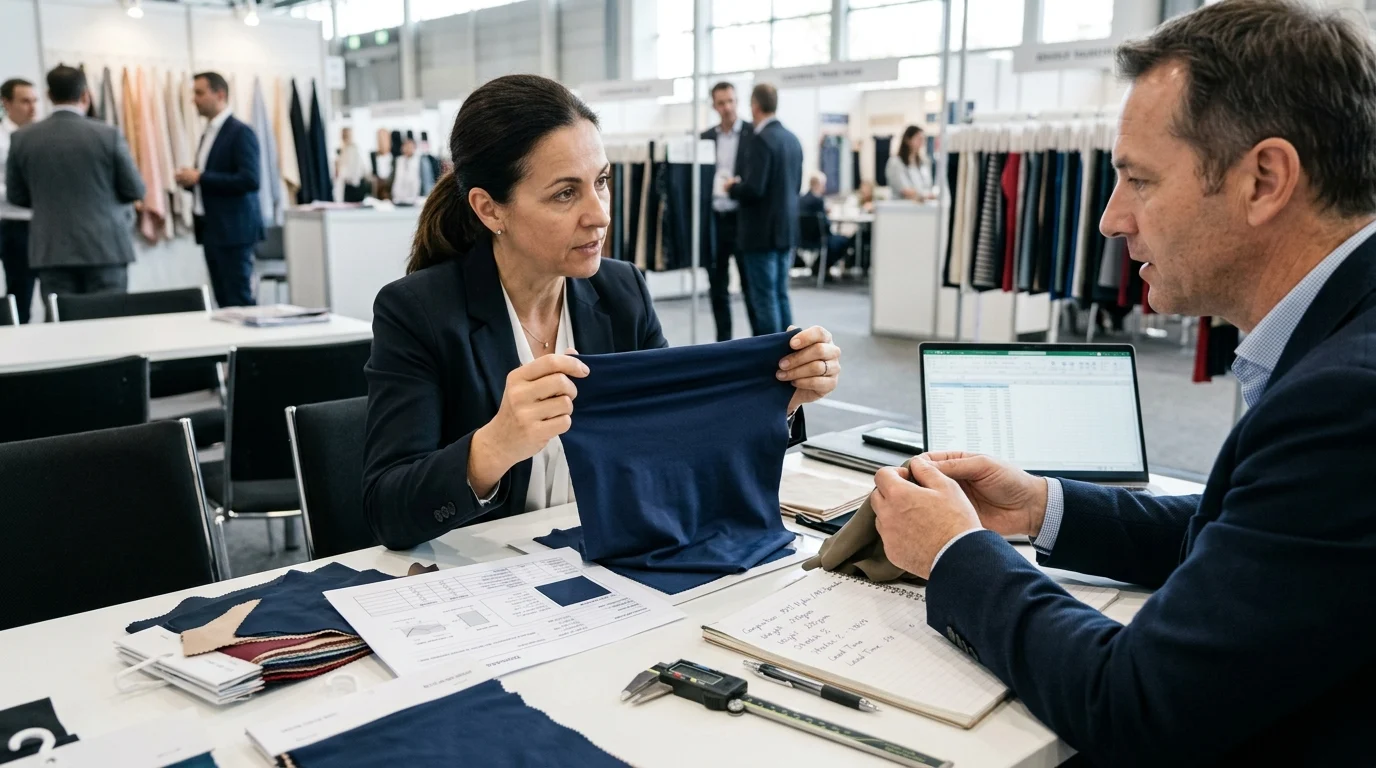
Before initiating a Request for Quotation (RFQ) with prospective nylon spandex fabric suppliers, procurement teams must rigorously define their internal technical and commercial requirements. Approaching the market without a standardized fabric tech pack leads to inconsistent quotations, making accurate supplier comparison impossible.
A well-defined requirement profile serves as the baseline for supplier qualification. It communicates exactly what the buyer expects in terms of physical performance, regulatory compliance, and financial parameters. This preparation phase eliminates unqualified mills early in the sourcing process and ensures that subsequent negotiations are based on precise, apples-to-apples metrics.
Fabric specs: blend, knit, GSM, width, stretch, recovery
Technical specifications must be granular. Buyers need to specify the exact blend ratio (e.g., 75% Nylon 6.6 / 25% Spandex), the knit structure (warp knit tricot vs. circular knit), and the target GSM with an acceptable tolerance (e.g., 220 GSM ± 5%). Cuttable width, stretch percentage (both warp and weft), and the critical recovery rate (the fabric’s ability to return to its original shape) must be explicitly stated to ensure the fabric performs correctly during garment assembly.
End-use requirements by product category
The specific end-use dictates the necessary chemical finishes and performance thresholds. Swimwear applications require high chlorine resistance, UV protection, and colorfastness to seawater. Activewear demands moisture-wicking properties, breathability, and high opacity (squat-proof performance). Intimate apparel prioritizes ultra-fine denier yarns for exceptional softness against the skin. Communicating the end-use allows suppliers to engineer the fabric accordingly.
Commercial inputs: target cost, MOQ, color standards, testing
Procurement must establish hard commercial boundaries. This includes defining the target cost per yard or kilogram, acceptable Minimum Order Quantities (MOQ), and Minimum Color Quantities (MCQ). Buyers must also stipulate the color matching standards (e.g., Pantone TCX) and the specific third-party testing protocols (such as AATCC or ISO methods) the fabric must pass before bulk shipment approval.
How to Compare Suppliers on Technical and Commercial Criteria
Once requirements are established, B2B buyers must utilize a structured evaluation framework to assess potential nylon spandex fabric suppliers. This involves moving beyond initial price quotes to analyze the holistic value proposition of each mill. A comprehensive evaluation weighs technical manufacturing prowess against commercial flexibility and supply chain reliability.
Procurement managers should request sample yardage, commonly known as “hangers” or “headers,” alongside full testing reports from short-listed mills. By systematically evaluating these physical samples and the accompanying commercial terms, buyers can objectively rank suppliers and identify the most capable partners for long-term production.
Technical metrics: denier, opacity, handfeel, colorfastness, durability
Technical evaluation requires laboratory and physical assessment. Buyers must verify the yarn denier to ensure it meets weight and durability expectations. Opacity is tested under tension to prevent sheer-out in athletic wear. Handfeel is evaluated for softness and drape. Colorfastness to washing, crocking (rubbing), and perspiration must meet strict industry grades (typically Grade 4 or higher). Durability is assessed through pilling resistance and burst strength tests.
Commercial terms: MOQ, sampling, pricing, payment, development support
Commercial viability often dictates the final supplier choice. Buyers must compare the MOQs and upcharges for sub-minimum dye lots. Sampling lead times and costs for custom lab dips are critical for development timelines. Pricing structures should be analyzed alongside payment terms (e.g., 30% deposit / 70% against Bill of Lading vs. Letter of Credit). Additionally, a supplier’s willingness to support R&D and custom fabric development adds significant long-term value.
Supplier scorecard: capacity, defect rate, lead time, landed cost
Implementing a standardized scorecard allows procurement teams to quantify supplier performance. Below is an example of a weighted B2B evaluation matrix for fabric mills:
| Evaluation Criteria | Weight | Supplier A (Taiwan) | Supplier B (Vietnam) | Supplier C (Mexico) |
|---|---|---|---|---|
| Monthly Capacity (Tons) | 15% | 500 | 800 | 200 |
| Historical Defect Rate | 25% | < 2% | 4% | < 1% |
| Average Lead Time (Days) | 20% | 35 | 45 | 21 |
| Est. Landed Cost ($/kg) | 40% | $8.50 | $7.90 | $10.20 |
Quality Control and Compliance Verification
Quality control (QC) in stretch synthetics is notoriously difficult. Nylon spandex blends are highly sensitive to heat and tension; improper handling during the dyeing and finishing stages can result in permanent structural damage to the elastane fibers. Consequently, verifying the QC protocols of nylon spandex fabric suppliers is a mandatory step in the procurement workflow.
Compliance verification is equally critical. The global regulatory landscape regarding textile chemicals is tightening rapidly. B2B buyers must ensure that their fabric suppliers adhere to international environmental and safety standards to prevent costly customs seizures or brand-damaging product recalls in their target markets.
QA checkpoints: lab dips, shade approval, stretch recovery, batch consistency
A robust QA process involves multiple approval gates. It begins with lab dip approvals for shade matching under specific light sources (e.g., D65). Pre-production samples are then tested for stretch recovery and shrinkage. During bulk production, buyers should require inline inspections to monitor batch-to-batch consistency, ensuring that the first roll of fabric matches the last roll in both shade and physical performance.
Compliance review: chemicals, traceability, test reports, market requirements
Suppliers must provide valid certifications for chemical compliance. Certifications like OEKO-TEX Standard 100 or bluesign® verify the absence of harmful substances. With increasing legislation around Per- and Polyfluoroalkyl Substances (PFAS), buyers must demand PFAS-free declarations for water-repellent finishes. Traceability documentation is also essential to comply with import regulations like the US Uyghur Forced Labor Prevention Act (UFLPA).
Factory audit focus: process control, subcontracting, inspection, corrective actions
On-site or third-party factory audits should focus heavily on process control. Auditors must inspect the stenter frames (heat-setting machinery) for precise temperature calibration, as overheating destroys spandex. The audit should also uncover any unauthorized subcontracting of dyeing processes, evaluate the mill’s internal 4-point inspection system, and review their Corrective and Preventive Action (CAPA) protocols for handling defects.
Sourcing and Negotiation Best Practices
Strategic sourcing of stretch fabrics requires a systematic approach to mitigate risk and build resilient supply chains. Procurement teams cannot simply issue purchase orders based on a successful sample; they must guide nylon spandex fabric suppliers through a phased onboarding process that validates their ability to execute bulk production reliably.
Negotiation in this category should extend far beyond the base price per yard. Experienced B2B buyers focus on securing favorable terms regarding defect allowances, liability for delayed shipments, and flexibility in capacity reservation. Establishing these parameters upfront prevents costly disputes once production is underway.
Sourcing workflow: RFQ, samples, pilot order, bulk approval, onboarding
The optimal sourcing workflow is highly structured. It begins with a detailed RFQ, followed by the evaluation of hanger samples and lab test reports. Qualified suppliers are then awarded a pilot order (typically 1-2 rolls) to test their production and logistics capabilities. Only upon successful delivery and testing of the pilot order should the supplier be fully onboarded and approved for bulk production volumes.
Negotiation priorities: MOQ, dye lots, capacity, claims, delivery terms
Key negotiation levers include minimizing MCQs to allow for broader color assortments without incurring massive inventory costs. Buyers should negotiate strict dye lot tolerances and secure guaranteed monthly capacity allocations during peak seasons. Furthermore, the contract must clearly define the claims process for defective yardage, specifying who bears the cost of airfreight if replacement fabric is required to meet garment production deadlines.
Single-source vs dual-source vs regional mix
Relying on a single fabric mill creates a critical single point of failure. Best practice dictates a dual-sourcing strategy for core, high-volume fabrics, often splitting volume 70/30 between a primary and secondary supplier. Additionally, maintaining a regional mix—such as balancing a high-volume Asian supplier with a nearshore supplier—provides agility to navigate supply chain disruptions, freight spikes, or sudden tariff changes.
Logistics, Packaging, and Trade Terms to Confirm
The physical transportation of nylon spandex fabric requires specialized handling. Because the fabric is heavy and highly susceptible to stretching and edge curling, improper packaging by suppliers can ruin the material before it even reaches the garment factory. Procurement must dictate strict packaging standards to preserve fabric integrity during transit.
Furthermore, defining the correct trade terms (Incoterms) and understanding the total landed cost is essential for accurate financial planning. Sourcing teams must map out the entire logistics journey to identify hidden costs and assign liability appropriately between the buyer, the supplier, and the freight forwarders.
Packaging standards: roll length, labeling, protection, palletization
Nylon spandex must be rolled on heavy-duty, hard paper tubes to prevent the fabric from collapsing and wrinkling under its own weight. Roll lengths should be standardized (e.g., 50 or 100 yards) to optimize garment cutting efficiency. Rolls must be wrapped in double polybags to prevent moisture damage during ocean transit and clearly labeled with the dye lot, GSM, and gross/net weight. Palletization must be utilized for LCL (Less than Container Load) shipments to prevent crushing.
Trade terms and shipping options: EXW, FOB, CIF, consolidation, documents
Buyers must clearly establish Incoterms, with FOB (Free on Board) being the most common, placing the burden of local transport and export clearance on the supplier. For smaller buyers, CIF (Cost, Insurance, and Freight) might be negotiated. Buyers utilizing multiple mills in the same region should arrange buyer’s consolidation (CY/CFS) to optimize container space. Accurate documentation, including the Commercial Invoice, Packing List, and Certificate of Origin, is mandatory for smooth customs clearance.
Landed cost factors: freight, duty, inspection fees, damage claims
The quoted fabric price is only a fraction of the total expense. Procurement must calculate the true landed cost to make accurate supplier comparisons.
| Cost Component | Description | Estimated Impact on Total Cost |
|---|---|---|
| FOB Price | Base cost of the fabric from the mill. | 70% – 80% |
| Ocean/Air Freight | Transportation costs from port of origin to destination. | 5% – 15% |
| Import Duties | Tariffs based on HS codes and trade agreements. | 10% – 32% (varies by region) |
| Ancillary Fees | Third-party QC inspections, customs brokerage, insurance. | 2% – 5% |
FAQ on Nylon Spandex Fabric Suppliers
B2B procurement teams frequently encounter similar challenges when navigating the global textile market. Addressing common questions helps streamline the supplier qualification process and sets realistic expectations for internal stakeholders regarding lead times and minimums.
Understanding industry benchmarks empowers buyers to spot outliers—both positive and negative—when reviewing proposals from prospective nylon spandex fabric suppliers.
How many suppliers should be approved per fabric program?
For core, high-volume fabric programs, buyers should maintain at least two fully approved suppliers, operating on a primary and backup basis. For specialized, low-volume novelty fabrics, a single highly vetted supplier is generally acceptable to ensure MOQs are met, provided a contingency plan exists.
What MOQ and lead time benchmarks are realistic?
Standard industry MOQs for custom-dyed nylon spandex typically range from 300kg to 500kg per color. Lead times for bulk production generally span 30 to 45 days after the approval of lab dips, not including transit time. Suppliers offering significantly lower minimums or faster turnarounds may be utilizing stock greige or cutting corners on heat-setting processes.
What warning signs indicate poor long-term fit?
Red flags include a supplier’s reluctance to share third-party test reports, vague answers regarding their specific knitting machinery gauges, or an inability to provide consistent lab dips. Additionally, if an audit reveals that a mill outsources its dyeing and finishing entirely, buyers lose critical transparency and process control, indicating a poor fit for strict B2B compliance requirements.
Key Takeaways for Supplier Selection
Successfully securing top-tier nylon spandex fabric suppliers requires a blend of deep technical knowledge, rigorous due diligence, and strategic commercial negotiation. The stakes are too high to treat stretch fabric procurement as a simple transactional purchase; it requires building integrated supply chain partnerships.
Procurement teams must remain disciplined, utilizing data-driven frameworks to evaluate mills rather than relying solely on the lowest quoted price. Continuous auditing and relationship management are essential to maintaining quality over time.
Balance technical fit, compliance, and landed cost
A successful sourcing strategy requires a holistic view. Buyers must balance the mill’s technical ability to knit and finish complex stretch blends with strict adherence to chemical compliance standards, all while maintaining a competitive total landed cost that supports the brand’s margin targets.
Use shortlist criteria and scorecards for final selection
Subjective decision-making must be removed from the procurement process. By utilizing standardized RFQs, stringent shortlist criteria, and weighted supplier scorecards, B2B buyers can make objective, defensible sourcing decisions that align with corporate objectives.
Build reliable supplier partnerships for scale
The ultimate goal of evaluating nylon spandex fabric suppliers is to establish long-term partnerships. Suppliers who understand a buyer’s quality expectations, packaging requirements, and seasonal capacity needs become strategic assets, enabling brands and manufacturers to scale operations reliably and profitably.
Key Takeaways
- Wholesale sourcing and supply-chain implications for nylon spandex fabric suppliers
- Specifications, compliance, and commercial terms buyers should validate
- Actionable recommendations for distributors and procurement teams