
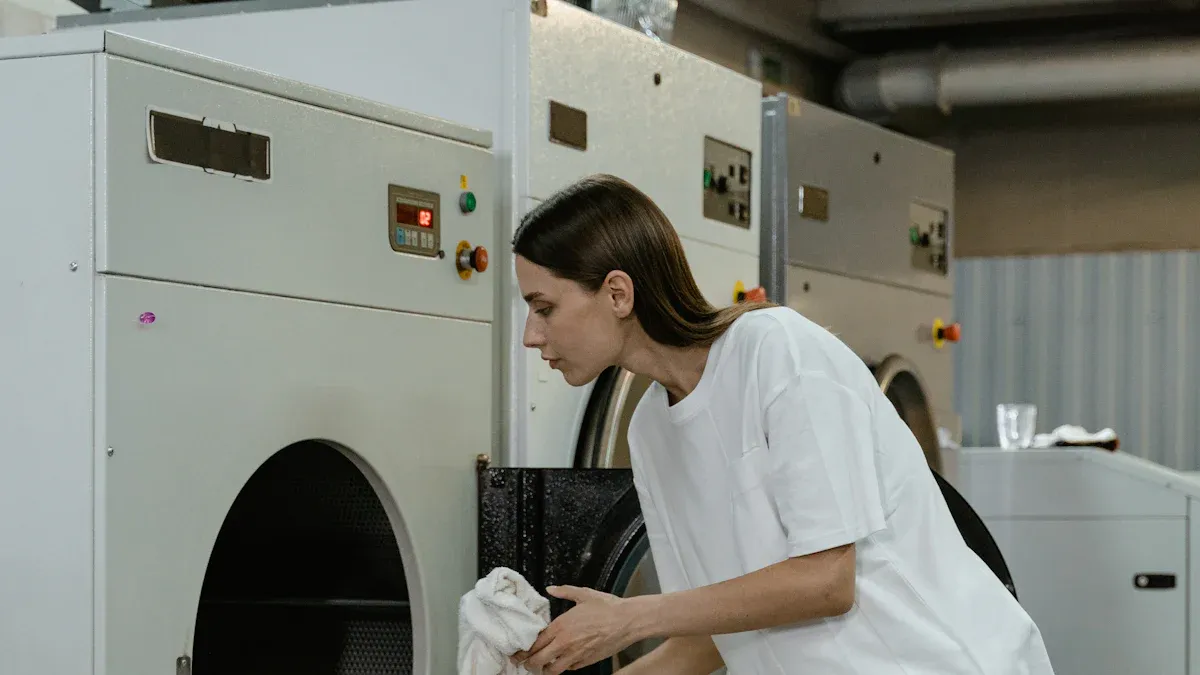
I always follow key steps to keep medical fabrics in top condition.
- I use a washing medical uniforms guide for accuracy.
- Prompt stain removal helps me maintain safety fabric for healthcare uniforms.
- Scrubs fabric maintenance tips and how to care for hospital fabrics let me extend the life of performance fabrics for scrubs.
Key Takeaways
- Handle used medical fabrics carefully and store them in sealed bags to prevent germs from spreading and keep everyone safe.
- Wash medical fabrics after every use using gentle detergents, treat stains quickly, and follow care labels to keep fabrics clean and strong.
- Store clean fabrics in a dry, cool place away from sunlight and inspect them regularly for wear to maintain hygiene and professional appearance.
Step-by-Step Care for Medical Fabrics
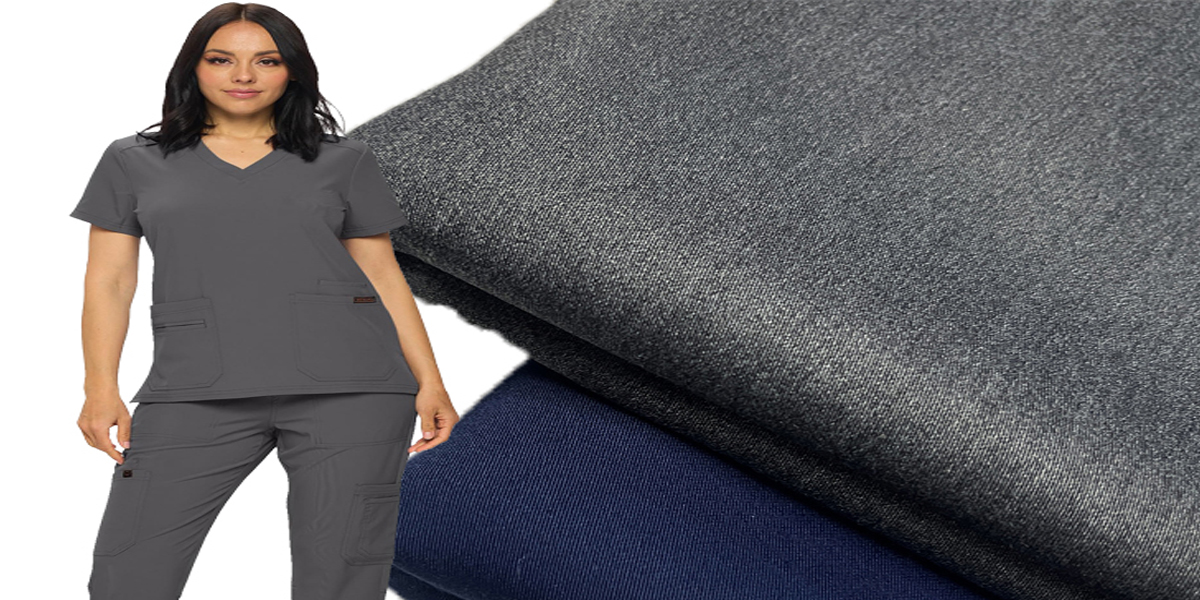
Immediate Actions After Use
When I finish using medical fabrics, I always follow strict infection control steps to keep everyone safe and extend the life of my uniforms. Here is what I do right away:
- I handle used or contaminated fabrics with as little movement as possible. This helps prevent germs from spreading into the air.
- I never sort or rinse dirty laundry where it was used. Instead, I place it directly into a strong, leak-proof bag.
- I make sure the bag is closed tightly and labeled or color-coded, so everyone knows it contains contaminated items.
- If the laundry is wet, I use a leak-resistant bag to avoid spills.
- I always wear gloves and protective clothing when handling dirty fabrics.
- I wait to sort laundry until after it has been washed, which keeps me safer from germs.
Tip: Never toss loose dirty laundry down a chute. Always use closed bags to keep everything contained.
These steps help keep the air, surfaces, and people safe from contamination and make sure medical fabrics are ready for proper cleaning.
Washing Instructions for Medical Fabrics
I wash my medical fabrics after every shift. This keeps them clean and reduces the risk of spreading germs. Here is my washing routine:
- I treat stains right away. For blood or other protein stains, I rinse with cold water and gently blot the area. I never rub, because that can push the stain deeper into the fabric.
- For tough stains like ink or iodine, I use a stain remover or a baking soda paste before washing.
- I choose a gentle, non-bleaching detergent, especially for colored scrubs. This keeps the colors bright and the fabric strong.
- I avoid heavy fabric softeners, especially on antimicrobial or fluid-resistant fabrics, because they can reduce the special properties of the material.
- I wash my medical fabrics at 60°C (about 140°F) when possible. This temperature kills most bacteria without damaging the fabric. For cotton, I can use even higher temperatures, but for polyester or blends, I stick to 60°C.
- I never overload the washing machine. This ensures every item gets cleaned properly and reduces wear and tear.
Note: I always check the care label before washing. Following the manufacturer’s instructions helps prevent shrinkage, fading, or damage.
Drying and Ironing Medical Fabrics
Drying and ironing are just as important as washing. I prefer air drying my medical fabrics when I can. Air drying is gentle and helps the fabric last longer. Machine drying can cause damage, like cracks or peeling, especially in fabrics with special coatings or conductive layers.
If I must use a dryer, I choose a low heat setting and remove the fabrics as soon as they are dry. This prevents overheating and reduces fiber damage.
When ironing, I adjust the temperature based on the fabric type:
- For polyester or polyester-cotton blends, I use a low to medium heat setting. I iron the fabric inside out and use steam or a damp cloth to remove wrinkles.
- For cotton, I use a higher heat setting with steam.
- I never leave the iron in one spot for too long, and I cover any decorations or sensitive areas with a towel.
Tip: Always test the iron on a hidden seam if you are unsure about the fabric’s heat tolerance.
Storage and Organization of Medical Fabrics
Proper storage keeps medical fabrics clean and ready for use. I always sort, package, and store clean fabrics away from dust, debris, and dirty laundry. I use a dedicated room or closet for clean linens and uniforms.
- I transport clean fabrics in special carts or containers that I clean every day with warm water and neutral detergent.
- I keep protective curtains on the carts clean to avoid contamination.
- I store fabrics in a cool, dry, and well-ventilated area, away from direct sunlight and moisture. This prevents mold, yellowing, and fabric breakdown.
- I rotate my stock so that older items get used first, which helps prevent long-term storage damage.
Note: Improper storage can cause fabrics to become brittle, faded, or moldy. Keeping storage areas clean and dry is essential for fabric longevity.
Special Considerations for Medical Fabrics
Some medical fabrics have special features, like antimicrobial or fluid-resistant coatings. These need extra care to keep their protective qualities.
| Care Consideration | What I Do |
|---|---|
| Durability | I wash and dry at recommended temperatures to avoid shrinking or damage. |
| Maintenance | I use gentle detergents and avoid harsh chemicals to keep coatings intact. |
| Abrasion Resistance | I handle and wash gently to reduce wear and tear. |
| Cleaning Method | I follow care labels and avoid aggressive cleaning that could harm fabric. |
| Cost Efficiency | I select high-quality fabrics and care for them to reduce replacement costs. |
I also pay attention to fabric certifications, like AAMI or ASTM standards. These certifications tell me how much protection the fabric offers and guide me in choosing the right care methods. For reusable fabrics, I follow professional laundering and sterilization guidelines. For disposable fabrics, I use them once and dispose of them properly.
Tip: Always separate reusable and disposable fabrics, and never wash flame-resistant or antimicrobial fabrics with regular laundry.
By following these steps, I keep my medical fabrics clean, safe, and long-lasting.
Knowing When to Replace Medical Fabrics
Signs of Wear and Tear
I check my uniforms and linens often for signs that they need replacing. I look for thinning areas, frayed seams, holes, and faded colors. These problems show that the fabric has lost its strength and may not protect me or my patients. Industry standards do not set a fixed lifespan for medical scrubs, but I find that frequent use means I usually need to replace them within a year. The quality of the material and how often I wear and wash it also matter. Polyester blends last longer than pure cotton, so I choose these when possible. I follow proper care steps like sorting, washing at the right temperature, and storing clean items in a dry place. These habits help me extend the life of my medical fabrics.
Tip: I always inspect my scrubs and linens before each shift. If I see tears or heavy wear, I set them aside for replacement.
Loss of Hygiene or Professional Appearance
I know that damaged or stained medical fabrics can put patients and staff at risk. Worn or torn items may hold bacteria, fungi, or viruses, which can lead to infections. I avoid using fabrics with stains, holes, or other damage because they may not clean well, even after washing. I also notice that stains and discoloration make me look less professional. Patients expect healthcare workers to wear clean, neat uniforms. I use color-safe stain removers and wash my scrubs separately to keep them looking fresh. I never apply perfume or lotion directly on my scrubs, since these can cause tough stains. I only wear my scrubs during work hours and store them away after my shift. These steps help me maintain a clean and professional appearance.
| Risk Factor | Impact on Hygiene and Professionalism |
|---|---|
| Stains/Discoloration | May harbor pathogens and look unprofessional |
| Tears/Holes | Can allow germs to survive and spread |
| Fading/Fraying | Reduces protection and weakens fabric |
I always follow laundry protocols and manufacturer guidelines. When my medical fabrics no longer meet hygiene or appearance standards, I replace them right away.
I keep my medical fabrics in top condition by following these steps:
- I wash scrubs after each use and treat stains quickly to prevent permanent damage.
- I store clean items in a dry place and inspect them often for wear.
- Consistent care routines help reduce infection risks and keep my uniforms professional.
FAQ
How often should I wash my medical scrubs?
I wash my scrubs after every shift. This keeps them clean and reduces the risk of spreading germs in my workplace.
Can I use bleach on colored medical fabrics?
I avoid bleach on colored fabrics. Bleach can cause fading and weaken the material.
- I use color-safe stain removers instead.
What should I do if my scrubs shrink?
| Step | Action |
|---|---|
| 1 | Check care label |
| 2 | Wash in cold water |
| 3 | Air dry next time |
I follow these steps to prevent further shrinkage.
Post time: Aug-21-2025