
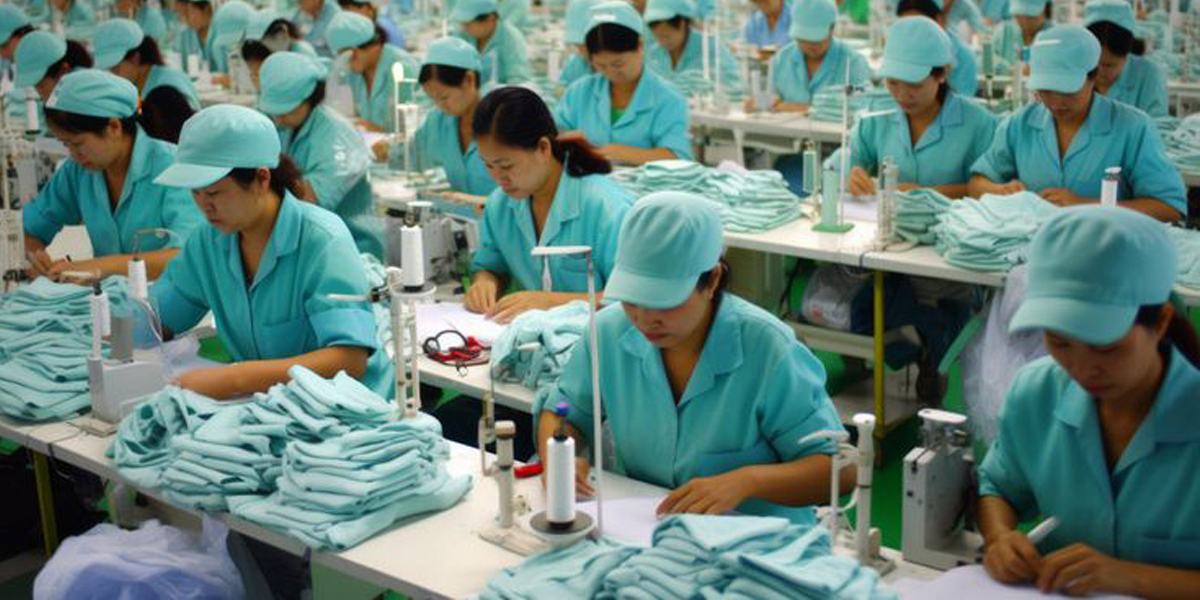
When I search for the best medical fabric supplier, I focus on three key factors: customization, customer service, and quality assurance. I ask about wholesale hospital uniform fabric and medical scrub fabric options. My healthcare fabric sourcing guide helps me choose healthcare uniform fabric that meets strict standards.
- Safety and reliability matter most.
- Consistent quality protects patients and staff.
Key Takeaways
- Choose suppliers who offer flexible customization with unique colors, antimicrobial fabrics, and clear custom order steps to meet your specific healthcare needs.
- Select suppliers with fast, clear communication and experienced support teams to ensure smooth order handling and quick problem resolution.
- Prioritize suppliers with strong quality assurance programs, including recognized certifications, thorough testing, and full traceability to guarantee safe and reliable medical fabrics.
Medical Fabric Supplier Customization Capabilities

Product Range and Flexibility
When I evaluate a Medical Fabric Supplier, I look for a wide product range and strong flexibility. Leading suppliers offer in-house dyeing plants, which help me get unique and consistent colors for hospital uniforms and scrubs. They embed antimicrobial agents into fabric fibers, letting me choose the antibacterial grade that fits my needs. Their design teams create exclusive and trendy fabric patterns tailored for healthcare settings.
Suppliers maintain large inventories with many color options and blends like polyester-rayon-spandex or bamboo fiber polyester-spandex. They run small-volume production lots, so I can order just what I need. I see them invest in new biomaterials and technologies, which helps me address changing patient needs and new medical procedures. Collaboration with academic institutions and OEMs allows suppliers to develop solutions for specific clinical requirements.
Tip: I always ask if the supplier can provide post-treatment processes like anti-pilling, water repellency, and breathability to improve fabric performance.
Custom Order Processes
I want a Medical Fabric Supplier who follows a clear custom order process. Here’s what I expect:
- Pre-production: Sourcing materials, pattern making, and sample creation.
- Production Planning: Scheduling and managing manufacturing activities.
- Cutting Process: Using advanced technology to cut fabric to my specifications.
- Manufacturing and Quality Control: Producing garments and checking quality; I can reject items that do not meet standards.
- Delivery: Shipping products after passing quality checks.
During pre-production, I work with the supplier to draft sample order terms, including product details and packaging. I stay involved at every stage or let the supplier handle everything. They document custom requirements with commercial invoices, packing lists, certificates of origin, and export licenses. This ensures my order meets all safety and health standards.
| Supplier Name | Average Response Time | On-Time Delivery Rate |
|---|---|---|
| Wuhan Niaahinn Industrial Co., Ltd. | ≤2 hours | 99.2% |
| Chengdu Yuhong Garments Co., Ltd. | ≤4 hours | 98.1% |
| Wuhan Viaoli Trading Co., Ltd. | ≤2 hours | 99.6% |
| Foshan Bestex Textile Co., Ltd. | ≤6 hours | 92.5% |
| Nanjing Xuexin Clothing Co., Ltd. | ≤3 hours | 98.3% |
| Anhui Yilong Environmental Protection Tech | ≤1 hour | 97.8% |
I notice that top suppliers respond quickly and deliver on time. For custom orders, I plan for lead times of 3 to 4 weeks for standard items and up to 12 weeks for imported fabrics.
Key Questions for Customization
When I assess a Medical Fabric Supplier’s customization capabilities, I ask:
- Can you provide exclusive fabric designs and custom colors for my healthcare uniforms?
- What performance features, such as antimicrobial or water-repellent properties, can you customize?
- How do you document and verify my custom requirements for compliance and safety?
- What is your typical turnaround time for custom orders?
- Do you offer post-treatment processes to enhance durability and comfort?
- How do you handle complex requests and ensure quality at every stage?
These questions help me confirm that the supplier can meet my specific needs and deliver reliable, high-quality medical textiles.
Medical Fabric Supplier Customer Service Quality
Responsiveness and Communication
When I choose a supplier, I expect fast and clear responses. In healthcare, every minute counts. Industry standards require phone support response times under two minutes. I look for suppliers who use advanced call routing and flexible staffing to answer calls quickly. For emails, I expect replies within one to two hours. Good suppliers confirm orders, share updates, and notify me about any changes right away. They use detailed purchase orders and keep me informed at every step. I value suppliers who offer support through phone, email, and live chat. This makes it easy for me to get help when I need it.
Tip: I always check if the supplier uses regular feedback surveys and scorecards to improve their service.
Industry Expertise and Support
I trust suppliers who have strong experience in healthcare. Their support teams often have bachelor’s degrees and at least five years of experience working with hospitals or clinics. They know how to manage complex orders and solve problems fast. I look for teams with good negotiation skills and the ability to build strong relationships with decision-makers. They should understand healthcare systems, payment models, and the latest fabric technologies. When I work with knowledgeable staff, I feel confident that my needs will be met.
Key Questions for Service Evaluation
I use these questions to judge a supplier’s customer service:
| Evaluation Aspect | Key Question | Why It Matters |
|---|---|---|
| Responsiveness | How quickly do you respond to calls and emails? | Fast replies show reliability and respect. |
| Communication | How do you keep customers updated during the order process? | Clear updates prevent confusion and delays. |
| Expertise | What experience does your support team have in healthcare? | Skilled teams solve problems more effectively. |
| Problem Resolution | How do you handle complaints or urgent issues? | Quick solutions protect my operations. |
| Feedback and Improvement | How do you collect and use customer feedback? | Feedback drives better service and quality. |
These questions help me find a Medical Fabric Supplier who values service as much as product quality.
Medical Fabric Supplier Quality Assurance Program

Certifications and Compliance
When I select a Medical Fabric Supplier, I always check their certifications. Certifications prove that suppliers follow strict safety and health standards. I look for third-party certifications that cover every stage of fabric production. The most respected certifications include:
- GOTS (Global Organic Textile Standard): This ensures at least 95% organic fibers and safe manufacturing processes.
- OEKO TEX Standard 100 and Class I: These test for harmful substances and guarantee safety, especially for baby and toddler textiles.
- OEKO TEX Made in Green Label: This confirms products are free from dangerous chemicals and made under responsible conditions.
- Bluesign System: This covers the entire supply chain and focuses on removing harmful substances from the start.
- Naturtextil Best Standard: This requires 100% certified organic fibers and checks for chemical residues.
- Global Recycled Standard (GRS): This verifies recycled content and sustainable practices.
- Responsible Down Standard (RDS) and Responsible Wool Standard (RWS): These ensure ethical treatment and traceability of animal-derived materials.
I also pay attention to regional compliance standards. Each country has its own rules for labeling, chemical safety, and product testing. For example, the European Union restricts hazardous chemicals like phthalates and heavy metals. The US Consumer Product Safety Commission sets rules for flammability and chemical limits. Australia, Canada, Japan, and other regions have their own labeling and safety requirements. I always confirm that my supplier understands and meets these local regulations.
| Region/Country | Compliance Focus and Standards |
|---|---|
| USA | Textile Fiber Products Identification Labelling Act, CPSC flammability and chemical limits |
| European Union | REACH chemical restrictions, textile labeling regulations |
| Canada | Textile Labelling Act, Floor Coverings Regulations |
| Australia | Care labeling information standard |
| Japan | Textile Goods Quality Labelling Regulation |
| Others | Local labeling and safety standards |
Note: I always ask for copies of certifications and compliance documents before placing an order.
Testing and Traceability
Testing is essential for safety and performance. I want my Medical Fabric Supplier to use strict testing protocols. These tests check for durability, chemical safety, and biological protection. Common tests include:
- Abrasion resistance (Martindale test)
- Pilling resistance
- Color fastness (ISO 105 series)
- Flammability
- Chemical safety (testing for phthalates, heavy metals, formaldehyde)
- Dimensional stability (ISO 5077)
- Antibacterial and antifungal effectiveness (ISO 20743, AATCC TM100, ASTM E2149, AATCC TM30 III, ASTM G21)
- Compression and UV protection for specialty textiles
I expect suppliers to test for harmful substances and verify biological safety. For medical fabrics, antibacterial testing must show at least 95% bacterial reduction at first and 90% after five washes. Antifungal tests should show no growth or minimal ratings. Suppliers also test for waterproofing, breathability, and other functional features.
Traceability is just as important as testing. I want to track every batch from raw material to delivery. Suppliers assign unique identifiers like barcodes, QR codes, or RFID tags to each batch. These tags follow the fabric through production, quality control, packaging, and shipping. Advanced systems like ERP and cloud-based platforms help record every step. This traceability supports quality control, makes recalls easier, and prevents counterfeiting.
Tip: I always ask how the supplier tracks batches and manages recalls. Good traceability means faster problem-solving and better safety.
Key Questions for Quality Assurance
I use a checklist to evaluate a supplier’s quality assurance program. Here are the questions I ask:
- Do you manage outsourcing in a transparent way to protect product quality?
- How do you store raw materials by batch and shade to prevent mix-ups?
- What tools do you use to verify colors of critical components?
- Do you test incoming materials for physical and chemical compliance?
- Is a pilot run conducted before full production to catch quality issues early?
- Does your quality control plan include 100% inspections for defects at key stages?
- How do you validate measurements before and after washing?
- What machinery do you use for special processes like fusing and attaching accessories?
- Do you use metal detection to ensure safety?
- How do you weigh checklist items by risk level and score compliance?
I also ask about physical and mechanical tests, weather-related tests, colorfastness, antibacterial properties, and chemical safety. I want to know if the supplier follows standards like REACH, AATCC, ASTM, and local regulations. Fiber identification and eco-textile testing are important for authenticity and environmental compliance.
Suppliers who focus on continuous improvement stand out. I look for those who use methods like PDCA, Six Sigma, Kaizen, and Lean Manufacturing. Regular audits, corrective actions, and training programs show a commitment to quality. Supplier scorecards and performance reviews help track progress and encourage better results.
Callout: A strong quality assurance program protects patients, staff, and your reputation. Always choose suppliers who invest in testing, traceability, and continuous improvement.
I choose suppliers who deliver customization, responsive service, and strong quality assurance.
- Asking targeted questions helps me confirm reliability and safety in medical textile procurement.
- Prioritizing quality and service improves patient outcomes, reduces risks, and supports long-term value for my healthcare organization.
High-quality sourcing leads to better care, lower costs, and greater staff satisfaction.
FAQ
What documents should I request from a medical fabric supplier?
I always ask for certifications, compliance reports, and test results. These documents prove the supplier meets safety and quality standards.
How do I verify a supplier’s experience with healthcare fabrics?
- I check client references.
- I review case studies.
- I ask about previous hospital projects.
What is the best way to handle urgent orders?
| Step | Action |
|---|---|
| Contact | Call the supplier |
| Confirm | Request fast-tracking |
| Track | Monitor delivery |
Post time: Aug-18-2025