
How to Source Stretch Nylon Spandex Printed Fabric for B2B Buyers
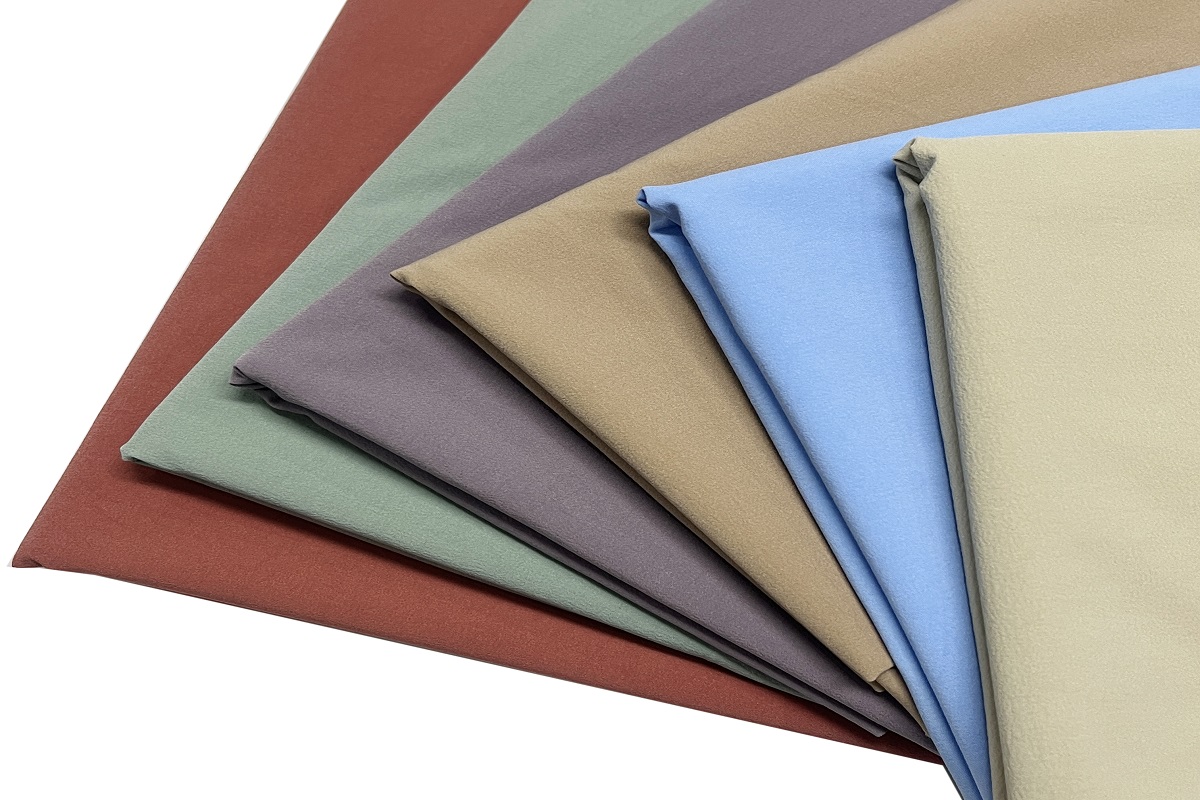
Strategic Importance for B2B Buyers
Procuring stretch nylon spandex printed fabric is a critical supply chain function for modern apparel manufacturers. Unlike polyester, nylon (polyamide) offers a softer handfeel, higher abrasion resistance, and superior moisture management, making it a premium synthetic textile. For B2B buyers, securing a reliable pipeline of this material is essential to maintain brand positioning in competitive markets.
Buyers must navigate fluctuating raw material costs—particularly caprolactam (the precursor to nylon 6)—while balancing complex printing requirements. Because printing on nylon requires specialized acid dyes or specific transfer technologies rather than standard disperse dye sublimation, the qualified supplier pool is constrained. Consequently, strategic sourcing directly impacts a brand’s ability to deliver high-performance, aesthetically unique garments on schedule.
Commercial applications across activewear, swimwear, dancewear, intimates, and performance apparel
Stretch nylon spandex is the foundational substrate for multiple high-growth apparel categories. In activewear, its high modulus of elasticity and moisture-wicking properties provide essential compression and comfort. For swimwear, the fabric’s smooth surface and structural integrity resist environmental degradation when properly treated. Dancewear and intimates rely on the fabric’s exceptional drape, 4-way stretch, and next-to-skin softness, which lower-cost polyester blends cannot easily replicate.
Impact on product differentiation, margins, and replenishment speed
Custom printed nylon spandex allows brands to differentiate themselves through proprietary patterns and engineered prints. Because nylon commands a higher retail price point, sourcing high-quality printed yardage at competitive wholesale rates directly expands gross margins. Furthermore, an agile supply chain with trusted mills enables rapid mid-season replenishment of bestselling prints, capturing maximum revenue before trends shift.
Procurement priorities: target market, print requirements, lead time, and landed cost
Procurement teams must align sourcing strategies with their target demographic. High-end markets demand flawless print execution, high opacity, and luxury handfeel, whereas mass-market buyers prioritize aggressive pricing and volume scalability. Balancing complex print requirements—like high-resolution digital acid printing—with acceptable lead times and optimized total landed costs are the core priorities governing the sourcing lifecycle.
Wholesale Specifications
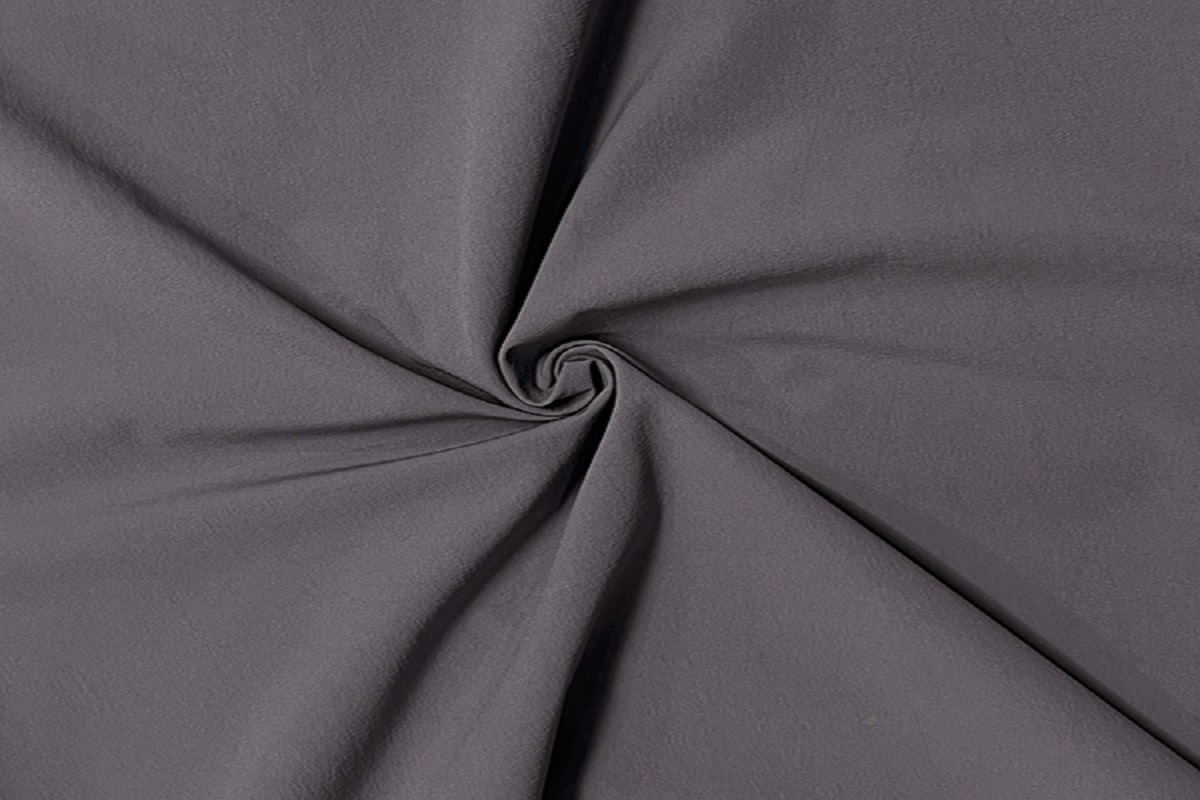
Defining exacting wholesale specifications is the backbone of a viable purchase order. Ambiguity in technical requirements inevitably leads to bulk production failures, shade banding, or performance deficits. Buyers must construct comprehensive tech packs detailing every physical and chemical property of the fabric before soliciting quotations.
Because nylon and spandex behave differently under heat and tension during printing and finishing, buyers must account for shrinkage and width variations. Establishing clear tolerances for these metrics ensures pattern markers can be optimized during the cut-and-sew phase, minimizing fabric yield loss.
Composition ranges, stretch types, and knit constructions
Standard compositions range from 70% to 85% nylon and 15% to 30% spandex, depending on required compression. Warp knit constructions, such as tricot, are favored for swimwear and activewear due to their run-resistant properties and smooth surface. Weft knits (circular knits) offer softer stretch and are often utilized in intimates. Buyers must specify whether they require 2-way or true 4-way stretch to match the garment’s end-use.
Key parameters: GSM, width, recovery, opacity, handfeel, and colorfastness
Critical parameters must be explicitly stated in the supplier contract. The table below outlines standard wholesale specifications for premium activewear applications:
| Specification | Typical Range / Requirement | Testing Standard |
|---|---|---|
| Weight (GSM) | 180 – 250 g/m² (± 5%) | ASTM D3776 |
| Cuttable Width | 58/60 inches | ASTM D3774 |
| Stretch Recovery | > 95% recovery after 1 minute | ASTM D3107 |
| Colorfastness (Wash) | Grade 4.0 minimum | AATCC 61 |
| Opacity | 100% (Squat-proof finish) | Visual / Spectrophotometer |
Print methods: sublimation, digital, screen, and transfer printing
Printing on nylon is technically demanding. Standard sublimation (disperse dye) is generally incompatible with nylon. Therefore, buyers must specify digital acid printing for intricate, multi-color designs, which requires complex steaming and washing to fix the dye. Alternatively, wet screen printing is highly cost-effective for large-volume orders with limited colorways. Specialized transfer printing can also be utilized, provided the supplier uses nylon-compatible inks and adhesives.
Supplier Evaluation
Selecting the right mill requires rigorous due diligence beyond standard directory listings. A supplier’s ability to consistently output high-quality printed nylon spandex depends heavily on vertical integration. Mills managing both knitting and printing in-house generally offer better quality control and tighter lead times than those outsourcing the printing phase.
Buyers must assess the financial stability and technical infrastructure of potential partners, including dyehouse machinery, water treatment facilities, and internal laboratory capabilities. A supplier with robust internal testing can preemptively identify fastness or shrinkage issues before fabric is loaded into export containers.
Factory capability, print consistency, development support, and quality control
Evaluating a factory involves auditing machinery—such as Karl Mayer warp knitting machines or MS Printing digital setups. Print consistency across massive yardages requires advanced color profiling and automated tension control during finishing. Top-tier suppliers also provide dedicated R&D support to translate digital artwork into production-ready strike-offs, backed by strict internal quality control protocols.
Stock lots vs custom production: MOQ, cost, lead time, and flexibility
Buyers must weigh stock lots against custom production. Stock lots offer immediate availability and low Minimum Order Quantities (MOQs), but carry severe risks regarding continuity, chemical compliance, and print exclusivity. Custom production requires higher MOQs (typically 500–1,000 meters per print) and longer lead times (30–45 days), but guarantees consistent specifications, exact color matching, and design flexibility.
Sampling, strike-off approval, shade variation, and repeat-order reliability
The sampling phase is critical for risk mitigation. Buyers must mandate physical strike-offs (S/O) for print approval, checking resolution, color accuracy (Delta E tolerances), and dye penetration. Establishing acceptable shade variation parameters between production batches is vital for repeat-order reliability, ensuring garments produced in Q1 match those replenished in Q3.
Commercial Terms and Costing
Negotiating commercial terms requires a deep understanding of raw material economics and printing costs. Nylon commands a premium over polyester, and specialized acid printing further elevates the per-meter price. Procurement teams must structure contracts that protect margins while providing the supplier enough financial security to procure high-grade greige goods.
Beyond the base fabric price, buyers must account for hidden international trade costs. This includes screen tooling costs, digital file setup fees, and the financial impact of defective yardage. Structuring a comprehensive purchase order requires detailing every financial and logistical variable.
MOQ, price breaks, sampling fees, payment terms, and contract points
MOQs vary heavily by print method; digital prints may require only 300 meters, while rotary screen prints often demand 1,500 meters per colorway. Buyers should negotiate tiered price breaks based on volume and clarify sampling fees upfront (often refundable upon bulk order). Standard payment terms are typically a 30% TT deposit and 70% TT before shipment, or LC at sight for large programmatic buys.
Packaging, labeling, barcodes, and export carton standards
Proper packaging prevents transit damage and warehouse bottlenecks. Fabric must be rolled on heavy-duty cardboard tubes to prevent crushing and telescoping. Specifications should mandate double polybagging against moisture, alongside clear labeling with barcodes, fiber content, lot numbers, and precise yardage. Export cartons or woven sacks must meet international shipping standards to withstand multi-modal transport.
Total landed cost, defect allowance, and margin impact
The FOB price is only a fraction of the total landed cost. Buyers must model freight rates, import duties (which vary significantly by HS code for synthetic knits), and customs clearance fees. Contracts should stipulate a standard defect allowance (typically 3% to 5% under the Four-Point System); any yardage exceeding this rate must trigger a chargeback or replacement to protect gross margins.
Compliance and Quality Risk Control
In the B2B textile trade, compliance and quality control are mandatory shields against liability and brand damage. Stretch nylon spandex used in performance and intimate apparel sits directly against the skin, making chemical safety a paramount concern. Furthermore, rigorous end-use environments—such as chlorinated pools or intense sunlight—demand exceptional physical durability.
Procurement teams must enforce strict testing protocols, utilizing third-party laboratories to verify supplier claims. Relying solely on a factory’s internal test reports exposes the buyer to significant risk, particularly regarding restricted substances and colorfastness failures.
Testing: stretch recovery, pilling, crocking, chlorine resistance, UV, and wash durability
Mandatory physical testing includes ASTM standards for stretch recovery and modulus, ensuring the fabric does not bag out after wear. Colorfastness to crocking (wet and dry), washing, and perspiration is critical. For swimwear, resistance to chlorinated pool water (AATCC 162) and UV protection (UPF 50+ verification) are non-negotiable parameters that must be validated prior to bulk shipment.
Chemical and market compliance: restricted substances, REACH, CPSIA, and buyer standards
Suppliers must adhere to international chemical regulations. For the European market, REACH compliance regarding Substances of Very High Concern (SVHCs) is legally required. In the US, CPSIA standards apply, particularly concerning lead and phthalates in printing inks. Buyers should prioritize mills holding OEKO-TEX Standard 100 certifications, ensuring fabric is free from harmful levels of restricted substances.
Inspection plans, AQL, and shipment documentation
Quality control culminates in the pre-shipment inspection. Buyers should mandate the widely accepted Four-Point System for grading fabric rolls, penalizing slubs, misprints, and holes. An Acceptable Quality Limit (AQL) inspection must be passed before the release of final payment. Required shipment documentation includes commercial invoices, packing lists, certificates of origin, and comprehensive third-party lab testing reports.
Logistics and Supply Continuity
Moving dense, heavy rolls of synthetic fabric globally requires precise logistical orchestration. Stretch nylon spandex is susceptible to environmental damage during transit, particularly from humidity in sea freight containers. Logistics delays directly impact garment manufacturing schedules, leading to missed delivery windows and canceled retail orders.
To maintain a competitive edge, buyers must build resilient supply chains capable of withstanding localized disruptions. This involves strategic forecasting, securing raw material allocations in advance, and managing freight dimensional weight to optimize shipping costs.
Lead time planning from artwork approval to bulk production and shipment
A standard critical path requires meticulous planning. Artwork approval and strike-off generation typically take 10–15 days. Once approved, knitting the greige and executing the bulk print requires 20–30 days. Adding sea freight transit (20–40 days depending on routing) means buyers must initiate orders 70–90 days prior to the required garment factory in-house date.
Freight factors: roll dimensions, volumetric weight, moisture protection, and documents
Spandex-heavy knits are dense, meaning shipments often max out weight limits before cubing out a container. Buyers must calculate volumetric weight versus actual weight to optimize freight forwarding costs. Mandating desiccant packets inside polybags and containers is essential to prevent mold and mildew during transit. Accurate documentation ensures smooth customs clearance, avoiding costly demurrage fees.
Chart: Typical 40HQ Container Load Breakdown (Text Summary)
- Total Capacity: ~68 CBM / 26,000 KG
- Average Roll Weight: 20-25 KG (for 200 GSM nylon spandex at 60″ width)
- Estimated Yardage: 40,000 to 50,000 meters per 40HQ, depending on roll diameter and packing efficiency.
Reorder continuity, greige reservation, safety stock, and multi-supplier sourcing
To guarantee supply continuity for core programs, buyers should negotiate greige reservation agreements, allowing the mill to knit the base fabric in advance and print on demand. Maintaining safety stock of popular base fabrics reduces lead times by up to 15 days. Finally, implementing a multi-supplier sourcing strategy mitigates the risk of factory shutdowns, ensuring an uninterrupted material flow.
Buyer FAQ
Procurement professionals frequently encounter specific challenges when sourcing this specialized category. Addressing these common inquiries helps streamline the negotiation and specification process, ensuring both buyer and supplier align on technical and commercial expectations.
Understanding the nuances of printing on elastomeric synthetic blends prevents costly assumptions that often carry over from sourcing standard woven cottons or basic polyesters.
Typical MOQ for custom orders
For digital acid printing on nylon spandex, MOQs are relatively low, typically ranging from 300 to 500 meters per design. However, traditional wet screen printing requires higher minimums, generally between 1,000 and 3,000 meters per colorway, due to the extensive setup involved in screen engraving and color mixing.
Acceptable print variation from strike-off to bulk production
In B2B textile procurement, absolute perfection is impossible, but strict tolerances are required. Acceptable color variation between the strike-off and bulk production is typically measured by a spectrophotometer, with a Delta E (ΔE) reading of ≤ 1.5 for premium brands, and ≤ 2.0 for mass-market applications.
Which specifications most affect price, performance, and claim risk
The percentage of spandex is a primary price driver; a jump from 15% to 25% elastane significantly increases the per-meter cost. The chosen print method (digital vs. screen) and the application of specialized performance finishes (such as UV blocking or advanced wicking) also heavily impact both the final price and the risk of performance claims if improperly executed.
Final Sourcing Decision
The culmination of the sourcing process is final vendor selection. This decision must balance aggressive costing with the supplier’s proven ability to consistently execute complex technical specifications. A slight savings on the FOB price is quickly negated if the fabric fails stretch recovery tests or arrives with severe print defects.
Procurement teams must shift from transactional purchasing to strategic partnership building. The ideal supplier acts as an extension of the buyer’s development team, offering proactive solutions to printing challenges and providing transparent updates throughout the production lifecycle.
Shortlist suppliers by technical fit, compliance readiness, and consistency
Buyers should narrow their supplier matrix to 2–3 mills demonstrating technical proficiency in handling high-spandex nylon blends. Shortlisted factories must provide verifiable proof of OEKO-TEX or REACH compliance and show a historical track record of consistent color matching and strict adherence to physical testing parameters.
Use a checklist for specifications, terms, inspection, and logistics
Before issuing the final Purchase Order, utilize a comprehensive checklist. Verify that the tech pack includes exact GSM, width, and stretch modulus requirements. Confirm that payment terms, defect allowances, and AQL inspection standards are legally bound in the contract, and ensure all packaging and logistical routing instructions are explicitly detailed.
Choose partners that can support scalable programs
Ultimately, B2B buyers should award contracts to suppliers capable of scaling with their brand’s growth. A partner with robust financial health, access to continuous raw material supply, and the capacity to handle increased volume during peak seasonal demand is invaluable for long-term commercial success in the apparel industry.
Key Takeaways
- Wholesale sourcing and supply-chain implications for stretch nylon spandex printed fabric
- Specifications, compliance, and commercial terms buyers should validate
- Actionable recommendations for distributors and procurement teams