
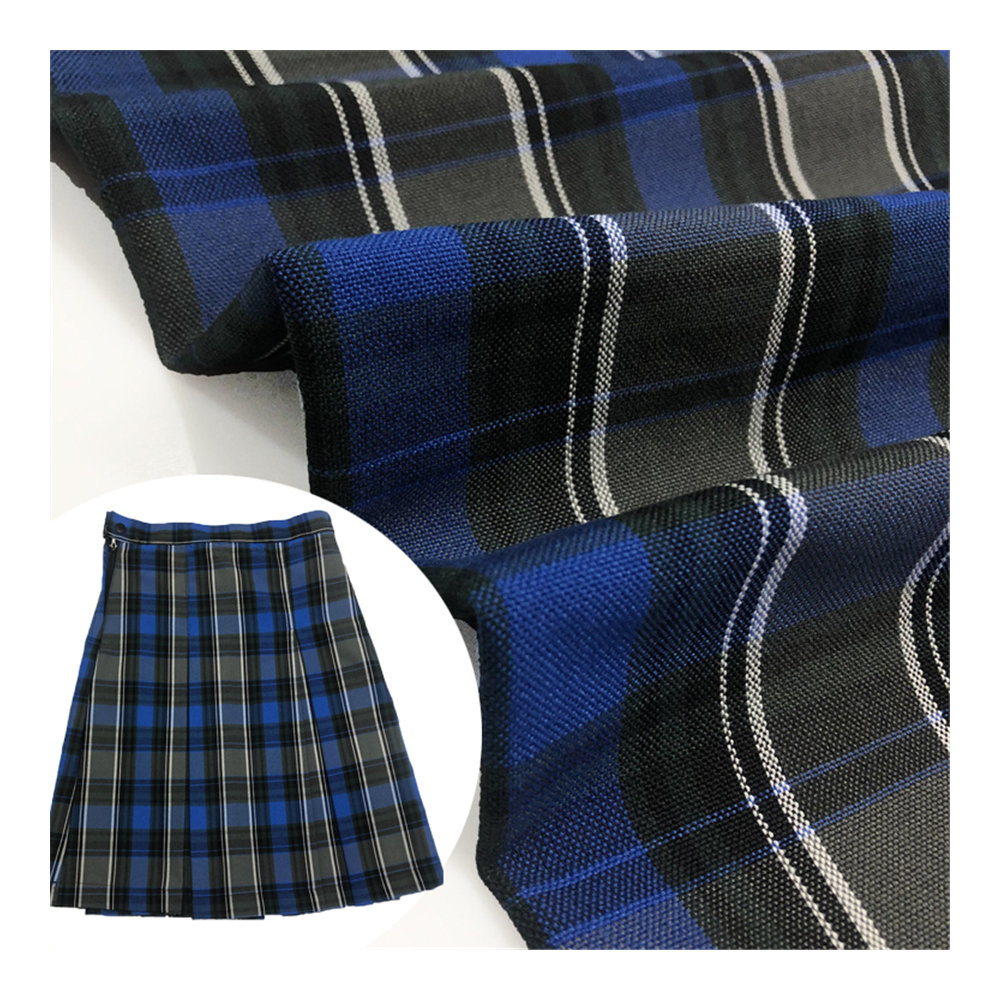
Choosing the right school uniform fabric plays a vital role in ensuring both comfort and practicality for students. I’ve seen how breathable materials, like cotton, keep students comfortable in warm climates, while durable options, such as polyester, reduce long-term costs for parents. Blended fabrics, like polyester-cotton, offer a perfect balance of comfort and longevity. For schools seeking a polished look, a wrinkle-resistant check school uniform fabric, like a custom check school uniform fabric made from yarn dyed fabric, ensures students look sharp throughout the day. Additionally, plaid school uniform fabric remains a timeless choice for style and functionality.
Key Takeaways
- Pick fabrics like cotton for hot weather. They help students stay cool and comfy during busy school days.
- Think about strength and care. Polyester fabrics don’t shrink or fade, which saves money on new uniforms later.
- Look at mixed fabrics for comfort and strength. Polyester-cotton blends are airy and tough, great for many activities.
Understanding Fabric Types

Choosing the right fabric for school uniforms requires understanding the unique properties of each material. Let me walk you through some of the most common options and their benefits.
Cotton
Cotton is a popular choice for school uniform fabric due to its natural breathability and softness. It keeps students cool and comfortable, especially in warmer climates. Cotton also absorbs moisture effectively, helping students stay dry during active school days. However, it has some limitations. Cotton tends to wrinkle easily and requires more maintenance compared to synthetic fabrics. It is also less durable, as it can shrink or fade over time.
| Aspect | Advantages | Limitations |
|---|---|---|
| Comfort | Natural breathability and soft texture | May wrinkle easily |
| Moisture-wicking | Helps absorb sweat, keeping students dry | Requires more maintenance than synthetics |
| Durability | Lightweight fibers keep students cool | Less durable than some synthetic options |
Polyester
Polyester stands out for its durability and practicality. It resists shrinking, wrinkling, and fading, making it an excellent option for long-lasting school uniforms. I’ve noticed that polyester retains its shape and color even after frequent washing, which simplifies maintenance for parents. While it may not match cotton’s comfort, its affordability and resilience make it a preferred choice for many schools.
- Durability: Polyester resists shrinking, wrinkling, and fading, ensuring uniforms look new for longer.
- Affordability: It is a cost-effective option compared to other sustainable alternatives.
- Ease of Maintenance: Polyester simplifies care by retaining its shape and color over time.
Blended Fabrics
Blended fabrics combine the strengths of different materials, offering a balance of comfort and durability. For example, polyester-cotton blends provide the breathability of cotton with the resilience of polyester. These fabrics are versatile, making them suitable for various climates and activities. They also maintain their shape well and feel softer than pure polyester, which enhances comfort for students.
| Benefit | Description |
|---|---|
| Durability | More durable than pure cotton, resisting tears and creases effectively. |
| Moisture Management | Manages moisture better than pure polyester, providing a comfortable fit. |
| Versatility | Suitable for various climates and activities, making it practical for uniforms. |
Wrinkle-Free and Stain-Resistant Fabrics
For schools aiming to maintain a polished appearance, wrinkle-free and stain-resistant fabrics are a game-changer. Iyunai Textile’s Custom Polyester Plaid fabric exemplifies this category. Its advanced wrinkle resistance ensures that garments maintain their shape and appearance throughout the day. This fabric is ideal for jumper dresses and skirts, combining durability with a neat, professional look. Additionally, its yarn-dyed design ensures vibrant colors that last, even after extensive washing. These features make it a practical and stylish choice for school uniforms.
Durability and Longevity
Fabric Strength and Resistance to Wear
When selecting school uniform fabric, I always prioritize strength and wear resistance. Uniforms endure daily activities like running, sitting, and playing, so they must withstand constant friction and tension. Fabrics like polyester excel in tensile strength, ensuring they resist tearing under stress. To evaluate durability, manufacturers often conduct tests like tensile testing, abrasion testing, and pilling testing. These tests measure how well a fabric holds up under tension, resists surface wear, and avoids forming pills.
| Test Type | Purpose |
|---|---|
| Tensile Testing | Assesses the maximum force a fabric can withstand under tension. |
| Abrasion Testing | Evaluates a fabric’s resistance to wear through methods like Wyzenbeek and Martindale testing. |
| Pilling Testing | Measures a fabric’s tendency to form pills due to wear and friction. |
These evaluations ensure that the fabric can handle the rigors of daily school life while maintaining its appearance.
Stitching and Construction Quality
The quality of stitching and construction plays a critical role in the longevity of school uniforms. I’ve noticed that reliable stitching prevents seams from unraveling and ensures garments retain their shape. High-quality uniforms often use specific sewing threads and maintain a stitch density of 14 for optimal durability. Factors like garment care, performance, and construction workmanship also influence overall quality.
- Quality dimensions include reliability, durability, and aesthetics.
- Proper sewing thread selection prevents weak seams.
- Stitch density ensures the fabric holds together under stress.
These elements combine to create uniforms that last longer and look professional.
Resistance to Fading, Shrinking, and UV Damage
Uniforms must retain their color and shape despite frequent washing and exposure to sunlight. I always recommend fabrics with high colorfastness and dimensional stability. Polyester fabrics, for instance, resist fading and shrinking better than natural fibers. Scientific studies show that yarn count, weight, and shrinkage resistance are key parameters for evaluating fabric performance.
| Parameter | Findings |
|---|---|
| Yarn Count | Evaluated as part of the fabric performance characteristics. |
| Weight | All fabrics met the standard specifications for uniform fabrics. |
| Colorfastness | Significant differences were found among the fabrics in terms of colorfastness. |
| Shrinkage | Shrinkage was one of the parameters assessed, indicating resistance to shrinking. |
| Dimensional Stability | All fabrics met the dimensional stability standards set by the Ghana Standards Authority. |
Fabrics like Iyunai Textile’s Custom Polyester Plaid offer excellent UV resistance and maintain their vibrant colors, making them ideal for school uniforms.
Comfort and Practicality

Breathability and Temperature Regulation
I always prioritize breathability when evaluating school uniform fabric. Students spend long hours in their uniforms, so fabrics must allow air to circulate and regulate body temperature effectively. Tests like air permeability, hydrophilicity, and dynamic absorption help measure these qualities. For example, air permeability assesses how easily air passes through the fabric, while hydrophilicity evaluates moisture absorption. Dynamic absorption tests how quickly the fabric absorbs moisture during movement, ensuring comfort during active school days.
| Test Type | Description |
|---|---|
| Air Permeability | Measures the ability of air to pass through fabric, indicating breathability. |
| Hydrophilicity | Evaluates how well the fabric absorbs moisture, impacting comfort. |
| Dynamic Absorption | Tests how quickly the fabric can absorb moisture during movement. |
Fabrics like cotton excel in breathability, but polyester blends often provide better moisture management, making them ideal for various climates.
Flexibility and Ease of Movement
Flexibility is essential for students who engage in physical activities throughout the day. I’ve found that fabrics like polyester-cotton blends and performance fabrics offer excellent stretch and durability. These materials allow students to move freely without feeling restricted. Performance fabrics, in particular, are designed for sports and provide superior stretch and quick-drying properties, ensuring comfort during active periods.
| Fabric Type | Benefits | Flexibility and Movement | Moisture Management | Durability |
|---|---|---|---|---|
| Cotton | Natural breathability, comfort, soft texture | Good | Excellent | Moderate |
| Polyester-Cotton | Combines softness of cotton with durability of polyester | Good | Better than cotton | High |
| Performance Fabrics | Designed for sports, excellent stretch, quick-drying | Excellent | Very good | High |
These options ensure that students can focus on their activities without discomfort or restrictions.
Skin Sensitivity and Hypoallergenic Options
Skin sensitivity is another critical factor when choosing school uniform fabric. I always recommend fabrics that minimize irritation and are hypoallergenic. Cotton remains a top choice for its soft texture and natural properties, making it gentle on sensitive skin. However, advanced polyester fabrics, like those certified by OEKO-TEX Standard 100, also ensure safety by being free from harmful substances. These fabrics combine comfort with durability, offering a practical solution for students with sensitive skin.
Maintenance and Care
Washing and Drying Guidelines
Proper washing and drying techniques extend the life of school uniforms. I always recommend checking the care label before washing. It provides specific instructions tailored to the fabric. Washing uniforms separately prevents color bleeding and protects their appearance. Using cold water minimizes shrinkage and fading, especially for vibrant colors. Pre-treating stains before washing ensures a polished look after cleaning.
Here are some additional tips I follow for effective maintenance:
- Use gentle, hypoallergenic detergents to avoid skin irritation.
- Wash uniforms as soon as possible after wearing to prevent stains from setting.
- Store clean uniforms properly to avoid mold and mildew.
Drying uniforms on padded hangers helps maintain their shape and reduces creases. This simple step eliminates the need for excessive ironing.
Stain Resistance and Easy Cleaning
Stain-resistant fabrics simplify cleaning, especially for younger students. Twill fabric, for instance, stands out for its durability and ability to hide stains. Its tight weave maintains shape and color after washing. The diagonal pattern of twill not only resists stains but also reduces wrinkling, keeping uniforms neat. I’ve found that these properties make twill an excellent choice for school uniforms.
Tips for Preserving Fabric Quality Over Time
Preserving fabric quality requires consistent care. I follow these steps to ensure uniforms last longer:
- Always check the care label for washing instructions.
- Wash uniforms in cold water to prevent shrinkage and color bleeding.
- Pre-treat stains to maintain a polished appearance.
- Hang uniforms on padded hangers to avoid creases.
- Store clean uniforms in breathable garment bags to prevent mildew.
These practices ensure uniforms remain durable, comfortable, and professional-looking throughout the school year.
Cost and Affordability
Balancing Quality with Budget
Balancing quality with budget is a critical consideration when selecting school uniform fabric. I’ve observed that parents and schools often prioritize affordability without compromising on durability and comfort. The school uniform market reflects this trend, as manufacturers strive to create cost-effective solutions. Polyester and blended fabrics, for instance, offer a practical alternative to pricier natural options like organic cotton. These materials provide durability and ease of maintenance, making them ideal for families seeking value for money.
Economic challenges also influence purchasing decisions, especially in lower-income regions. By choosing fabrics that combine quality with affordability, schools can ensure that uniforms remain accessible to all students. This balance not only supports families but also helps schools maintain a consistent and professional appearance.
Long-Term Cost Savings from Durable Fabrics
Investing in high-quality fabrics can lead to significant long-term savings. I’ve found that durable materials like polyester reduce the need for frequent replacements, minimizing overall expenses for parents and schools. These fabrics resist wear and tear, fading, and shrinking, ensuring uniforms maintain their appearance over time.
- Polyester’s durability translates to lower maintenance costs.
- Families benefit from fewer replacements, saving money in the long run.
- Bulk purchasing of durable uniforms further reduces costs for schools.
While natural fabrics may have higher upfront costs, evaluating the longevity of materials like polyester helps make informed decisions that maximize value.
Bulk Purchasing and Discounts
Bulk purchasing offers several advantages for schools and families. I’ve seen how large orders often come with discounts, reducing the overall cost per uniform. This approach not only saves money but also ensures consistency in design and quality, enhancing the school’s image.
- Cost Savings: Discounts on bulk orders lower expenses.
- Convenience: Streamlined procurement simplifies inventory management.
- Quality Control: Direct supplier relationships ensure high standards.
By leveraging bulk purchasing, schools can provide affordable, high-quality uniforms while supporting families with easier access to essential items.
Additional Considerations
Eco-Friendly and Sustainable Options
Sustainability has become a key factor in school uniform fabric selection. Many schools and parents now prioritize eco-friendly materials to reduce environmental impact. I’ve noticed a growing trend toward using recycled polyester, which repurposes plastic waste into durable fabrics. This approach not only minimizes landfill waste but also aligns with eco-conscious values. Organic cotton is another popular choice, as it avoids harmful chemicals and pesticides during production. These materials may cost more upfront, but their environmental benefits make them worthwhile.
- Organic cotton is replacing conventional cotton in children’s wear due to health and environmental concerns.
- Recycled polyester offers a sustainable alternative by transforming plastic waste into functional fabric.
- Major brands like Patagonia and Nike have embraced these materials, setting an example for the industry.
By choosing sustainable fabrics, schools can contribute to a greener future while ensuring students wear safe, high-quality uniforms.
Child Preferences and Style
Modern students value individuality, even within the boundaries of a school uniform. I’ve observed that customization options, such as adjustable designs and eco-friendly fabrics, are becoming increasingly popular. Students prefer uniforms that reflect current fashion trends while maintaining comfort and practicality. Manufacturers now focus on creating innovative designs that cater to these preferences.
- Customization allows students to express personal style within school guidelines.
- Sustainable materials like organic cotton and recycled polyester appeal to eco-conscious students.
- Schools are adopting modern, diverse uniform options to accommodate evolving tastes.
These changes ensure that uniforms remain relevant and appealing to students.
School Dress Code Requirements
School dress codes play a crucial role in fabric selection. Uniforms must meet specific guidelines for color, style, and functionality. I always recommend consulting the school’s dress code policy before choosing fabrics. This ensures compliance while maintaining comfort and durability. For example, wrinkle-free and stain-resistant fabrics, like Iyunai Textile’s Custom Polyester Plaid, meet both aesthetic and practical requirements. Schools can balance tradition with innovation by selecting fabrics that align with their policies.
Choosing the right school uniform fabric involves balancing durability, comfort, maintenance, and cost. Breathable materials like cotton suit warmer climates, while polyester offers resilience and easy care. Blended fabrics provide year-round versatility. To maintain quality:
- Wash uniforms separately.
- Use cold water to protect colors.
- Pre-treat stains for a polished look.
Informed choices ensure long-term benefits for students and parents. I recommend exploring high-quality options like Iyunai Textile’s Custom Polyester Plaid Fabric for a perfect blend of style and practicality.
FAQ
What is the best fabric for school uniforms in hot climates?
I recommend cotton or cotton-polyester blends. These fabrics offer excellent breathability and moisture-wicking properties, keeping students cool and comfortable throughout the day.
Tip: Look for lightweight options with high air permeability for maximum comfort.
How can I ensure the uniforms last longer?
Follow care instructions on the label. Wash in cold water, avoid harsh detergents, and hang dry. These steps preserve fabric quality and extend the uniform’s lifespan.
Are wrinkle-free fabrics worth the investment?
Absolutely! Wrinkle-free fabrics, like Iyunai Textile’s Custom Polyester Plaid, save time on ironing and maintain a polished look, making them a practical and stylish choice for school uniforms.
Note: Wrinkle-free options also reduce morning stress for parents and students.
Post time: Apr-01-2025