

I know that choosing the right medical scrub fabric can make a real difference in my daily work. Nearly 65% of healthcare professionals say poor fabric or fit causes discomfort. Advanced moisture-wicking and antimicrobial features boost comfort by 15%.
- Fit and fabric directly impact how I feel and perform.
- Breathable, easy-care fabrics for scrub uniforms help me stay focused.
| Contamination Aspect | Findings |
|---|---|
| Nurse uniforms before shift | 39% contaminated |
| After shift | 54% contaminated |
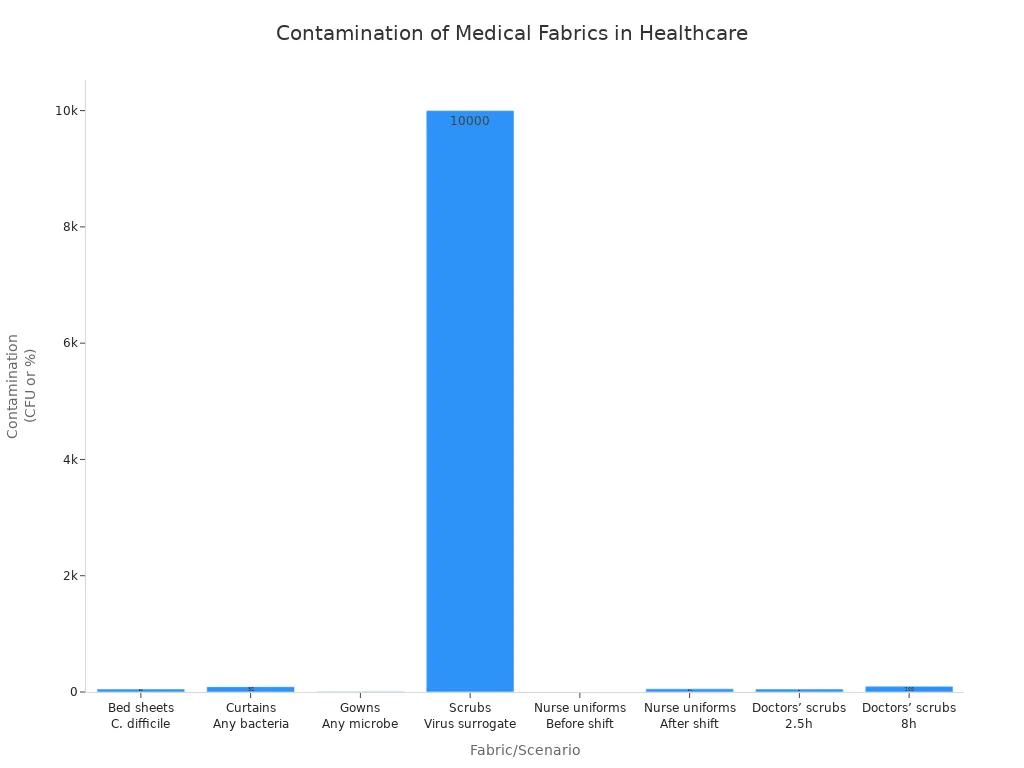
I trust specialized Figs fabric, Dickies Medical fabric, and Barco Uniforms innovations to keep me comfortable and safe.
Key Takeaways
- Choose medical scrubs made from soft, breathable, and stretchy fabrics like polyester-spandex blends to stay comfortable and move freely during long shifts.
- Look for scrubs with antimicrobial and moisture-wicking features to help reduce bacteria and keep you dry, supporting safety and hygiene at work.
- Select scrubs from trusted brands that offer durable, easy-care fabrics tested for wear resistance and stain protection to ensure your uniform lasts through many washes.
Key Factors in Medical Scrub Fabric Selection
Comfort and Softness
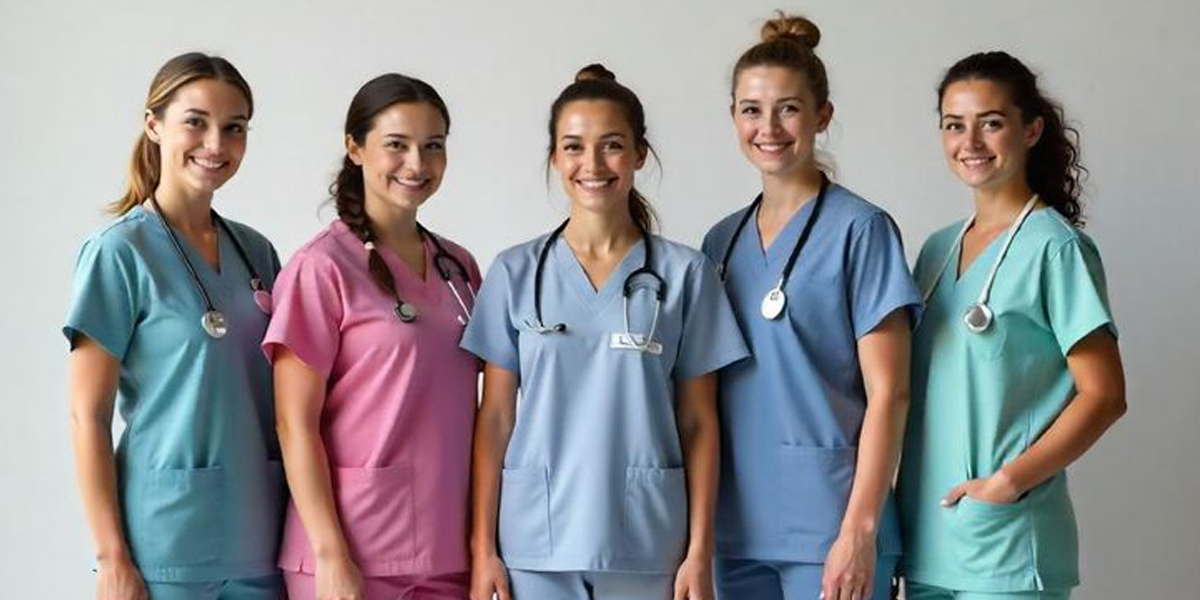
When I choose a medical scrub fabric, comfort comes first. I spend long hours on my feet, so I need a fabric that feels soft against my skin. Many healthcare professionals, like me, look for blends that include polyester, rayon, and spandex. These blends offer a gentle touch and flexibility, making every shift more manageable.
Durability and Longevity
Durability matters because I wash my scrubs often. I want them to last without losing shape or color. Industry labs, such as Intertek and Vartest, test scrub fabrics for water resistance and durability using standards like AATCC 42 and AAMI PB 70. These tests ensure my uniforms can handle daily wear and repeated laundering.
Breathability and Moisture Management
I work in fast-paced environments where temperature changes quickly. Breathable fabrics help me stay cool and dry. Research shows that microfiber blends provide better air flow and moisture-wicking than traditional cotton or polyester. The right fabric structure, like twill or oxford, also improves comfort during long shifts.
Easy Care and Maintenance
I need scrubs that are easy to clean and maintain. Polyester blends resist wrinkles and stains, keeping my uniform looking professional. The table below shows how different fabrics compare for care and maintenance:
| Fabric Type | Care & Maintenance Features |
|---|---|
| Polyester Blends | Low maintenance, resists fading and stains |
| Cotton | Breathable, may fade faster |
| Rayon Blends | Soft, needs careful washing |
| Spandex | Adds stretch, usually blended |
Infection Control and Antimicrobial Protection
Infection control is critical in my field. Many modern scrubs use antimicrobial treatments, such as silver nanoparticles or polycationic coatings, to reduce bacteria. Studies show these treatments can lower microbial loads on fabrics, supporting safer work environments for everyone.
Tip: I always check for certifications or lab test results when selecting new scrubs to ensure they meet safety and performance standards.
Medical Scrub Fabric Preferences Among Top Global Brands
When I select uniforms for my team, I always look at the fabric technology behind each brand. The right medical scrub fabric can make a big difference in comfort, safety, and performance. Leading brands use a mix of natural and synthetic fibers, advanced weaves, and proprietary treatments to meet the needs of healthcare professionals.
FIGS Scrub Fabric Features
- FIGS uses a special fabric called FIONx, which blends polyester and spandex.
- This fabric offers moisture-wicking, antimicrobial, wrinkle-resistant, odor-resistant, and water-resistant properties.
- Some FIGS scrubs include Silvadur™️ antimicrobial technology for extra protection.
- FIONx fabric is durable and made from recycled materials, making it eco-friendly.
- I notice that customer reviews often mention the comfort, softness, and stain resistance of these scrubs.
- The antimicrobial treatment in FIGS aligns with research showing that such fabrics can reduce bacteria by up to 99.99%.
Note: FIGS scrubs receive high ratings for comfort and performance, which helps me trust their quality for my team.
Dickies Medical Uniform Material Comparison
- Dickies scrubs are known for their comfort, durability, and style.
- The fabric is brushed for softness, which feels good during long shifts.
- Dickies uses cotton-rich blends that are soft, breathable, and long-lasting.
- Features like elastic waistbands and tapered legs improve fit and comfort.
- I find that these scrubs are made to last, even after many washes.
Cherokee Medical Scrub Fabric Types
- Cherokee scrubs use cotton, polyester blends, and spandex blends.
- Cotton gives softness and breathability, which I appreciate during busy days.
- Polyester blends add durability, wrinkle resistance, and easy care.
- Spandex blends provide stretch, making it easier to move and work quickly.
Barco Uniforms Fabric Innovations
- Barco One Wellness scrubs use fabric with bio-minerals and temperature-regulating technology.
- This fabric can increase energy, reduce odors, and release soil easily.
- The 4-way stretch and anti-static features help me stay comfortable and move freely.
- Barco also uses FastDry® for sweat wicking, Stain Breaker® for stain release, and Rugged Flex® for extra stretch.
- These innovations lead to high user satisfaction and make Barco a top choice for many healthcare teams.
Grey’s Anatomy Scrub Fabric Qualities
I see that Grey’s Anatomy scrubs focus on softness and a professional look. Their fabric blends often include polyester and rayon, which provide a silky feel and good drape. The material resists wrinkles and keeps its color after many washes. I like that these scrubs offer both comfort and a polished appearance, which is important for my team’s image.
WonderWink Medical Scrub Fabric Blends
- WonderWink scrubs use poly/cotton and poly/rayon/spandex blends.
- The poly/cotton blend gives a traditional fit and soft feel.
- The poly/rayon/spandex blend adds stretch for better movement.
- I notice that these fabrics are soft, breathable, and durable.
- WonderWink scrubs also resist wrinkles and keep their color, even after industrial laundering.
- Certifications like Oeko-Tex and GRS show that the fabric is safe and responsibly made.
Medelita Performance Fabric Choices
Medelita scrubs stand out for their premium quality and professional style. The fabric is moisture-wicking and stain-resistant, which keeps me dry and fresh all day. Medelita uses a patented high-performance fabric that stays soft and effective after at least 50 high-temperature washes. I do not need to iron these scrubs, and most stains come out with regular detergent. This makes Medelita a strong choice for busy healthcare settings.
Healing Hands and HH Works Fabric Technologies
Healing Hands scrubs use a polyester and spandex blend that is wrinkle-resistant and form-fitting. The HH Works line is lightweight and moisture-wicking, with four-way stretch for flexibility. I like the rib-knit side panels and sporty waistbands, which make these scrubs comfortable and easy to move in. Healthcare professionals often praise these scrubs for their fit and breathability.
Landau Medical Scrub Fabric Options
Landau offers scrubs in polyester-cotton blends, 100% cotton, and sustainable materials. These fabrics provide moisture-wicking, breathability, stretch, and durability. I find that polyester blends are soft and durable, while cotton gives lightweight comfort. Landau’s collections include features like four-way stretch, fade resistance, and easy care. The table below shows some key options:
| Collection | Fabric Features | Key Performance Metrics |
|---|---|---|
| Landau Forward | Four-way stretch, moisture wicking, CiCLO tech | High performance, flexible, durable, sustainable |
| ProFlex | Two-way stretch, sport-inspired design | Optimized for movement, fade resistant |
| ScrubZone | Lightweight, industrial laundry approved | Durable, easy care, made for heavy use |
| Essentials | Classic, fade resistant | Practical, durable, timeless style |
Jaanuu Antimicrobial Scrub Fabric
- Jaanuu Moto Scrubs use performance stretch fabric for flexibility and comfort.
- The fabric includes antimicrobial properties to help keep uniforms cleaner.
- I like that these scrubs combine style, practical pockets, and added protection.
Tip: When I choose medical scrub fabric for my team, I always check for certifications, antimicrobial treatments, and user feedback to ensure the best performance and safety.
Comparing Medical Scrub Fabric: Pros and Cons by Brand

Comfort and Fit
When I select scrubs, comfort and fit always come first. I notice that brands like Grey’s Anatomy and Figs lead in both comfort and fit ratings. Their fabrics often include 3-4% spandex, which gives extra stretch and flexibility. Women’s scrubs usually have a more fitted shape, while men’s and unisex styles feel roomier. This difference helps everyone find a good fit for their body type. I also see that cotton, rayon, and polyester blends help with wrinkle resistance and overall comfort.
| Rank | Comfort Rating (Top Brands) | Fit Rating (Top Brands) |
|---|---|---|
| 1 | Grey’s Anatomy | Grey’s Anatomy |
| 2 | Figs | Figs |
| 3 | Healing Hands | Healing Hands |
| 4 | Skechers | Skechers |
| 5 | Cherokee | Cherokee |
Tip: I always check the fabric blend and fit style before buying new scrubs for my team.
Durability and Wear Resistance
Durability matters because I wash my scrubs often. Polyester and polyester blends last longer and keep their color better than cotton. Cotton feels soft but fades faster. Spandex adds stretch but does not make the fabric tougher. The chart below shows how different fabrics stand up to wear:
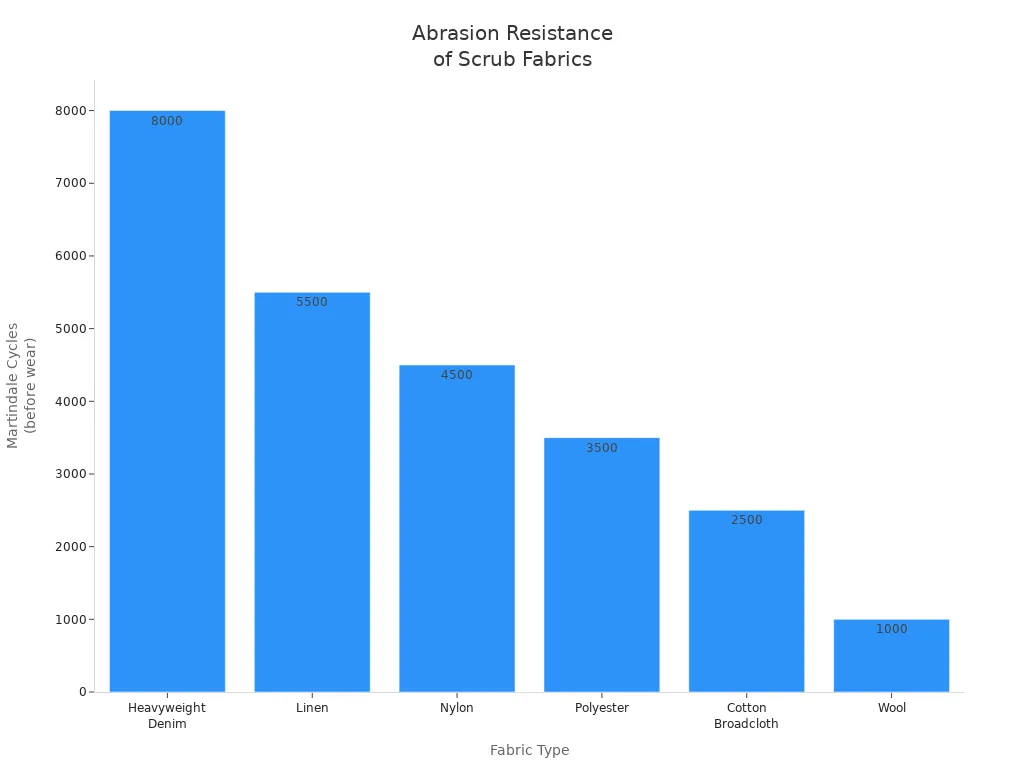
I choose scrubs with more polyester for better wear resistance, especially for busy shifts.
Breathability and Temperature Control
I need scrubs that keep me cool and dry. Brands like Titan Scrubs and Landau use moisture-wicking fabrics that help with breathability and temperature control. Med Couture Originals uses a cotton/polyester/spandex blend for flexible, climate-controlled comfort. These features help me stay comfortable during long shifts.
Care Requirements and Stain Resistance
Easy care and stain resistance save me time. Medelita scrubs use advanced fabric technology to resist stains and keep a professional look. Healing Hands and Dickies also offer wrinkle and stain-resistant fabrics. I find that these scrubs look good even after many washes.
| Brand | Care Features & Fabric Technologies | Stain Resistance & Durability |
|---|---|---|
| Medelita | Moisture-wicking, antimicrobial, premium comfort | Stain resistant, keeps professional look |
| Healing Hands | Soft, breathable, stretch, easy care | Wrinkle and stain resistant |
| Dickies | Durable, four-way stretch, moisture-wicking | Resists stains and fading |
Infection Control Features
Infection control is a top priority for me. Some scrubs use antimicrobial coatings, but I learned that these work best when combined with fluid-repellent fabrics. Technical fabrics with both features can reduce MRSA contamination almost completely. Still, I know that regular laundering and proper use matter most for safety. I always look for scrubs with proven infection control features and clinical validation.
Note: Medical scrub fabric with antimicrobial and hydrophobic barriers offers the best protection against bacteria, especially in high-risk settings.
How Our Specialized Medical Scrub Fabric Stands Out
Unique Features and Textile Innovations
I always look for the latest advancements when choosing uniforms for my team. Our specialized medical scrub fabric stands out because it combines comfort, safety, and smart design. Here are some of the features that make our fabric unique:
- Moisture-wicking technology keeps me dry and comfortable during long shifts.
- Antimicrobial fibers help stop bacteria from growing, which supports infection control.
- Odor-resistant properties keep my uniform fresh, even after busy days.
- Stretch fabrics, like spandex, give me freedom to move and bend without restriction.
- Breathable and durable construction helps the fabric last through many washes and tough work environments.
- Tech-friendly details, such as special pockets for smartphones and hidden compartments, make my work easier.
- Personalization options, including embroidery and custom logos, let my team show pride in our workplace.
- Sustainable choices, like recycled materials and organic cotton, help us care for the environment.
These innovations mean I can trust my uniform to perform well, look professional, and support my daily tasks.
Performance Benefits in Real-World Use
I see the difference every day when I wear our medical scrub fabric. The moisture-wicking feature keeps sweat away from my skin, so I stay cool and dry. The antimicrobial treatment gives me peace of mind, knowing my uniform helps protect against germs. I notice that the fabric resists wrinkles and stains, so I always look neat and professional.
During long shifts, the stretch in the fabric lets me move freely. I can reach, bend, and lift without feeling restricted. The breathable weave keeps me comfortable, even in warm or crowded areas. I also appreciate the tech-friendly pockets, which let me carry my phone and tools safely.
Our fabric meets high industry standards for durability and safety. I have seen it pass tests for abrasion, colorfastness, and fluid resistance. These results show that our uniforms hold up under pressure and keep their protective features after many washes.
Tip: I always recommend checking for certifications and lab test results when selecting uniforms for a healthcare team. This ensures the fabric meets strict safety and performance requirements.
Customer Feedback and Success Stories
I hear from many healthcare professionals who love our uniforms. Nurses tell me that the stretch and comfort help them get through long shifts without discomfort. Maternity nurses say the added flexibility supports their physical work. Pediatric nurses enjoy the bright colors and patterns, which help create a friendly space for young patients.
One team leader shared that our medical scrub fabric helped her staff feel more confident and professional. She noticed fewer complaints about discomfort and more positive feedback from patients. Another customer said the antimicrobial and moisture-wicking features made a big difference during a busy flu season.
I value this feedback because it helps me improve our products. I listen to what healthcare workers need and use their ideas to make our uniforms even better. This ongoing conversation helps me deliver scrubs that support both performance and well-being.
What to Look for in Medical Scrub Fabric
Practical Tips for Buyers
When I choose uniforms for my team, I focus on fabric technology and construction. I always keep these tips in mind:
- I check the main fibers in the fabric. Cotton feels soft and breathes well, but it may shrink. Polyester resists wrinkles and lasts longer. Spandex adds stretch for comfort. Rayon gives a smooth touch.
- I look for blends like cotton/polyester or polyester/spandex. These blends balance comfort, durability, and easy care.
- I pay attention to the weave. Poplin feels smooth and resists wrinkles. Dobby has a textured surface and absorbs well. Twill drapes nicely and hides stains.
- I select fabrics with special finishes. Moisture-wicking keeps me dry. Fluid-repellent coatings protect against spills. Brushed cotton feels extra soft. Antimicrobial coatings help with hygiene.
- I read care instructions. I want to know if the fabric shrinks, builds static, or absorbs moisture. This helps me choose uniforms that last through many washes.
- I always check garment tags for fiber percentages and washing methods. This ensures the fabric keeps its performance features.
Tip: I never skip checking for certifications or lab test results. These details help me trust the fabric’s quality and safety.
Essential Fabric Selection Checklist
| Checklist Item | Key Inspection Points | Relevant Standards/Tests | Acceptance Criteria/Notes |
|---|---|---|---|
| Fabric Quality | Visual defects, color consistency, GSM (weight), fiber content, shrinkage, colorfastness | ISO 5077 (shrinkage), ISO 105 (colorfastness), tensile strength | GSM 120–300+; shrinkage ≤3–5%; seam strength 80–200 Newtons |
| Color Confirmation | Pantone matching, colorfastness to wash/rub/light, visual inspection | Wet/dry rub tests, spectrophotometer | Color variance ≤0.5 Delta E; no fading after 5–10 washes |
| Pattern & Marker Accuracy | Pattern alignment, grading, measurement, fit | Pull/stretch tests, mannequin fitting | AQL ≤2.5% major defects; batch rejection 5–10% for flaws |
| Stitching & Seam Strength | Seam slippage, stitch density, needle damage, open seams, puckering | SPI (7–12), destructive testing | Seam strength 80–200 Newtons; ≤2–4 flaws per 500 garments |
| Construction Sequence | Seam strength, assembly order, component placement, needle detection | Pull tests, needle detectors | Zippers/buttons withstand 5,000+ cycles |
| Loose Threads | Seam/hem threads, trimming errors | Light inspection, stitch count | Trim threads ≤3mm; reject if >2 loose threads in critical areas |
| Labels & Tags | Brand logo, text accuracy, fiber content, country of origin, label adherence | Mock-wash tests, legal compliance | Labels survive 10+ washes; 100% label accuracy |
| Final Quality Report | Report number, inspection date, test results, AQL status, packaging | AQL sampling, defect documentation | Pass/fail based on client tolerances |
This checklist helps me ensure every uniform meets the highest standards for durability, safety, and appearance.
I always focus on comfort, durability, and safety when I choose uniforms. Our specialized scrubs deliver unmatched performance and protection. I trust these features to support my team every day. Make informed choices for your staff and see the difference in quality and value.
FAQ
What fabric blend do I recommend for daily medical scrubs?
I recommend a polyester-spandex blend. This fabric gives me comfort, stretch, and durability. I find it easy to care for and long-lasting.
How do I check if a scrub fabric is antimicrobial?
I always look for certifications or lab test results.
Tip: Check the garment tag or product description for antimicrobial claims.
Can I machine wash all medical scrub fabrics?
Yes, I machine wash most medical scrubs. I always follow the care label instructions to keep the fabric strong and colors bright.
Post time: Jul-15-2025