
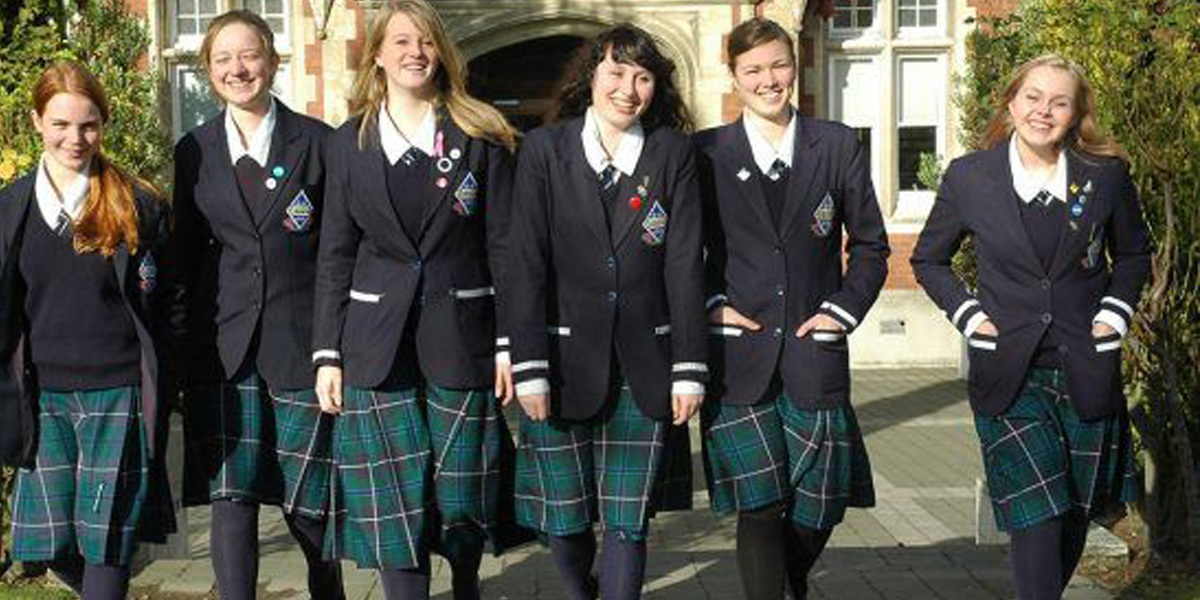
I always look for the best school uniform fabric for students. Big plaid school uniform fabric stands out for its bold style. I often choose big plaid polyester rayon fabric because it lasts. Anti pillig big plaid TR school uniform fabric and durable plaid TR uniform fabric give extra strength. High colorfastness TR school uniform fabric keeps colors bright.
Key Takeaways
- Choose school uniform fabrics that balance durability, comfort, and style to keep students looking sharp and feeling good all day.
- Pick plaid colors and patterns that reflect your school’s identity and climate, using custom designs to stand out and build pride.
- Work with reliable suppliers who offer quality fabrics, clear communication, and flexible orders to ensure timely delivery and long-lasting uniforms.
Current Trends in School Uniform Fabric
Popular Plaid Color Combinations
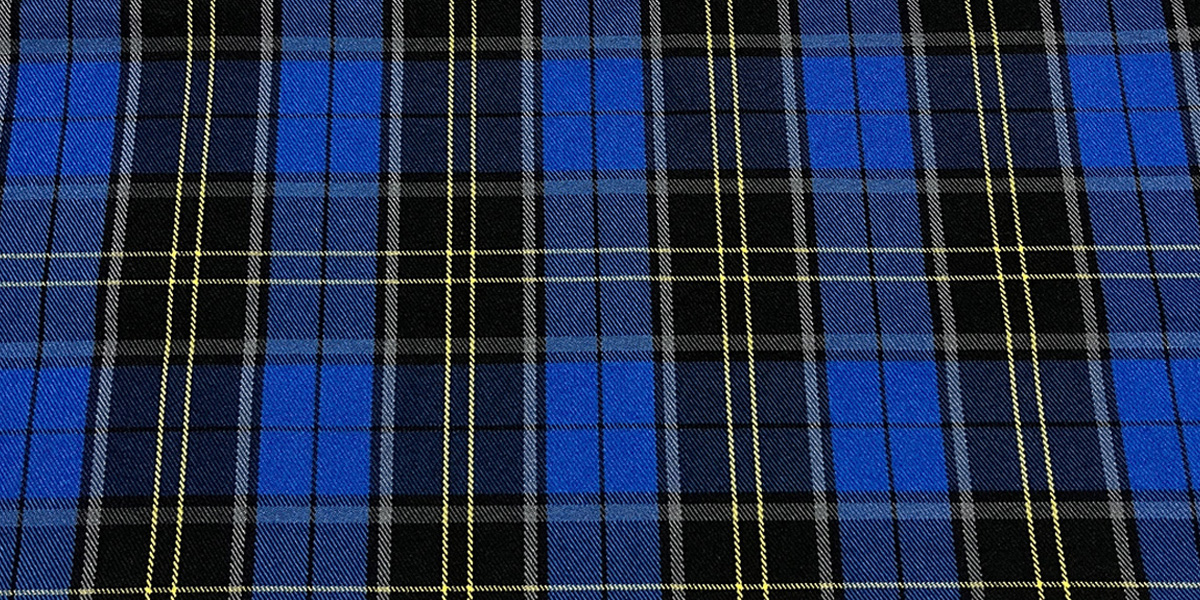
I notice that color plays a big role in school uniform fabric trends. Many schools choose classic combinations like navy and green or red and black. These colors look sharp and help students stand out. Some schools prefer softer shades, such as gray with blue or burgundy with white. These lighter tones give a modern feel. I often see schools select colors that match their logos or mascots. This choice helps build a strong school identity.
Tip: When I help schools pick colors, I suggest thinking about how the colors will look after many washes. Darker colors often hide stains better and keep their appearance longer.
Pattern Scale: Large vs. Small Plaids
Pattern size changes the look of school uniform fabric. Large plaids make a bold statement. I see these patterns in schools that want a modern or unique style. Small plaids look more traditional and neat. Many private schools choose small plaids for a classic appearance. I always ask schools what image they want to show. Large plaids can feel more casual, while small plaids give a formal touch.
Here is a quick comparison:
| Pattern Scale | Visual Impact | Common Use |
|---|---|---|
| Large Plaid | Bold | Modern, casual |
| Small Plaid | Subtle | Traditional, formal |
Regional and School-Specific Preferences
I notice that location affects plaid choices. In the Northeast, schools often pick deep greens and blues. Southern schools sometimes use lighter colors to stay cool in warm weather. In the Midwest, I see a mix of both styles. Some schools want a unique plaid that no other school uses. I work with them to create custom designs that reflect their history or values.
Note: I always recommend that schools consider their climate and culture when choosing school uniform fabric. The right choice helps students feel comfortable and proud.
School Uniform Fabric Types and Qualities
Durable and Comfortable Materials
When I help schools choose school uniform fabric, I always focus on durability and comfort. Students wear these uniforms every day, so the fabric must stand up to frequent washing and active use. I look for materials that pass strict laboratory tests. For example, dry cleaning fastness (Grade 4-5) shows that the fabric keeps its color even after many washes. Light fastness (Grade 3-4) means the colors do not fade quickly in sunlight. Perspiration fastness (Grade 4) ensures the fabric performs well during daily activities.
Comfort matters just as much as durability. I check for breathability and softness. The sweating guarded hot plate test measures how well the fabric resists heat, which helps students stay cool. Air permeability tests show if the fabric allows air to flow, making it more comfortable. The Qmax test checks if the fabric feels soft against the skin.
I often recommend polyester for its high tensile strength and wrinkle resistance. Polyester-rayon blends work well because they combine the strength of polyester with the softness and moisture absorption of rayon. Anti-pilling technology keeps the fabric smooth, even after many washes. I also pay attention to certifications like OEKO-TEX® Standard 100 and GOTS, which guarantee safety and quality.
Tip: Always follow care instructions, such as washing at the right temperature and turning garments inside out. This helps uniforms last longer and look better.
Eco-Friendly and Sustainable Fabrics
Many schools now ask me about eco-friendly options for school uniform fabric. I see a growing demand for materials that protect the environment and support ethical practices. Fabrics made from organic cotton, recycled polyester, bamboo, hemp, and lyocell (TENCEL™) use fewer resources and reduce pollution. These choices help conserve water, energy, and chemicals during production.
Sustainable fabrics also support fair wages and safe working conditions for workers. They last longer and are easy to care for, which saves money over time. Schools that choose eco-friendly fabrics show they care about the planet and their community.
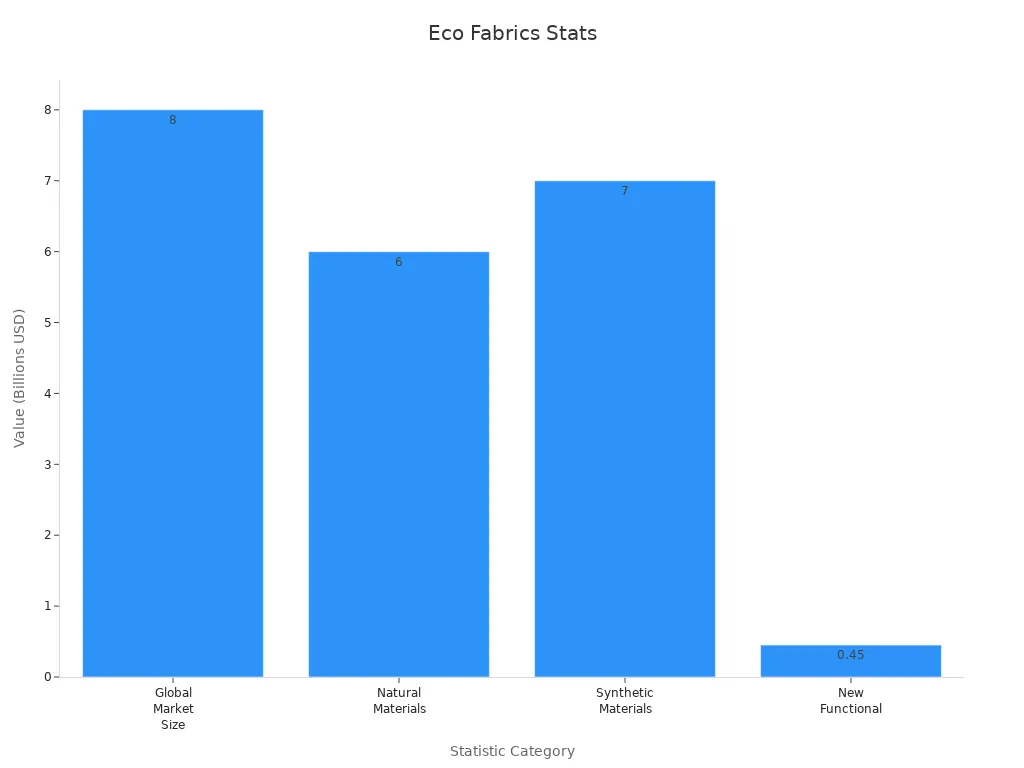
Here is a table that highlights the global market for sustainable school uniform fabric:
| Statistic Category | Value/Description |
|---|---|
| Global Market Size (2025) | $8 billion |
| CAGR (2025-2033) | 5% growth rate |
| Market Share: Natural Materials | ~40% of market value (~$6 billion), includes organic cotton and other natural fibers |
| Market Share: Synthetic Materials | ~47% of market value (~$7 billion), includes polyester and nylon |
| Market Share: New Functional Materials | ~3% of market value (~$450 million), includes sustainable and innovative fabrics |
| Benefits of Sustainable Fabrics | Reduced water, energy, and chemical use; durability; ease of care; environmental impact reduction |
| Regional Market Leader | Asia-Pacific region due to high school enrollment and production |
Note: Choosing sustainable fabrics encourages students and families to make eco-conscious choices and supports local communities.
Easy-Care and Stain-Resistant Options
I know that parents and schools want uniforms that are easy to care for. I always look for school uniform fabric with advanced treatments. Stain resistance helps keep uniforms looking clean, even after spills. Wrinkle resistance means less ironing and a neater appearance. Color retention ensures that uniforms stay bright after many washes.
Polyester and polyester-rayon blends are popular because they resist tearing and abrasion. Anti-pilling technology keeps the fabric smooth. I advise schools to check the fabric weight and weave type for 100% polyester. For blends, I suggest looking at the blend ratio and texture to find the best balance of comfort and durability.
Here are some tips I share with schools and parents:
- Wash uniforms at the recommended temperature.
- Turn garments inside out before washing.
- Avoid harsh detergents to protect fabric treatments.
Callout: Easy-care and stain-resistant fabrics save time and money for families and help students look their best every day.
Customization and Branding with Plaid
Custom Plaid Designs for School Identity
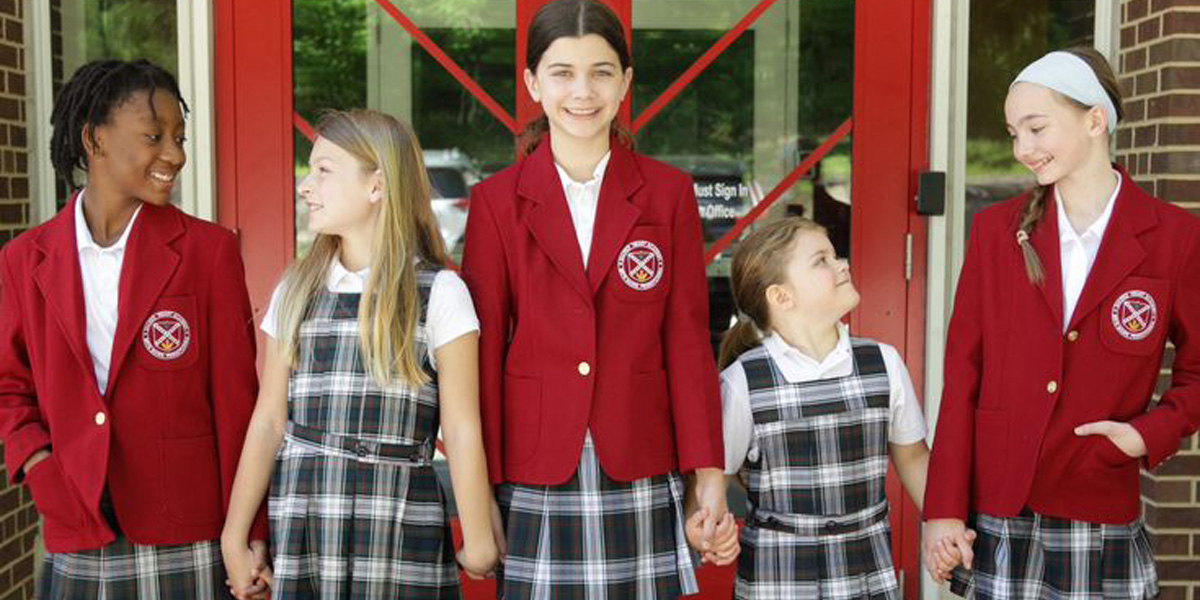
I often help schools create unique plaid patterns that reflect their identity. Custom plaid designs allow schools to stand out and build a sense of pride among students. I work with school leaders to choose colors that match their logo or mascot. I also suggest adding subtle lines or accents that represent the school’s values or history.
When I design custom plaids, I use digital tools to show different options. This helps schools see how the fabric will look before making a decision. I recommend schools select patterns that are easy to recognize and not too busy. Simple designs often look better on uniforms and last longer as trends change.
Tip: Custom plaids can help prevent uniform mix-ups between schools in the same area.
Logo Integration and Accent Features
I see more schools asking for logos or special features on their uniforms. I often suggest embroidery or woven labels for a professional look. Some schools add their logo to the chest pocket or sleeve. Others use accent stripes or piping in school colors to make the uniform unique.
Here are some popular branding options I recommend:
- Embroidered school crest on blazers or sweaters
- Woven labels inside collars or waistbands
- Colored piping along skirts or pants
- Custom buttons with the school emblem
| Branding Feature | Placement Example |
|---|---|
| Embroidery | Chest, sleeve, pocket |
| Woven Label | Collar, waistband |
| Accent Piping | Skirt, pant seams |
| Custom Buttons | Front placket, cuffs |
Note: Strong branding helps students feel connected to their school and makes uniforms easy to identify.
Sourcing and Buying School Uniform Fabric
Evaluating Fabric Suppliers
When I choose a supplier for school uniform fabric, I look for more than just price. I check if the supplier delivers on time and meets deadlines. I always ask for samples to check color, texture, and durability. I visit supplier facilities when possible to see their production and quality control. I also review their certifications for sustainability and safety. I value open communication because it helps solve problems quickly. I use supply chain software to track orders and get alerts if issues come up. I keep records of inspections and quality issues to make sure the supplier stays reliable.
Here are some steps I follow:
- Define clear fabric requirements for type, color, and texture.
- Select suppliers with strong references and certifications.
- Request and test fabric samples.
- Audit facilities and review quality control.
- Start with small test orders before large commitments.
Tip: Building a good relationship with your supplier helps ensure long-term success.
Minimum Orders and Lead Times
I always ask about minimum order quantities before placing an order. Some suppliers require large orders, while others offer flexibility for smaller schools. I check lead times to make sure the fabric arrives before the school year starts. Delays can cause big problems, so I plan ahead and confirm delivery schedules. I also ask about rush options if I need fabric quickly.
Cost and Budget Considerations
I compare prices from several suppliers to get the best value. I look at the total cost, including shipping and any extra fees. I ask for detailed quotes to avoid surprises. I also consider the long-term savings from durable, easy-care fabrics. Sometimes, paying a little more for high-quality school uniform fabric saves money over time because the uniforms last longer.
| Cost Factor | What I Check |
|---|---|
| Fabric Price | Per yard or meter |
| Shipping Fees | Domestic or international |
| Minimum Order Size | Small vs. bulk orders |
| Payment Terms | Deposit, balance, timeline |
| Quality Guarantees | Return or replacement policy |
Future Innovations in School Uniform Fabric
Digital Printing and New Technologies
I see digital printing and new technologies changing the way we make school uniforms. Automated weaving and knitting now create complex patterns quickly and with less waste. Laser cutting shapes fabric with high precision, which saves materials and helps the environment. AI-driven design tools let me predict trends and create virtual samples before production. This reduces waste and speeds up the process.
Here are some key advancements I follow:
- Automated weaving and knitting for seamless, durable garments
- Laser cutting for efficient, eco-friendly fabric use
- AI and virtual prototyping for trend prediction and customization
- Digital fabrication for lower carbon footprint and on-demand production
- 3D scanning for tailor-made uniforms
I notice that digital printing, especially Direct to Fabric (DTF), now holds over 67% of the market. Direct to Garment (DTG) printing grows fast because schools want personalized uniforms. Sublimation inks work best for polyester uniforms, offering bright colors and durability. Single-pass printing speeds up production, while multi-pass printing remains popular for its cost savings.
| Aspect | Key Insight |
|---|---|
| DTF Printing | 67%+ market share in 2023 |
| DTG Printing | Fastest growth (14.4% CAGR) |
| Sublimation Inks | 52% market share, eco-friendly |
| Single-Pass Printing | Fastest growth (14.3% CAGR) |
| Multi-Pass Printing | 61% market share |
Note: High initial costs and skill gaps remain, but I expect these challenges to decrease as technology improves.
Upcoming Trends and Predictions
I expect more schools to choose sustainable, tech-driven fabrics in the future. Digital fabrication will support local, on-demand production, which reduces shipping and waste. Smart textiles, like conductive or temperature-regulating fabrics, may soon appear in school uniforms. I believe AI will help schools design unique patterns and fit uniforms to each student.
I predict that as technology becomes more affordable, even small schools will access custom, high-quality uniforms. Schools will continue to value eco-friendly materials and easy-care features. I plan to stay updated on these trends to help schools make the best choices for their students.
Tip: Staying informed about new technologies helps schools lead the way in comfort, style, and sustainability.
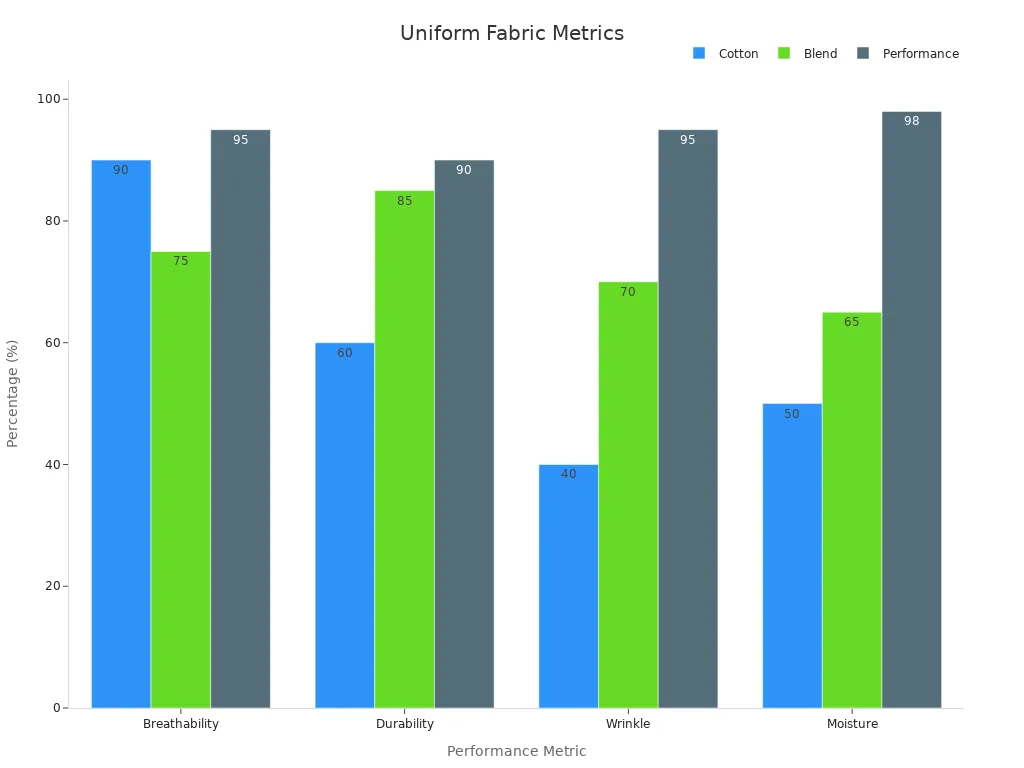
I always recommend buyers focus on comfort, durability, and style when choosing school uniform fabric. Data shows that breathable, flexible materials support student well-being and performance. I use fiber properties, weave, and finishes to guide my choices. Staying informed about new trends ensures the best results.
FAQ
What plaid fabric lasts the longest for school uniforms?
I always choose polyester-rayon blends for durability. These fabrics resist pilling and fading. They hold up well after many washes and keep uniforms looking new.
How do I pick the right plaid pattern for my school?
I match the plaid pattern to the school’s colors and style. I use digital samples to help schools see options before making a final choice.
Are eco-friendly plaid fabrics easy to care for?
Yes, I find most eco-friendly fabrics simple to wash and maintain. They resist stains and wrinkles. I always check care labels for best results.
Post time: Jun-16-2025