
Introduction
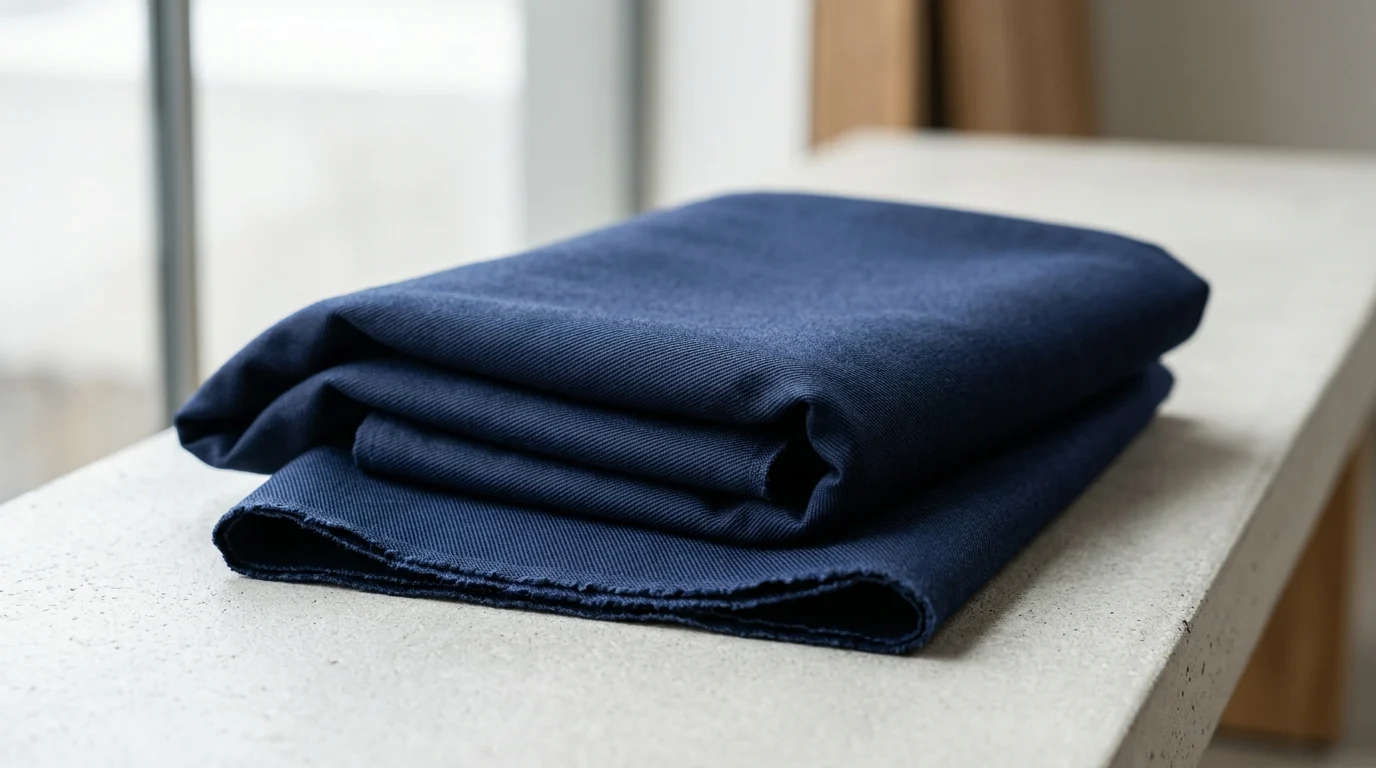
Choosing fabric for uniforms is less about brand preference and more about how the garment must perform day after day. Polyester rayon and poly cotton are both common blends, but they serve different priorities: one leans toward a smoother, more tailored appearance, while the other is often favored for durability, breathability, and easier maintenance. The right option can affect comfort, wash performance, replacement frequency, and overall program cost. This article compares how each fabric behaves in real uniform use, so you can match the blend to your industry, wear conditions, and budget before moving into the detailed breakdown.
Why uniform fabric selection matters
When consulting on corporate apparel programs, we emphasize that fabric selection dictates both employee comfort and the long-term viability of the garment. A well-specified uniform fabric must endure rigorous daily use, often requiring resilience through 150 to 200 industrial wash cycles before replacement.
Making the wrong choice can increase annual procurement costs by up to 30% due to premature wear, fading, or employee dissatisfaction. Balancing the initial fabric cost against the projected lifecycle is the cornerstone of effective uniform sourcing.
Polyester rayon vs poly cotton at a glance
At a high level, the debate between these two dominant blends comes down to the desired aesthetic versus functional durability. Polyester rayon (TR) provides a smooth, wool-like drape that elevates the professional appearance of tailored suits, skirts, and formal trousers. It mimics high-end natural fibers without the prohibitive price tag.
Conversely, poly cotton (TC) prioritizes breathability, moisture management, and sheer tensile strength. This structural integrity makes it the undisputed workhorse of industrial, medical, and service-industry settings where garments face intense daily friction.
What polyester rayon and poly cotton are
To understand their performance, we must look at their exact composition and manufacturing origins. A standard polyester rayon blended fabric for uniform typically uses a 65% polyester and 35% rayon mix. The synthetic polyester provides structural integrity and wrinkle resistance, while the semi-synthetic rayon—derived from regenerated cellulose or wood pulp—introduces softness, breathability, and a subtle, premium luster.
Poly cotton relies on a similar 65/35 or sometimes an 80/20 ratio, but it utilizes natural cotton fibers instead of rayon. These cotton fibers excel at moisture absorption and can withstand the harsh chemicals and high-temperature laundering required for heavy-duty workwear without losing structural integrity.
How polyester rayon and poly cotton compare

Comparing these textiles requires us to look beyond surface feel and analyze their technical specifications. Both fabrics typically range from lightweight 150 gsm (grams per square meter) for summer shirting to a robust 250 gsm for bottom-weight garments like trousers and blazers.
However, their behavioral characteristics diverge significantly under thermal and mechanical stress, meaning a direct comparison is necessary to prevent costly procurement errors.
Key comparison criteria
Evaluating our TR Fabric vs Poly Cotton Fabric Comparison, several distinct performance metrics emerge that dictate their best use cases.
| Metric | Polyester Rayon (TR) | Poly Cotton (TC) |
|---|---|---|
| Shrinkage Rate | 3% – 5% | 1% – 2% |
| Pilling Resistance | Moderate (Grade 3-4) | High (Grade 4-5) |
| Moisture Wicking | Low to Moderate | High |
| Drape & Handfeel | Soft, wool-like, fluid | Crisp, structured, firm |
| Heat Tolerance | Low (max 150°C iron) | High (max 200°C iron) |
This table illustrates that while TR fabric excels in visual presentation and anti-wrinkle properties, it requires more delicate care and lower washing temperatures. Poly cotton boasts superior dimensional stability, with minimal shrinkage even after repeated hot washes and tumble drying.
How sourcing variables affect performance
The final performance of these fabrics relies heavily on the supply chain and manufacturing controls. When collaborating with a reliable China Uniform Fabric Manufacturer, we notice that advanced yarn spinning techniques, such as vortex spinning or air-jet spinning, drastically reduce the pilling tendency of rayon blends.
Furthermore, finishing treatments like mercerization or singeing can significantly enhance the smoothness of poly cotton. Sourcing variables also impact procurement logistics; custom-dyed TR or TC fabrics generally require a Minimum Order Quantity (MOQ) of 3,000 to 5,000 meters per color. Understanding these thresholds helps us plan inventory effectively for both large enterprise rollouts and smaller regional uniform programs.
How to choose the right uniform fabric
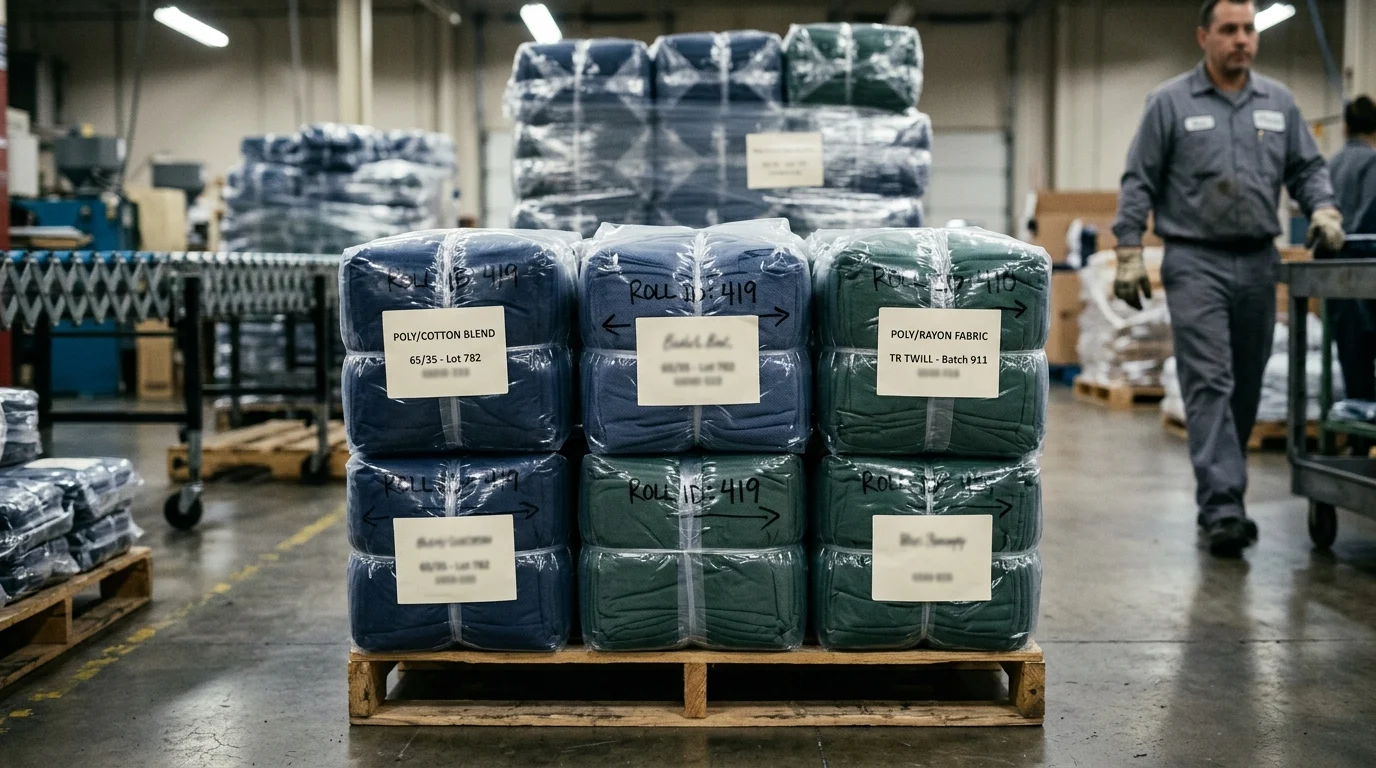
Ultimately, we must align our fabric choice with the specific environmental demands of the end-user while staying within budget. Standard uniform fabrics generally fall within a cost band of $1.50 to $3.80 per yard, depending on the weight, blend ratio, and specialized chemical finishes.
Making a successful procurement decision requires rigorous physical testing and a clear understanding of the garment’s daily lifecycle.
How to evaluate fabric samples
Before committing to a bulk production order, we strongly advise conducting laboratory tests on physical yardage swatches. For high-friction uniform pants or skirts, we require a Martindale abrasion test result exceeding 20,000 rubs to ensure sufficient longevity in an office or retail environment.
Furthermore, colorfastness to washing, rubbing, and light should consistently meet or exceed Grade 4 on the standard grayscale. Testing these parameters prevents costly field failures and uniform replacements, especially when evaluating polyester cotton fabric for uniforms intended for outdoor logistics personnel or physically demanding roles.
How to decide between polyester rayon and poly cotton
The final decision hinges entirely on the primary function and daily maintenance of the apparel. If we are outfitting a corporate office, a luxury hotel front desk, or designing premium school uniforms, the elegant drape, vibrant color retention, and crease-resistance of polyester rayon make it the superior aesthetic choice.
However, if the uniforms are destined for medical staff, culinary teams, or heavy industry workers who face high heat, biological contaminants, and require frequent, aggressive laundering, the unparalleled durability and breathability of poly cotton will yield the best return on investment. By matching the fabric’s technical strengths to the wearer’s daily reality, we ensure both organizational efficiency and employee satisfaction.
Key Takeaways
- The most important conclusions and rationale for uniform fabric
- Specs, compliance, and risk checks worth validating before you commit
- Practical next steps and caveats readers can apply immediately
Frequently Asked Questions
Which fabric is better for formal office uniforms?
Polyester rayon is usually better for office suits, skirts, and trousers because it has a softer handfeel and a more polished drape.
Which fabric works best for medical or industrial uniforms?
Poly cotton is the safer choice for medical, service, and industrial uniforms because it handles hot washing, friction, and frequent wear better.
Does polyester rayon shrink more than poly cotton?
Yes. Polyester rayon typically shrinks about 3%–5%, while poly cotton is usually around 1%–2%, so TC offers better dimensional stability.
What blend ratio is common for uniform fabric?
A common ratio for both TR and TC uniform fabric is 65/35. The final choice depends on whether you need better drape or better durability.
Can I contact IYUNAI Textile for custom uniform fabric sourcing?
Yes. You can use the contact page on iyunaitextile.com to discuss TR or TC options, MOQ, colors, and sample testing for your uniform project

Post time: May-09-2026